The market advantages of pet food production lines involve process, equipment selection, or operational management issues in food processing and production equipment.The actual solution should be confirmed based on raw material characteristics, target product specifications, production scale, and on-site conditions, and should not be determined solely by single equipment parameters.
Key Advantages of the Pet Food Production Line in the Market
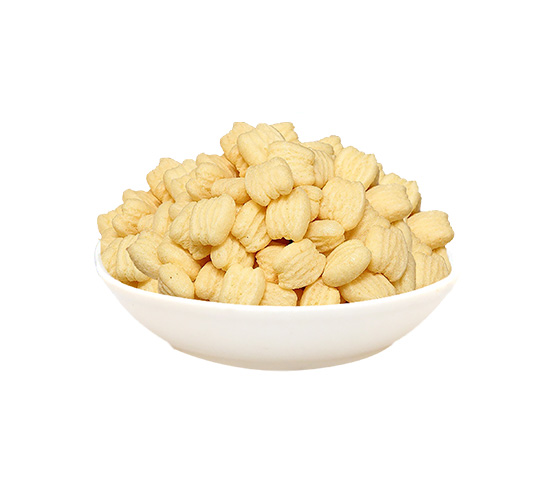
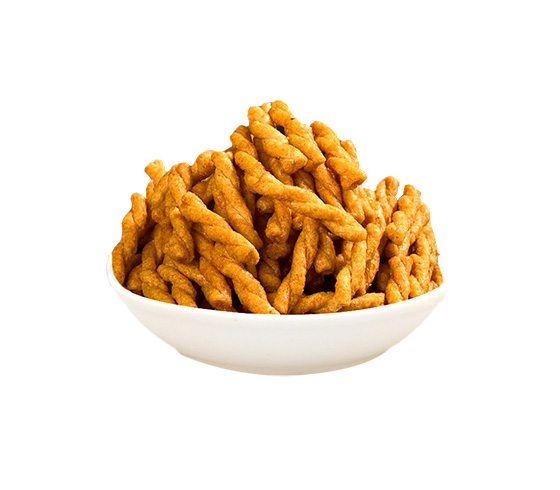
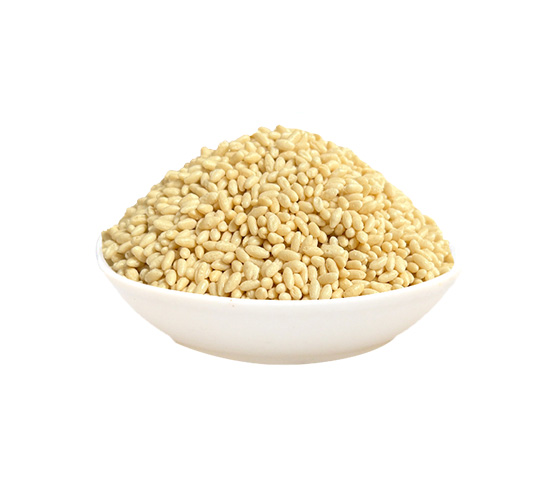
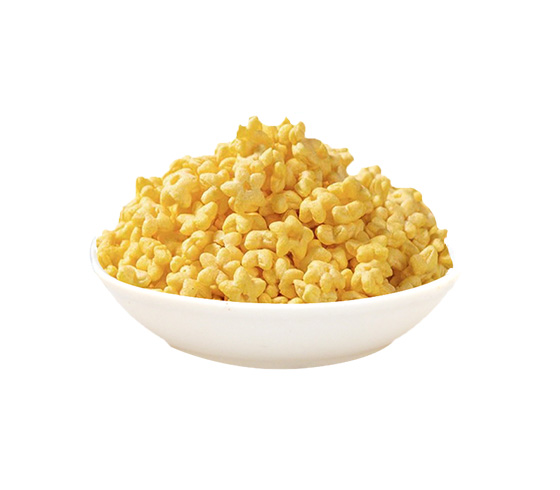
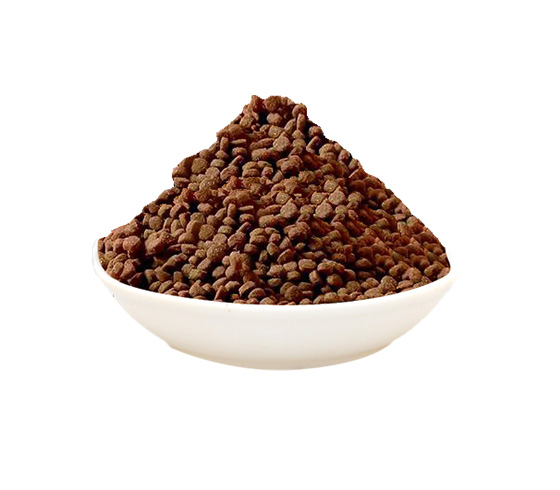
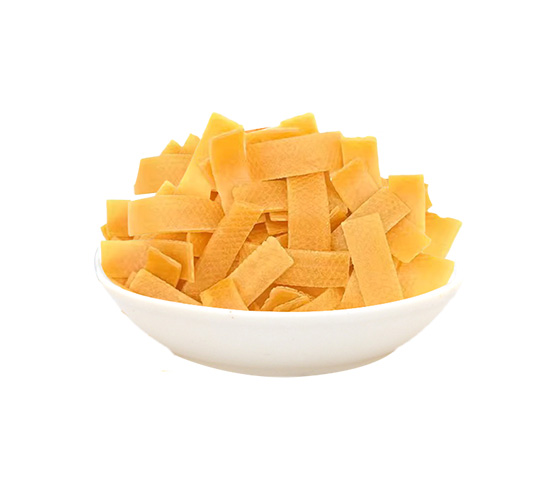
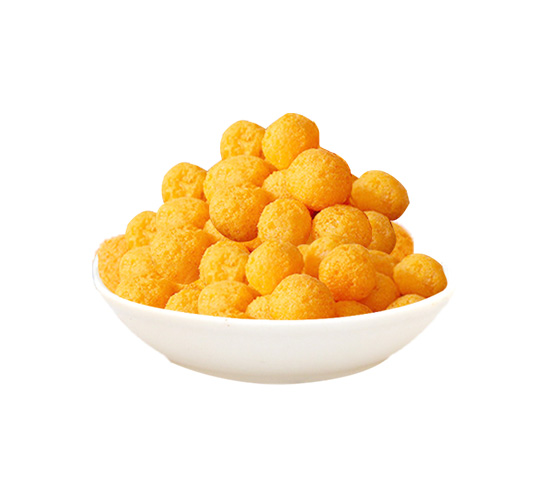
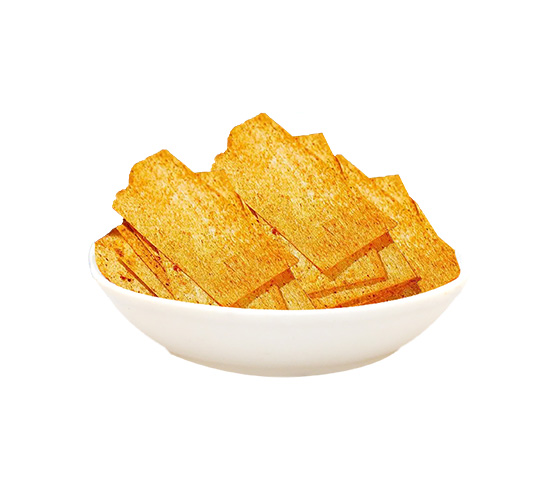
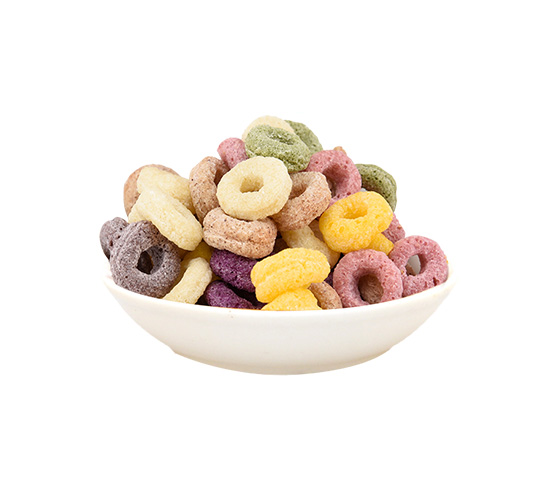
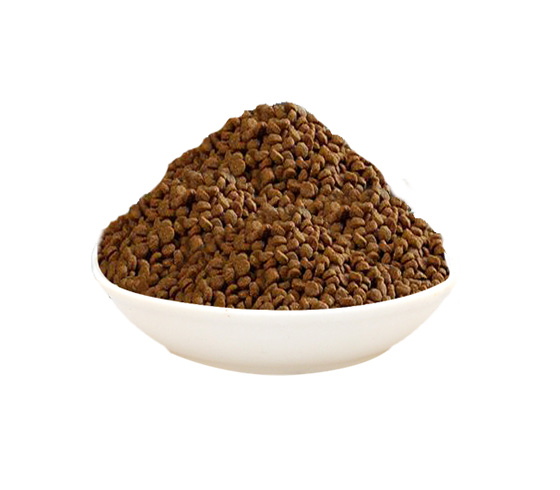
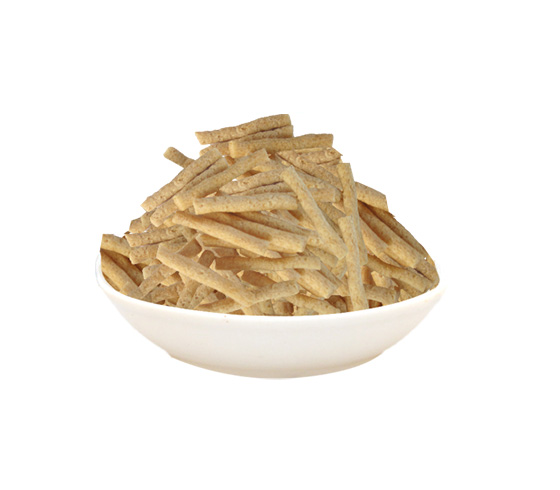
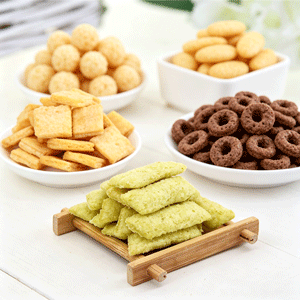
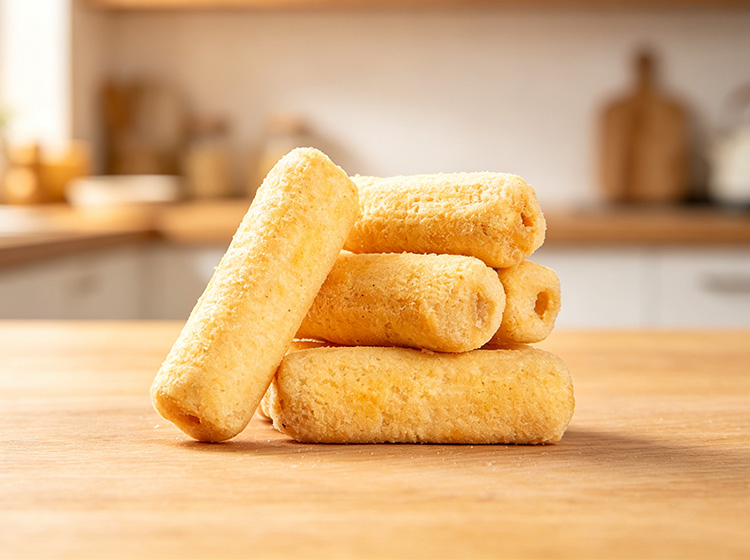
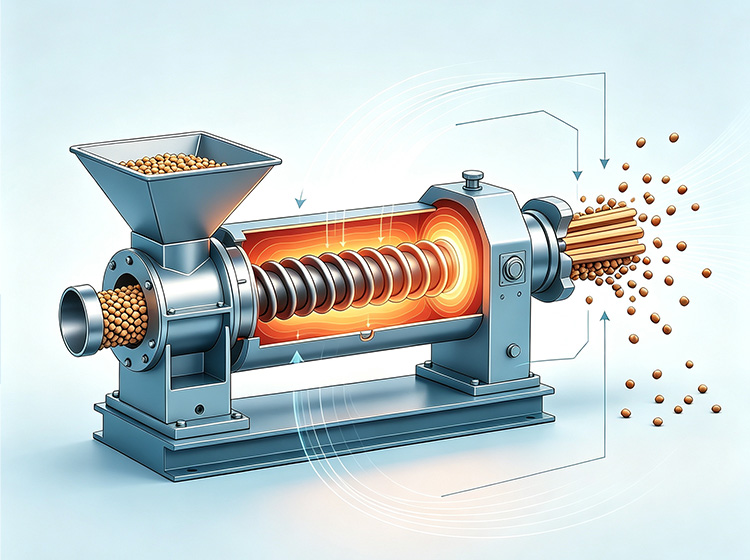
Market Background of Pet Food Production Lines: The pet food production lines developed by our company give pet food novel shapes, unique flavors, and appealing colors, while meeting the demands of the modern pet food market through scientifically optimized nutritional formulations and digestibility.Taking extruded puffed dog chew treats as an example, by scientifically blending various raw materials and extruding them through an extrusion puffing machine, chewable pet foods in different shapes such as sticks and bones can be produced.This product provides essential nutrients such as protein, fat, and vitamins for dogs, while also offering dental care benefits to meet the chewing habits of dogs at all life stages.Additionally, it can strengthen the gums and jawbone, clean the oral cavity, remove dental calculus, and reduce the risk of disease transmission.
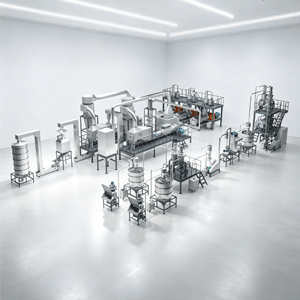
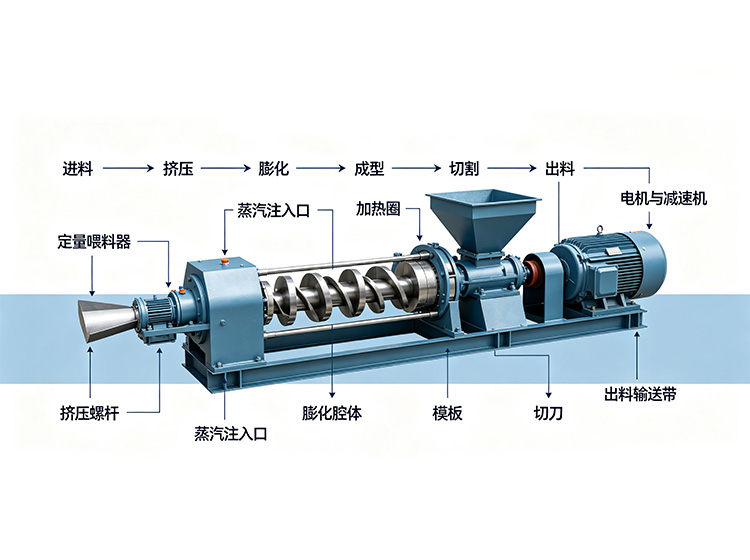
Pet food production line process flow:
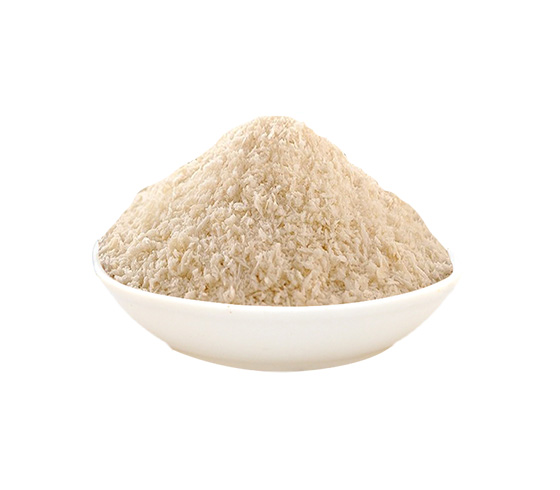
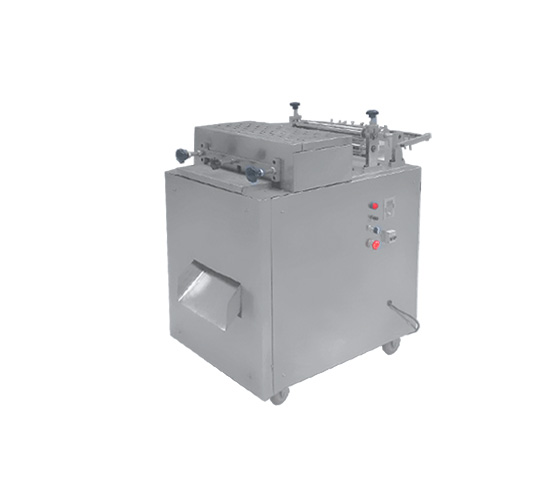
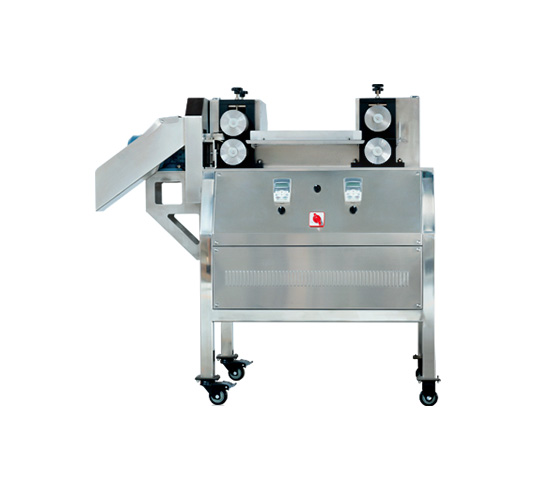
Crushing Equipment: Crush the raw materials into powder according to actual needs and mix them evenly.
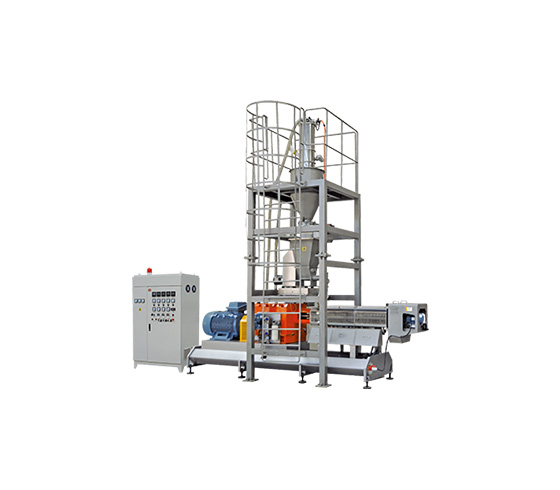
Screw Feeder: Utilizes screw or bucket conveyors to transport materials, ensuring convenient and efficient feeding while minimizing secondary contamination caused by manual contact.Screw conveyors or bucket elevators can be selected based on production capacity.
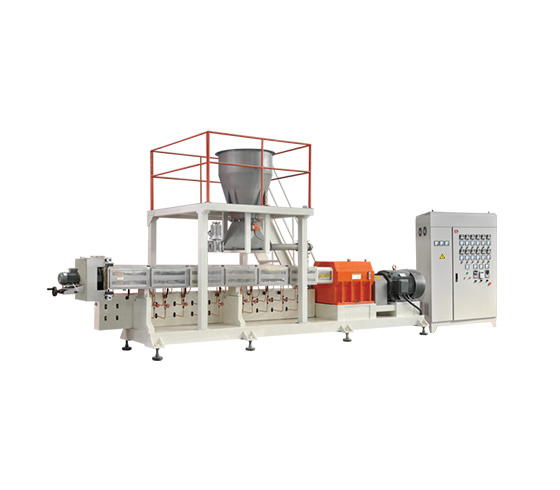
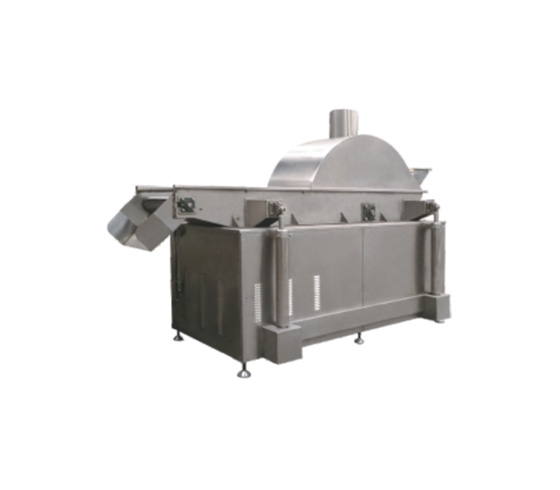
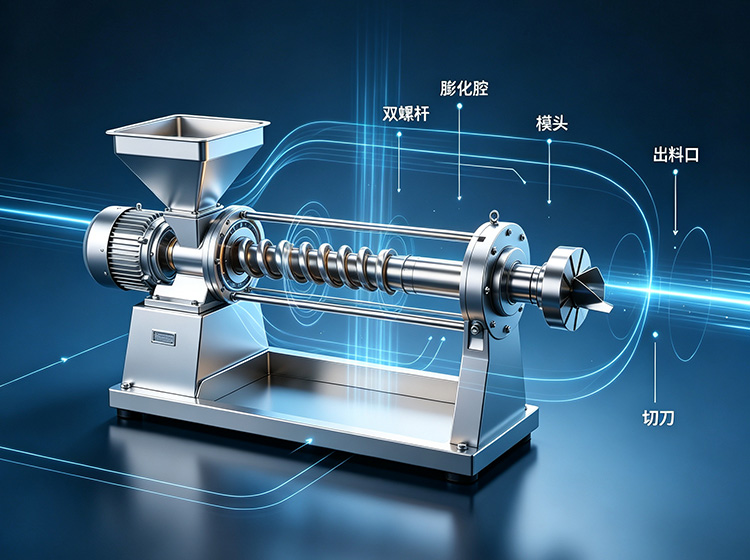
Twin-screw extrusion puffing machine: Changdong Company currently stocks a variety of models of extrusion puffing machine main units, which can be selected according to the requirements of different production lines.Specific product shapes can be achieved by changing the molds.
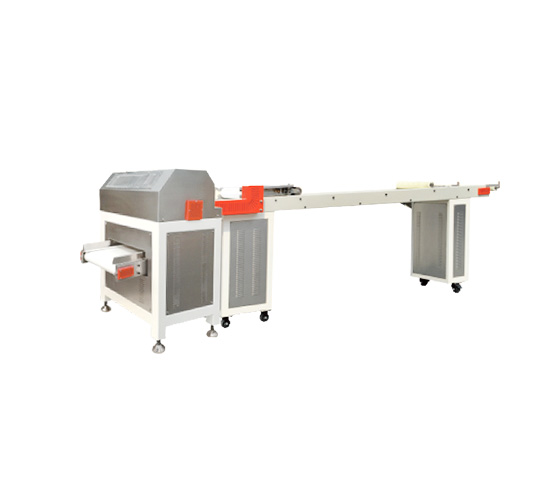
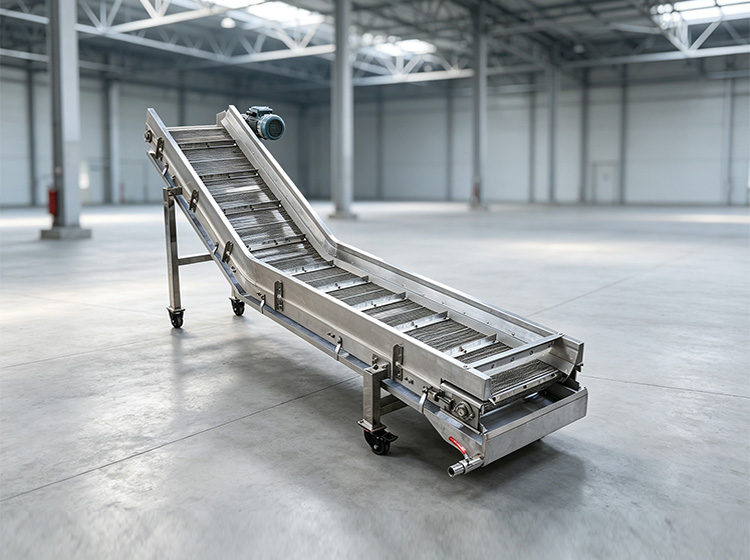
Pneumatic conveyor: Transfers dog food to the dryer. The height of the pneumatic conveyor is determined by the height of the oven, and a bucket elevator can be optionally selected.
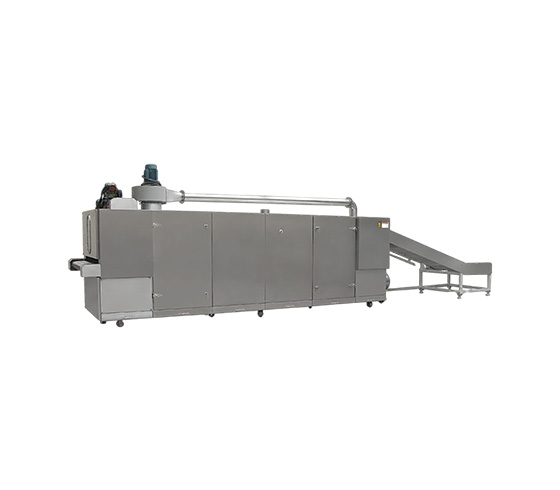
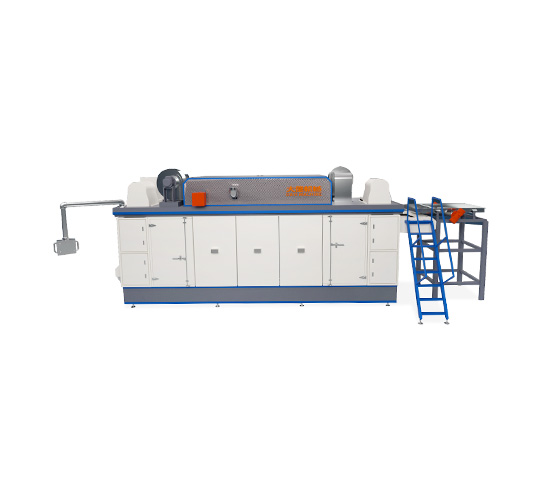
Multi-layer belt dryer: The dryer is available in electric oven, fuel (steam) oven, and steam oven types, and can be selected based on production capacity and fuel availability.The temperature can be adjusted between 0 and 200°C via the control cabinet, and the interior features a double-layer stainless steel mesh belt.Drying time is adjusted via variable frequency speed regulation.A variety of stainless steel dryers are available, including three-layer, five-layer, and seven-layer models.
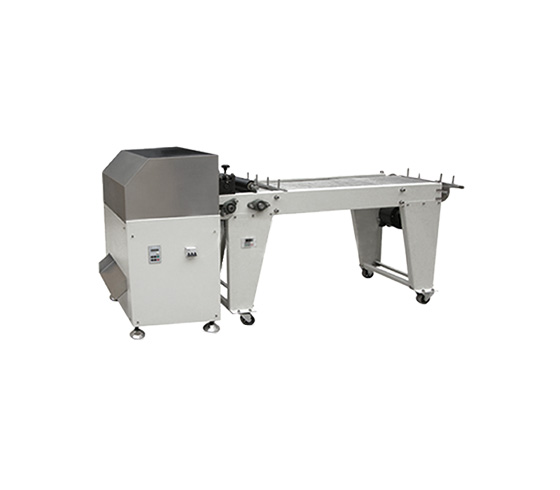
Elevator: Conveys materials to the next process step.
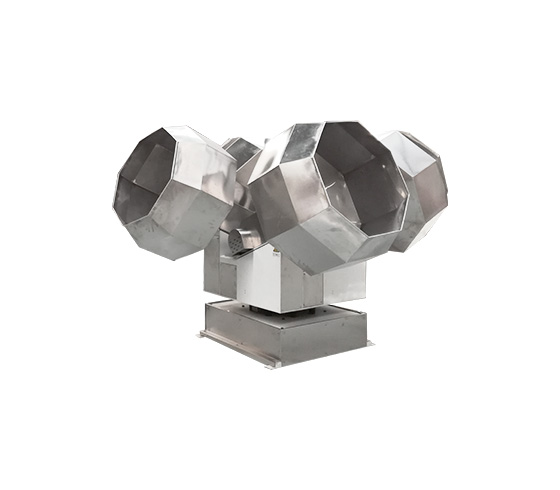
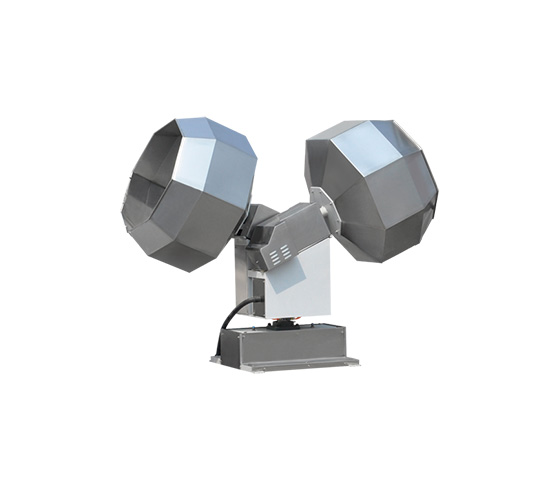
Seasoning Line: Equipped with manual star anise buckets, oil-spraying rotary drums, and elevator-type single and double drum seasoning lines, configured according to production capacity and product characteristics.
Advantages of Pet Food Production Lines: With the development of the social economy, the continuous improvement of residents' living standards, and the rising status of pets within families, pet owners' demands for pet care are gradually shifting towards refinement and scientific approaches, placing higher requirements on the quality and healthiness of pet food.Pet owners are willing to pay higher prices for pet food made with higher-quality, healthier, and even customized ingredients.Our company's pet food production equipment is fully equipped, highly versatile, and supports customized manufacturing, making it an ideal choice for investment by large, medium, and small enterprises.
What conditions should be considered during implementation or selection?
First, it is essential to clarify the product type, raw material state, formulation direction, and expected finished product requirements.For projects involving extrusion, forming, drying, frying, conveying, seasoning, or packaging, the processing capacity and cycle time of each stage must be matched to avoid discrepancies between individual equipment capacity and the overall line requirements.
Secondly, the installation plan should be evaluated in conjunction with the workshop's spatial layout and utility conditions, including power supply, water supply, steam, or gas.Equipment configuration should also take into account long-term operational factors such as cleaning, maintenance, safety protection, spare parts supply, and operator training.Any process or equipment capabilities mentioned in this document are for reference only in the context of solution discussions and preliminary assessments.Specific model numbers, power ratings, production capacities, temperatures, and times shall be subject to the formal technical proposal and the results of trial runs or on-site verification.
Frequently Asked Questions
Can the equipment be determined directly based on the standard configuration?
Not recommended.Different raw materials, product structures, target production capacities, and downstream processes can affect the equipment configuration.It is more prudent to confirm the product and process conditions before proceeding with the configuration assessment.
How to obtain more targeted advice?
It is recommended to prepare product images or sample information, raw material and formulation guidelines, target production capacity, existing workshop conditions, and planned downstream equipment configurations.Dayi Machinery can further discuss the applicable process routes and equipment configuration options based on this.
This article is compiled based on the "Market Advantages of Pet Food Production Lines" document provided by Dayi Machinery, with the aim of helping readers understand the relevant topics.For technical requirements related to specific projects, please refer to the actual product documentation and engineering confirmation results.