Common Food Drying Equipment

Published:2026-07-18

Common food drying equipment involves process, selection, or operational management issues related to food processing and production equipment.The actual solution should be confirmed based on raw material characteristics, target product specifications, production scale, and on-site conditions, and should not be determined solely by single equipment parameters.

Key Points of Common Food Drying Equipment

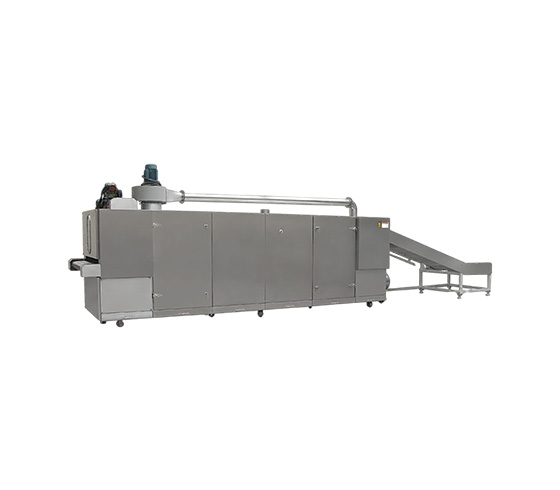
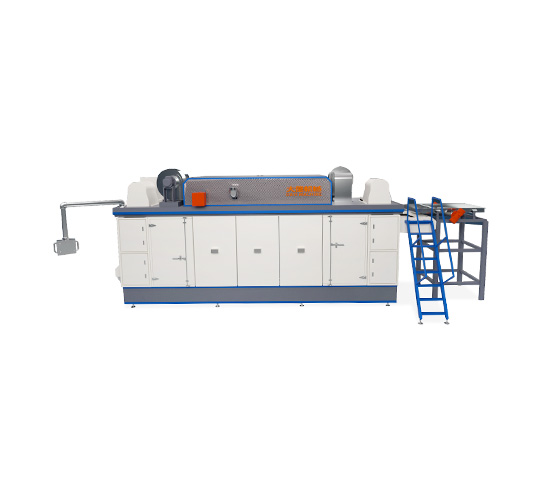
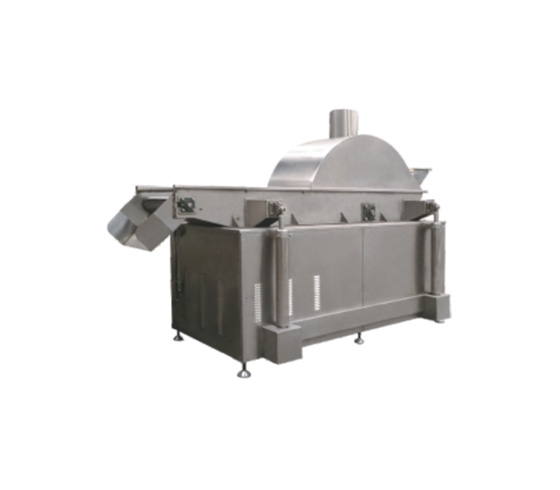
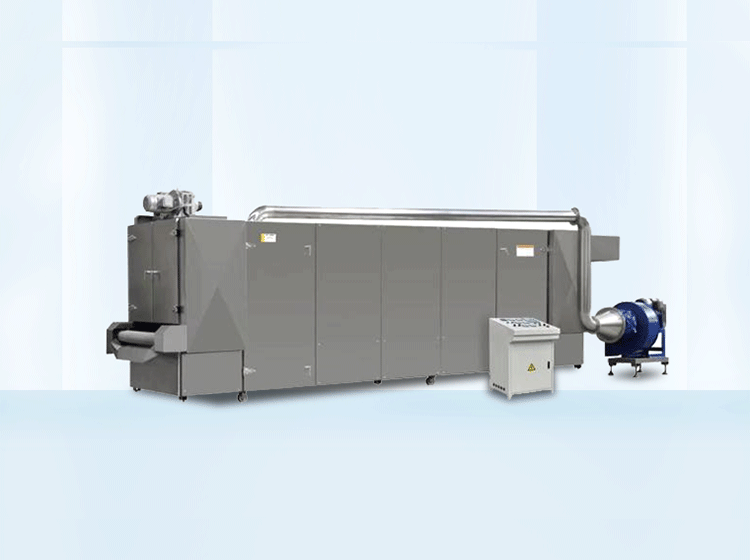
Subject: Common Food Drying Equipment;Food Drying: Food drying equipment is a device used for the dehydration and drying of food products.Its applications include fruits, nuts, raisins, and other dried goods, as well as vegetables (such as dried Chinese cabbage, seaweed, etc.).The various dehydrated foods encountered in daily life are essentially processed using this type of equipment.

Subject: Common Food Drying Equipment;Types of Food Drying Equipment: In addition to natural air-drying, food can be dried using coal-fired boilers, electric heating, and other methods.Although these traditional drying methods do not directly pollute the environment during the drying process, their operating costs are relatively high.With the continuous advancement of heat pump technology, it is increasingly being applied in the field of food drying.Heat pump drying equipment has gained widespread adoption in food processing because it provides a heat source during the drying process without the need to burn fuel.

Subject: Common Food Drying Equipment;Heat Pump Food Dryer: Heat pump food drying equipment dries food based on the reverse Carnot cycle principle.During operation, the evaporator absorbs heat from the ambient air, which is then compressed by the compressor into a high-temperature, high-pressure gas.Subsequently, the gas enters the condenser to release heat, thereby achieving the heating and drying of the food.The aforementioned thermodynamic cycle constitutes the core operating principle of heat pump food drying equipment.

Subject: Common Food Drying Equipment;Classification of Food Drying Equipment Specifications: Food drying equipment is mainly categorized into large-scale and small-scale equipment based on size.Large-scale equipment typically consists of a main unit and a drying chamber, making it suitable for high-volume drying operations. For example, large-scale fish drying utilizes this type of large food dryer.;Small-scale food drying equipment can generally process 150–300 jin of material and is powered by a standard household 220V supply.Based on parameter calculations and actual drying test data, the equipment consumes less than 2 kWh of electricity per hour during operation, with a drying temperature reaching up to 80°C, which is sufficient to meet the process requirements for daily food drying.

What conditions should be considered during implementation or selection?

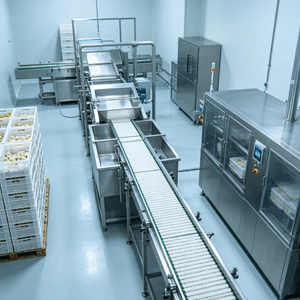
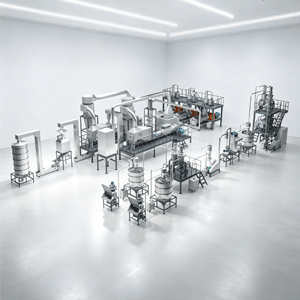
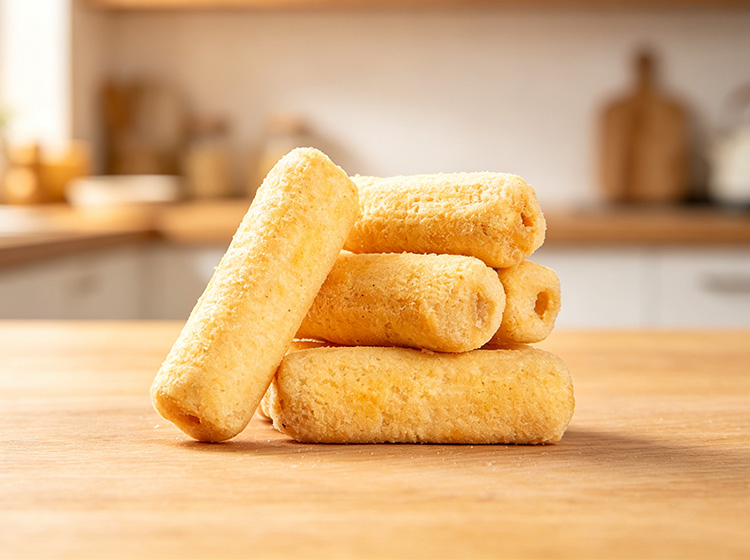
First, it is essential to clarify the product type, raw material state, formulation direction, and expected finished product requirements.For projects involving extrusion, forming, drying, frying, conveying, seasoning, or packaging, the processing capacity and cycle time of each stage must be matched to avoid discrepancies between individual equipment capacity and the overall line requirements.

Secondly, the installation plan should be evaluated in conjunction with the workshop's spatial layout and utility conditions, including power supply, water supply, steam, or gas.Equipment configuration should also take into account long-term operational factors such as cleaning, maintenance, safety protection, spare parts supply, and operator training.Any process or equipment capabilities mentioned in this document are for reference only in the context of solution discussions and preliminary assessments.Specific model numbers, power ratings, production capacities, temperatures, and times shall be subject to the formal technical proposal and the results of trial runs or on-site verification.

Frequently Asked Questions

Can the equipment be determined directly based on the standard configuration?

Not recommended.Different raw materials, product structures, target production capacities, and downstream processes can affect the equipment configuration.It is more prudent to confirm the product and process conditions before proceeding with the configuration assessment.

How to obtain more targeted advice?

It is recommended to prepare product images or sample information, raw material and formulation guidelines, target production capacity, existing workshop conditions, and planned downstream equipment configurations.Dayi Machinery can further discuss the applicable process routes and equipment configuration options based on this.

This article is compiled based on the "Common Food Drying Equipment" materials provided by Dayi Machinery, with the aim of helping readers understand the relevant topics.For technical requirements related to specific projects, please refer to the actual product documentation and engineering confirmation results.