The performance characteristics of food drying equipment involve process, selection, and operational management issues related to food processing and production equipment.The actual solution should be confirmed based on raw material characteristics, target product specifications, production scale, and on-site conditions, and should not be determined solely by single equipment parameters.
Key Performance Features of Food Drying Equipment
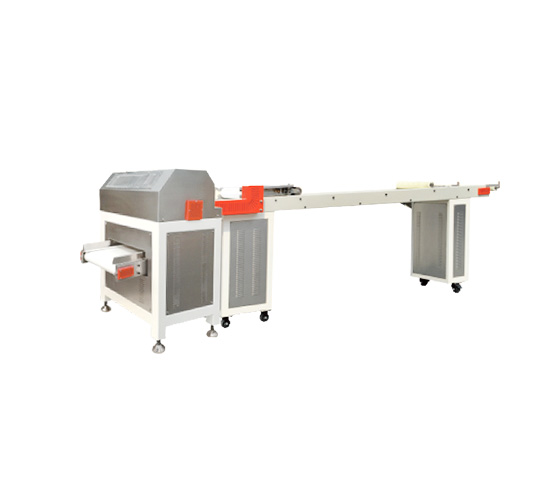
The food dryer is a versatile, commonly used continuous drying equipment that can be widely applied in industries such as chemicals, food, pharmaceuticals, building materials, and electronics, and is particularly suitable for drying flake, strip, and granular materials.Filter cake-like paste materials can also be dried through granulators or extrusion forming machines.
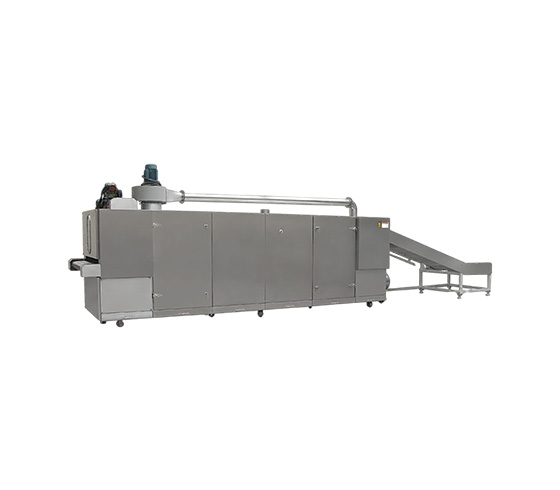
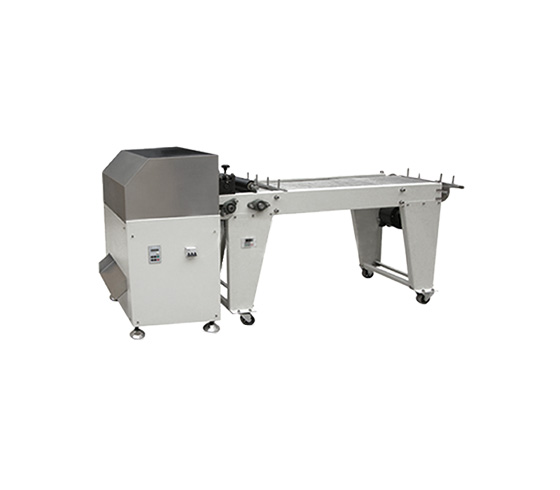
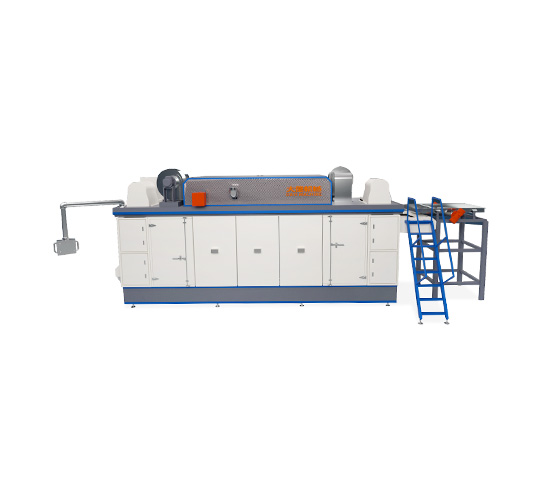
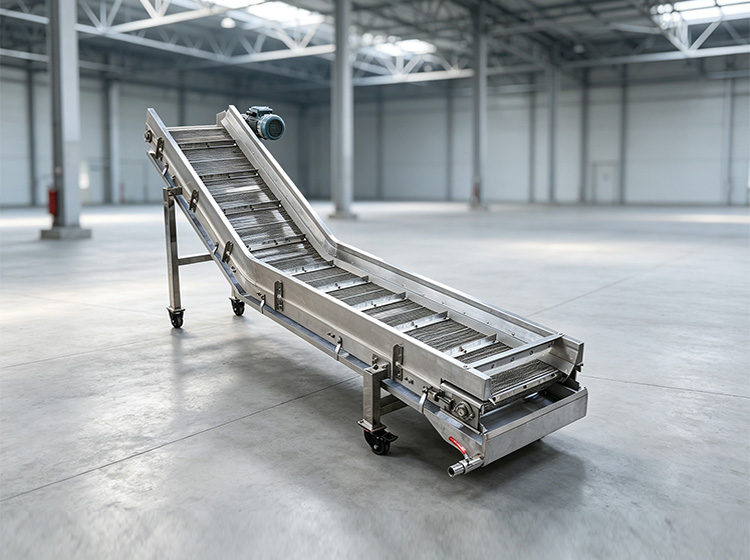
This dryer, also known as a belt dryer, distributes the material to be processed onto the conveyor belt via appropriate mechanisms such as a star-shaped distributor, a swing-box distributor, a crusher, or a granulator.The conveyor belt passes through one or more heating unit channels, each equipped with an air heating and circulation system, and each channel is provided with one or more dehumidification systems.When the conveyor belt is in operation, hot air passes through the material on the belt from top to bottom or from bottom to top, ensuring uniform heating and drying of the material.
The large-scale food dryer is a specialized equipment developed on the basis of the traditional belt dryer, featuring strong targeting, high practicality, and high energy efficiency ratio. It is widely used for the dehydration and drying of various regional and seasonal fruits and vegetables.Based on the drying characteristics of the products and users' process requirements, and drawing on decades of accumulated experience, we design the most suitable, high-quality vegetable drying equipment for our customers.The following are the performance features of large-scale food dryers:
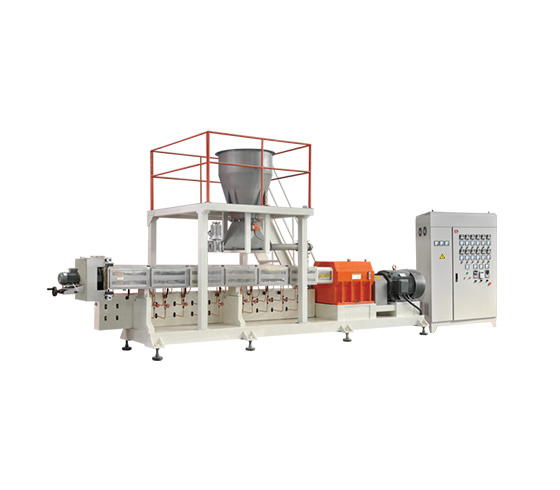
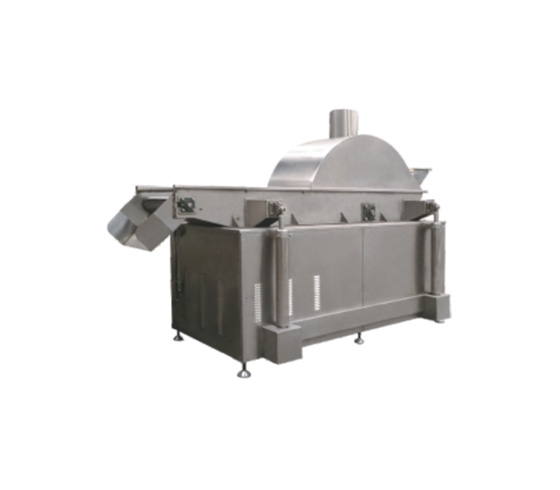
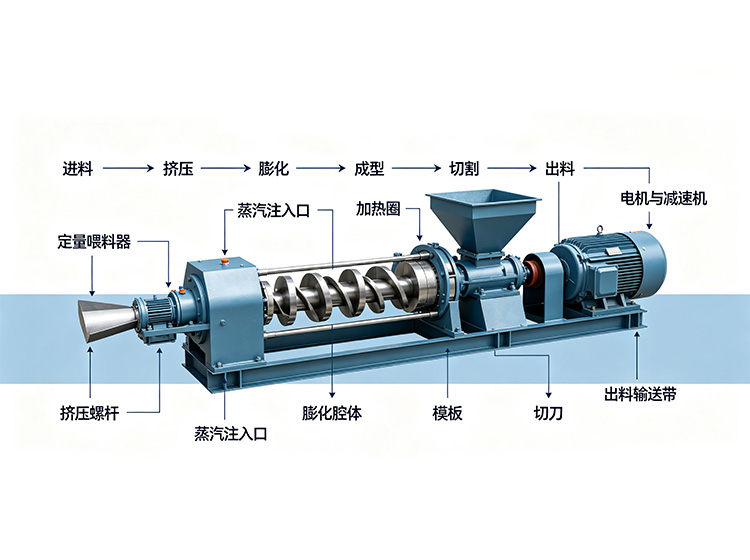
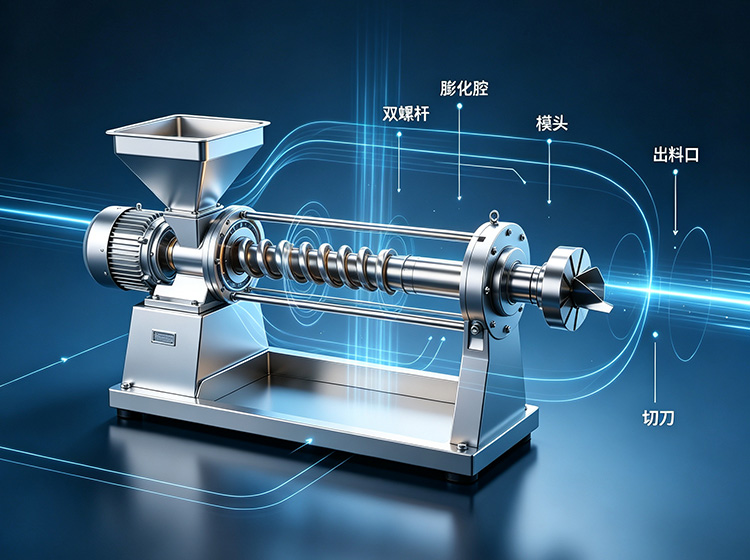
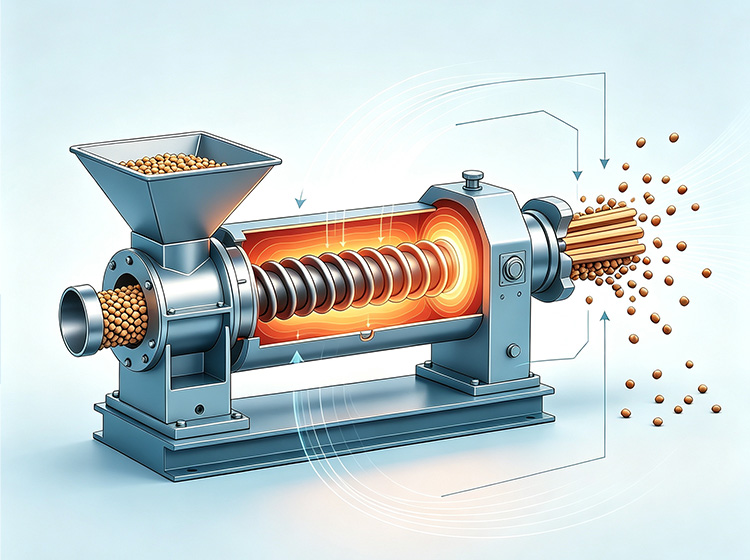
Subject: Performance Characteristics of Food Drying Equipment;Equipment Structure: The food dryer consists of a horizontal cylinder, exhaust pipe, feeding device, discharging device, internal spiral device, cleaning device, guide plate, air guide device, transmission device, dust removal device, and electrical control device.
Subject: Performance Characteristics of Food Drying Equipment;Equipment Structure: The large-scale food dryer is a specialized equipment developed on the basis of the traditional belt dryer.
Subject: Performance Characteristics of Food Drying Equipment;Performance Features: Solves the problem in traditional food dryers where, during co-current moisture discharge, the direction of material movement aligns with the system's temperature gradient, causing water vapor to condense and reabsorb into the material.2. During the drying process, hot air flows from the tail end toward the front, making full contact with the material and efficiently utilizing heat transfer through conduction, convection, and radiation.3. Thermal energy is directly transferred to the material, causing continuous evaporation of moisture within the dryer drum. The large volume of humid air introduced by the inlet system effectively prevents secondary pollution caused by dust emissions.
What conditions should be considered during implementation or selection?
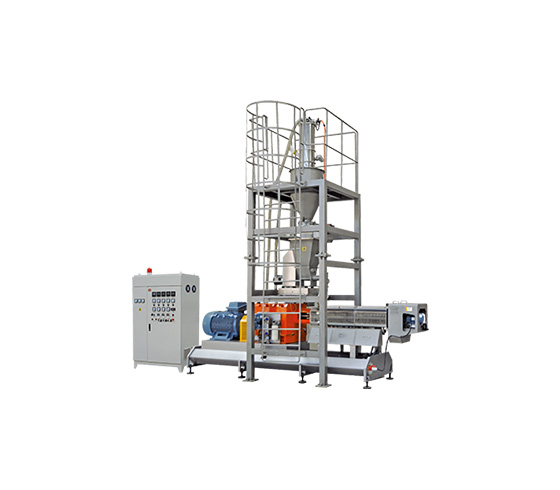
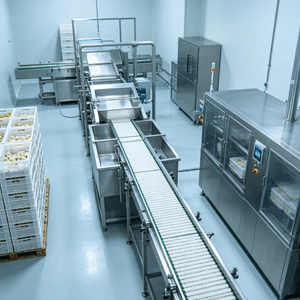
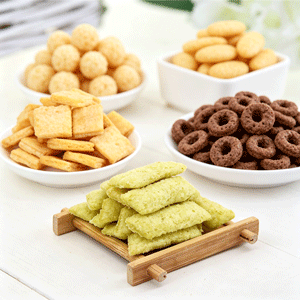
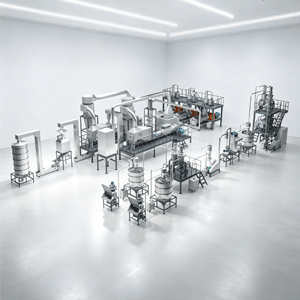
First, it is essential to clarify the product type, raw material state, formulation direction, and expected finished product requirements.For projects involving extrusion, forming, drying, frying, conveying, seasoning, or packaging, the processing capacity and cycle time of each stage must be matched to avoid discrepancies between individual equipment capacity and the overall line requirements.
Secondly, the installation plan should be evaluated in conjunction with the workshop's spatial layout and utility conditions, including power supply, water supply, steam, or gas.Equipment configuration should also take into account long-term operational factors such as cleaning, maintenance, safety protection, spare parts supply, and operator training.Any process or equipment capabilities mentioned in this document are for reference only in the context of solution discussions and preliminary assessments.Specific model numbers, power ratings, production capacities, temperatures, and times shall be subject to the formal technical proposal and the results of trial runs or on-site verification.
Frequently Asked Questions
Can the equipment be determined directly based on the standard configuration?
Not recommended.Different raw materials, product structures, target production capacities, and downstream processes can affect the equipment configuration.It is more prudent to confirm the product and process conditions before proceeding with the configuration assessment.
How to obtain more targeted advice?
It is recommended to prepare product images or sample information, raw material and formulation guidelines, target production capacity, existing workshop conditions, and planned downstream equipment configurations.Dayi Machinery can further discuss the applicable process routes and equipment configuration options based on this.
This article is compiled based on the document "Performance Characteristics of Food Drying Equipment" provided by Dayi Machinery, with the aim of helping readers understand the relevant topics.For technical requirements related to specific projects, please refer to the actual product documentation and engineering confirmation results.