The Importance of Pet Food Safety

Published:2026-07-18

Pet food safety requires attention to issues related to the process, equipment selection, and operational management of food processing and production equipment.The actual solution should be confirmed based on raw material characteristics, target product specifications, production scale, and on-site conditions, and should not be determined solely by single equipment parameters.

Key Points of Core Importance for Pet Food Safety

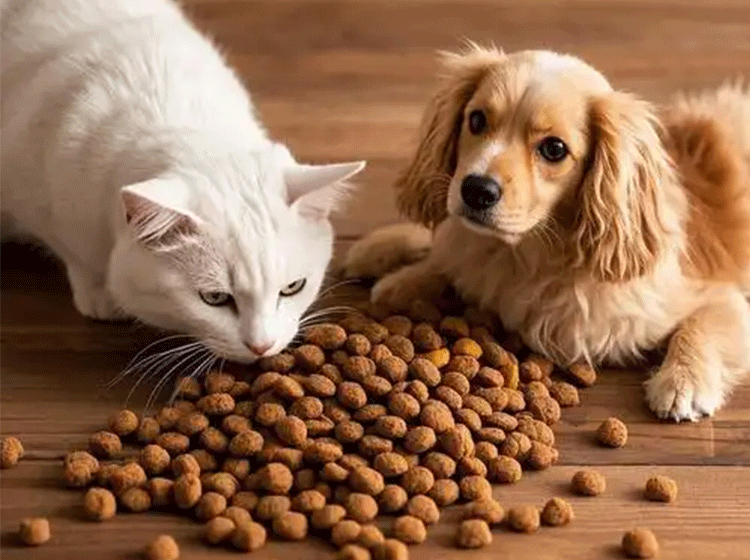
A healthy and balanced diet is important for everyone, and our pets are no exception.When purchasing, preparing, and storing human food, we carefully consider handling methods to prevent issues such as contamination, unsealed containers, unsanitary environments, and food spoilage.However, do you often apply the same standards to your pets' food?

Commercially produced pet food is one of the most strictly regulated and tested food categories, and must comply with local and government standards, including obtaining approval from agencies such as the U.S. Food and Drug Administration (FDA).

However, recent media reports indicate that a certain U.S. pet food brand has caused the deaths of more than 70 dogs and made more than 80 dogs ill.The cause of illness or even death in pets is likely the ingestion of deadly toxins produced by mold.

As living standards improve and household sizes shrink, more and more people are bringing pets into their lives, and pet consumption has grown into a significant market.According to projections by growth consulting firm Frost & Sullivan, China's pet population grew from 189.6 million in 2014 to 302.1 million in 2019, and is expected to further increase to 445.5 million by 2024. The compound annual growth rate (CAGR) from 2019 to 2024 is approximately 8.1%, indicating significant growth potential in the pet market.

Accordingly, the market size of China's pet industry exceeded US$20 billion in 2019 and is projected to grow rapidly over the next five years at a compound annual growth rate of up to 17.0%.However, as the number of pets increases, pet food safety issues have gradually become an issue that cannot be ignored.

Amid the rapid growth of the pet economy, although regulatory documents such as the Measures for the Administration of Pet Feed have promoted the healthy and orderly development of the pet food industry to some extent, pet food safety incidents still occur from time to time.

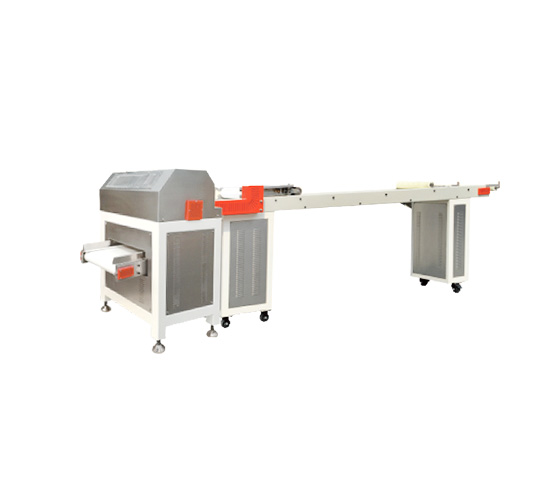
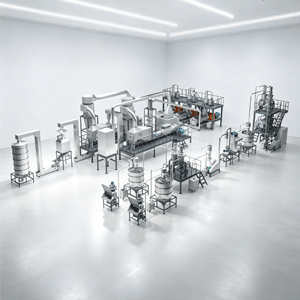
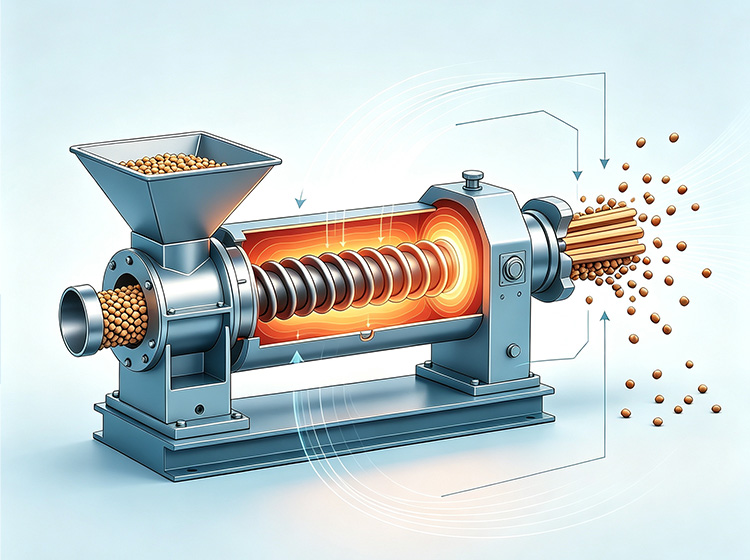
Pet food manufacturers bear the greatest responsibility for ensuring pet food safety.The current pet market offers considerable benefits, attracting numerous businesses and resulting in uneven quality of pet food products.To produce high-quality, delicious pet food, high-grade pet food machinery is indispensable, and hardware assurance must be the primary consideration.Next is the use of raw materials and formulations.How many unscrupulous merchants compromise on raw materials to boost gross margins, thereby harming consumers' interests?

What conditions should be considered during implementation or selection?

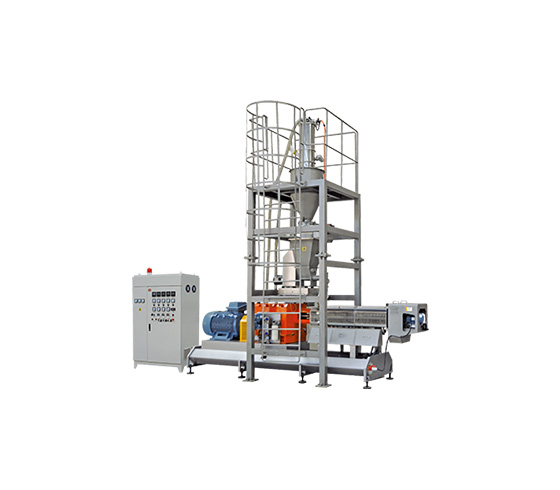
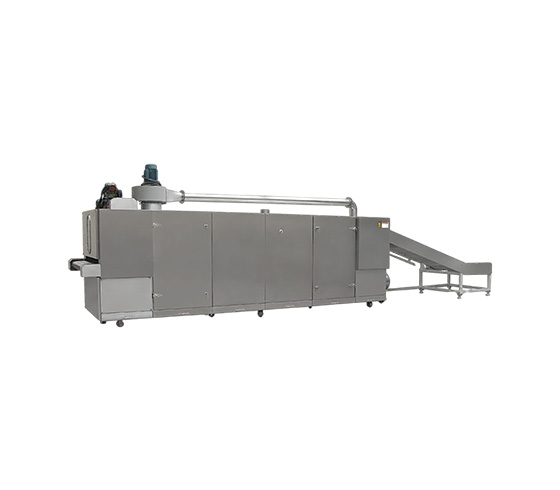
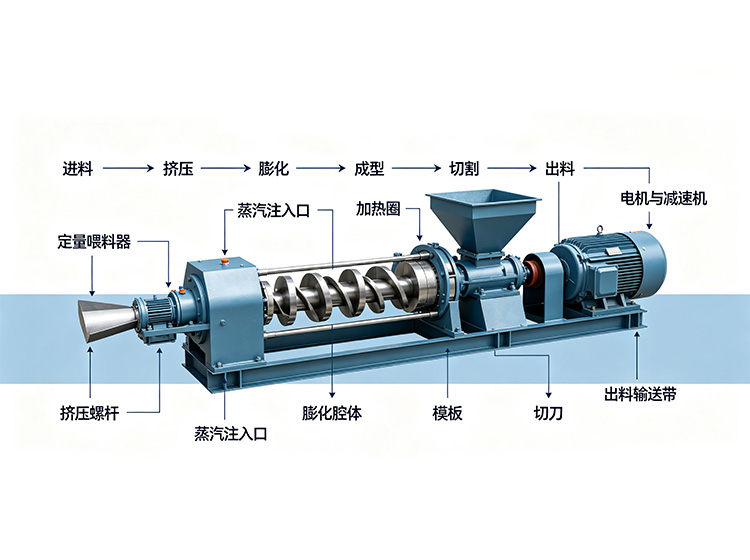
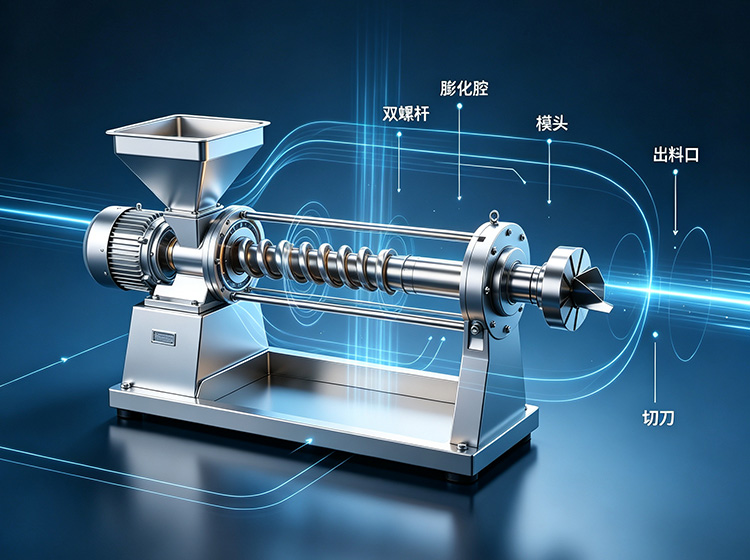
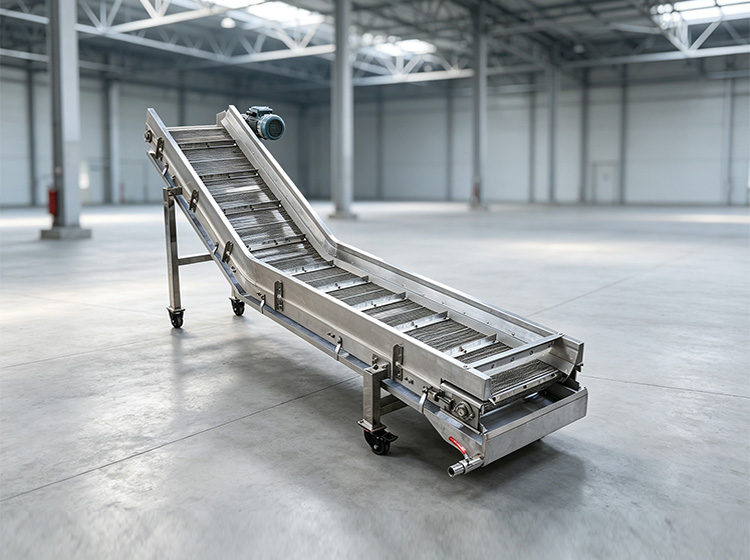
First, it is essential to clarify the product type, raw material state, formulation direction, and expected finished product requirements.For projects involving extrusion, forming, drying, frying, conveying, seasoning, or packaging, the processing capacity and cycle time of each stage must be matched to avoid discrepancies between individual equipment capacity and the overall line requirements.

Secondly, the installation plan should be evaluated in conjunction with the workshop's spatial layout and utility conditions, including power supply, water supply, steam, or gas.Equipment configuration should also take into account long-term operational factors such as cleaning, maintenance, safety protection, spare parts supply, and operator training.Any process or equipment capabilities mentioned in this document are for reference only in the context of solution discussions and preliminary assessments.Specific model numbers, power ratings, production capacities, temperatures, and times shall be subject to the formal technical proposal and the results of trial runs or on-site verification.

Frequently Asked Questions

Can the equipment be determined directly based on the standard configuration?

Not recommended.Different raw materials, product structures, target production capacities, and downstream processes can affect the equipment configuration.It is more prudent to confirm the product and process conditions before proceeding with the configuration assessment.

How to obtain more targeted advice?

It is recommended to prepare product images or sample information, raw material and formulation guidelines, target production capacity, existing workshop conditions, and planned downstream equipment configurations.Dayi Machinery can further discuss the applicable process routes and equipment configuration options based on this.

This article is compiled based on the materials provided by Dayi Machinery, titled “Pet Food Safety Requires Attention,” with the aim of helping readers understand the relevant topics.For technical requirements related to specific projects, please refer to the actual product documentation and engineering confirmation results.