Extruded food machinery and equipment and the market involve issues related to the process, selection, or operational management of food processing and production equipment.The actual solution should be confirmed based on raw material characteristics, target product specifications, production scale, and on-site conditions, and should not be determined solely by single equipment parameters.
Key Points on Expanded Food Machinery and the Market
Puffed foods are distinctive.With its fresh, crispy texture, portability, wide variety of raw materials, and diverse flavors, it has become one of consumers' preferred food choices.
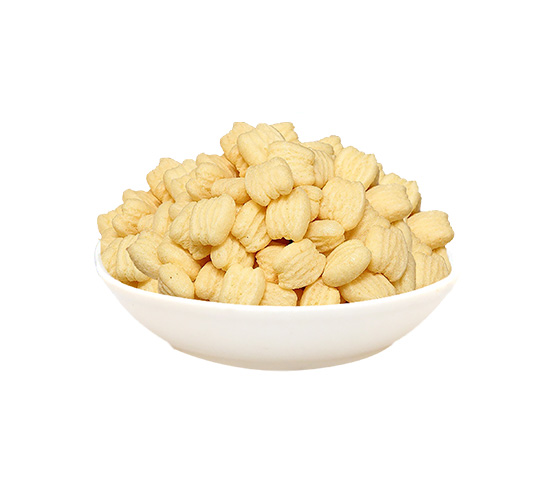
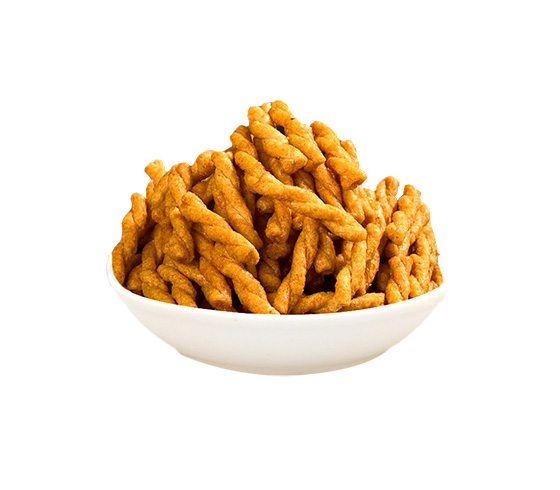
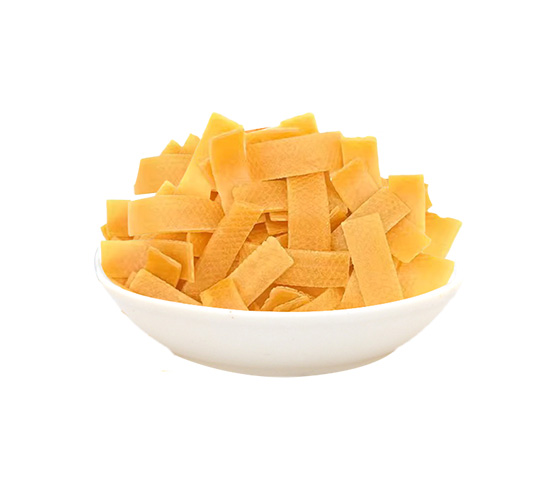
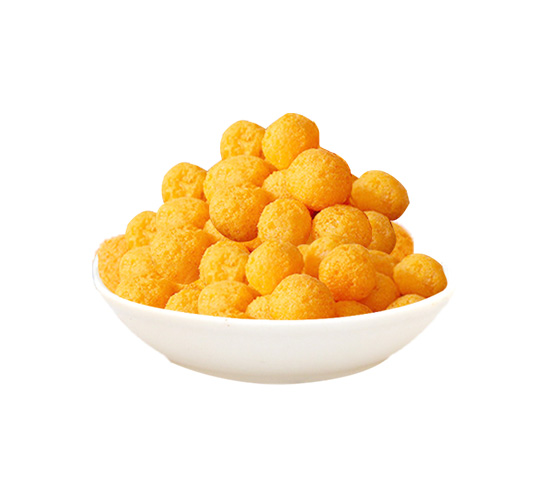
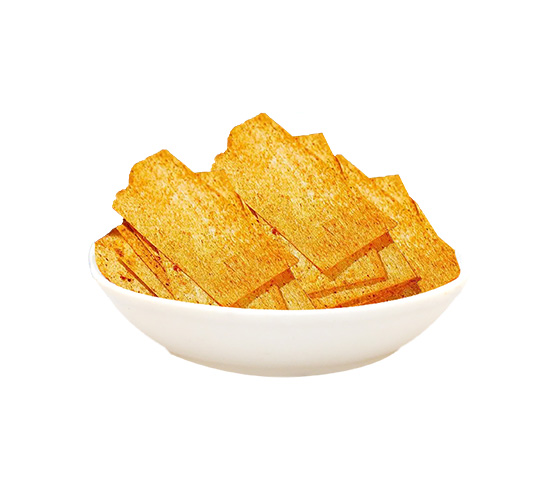
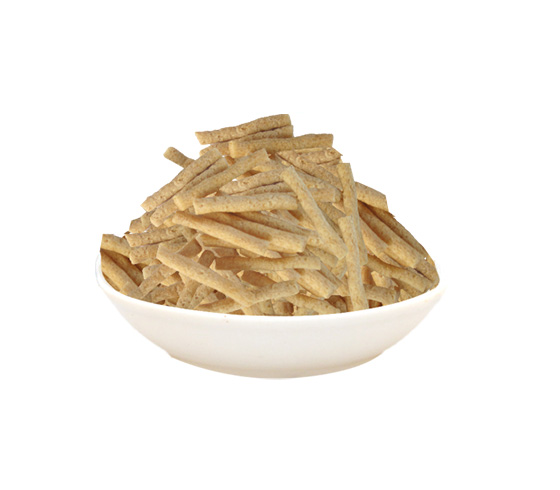
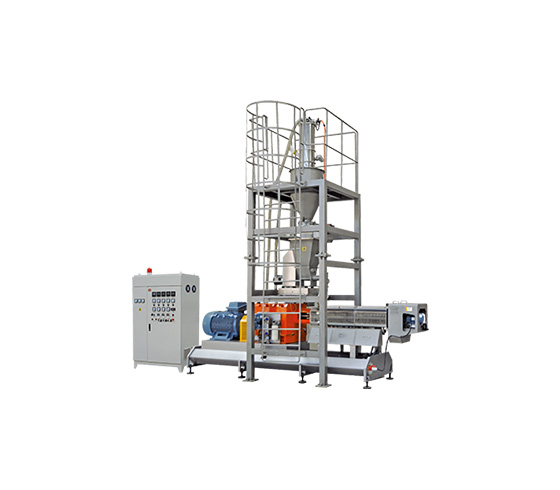
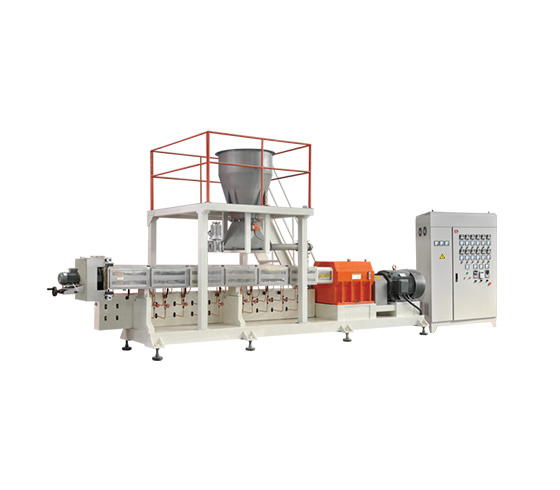
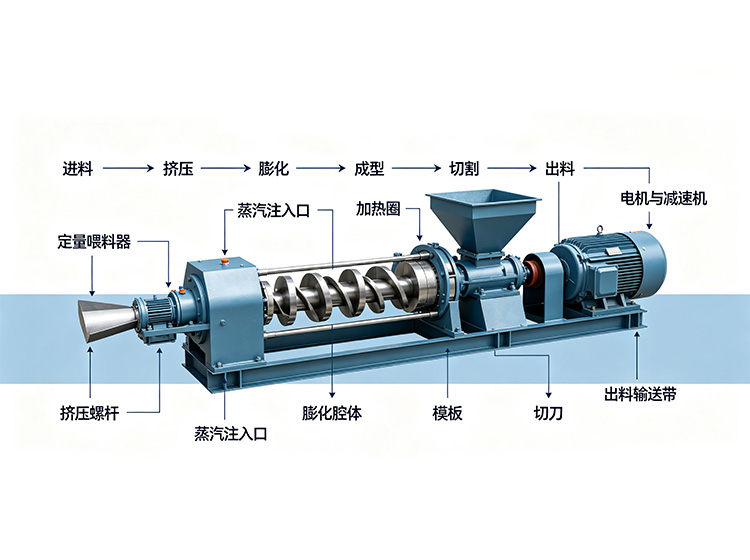
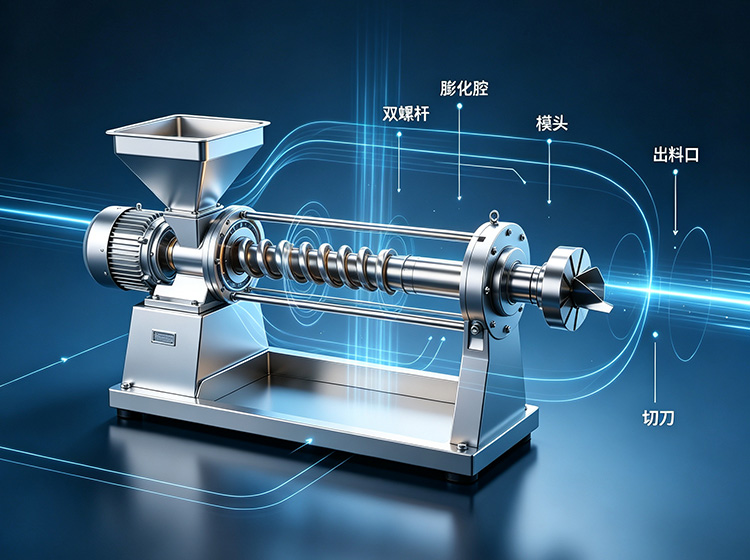
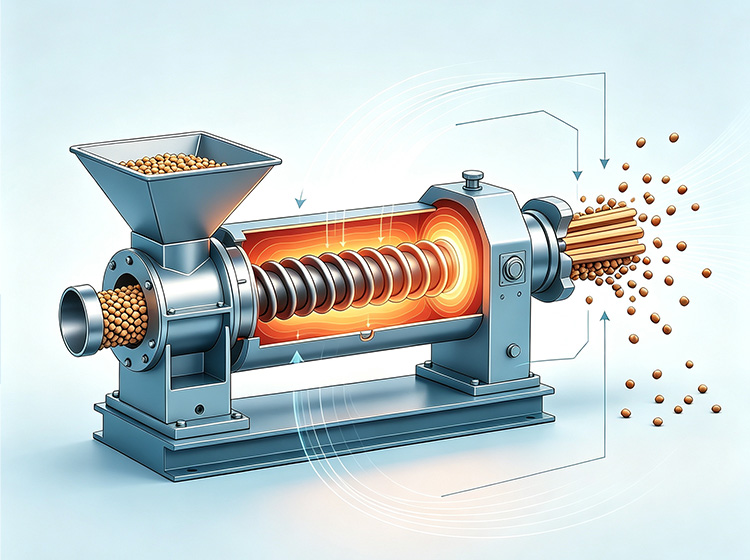
Subject: Extruded Food Machinery and Equipment and Market;Classification of extruders: Based on application and equipment, puffed food products are mainly divided into three categories. The first category consists of small snack foods produced using extrusion puffing machines, with raw materials such as corn and sweet potatoes.The second category consists of textured protein foods (meat analogs) produced using extruders, with plant proteins as the raw material.The third category consists of staple foods made from cereals, legumes, and tubers through extrusion processing.In addition to the trial production of indirect-heating extruders, various puffed foods were also produced using refined-culture puffed powder.
Subject: Extruded Food Machinery and Equipment and Market;Extrusion puffing machines should meet market demands: (1) scalability.The equipment used by China's puffed food processing enterprises is mainly divided into three scales: large, medium, and small.In accordance with national industrial policies and development requirements, the focus is on developing medium- and large-scale production facilities, while small-scale enterprises must ensure their own survival in accordance with market economic principles.However, the snack food machinery manufacturing industry in China primarily produces small-scale equipment, with large-scale complete sets still heavily reliant on imports.
Subject: Extruded Food Machinery and Equipment and Market;Extrusion puffing machines should meet market demands: (2) Safety and applicability.The feasibility of safety applications covers three aspects: mechanical safety, production safety, and food safety in the processing of extruded foods.First is mechanical safety, meaning the machine must not cause harm to personnel and should minimize mechanical hazards to the greatest extent possible.Secondly, production safety: production and industrial hygiene conditions must be sufficient to ensure the safety and health of workers during the production process.In terms of management, production processes, and equipment operation, safety behavioral standards for personnel and the material conditions for safe production shall be specified.Third is food safety. Pet food production equipment primarily involves aspects related to food hygiene, food quality, and food nutrition.
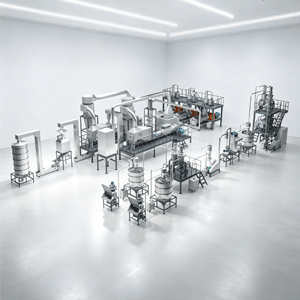
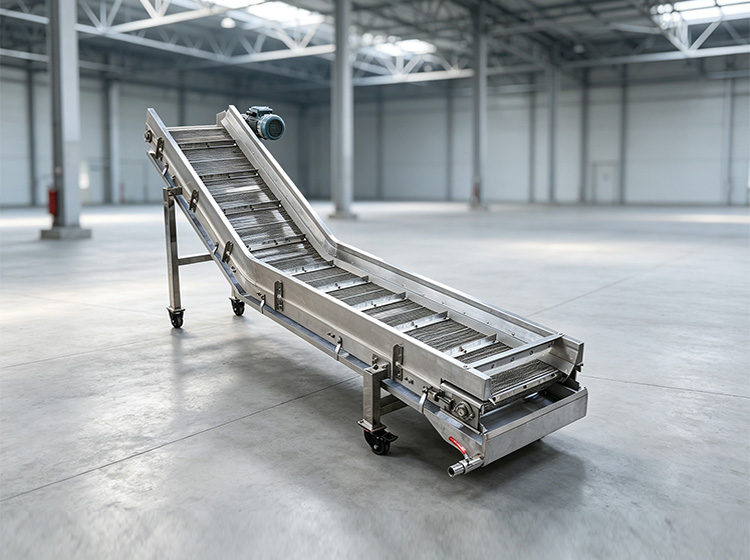
Subject: Extruded Food Machinery and Equipment and Market;Extrusion puffing machines should adapt to market demands: (3) the applicability of complete sets of equipment.In industrial food processing, most equipment does not operate independently but works in coordination with production lines.Therefore, comprehensive applicability is a critical factor in ensuring continuous operation, balanced production, processing performance, and product quality.It is key to achieving an optimal economic scale, meeting engineering and technical requirements, and ensuring proper matching among equipment. This facilitates the normal operation, safety, hygiene, and energy-saving maintenance of the production line, thereby ensuring that the production line equipment adheres to the principles of being advanced, rational, and reliable.
Subject: Extruded Food Machinery and Equipment and Market;Extrusion puffing machines should meet market demands: (4) Hygienic applicability.The requirements for mechanical structure in the design and manufacturing of puffed food machinery mainly include hygiene requirements such as the structural materials, surface finish, cleanliness, durability, and inspection of product-contact and non-product-contact surfaces.For the mechanical structure of food machinery, critical control points for hygienic risks should be identified, and appropriate measures should be implemented to ensure that the mechanical structure meets hygienic requirements.
What conditions should be considered during implementation or selection?
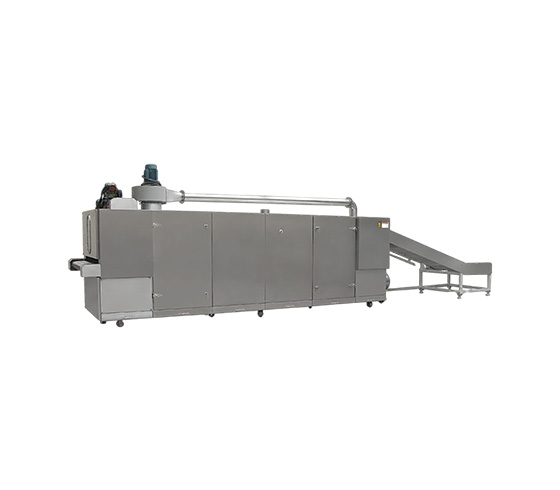
First, it is essential to clarify the product type, raw material state, formulation direction, and expected finished product requirements.For projects involving extrusion, forming, drying, frying, conveying, seasoning, or packaging, the processing capacity and cycle time of each stage must be matched to avoid discrepancies between individual equipment capacity and the overall line requirements.
Secondly, the installation plan should be evaluated in conjunction with the workshop's spatial layout and utility conditions, including power supply, water supply, steam, or gas.Equipment configuration should also take into account long-term operational factors such as cleaning, maintenance, safety protection, spare parts supply, and operator training.Any process or equipment capabilities mentioned in this document are for reference only in the context of solution discussions and preliminary assessments.Specific model numbers, power ratings, production capacities, temperatures, and times shall be subject to the formal technical proposal and the results of trial runs or on-site verification.
Frequently Asked Questions
Can the equipment be determined directly based on the standard configuration?
Not recommended.Different raw materials, product structures, target production capacities, and downstream processes can affect the equipment configuration.It is more prudent to confirm the product and process conditions before proceeding with the configuration assessment.
How to obtain more targeted advice?
It is recommended to prepare product images or sample information, raw material and formulation guidelines, target production capacity, existing workshop conditions, and planned downstream equipment configurations.Dayi Machinery can further discuss the applicable process routes and equipment configuration options based on this.
This article is compiled based on the materials provided by Dayi Machinery, titled "Extruded Food Machinery Equipment and Market," with the aim of helping readers understand the relevant topics.For technical requirements related to specific projects, please refer to the actual product documentation and engineering confirmation results.