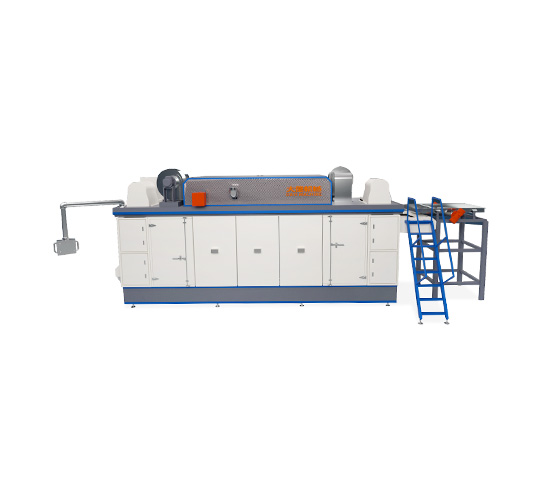
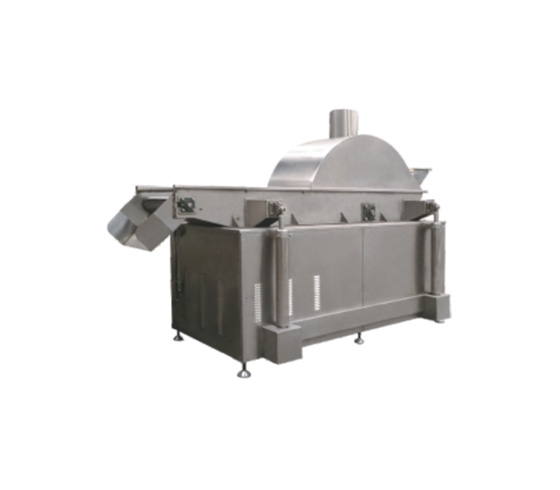
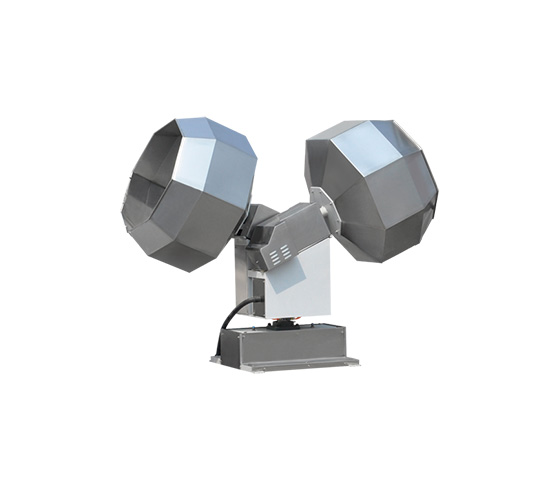
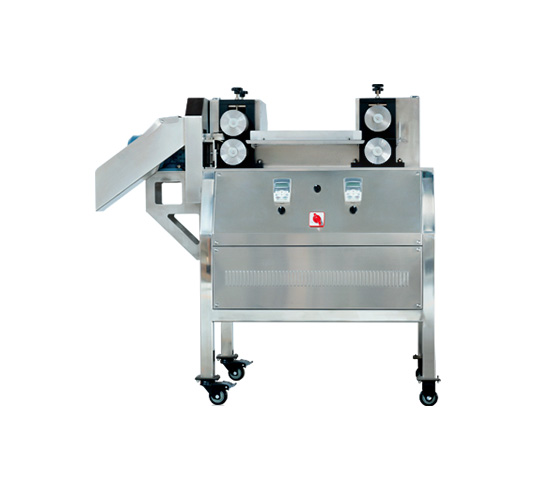
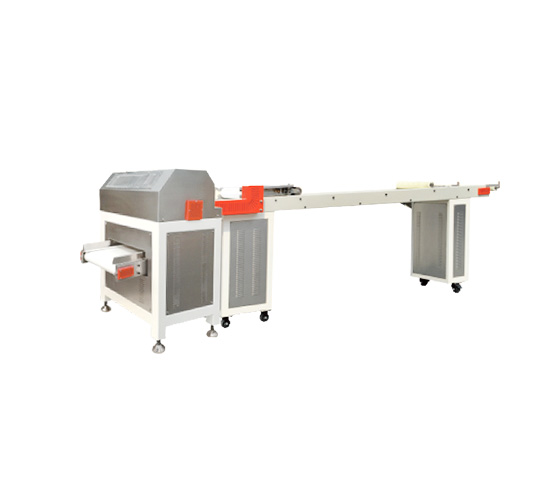
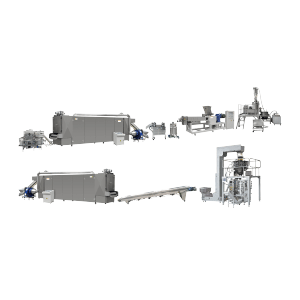
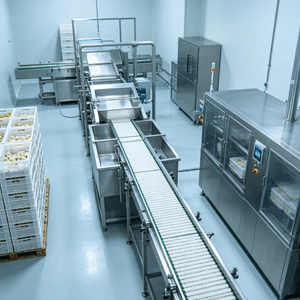
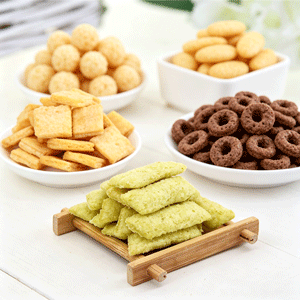
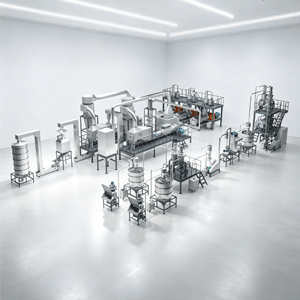
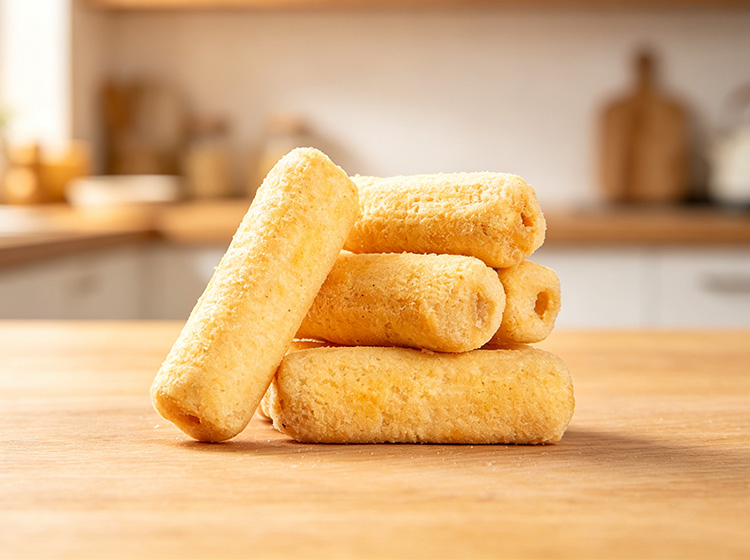
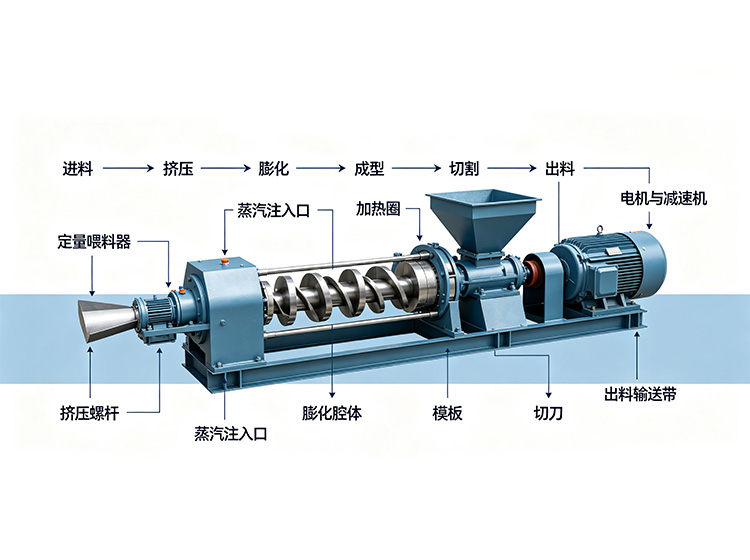
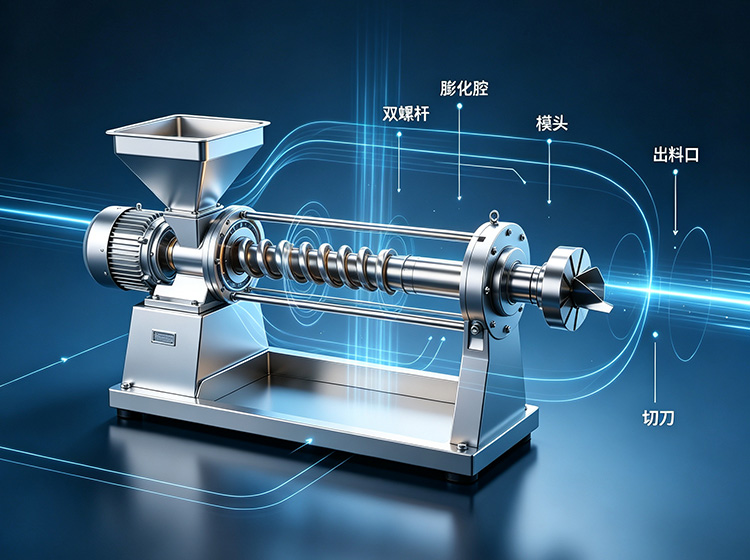
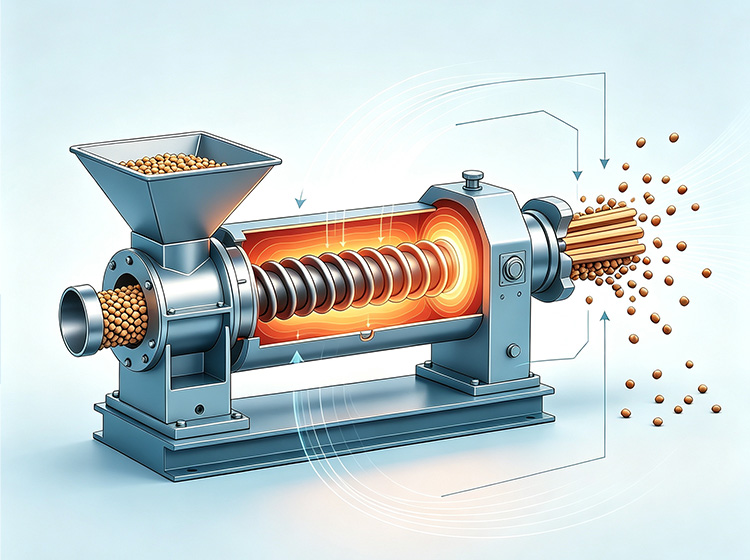
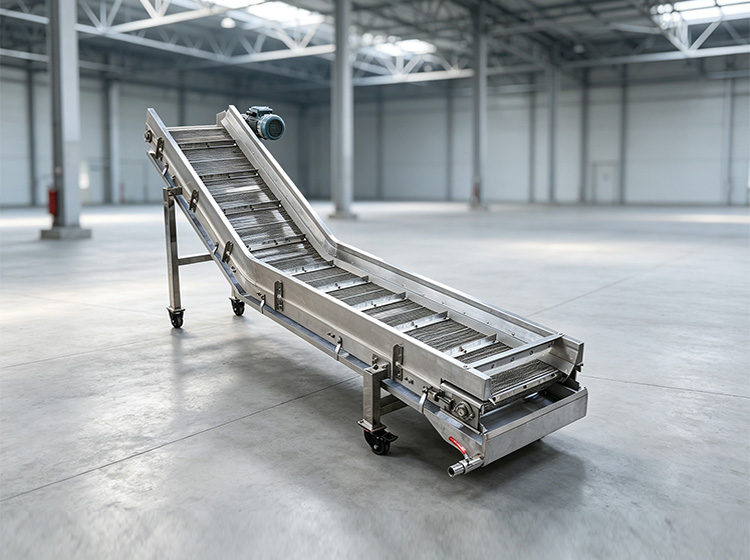
The safety assurance of food production lines involves process, equipment selection, or operational management issues related to food processing and production equipment.The actual solution should be confirmed based on raw material characteristics, target product specifications, production scale, and on-site conditions, and should not be determined solely by single equipment parameters.
Key Points for Ensuring Safety in Food Production Lines
The current population is large, and market demand is high.Most enterprises adopt advanced technologies and utilize production lines for the batch production of food to achieve higher production efficiency.
When people think of production lines, their first reaction is often to associate them with industries such as metallurgy, building materials, chemicals, mining, and pharmaceuticals. It is difficult to immediately link production lines with food manufacturing.Some even question whether it is hygienic enough to produce food items, which are consumed by mouth, on assembly lines.
A portion of consumers still maintain the habit of purchasing homemade food products.These gourmet products, labeled as purely handmade, additive-free, and artisanal, have gained widespread popularity and admiration.However, the packaging of these foods often lacks a production date or expiration date.Although the food production processes are openly visible and appear clean and hygienic, many home-based workshops lack the necessary licenses, and the storage and transportation of raw materials are poorly controlled, leaving hygiene and safety issues unaddressed.
Therefore, food produced on compliant production lines gives consumers greater peace of mind.
Biscuit Production
The standard process flow for biscuit production includes seven steps: formulation of flour and auxiliary ingredients, dough mixing, sheeting, roller cutting and shaping, baking, oil spraying, and cooling of the finished product.The production line can meet high food hygiene standards.The dedicated PU conveyor belt features oil resistance, corrosion resistance, low-temperature resistance, and cut resistance, while being non-toxic, hygienic, safe, and efficient.Furthermore, biscuits are soft and fragile during production, and it is difficult to ensure consistent baking temperature, humidity, and other conditions with manual production.Therefore, the production line ensures a better taste.
Meat Production
Meat production mainly includes processes such as livestock and poultry slaughter, meat chilling, freezing and cold storage, meat cutting, meat product processing, and comprehensive utilization of by-products. Modern equipment is a key factor determining the quality of these processes.TPU conveyor belts feature low contamination, oil resistance, pressure resistance, and high quality.It ensures food safety and quality during meat processing, producing more nutritious, healthy, and pollution-free ecological meat products.
Fruit and Vegetable Processing
Fruit and vegetable processing generally includes juice processing, canned fruit and vegetable processing, dehydrated fruits and vegetables, quick-frozen fruits and vegetables, as well as storage and preservation, packaging, and logistics.The stainless steel used in the production line not only meets food hygiene standards but also offers greater durability.Suitable for a range of vegetable processing operations, including sorting, peeling, washing, drying, and cutting.This is an ideal method for vegetable processing, offering ease of operation and high production efficiency.
Food production lines are not only safe and hygienic but also more efficient and automated in their production processes, making them the preferred choice for various food processing industries.
What conditions should be considered during implementation or selection?
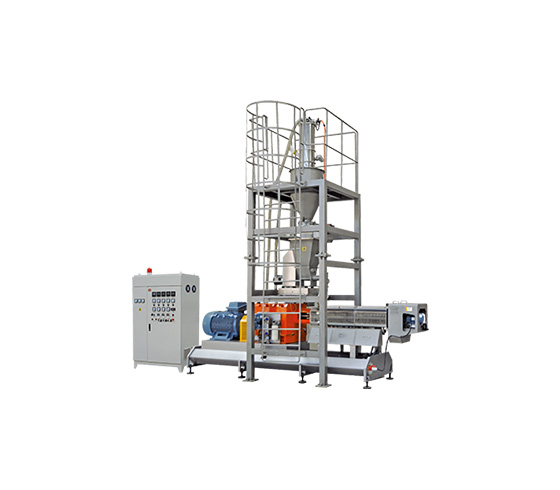
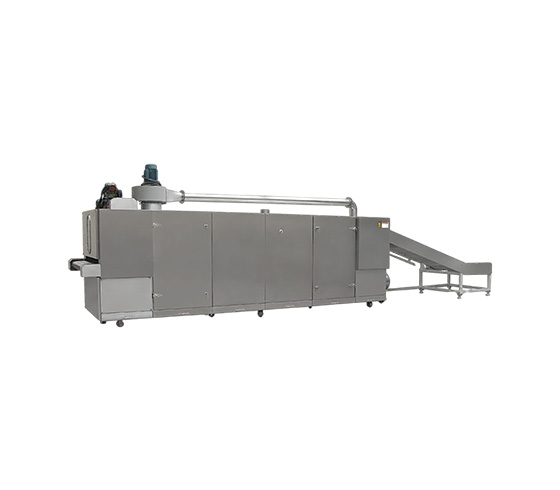
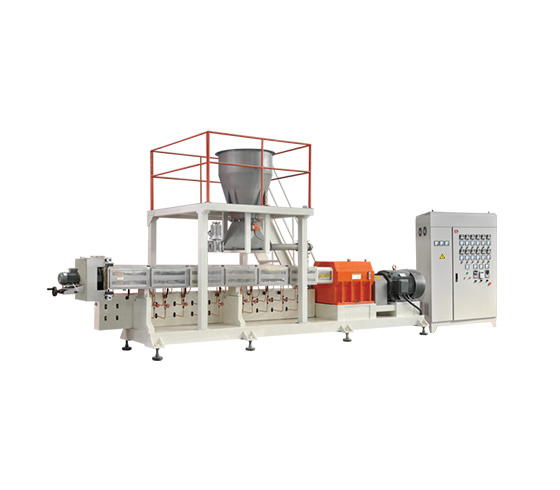
First, it is essential to clarify the product type, raw material state, formulation direction, and expected finished product requirements.For projects involving extrusion, forming, drying, frying, conveying, seasoning, or packaging, the processing capacity and cycle time of each stage must be matched to avoid discrepancies between individual equipment capacity and the overall line requirements.
Secondly, the installation plan should be evaluated in conjunction with the workshop's spatial layout and utility conditions, including power supply, water supply, steam, or gas.Equipment configuration should also take into account long-term operational factors such as cleaning, maintenance, safety protection, spare parts supply, and operator training.Any process or equipment capabilities mentioned in this document are for reference only in the context of solution discussions and preliminary assessments.Specific model numbers, power ratings, production capacities, temperatures, and times shall be subject to the formal technical proposal and the results of trial runs or on-site verification.
Frequently Asked Questions
Can the equipment be determined directly based on the standard configuration?
Not recommended.Different raw materials, product structures, target production capacities, and downstream processes can affect the equipment configuration.It is more prudent to confirm the product and process conditions before proceeding with the configuration assessment.
How to obtain more targeted advice?
It is recommended to prepare product images or sample information, raw material and formulation guidelines, target production capacity, existing workshop conditions, and planned downstream equipment configurations.Dayi Machinery can further discuss the applicable process routes and equipment configuration options based on this.
This article is compiled based on the document "Safety Assurance in Food Production Lines" provided by Dayi Machinery, with the aim of helping readers understand the relevant topics.For technical requirements related to specific projects, please refer to the actual product documentation and engineering confirmation results.