The hazards of food packaging contamination involve process, equipment selection, or operational management issues in food processing and production equipment.The actual solution should be confirmed based on raw material characteristics, target product specifications, production scale, and on-site conditions, and should not be determined solely by single equipment parameters.
Key Points on the Hazards of Food Packaging Contamination
Subject: The Hazards of Food Packaging Contamination;Biological contamination: Primarily caused by harmful microorganisms and their toxins, parasites and their eggs, and insects.Animal-derived foods such as meat, fish, eggs, and dairy are susceptible to contamination by pathogenic bacteria and their toxins, leading to bacterial food poisoning and zoonotic infectious diseases.Pathogenic microorganisms mainly originate from patients, carriers, and diseased livestock and poultry.
Subject: The Hazards of Food Packaging Contamination;Biological contamination: Radioactive contamination
Subject: The Hazards of Food Packaging Contamination;Biological contamination: The hazards to human health manifest in diverse ways.Excessive consumption of contaminated food can cause acute poisoning, i.e., food poisoning, such as bacterial food poisoning, pesticide-related food poisoning, and mycotoxin poisoning.
Subject: The Hazards of Food Packaging Contamination;Biological contamination: Chemical contamination
Subject: The Hazards of Food Packaging Contamination;Biological contamination: Contamination caused by agricultural chemicals, food additives, food packaging containers, and industrial waste, involving mercury, cadmium, lead, arsenic, cyanides, organophosphorus compounds, organochlorines, nitrites, nitrosamines, and other organic or inorganic compounds.Hazards: Formaldehyde can induce nasal cancer and blood cancer (leukemia);Volatile organic compounds such as benzene, toluene, and xylene can cause aplastic anemia and fetal malformations.Ammonia is a colorless gas with a strong, pungent odor, primarily originating from concrete antifreeze agents. In severe cases, it can cause pulmonary edema and respiratory diseases.
Subject: The Hazards of Food Packaging Contamination;Types and Risk Factors of Food Packaging Safety Hazards: Plastic Packaging and Its Hazards
Subject: The Hazards of Food Packaging Contamination;Types and Risk Factors of Food Packaging Safety Hazards: Plastic products offer numerous advantages, such as light weight, ease of transportation, good chemical stability, and ease of production, leading to their widespread application in food packaging.By adding a certain amount of antioxidants, preservatives, and other polymer additives to plastics, food can be effectively protected.However, the surface of plastic packaging easily accumulates static electricity due to friction, which attracts dust and impurities, thereby leading to food contamination.The risk of migration of unreacted free monomers such as ethylene and ethylbenzene from plastic packaging into food increases with prolonged contact time, thereby causing food contamination.Plastic packaging products that contain stabilizers and plasticizers are carcinogenic and teratogenic.The extensive use of plastic packaging also increases the pressure on post-consumer recycling and contributes to environmental pollution.
Subject: The Hazards of Food Packaging Contamination;Types and Risk Factors of Food Packaging Safety Hazards: Paper Packaging and Its Hazards
Subject: The Hazards of Food Packaging Contamination;Types and Risk Factors of Food Packaging Safety Hazards: In recent years, paper packaging has been widely used in food packaging due to its versatility in forming bags, boxes, cans, and other shapes.However, since paper packaging materials are largely derived from recycled paper or cardboard, they often harbor bacteria, chemical residues, and various impurities, thereby increasing the risk of food contamination by paper packaging.Furthermore, the whitening agents and fluorescent chemicals used in most paper-based packaging are also potential sources of food contamination.
Subject: The Hazards of Food Packaging Contamination;Types and Risk Factors of Food Packaging Safety Hazards: In fact, a wide variety of materials are used for food packaging, and the types of packaging substances that come into direct contact with food vary.When various chemical substances come into direct contact with food, substances from packaging materials may migrate into the food under specific conditions, thereby compromising food safety.According to the product notifications issued by the EU Rapid Alert System for Food and Feed (RASFF) in 2014, the food packaging safety situation is not optimistic, with the number of notifications increasing by 13% compared to the previous year.Dayi Food Machinery is committed to assuming responsibility for food safety.Safe and convenient food packaging machinery can significantly improve efficiency and reduce unnecessary material waste.Although technological progress has brought certain negative impacts to the world, only through human effort can we resolve these crises.
What conditions should be considered during implementation or selection?
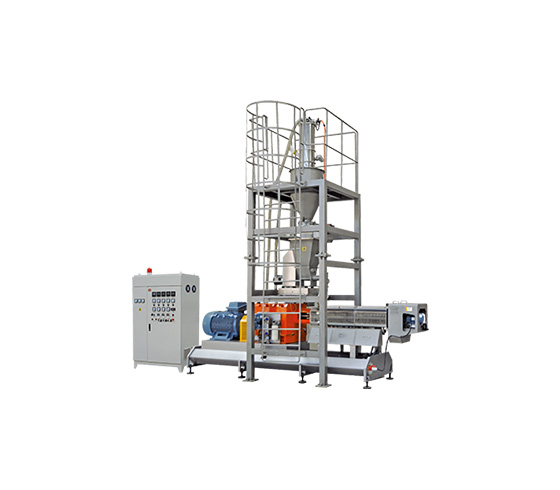
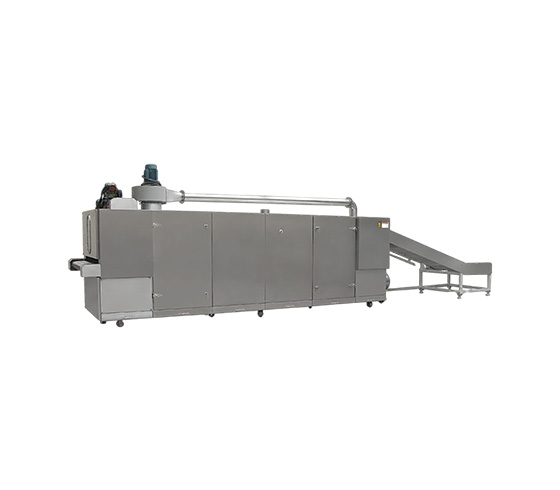
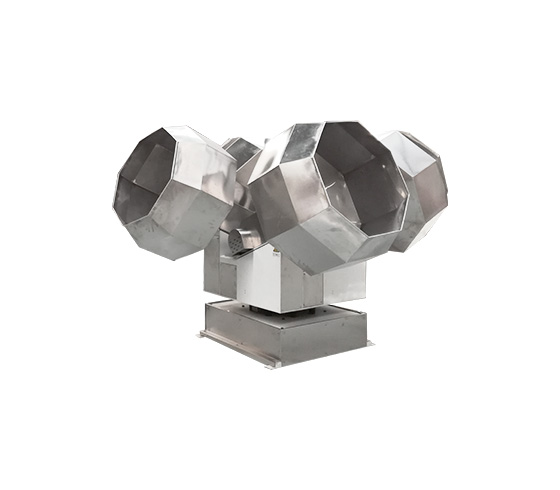
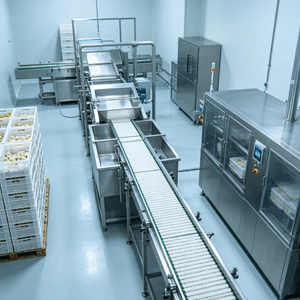
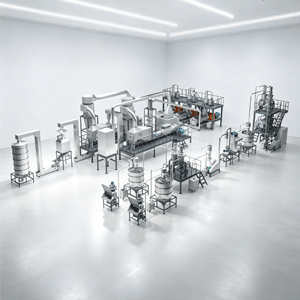
First, it is essential to clarify the product type, raw material state, formulation direction, and expected finished product requirements.For projects involving extrusion, forming, drying, frying, conveying, seasoning, or packaging, the processing capacity and cycle time of each stage must be matched to avoid discrepancies between individual equipment capacity and the overall line requirements.
Secondly, the installation plan should be evaluated in conjunction with the workshop's spatial layout and utility conditions, including power supply, water supply, steam, or gas.Equipment configuration should also take into account long-term operational factors such as cleaning, maintenance, safety protection, spare parts supply, and operator training.Any process or equipment capabilities mentioned in this document are for reference only in the context of solution discussions and preliminary assessments.Specific model numbers, power ratings, production capacities, temperatures, and times shall be subject to the formal technical proposal and the results of trial runs or on-site verification.
Frequently Asked Questions
Can the equipment be determined directly based on the standard configuration?
Not recommended.Different raw materials, product structures, target production capacities, and downstream processes can affect the equipment configuration.It is more prudent to confirm the product and process conditions before proceeding with the configuration assessment.
How to obtain more targeted advice?
It is recommended to prepare product images or sample information, raw material and formulation guidelines, target production capacity, existing workshop conditions, and planned downstream equipment configurations.Dayi Machinery can further discuss the applicable process routes and equipment configuration options based on this.
This article is compiled based on the document "The Hazards of Food Packaging Contamination" provided by Dayi Machinery, with the aim of helping readers understand the relevant topics.For technical requirements related to specific projects, please refer to the actual product documentation and engineering confirmation results.