Precautions for Cleaning Food Extrusion Puffing Machines (2): Issues related to the process, selection, or operational management of food processing and production equipment.The actual solution should be confirmed based on raw material characteristics, target product specifications, production scale, and on-site conditions, and should not be determined solely by single equipment parameters.
Key Points for the Core Content of Food Extrusion Puffing Machine Cleaning Precautions (2)
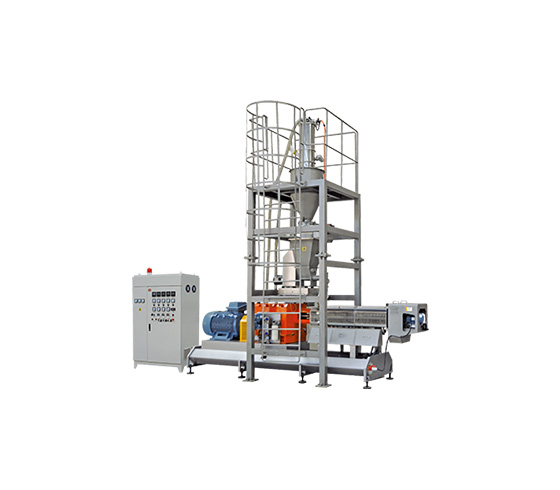
Describe the daily operation and precautions for extrusion puffing machines.
(1) Pre-start precautions:
Inspect all components, especially the connecting screws in each section of the extrusion chamber, the anchor bolts, the connecting bolts between the motor base and the frame, and the bolts between the extrusion chamber and the frame, to ensure that none are loose.
Manually rotate the main shaft; there should be no abnormal noise or friction sounds in the extrusion chamber.
Start the feed auger and check its stepless speed regulation performance, ensuring normal operation.
Before startup, inspect and clean the water and steam pipelines.All filtration systems must also be thoroughly cleaned.
Before startup, check that the electrical control wiring is correct, the rotation direction of each motor is correct, and the control is reliable and effective.
(2) Precautions for shutdown:
After shutdown, wear high-temperature gloves, quickly remove the discharge mold, and immediately clean the material while it is still hot.Simultaneously start the main motor to empty the accumulated material from the extrusion chamber.Note: Soybean flour should be added before and after corn puffing production to flush the material from the chamber.
Exercise caution when dismantling the equipment.Personnel must not stand directly in front of the die opening to prevent danger from residual pressure in the extrusion chamber.
After the equipment has been cleaned, reassemble it in the reverse order of disassembly.
(3) Production Start:
Before startup, inspect fasteners to ensure they are not loose.
Ensure that the steam and water supply are functioning properly.
Ensure that the power supply and electrical equipment are functioning properly.
First, open the steam valve to preheat the extrusion chamber. The initial preheating temperature should be approximately 100°C, and check for any water or steam leaks.
After confirming that everything is normal, start the equipment: the startup sequence is as follows—open the discharge bypass valve, then start the conditioner and the feeding screw conveyor.After the material begins to flow out through the bypass outlet, start introducing steam into the conditioner.Observe the material condition, and once normal, start the main motor, add a small amount of water to the extrusion chamber, and simultaneously feed the material.After the material is extruded, adjust the product's puffing effect and moisture content, while controlling the amount of steam added.
(4) Extrusion puffing production operation sequence
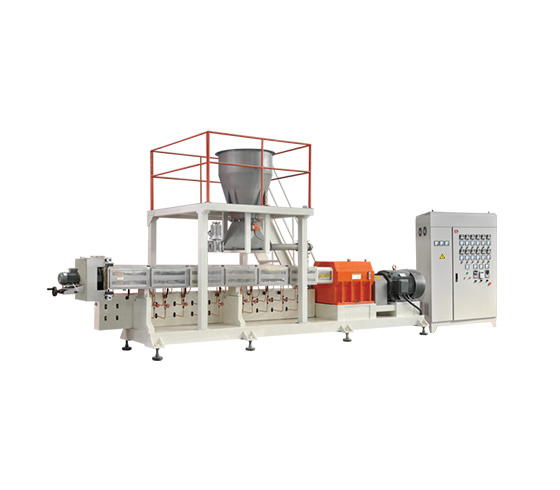
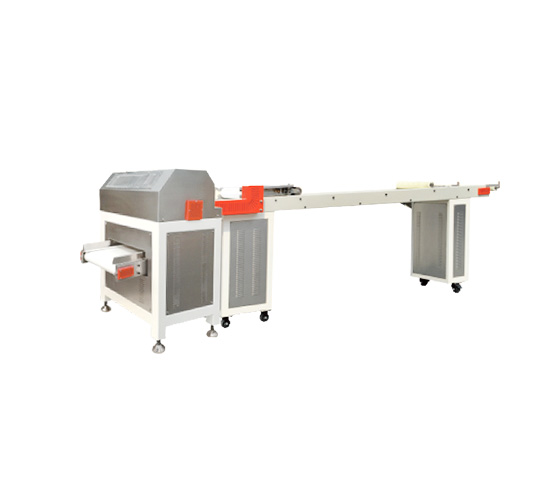
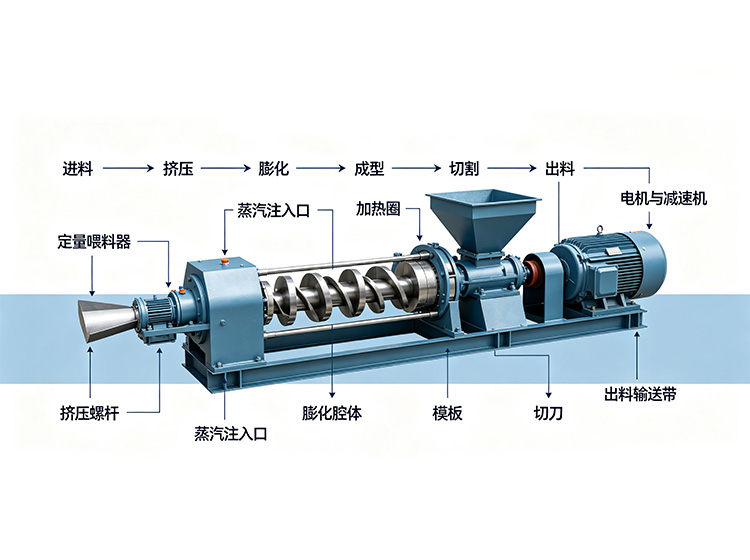
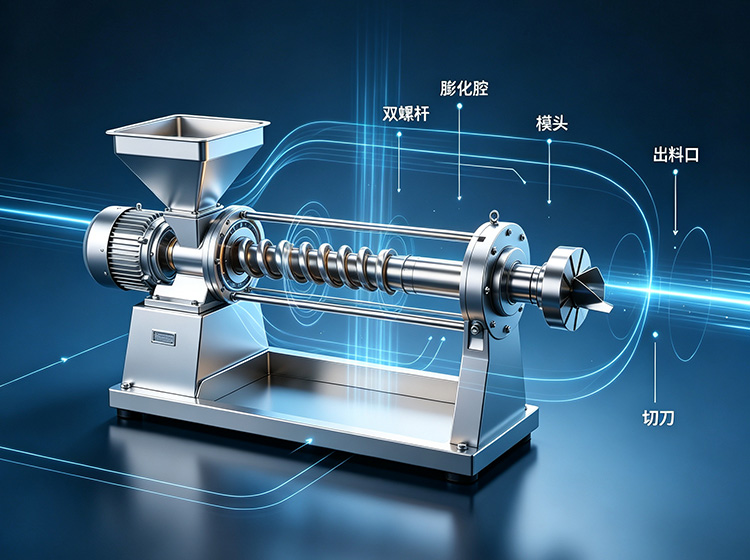
When processing extruded soybeans, the feed end of the extrusion chamber is equipped with two single-screw sections, while the discharge end is equipped with three double-screw sections (configuration as shown in the attached figure).
After assembling all configured accessories, first introduce steam into the jacket of the extrusion chamber to preheat it to approximately 100°C.Tighten the plug on the tail end of the extrusion chamber, then loosen it by 3-4 turns (adjust according to the required tightness), tighten the set screw, and only then feed material after the plug is secured.
During the production process, the feed speed is gradually increased from slow to fast, and the feed volume is progressively increased from small to large, by controlling the stepless speed regulation mechanism of the feed auger.After the soybean meal is ejected from the plug hole, install the protective cover and proceed with normal production feeding.
What conditions should be considered during implementation or selection?
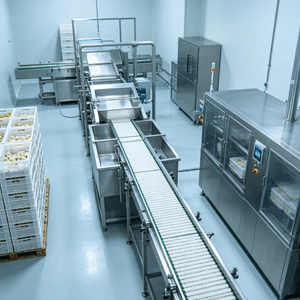
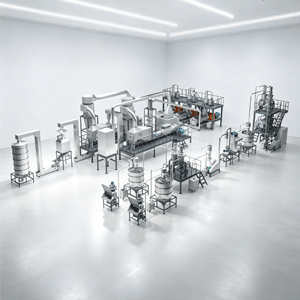
First, it is essential to clarify the product type, raw material state, formulation direction, and expected finished product requirements.For projects involving extrusion, forming, drying, frying, conveying, seasoning, or packaging, the processing capacity and cycle time of each stage must be matched to avoid discrepancies between individual equipment capacity and the overall line requirements.
Secondly, the installation plan should be evaluated in conjunction with the workshop's spatial layout and utility conditions, including power supply, water supply, steam, or gas.Equipment configuration should also take into account long-term operational factors such as cleaning, maintenance, safety protection, spare parts supply, and operator training.Any process or equipment capabilities mentioned in this document are for reference only in the context of solution discussions and preliminary assessments.Specific model numbers, power ratings, production capacities, temperatures, and times shall be subject to the formal technical proposal and the results of trial runs or on-site verification.
Frequently Asked Questions
Can the equipment be determined directly based on the standard configuration?
Not recommended.Different raw materials, product structures, target production capacities, and downstream processes can affect the equipment configuration.It is more prudent to confirm the product and process conditions before proceeding with the configuration assessment.
How to obtain more targeted advice?
It is recommended to prepare product images or sample information, raw material and formulation guidelines, target production capacity, existing workshop conditions, and planned downstream equipment configurations.Dayi Machinery can further discuss the applicable process routes and equipment configuration options based on this.
This article is compiled based on the information provided by Dayi Machinery in "Precautions for Cleaning Food Extruders (2)," aiming to help readers understand the relevant topics.For technical requirements related to specific projects, please refer to the actual product documentation and engineering confirmation results.