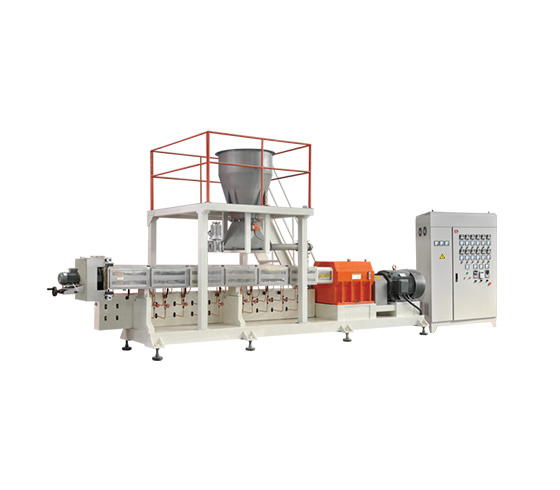
Key considerations for selecting extrusion puffing machines involve process, equipment selection, and operational management issues in food processing and production.The actual solution should be confirmed based on raw material characteristics, target product specifications, production scale, and on-site conditions, and should not be determined solely by single equipment parameters.
Key Considerations for Selecting an Extrusion Puffing Machine
Before purchasing a food extrusion puffing machine, be sure to conduct thorough research on the target equipment to ensure it operates at maximum efficiency.When selecting extrusion puffing equipment, please focus on the following factors.
Types of Extrusion Puffing Machines:
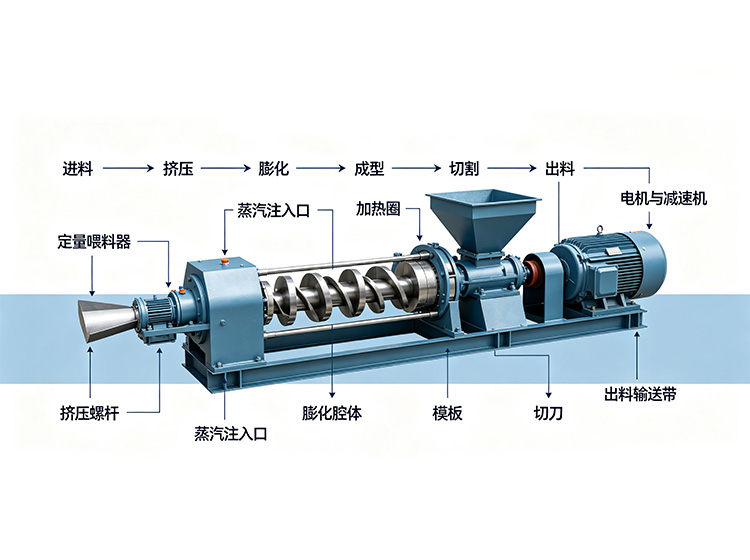
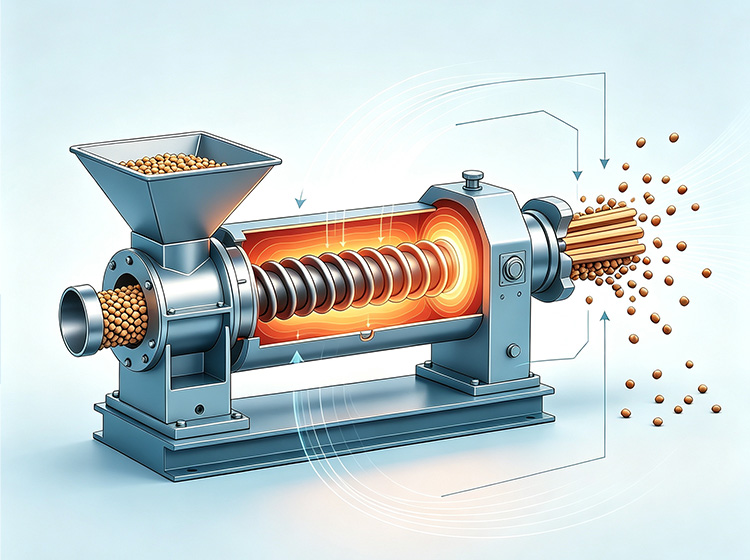
Piston extruders, roller extruders, and screw extruders are the three common types of extrusion equipment used in the production of packaged foods, with screw extruders being the most prevalent.
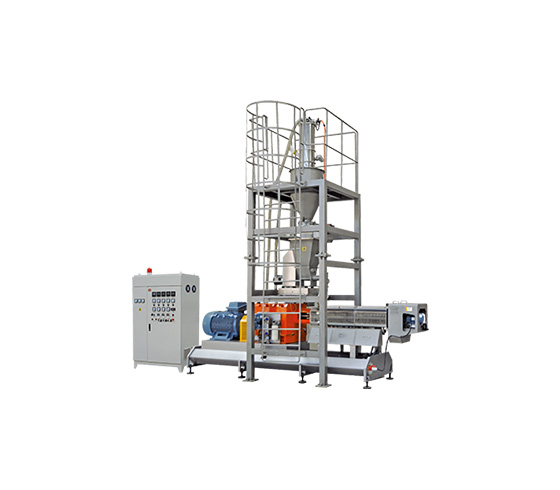
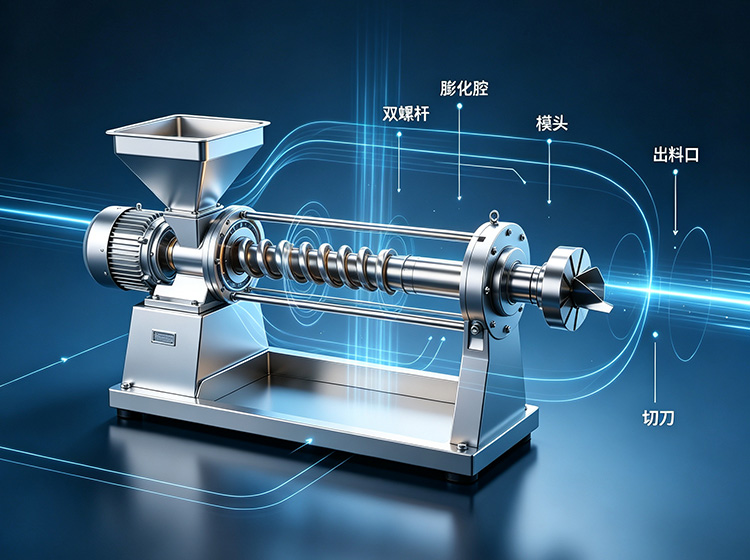
In the food processing industry, it is essential to clarify process requirements to select either a single-screw extrusion puffing machine or a twin-screw extrusion puffing machine.Industry experts generally consider twin-screw extruders to be the superior choice, as they consume less energy and are easier to operate, manage, clean, and sanitize.Furthermore, the twin-screw extrusion puffing machine offers superior exhaust performance and a simpler feeding method.Compared to single-screw extruders, twin-screw extruders offer greater flexibility, controllability, and production efficiency in feed and food processing.
On the other hand, single-screw extruders operate reliably, offer high extrusion speeds, and effectively accomplish material conveying and mixing.
Supply of spare parts and supporting equipment:
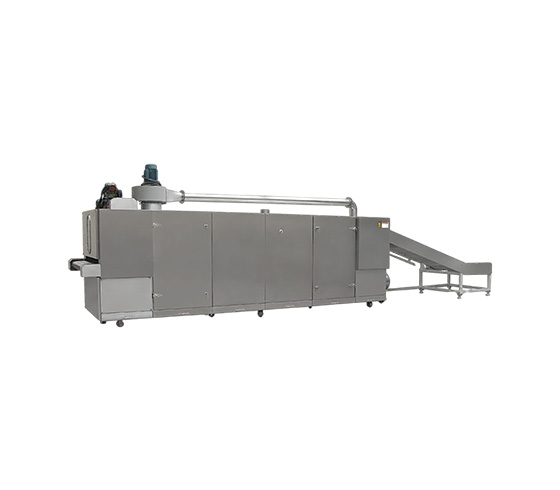
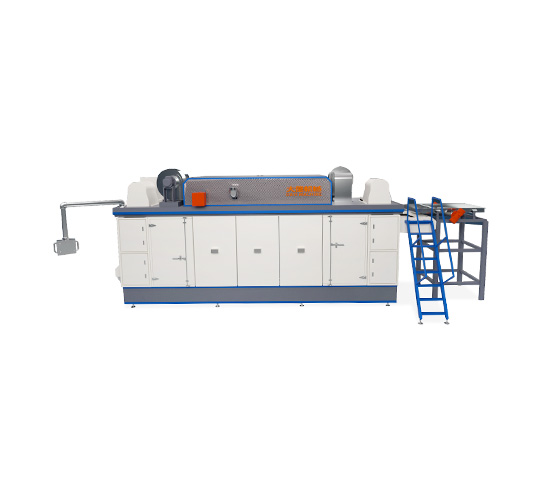
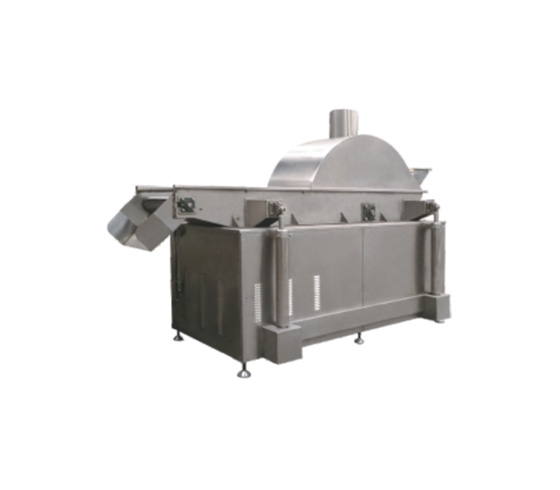
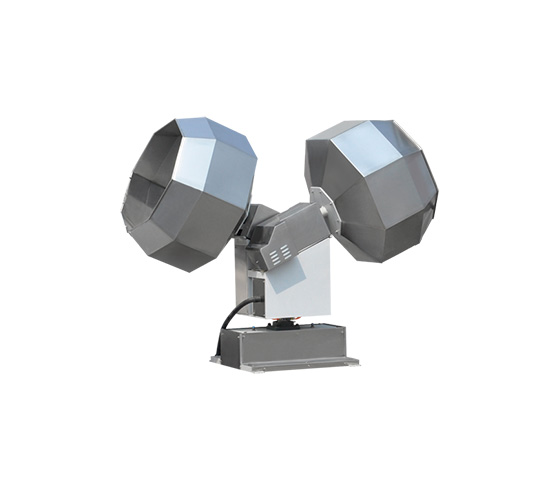
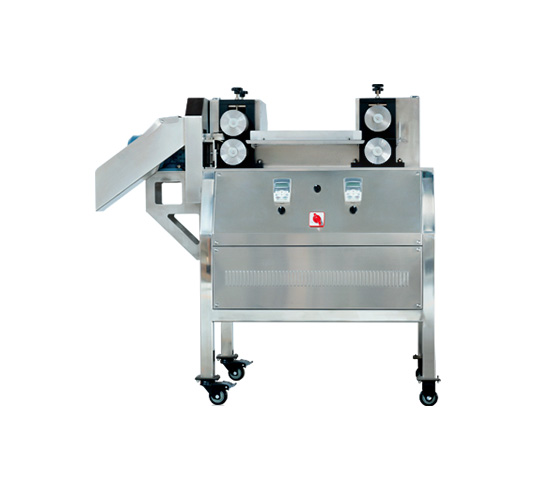
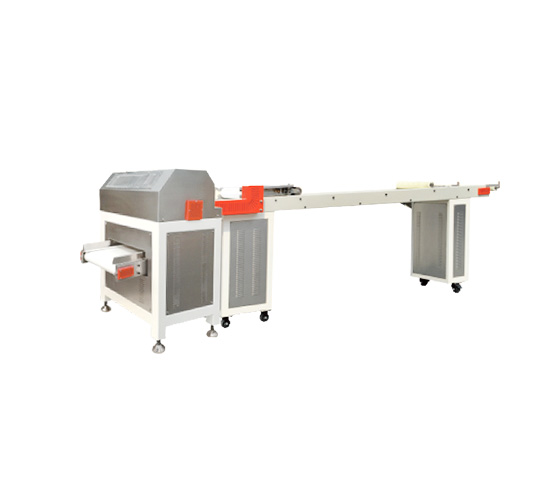
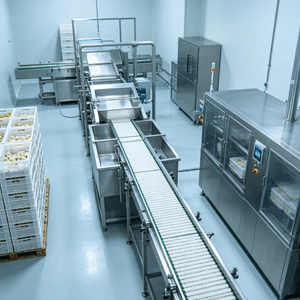
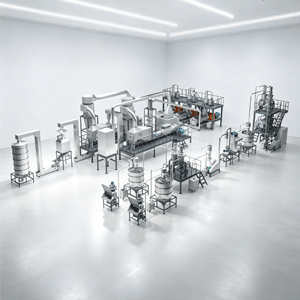
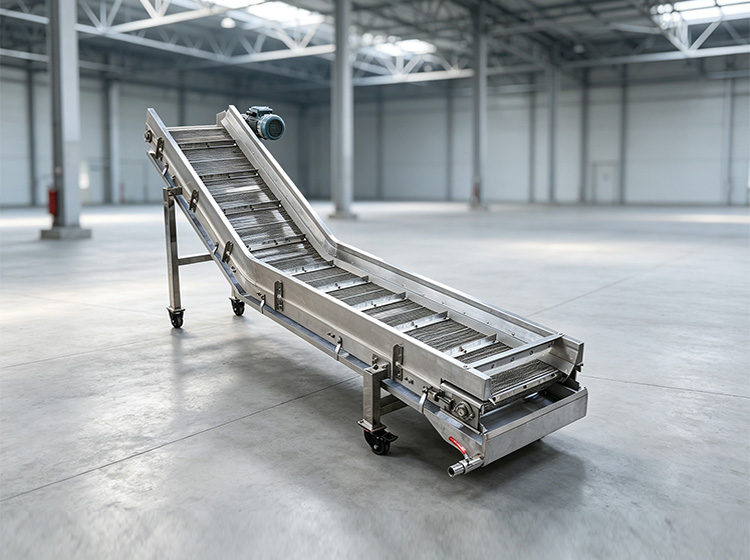
If you believe that a snack food extrusion production line consists solely of the extrusion puffing main unit, it is a misunderstanding of the system configuration.A complete food extrusion and puffing production line encompasses a variety of pre-processing and post-processing equipment, including conveying devices such as bucket elevators and ton-bag feeders, as well as grinding and sieving machinery like planar sieves, among many other types.
To avoid the hassle of purchasing individual unit equipment separately, it is recommended to source snack extrusion puffing machines from a supplier that can provide a complete set of supporting equipment.
Supplier Reputation:
Purchasing food extrusion and puffing equipment from unknown suppliers carries significant risks.Select an extrusion puffing machine supplier based on the manufacturer's proven track record of successful projects.Be sure to choose a manufacturer that can provide advanced equipment, so as not to miss the latest technological innovations and functional upgrades in the industry.
Without the necessary technical expertise, operators can quickly become overwhelmed by the complexities of extrusion puffing systems.Therefore, it is crucial for equipment suppliers to provide high-quality customer service.Furthermore, such equipment is highly prone to malfunctions under high-load operation.In such cases, timely customer support is crucial for quickly resolving issues and ensuring that the extrusion puffing machine resumes normal operation as soon as possible.
What conditions should be considered during implementation or selection?
First, it is essential to clarify the product type, raw material state, formulation direction, and expected finished product requirements.For projects involving extrusion, forming, drying, frying, conveying, seasoning, or packaging, the processing capacity and cycle time of each stage must be matched to avoid discrepancies between individual equipment capacity and the overall line requirements.
Secondly, the installation plan should be evaluated in conjunction with the workshop's spatial layout and utility conditions, including power supply, water supply, steam, or gas.Equipment configuration should also take into account long-term operational factors such as cleaning, maintenance, safety protection, spare parts supply, and operator training.Any process or equipment capabilities mentioned in this document are for reference only in the context of solution discussions and preliminary assessments.Specific model numbers, power ratings, production capacities, temperatures, and times shall be subject to the formal technical proposal and the results of trial runs or on-site verification.
Frequently Asked Questions
Can the equipment be determined directly based on the standard configuration?
Not recommended.Different raw materials, product structures, target production capacities, and downstream processes can affect the equipment configuration.It is more prudent to confirm the product and process conditions before proceeding with the configuration assessment.
How to obtain more targeted advice?
It is recommended to prepare product images or sample information, raw material and formulation guidelines, target production capacity, existing workshop conditions, and planned downstream equipment configurations.Dayi Machinery can further discuss the applicable process routes and equipment configuration options based on this.
This article is compiled based on the "Precautions for Purchasing Extrusion Puffing Machines" provided by Dayi Machinery, with the aim of helping readers understand the relevant topics.For technical requirements related to specific projects, please refer to the actual product documentation and engineering confirmation results.