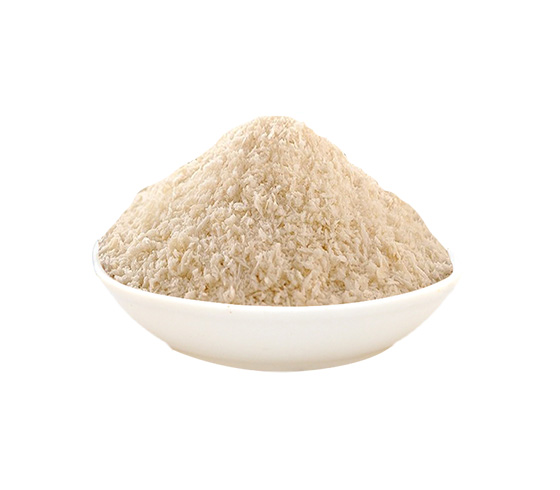
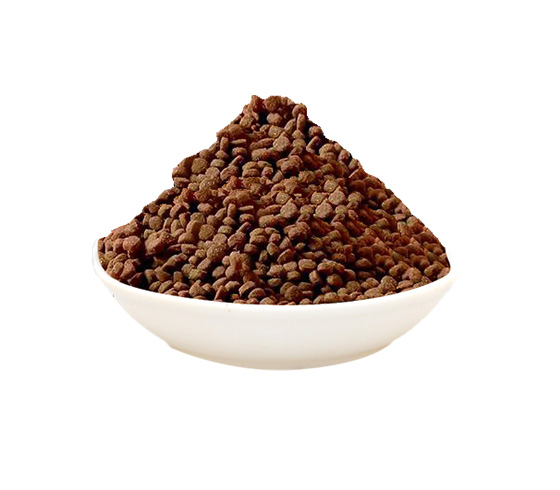
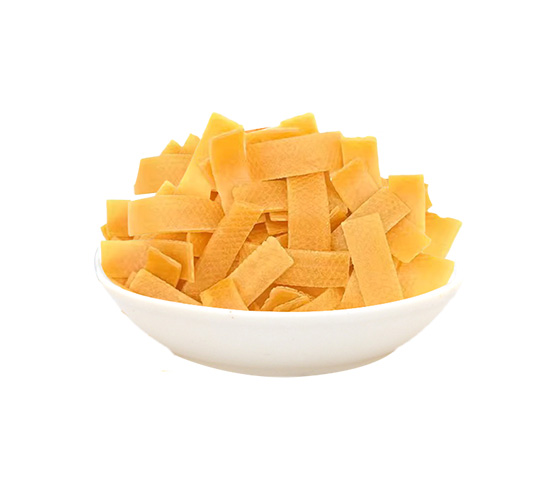
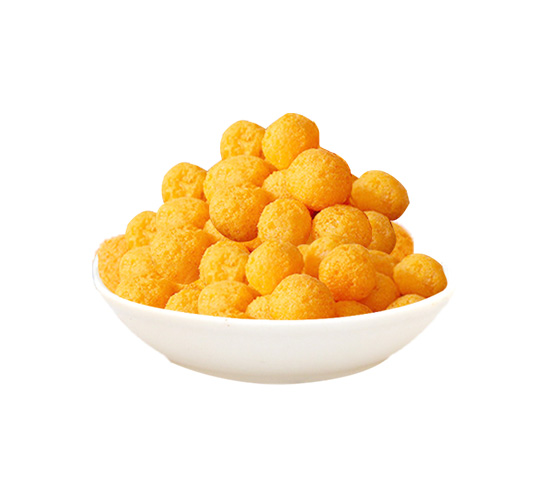
Twin-screw extrusion and puffing technology breaks through the bottlenecks in China's environmentally friendly and economically viable industrial development, addressing issues related to the process, equipment selection, and operational management of food processing and production equipment.The actual solution should be confirmed based on raw material characteristics, target product specifications, production scale, and on-site conditions, and should not be determined solely by the parameters of a single piece of equipment.
Key Points of Twin-Screw Extrusion and Puffing Technology in Breaking Through the Bottlenecks of China's Eco-Friendly and Economical Industrial Development
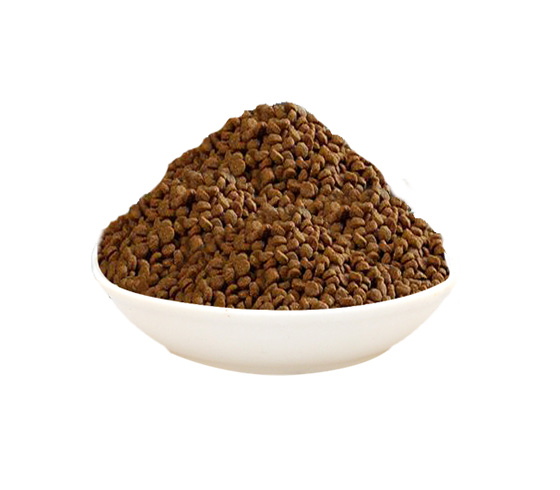
Twin-screw extruders offer advantages such as high adaptability, sliding conveyance, and self-cleaning capabilities; however, their complex structure and high manufacturing costs result in correspondingly elevated maintenance and operational expenses.Therefore, twin-screw extruders are typically used to produce high-value-added aquaculture and pet feed, such as feed for eels, soft-shell turtles, and fish fry, because the market prices of these products are sufficient to cover the manufacturing costs associated with twin-screw technology.In addition, certain specialty aquafeeds, such as micro-pelleted aquafeed (0.8–1.5 mm in diameter), high-fat aquafeed, and low-volume feeds with frequently changing formulations, also require production using twin-screw extruders.
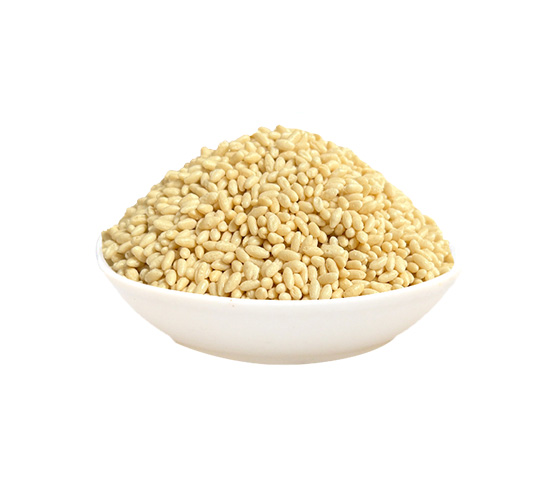
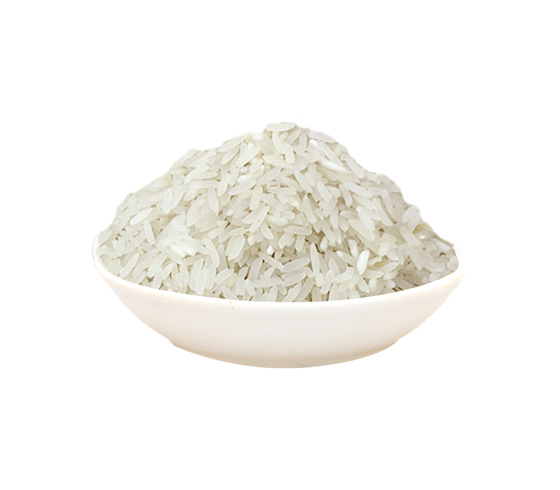
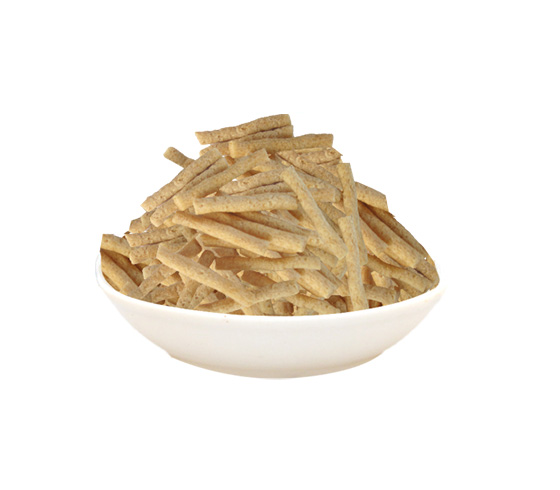
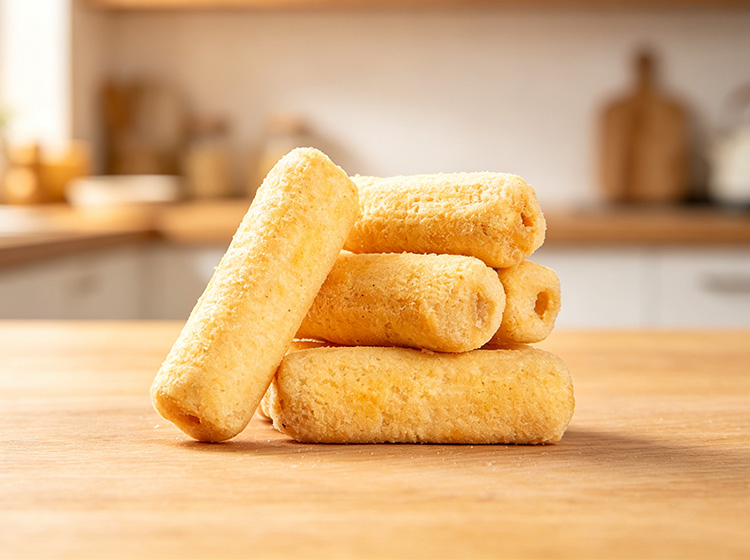
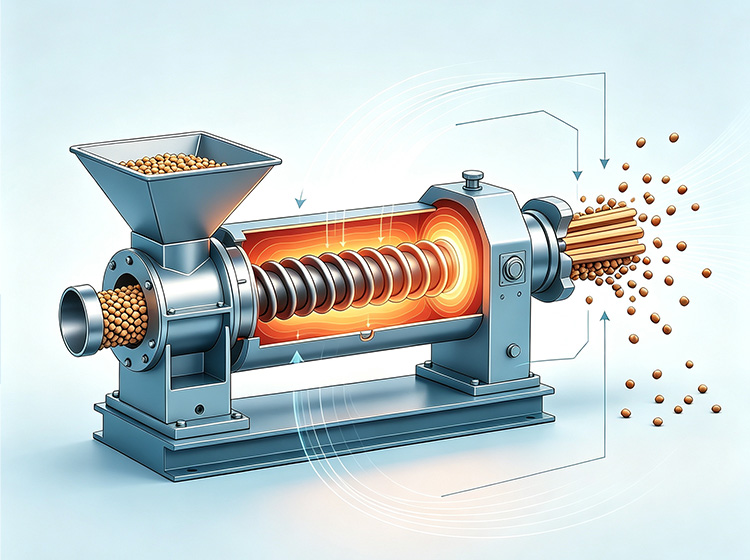
Based on the direction of screw rotation, twin-screw extruders can be classified into two types: co-rotating and counter-rotating. The counter-rotating type is further divided into inward-rotating and outward-rotating configurations.The characteristics of the pressure zone in co-rotating twin-screw extruders vary.The material inside the barrel cavity is affected by the rotation of the screw, forming high-pressure and low-pressure zones.This technology uses rice, millet, black rice, buckwheat, and other whole grains as raw materials, adding various vitamins, proteins, and minerals for processing. After extrusion, cooking, and shaping by an extrusion puffing machine, it produces a new type of fortified nutritional rice, which can be consumed in the same way as natural rice.The technology for producing artificial rice represents a breakthrough in the reuse of grain, based on the principle of extrusion puffing.The nutritional fortified rice production line uses rice flour, wheat flour, and other cereal flours as raw materials, adds high-nutrient components such as vitamins and trace elements, mixes them uniformly, and then forms the fortified rice through extrusion puffing.The dried product is identical to natural rice in shape, appearance, texture, and method of consumption, while also supplementing nutrients that are lacking in natural rice.It is also possible to customize specialty rice with different nutritional profiles and specific functions for various target groups.
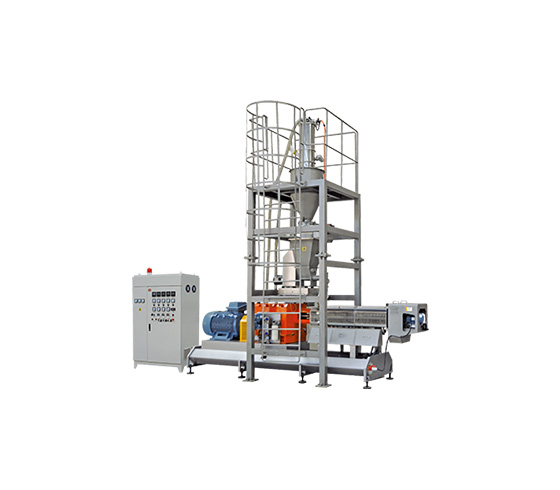
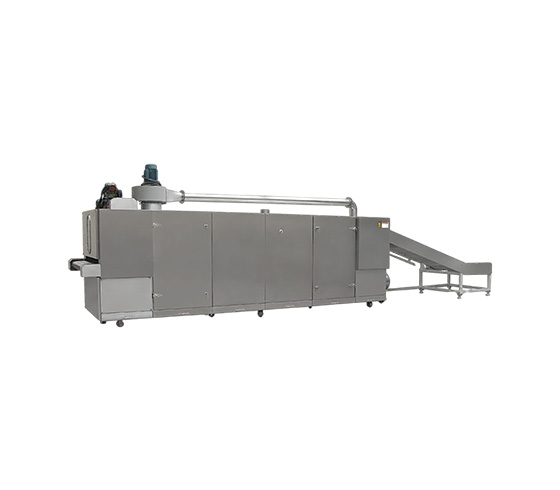
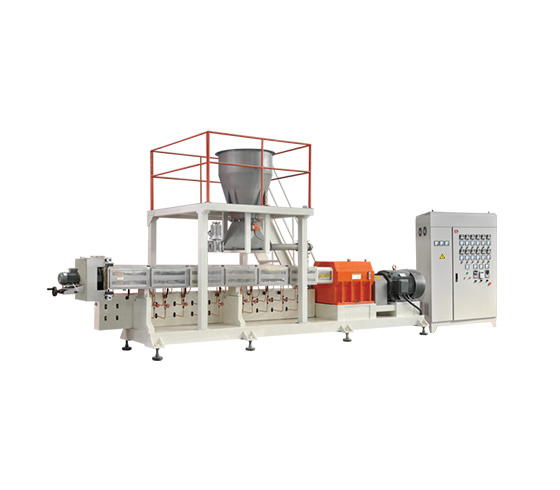
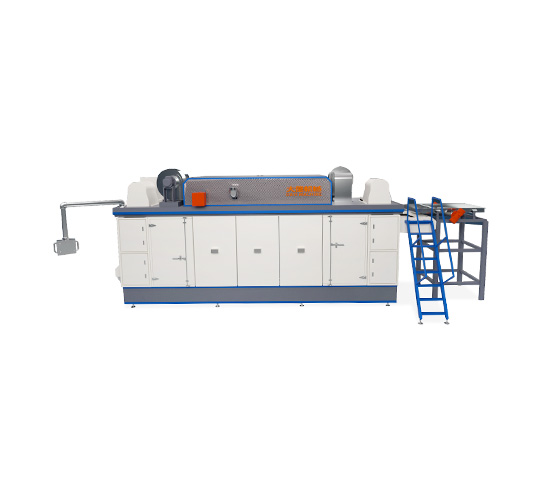
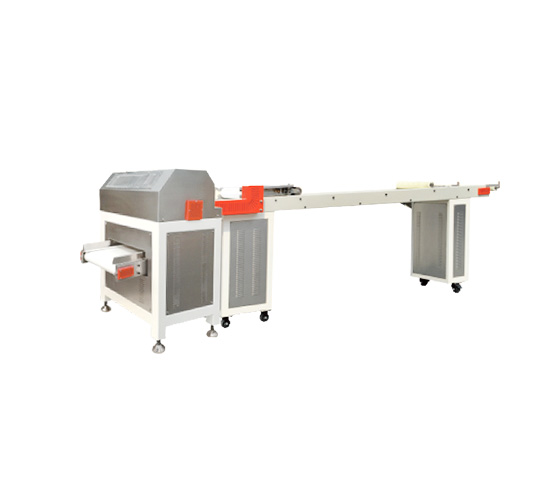
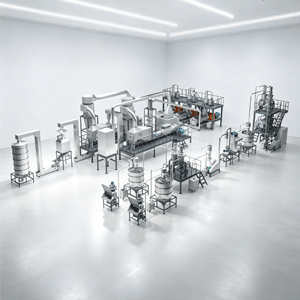
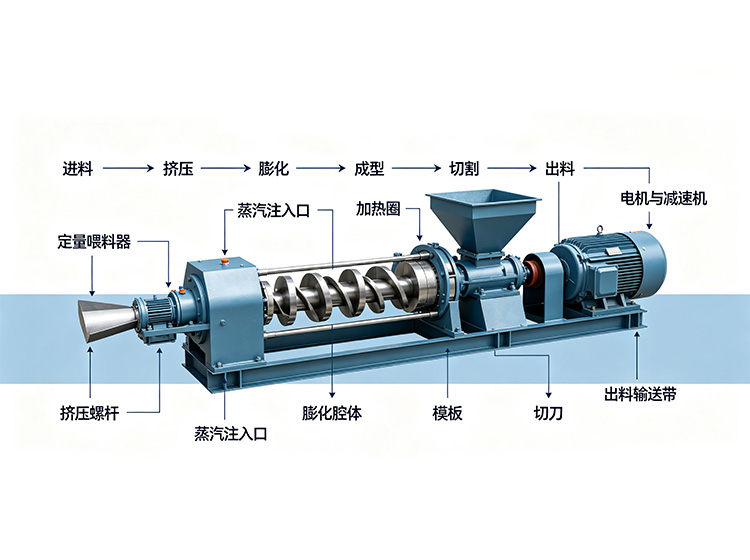
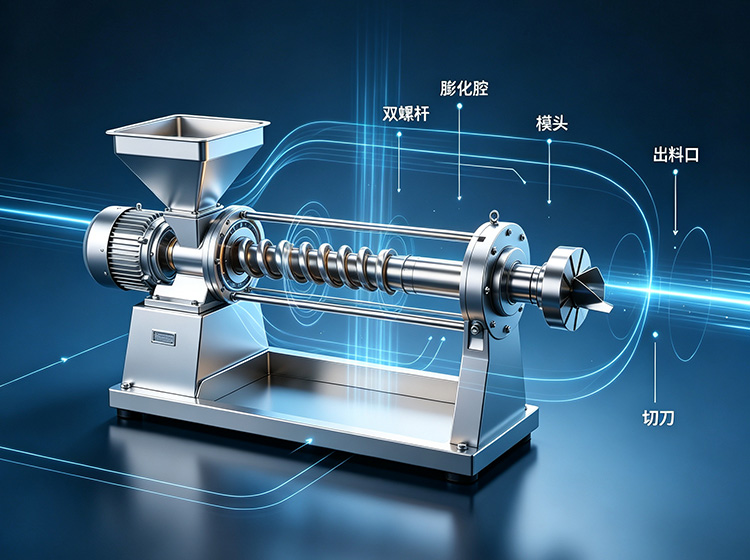
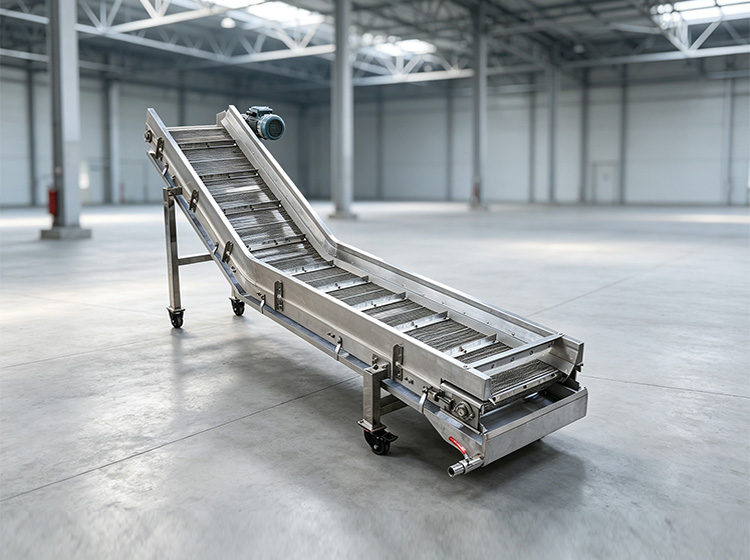
The twin-screw extrusion puffing machine is a type of multi-screw extrusion puffing machine, developed on the basis of the single-screw extrusion puffing machine.In the barrel of a twin-screw extrusion puffing machine, two screws are arranged side by side, which is why it is called a twin-screw extrusion puffing machine.To give rice a distinctive shape, texture, and color, while meeting the growing health food market with scientifically optimized nutritional ratios and easy digestibility, the equipment features a rational structural design and special materials, ensuring stable machine operation and facilitating maintenance.Simple to operate and easy to learn, it ensures that products are processed under specific temperature, pressure, humidity, and time conditions through parameter control.A rich variety of colors, shapes, and flavors meets the needs of diverse consumer groups.The nutritional rice production line consists of a powder mixing machine, a twin-screw extrusion puffing machine, an air conveyor, and a three-layer oven.
What conditions should be considered during implementation or selection?
First, it is essential to clarify the product type, raw material state, formulation direction, and expected finished product requirements.For projects involving extrusion, forming, drying, frying, conveying, seasoning, or packaging, the processing capacity and cycle time of each stage must be matched to avoid discrepancies between individual equipment capacity and the overall line requirements.
Secondly, the installation plan should be evaluated in conjunction with the workshop's spatial layout and utility conditions, including power supply, water supply, steam, or gas.Equipment configuration should also take into account long-term operational factors such as cleaning, maintenance, safety protection, spare parts supply, and operator training.Any process or equipment capabilities mentioned in this document are for reference only in the context of solution discussions and preliminary assessments.Specific model numbers, power ratings, production capacities, temperatures, and times shall be subject to the official technical proposal and the results of trial runs or on-site verification.
Frequently Asked Questions
Can the equipment be determined directly based on the standard configuration?
Not recommended.The equipment configuration is influenced by different raw materials, product structures, target production capacities, and downstream processes.It is more prudent to confirm the product and process conditions before proceeding with the configuration assessment.
How to obtain more targeted advice?
It is recommended to prepare product images or sample information, raw material and formulation guidelines, target production capacity, existing workshop conditions, and planned downstream equipment configurations.Dayi Machinery can further discuss the applicable process routes and equipment configuration options based on this.
This article is compiled based on the document “Breakthrough of Twin-Screw Extrusion Technology in Overcoming Bottlenecks in China’s Environmental Protection and Economic Industrial Development” provided by Dayi Machinery, with the aim of helping readers understand the relevant topics.For technical requirements related to specific projects, please refer to the actual product documentation and engineering confirmation results.