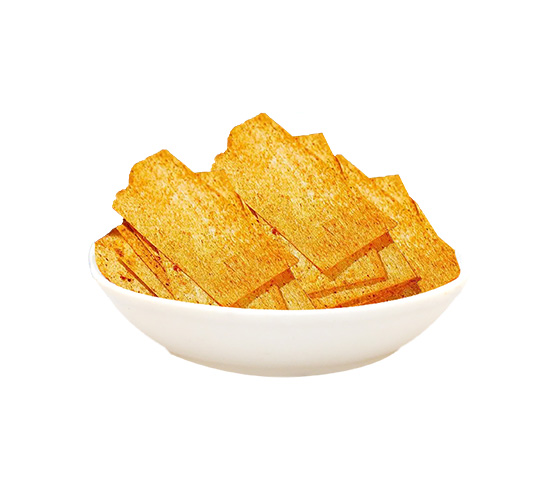
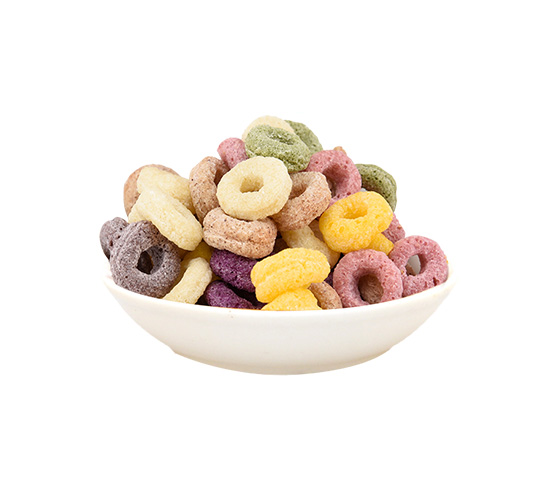
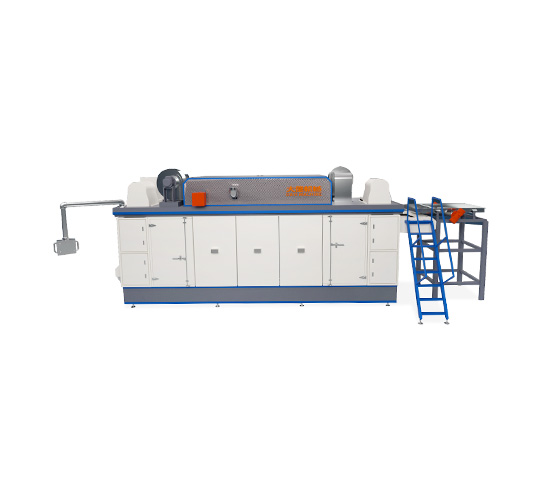
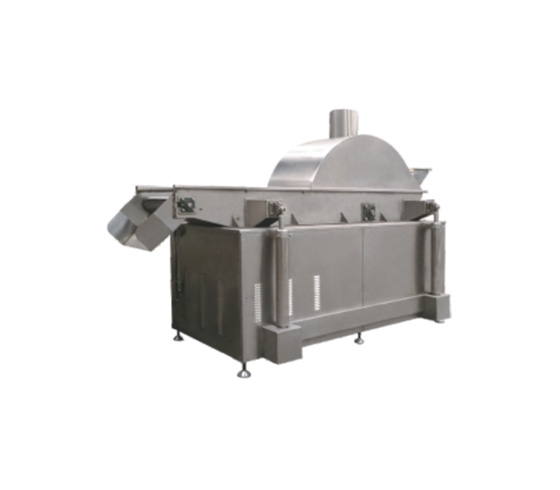
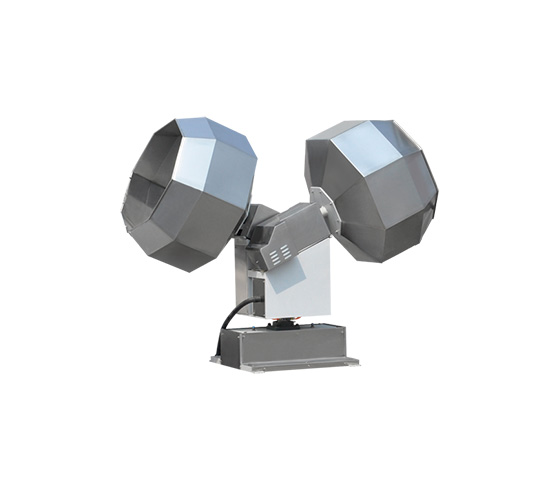
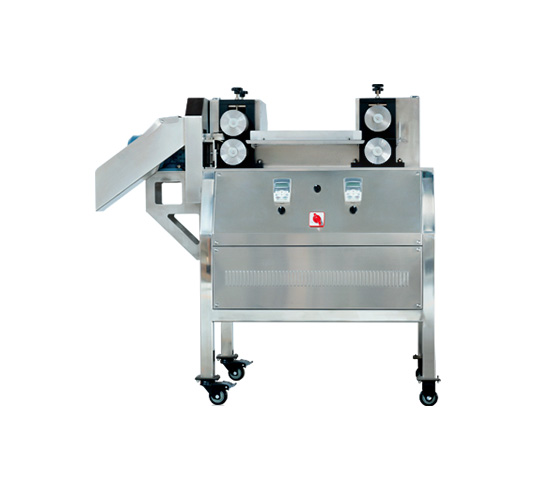
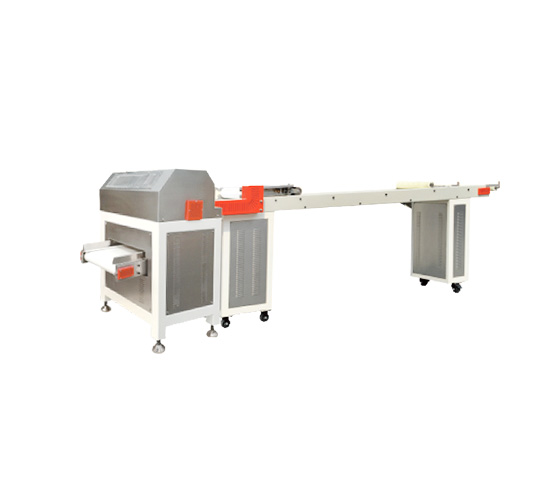
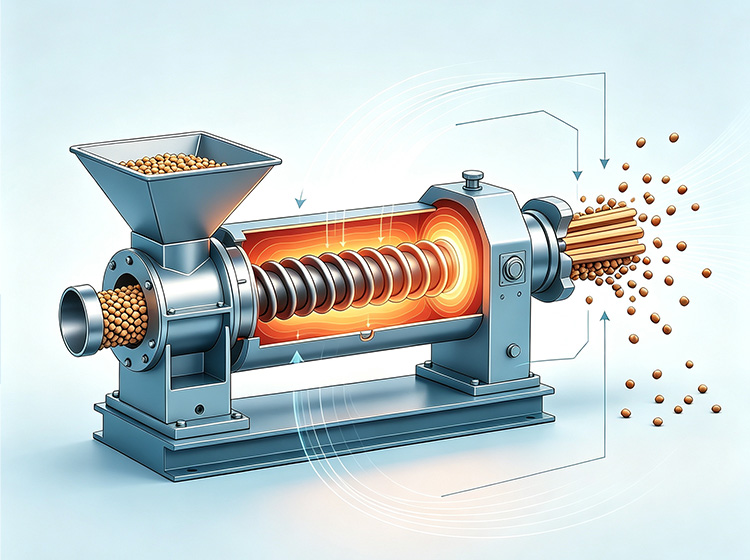
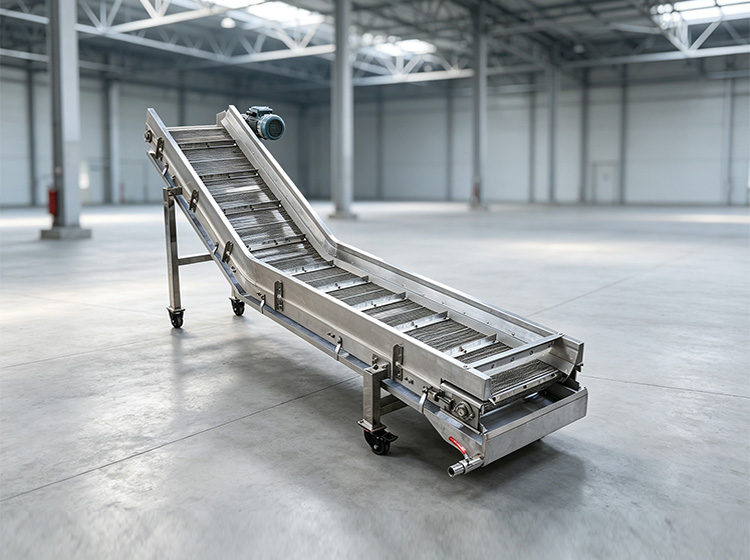
The conversion of fruits and vegetables into snack foods using food machinery involves process design, equipment selection, and operational management issues related to food processing and production equipment.The actual solution should be confirmed based on raw material characteristics, target product specifications, production scale, and on-site conditions, and should not be determined solely by the parameters of a single piece of equipment.
Key Points for Transforming Fruits and Vegetables into Snack Foods Using Food Machinery
For a long time, people’s impression of dehydrated vegetables has largely been confined to the vegetable packets found in instant noodles.Although it employs the “cutting-edge technology” from aerospace food—freeze-drying—which effectively preserves the flavor and nutrients of vegetables, dehydrated vegetables are rarely chosen by consumers in daily life due to the relatively abundant supply of fresh vegetables in China.However, in recent years, this situation has changed.Fruit and vegetable (crispy) chips, produced using vacuum freeze-drying and low-temperature baking technologies, have entered the consumer market as snack foods and have gained widespread popularity.
Moderate consumption of vegetables is an essential component of maintaining a nutritionally balanced diet.However, some children and adults often perceive leafy green vegetables as having an unpleasant, grassy flavor, which makes them reluctant to eat them.At this point, even earnest persuasion or the use of coercive or inducement-based measures is not a long-term solution to the problem.But would it help if vegetables were processed into convenient, ready-to-eat, and delicious snack foods?The answer may well be yes.
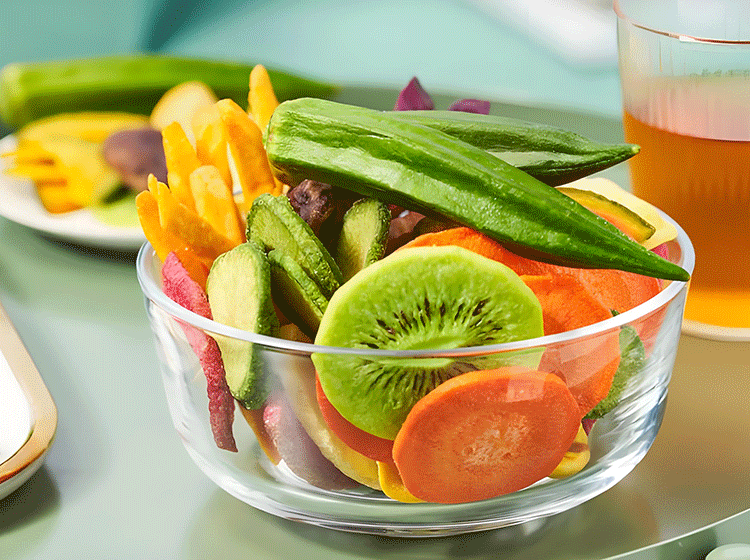
In recent years, with the rapid development of processing and production technologies in the food industry, the application of new technologies has brought innovative solutions to fruit, vegetable, and food processing.For example, fruit and vegetable crisps, which have become increasingly familiar, are no longer produced using traditional deep-frying processes. Instead, they are made using vacuum freeze-drying equipment, which freezes the moisture in the raw materials into ice under low-temperature conditions, followed by sublimation and condensation under vacuum, to obtain the final fruit and vegetable crisp products.
Fruit and vegetable crisps produced by this method are crispy, flavorful, and healthier than fried foods.Furthermore, these instant fruit and vegetable crisps are highly convenient, whether at home, in the office, or while traveling.Furthermore, given the strong compatibility of fruit and vegetable crisps with foods such as yogurt and cereals, they have effectively opened up new market opportunities in the consumer sector.
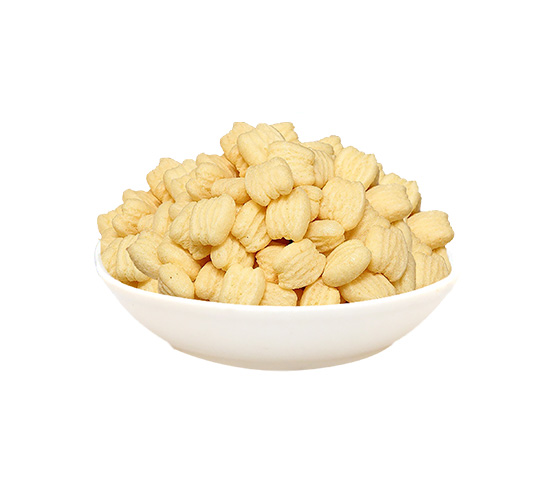
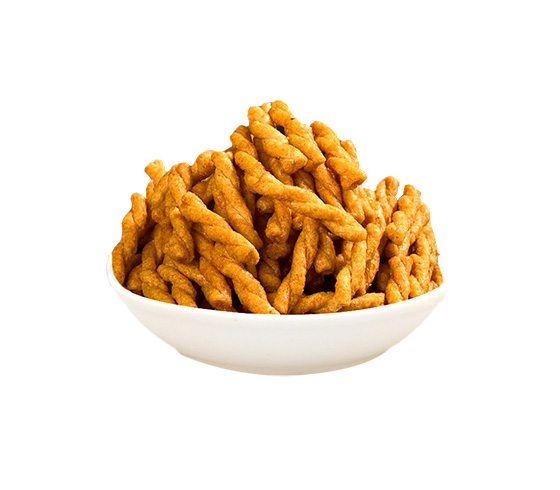
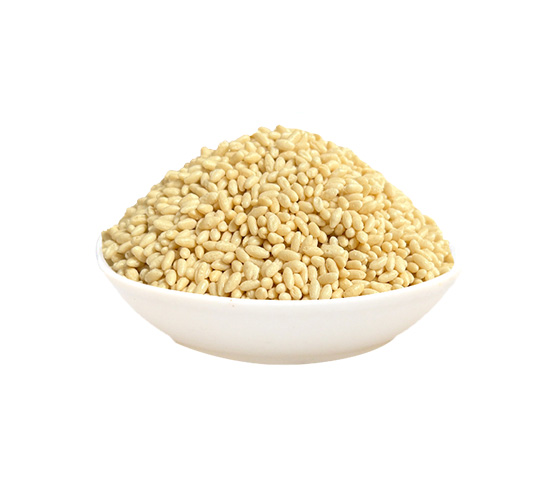
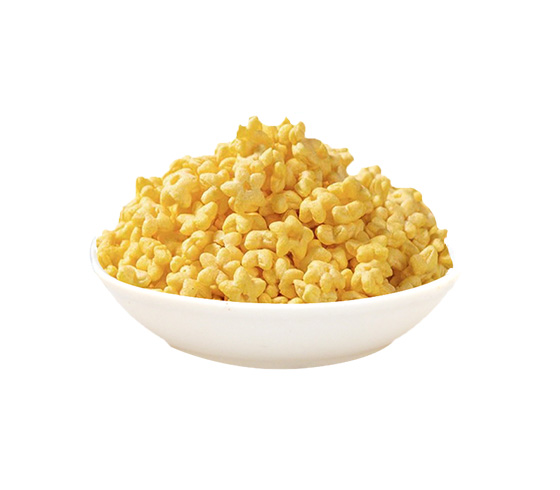
Meanwhile, in addition to fruit and vegetable crisps aimed at the general consumer market, the author has also noticed fruit and vegetable crisps designed specifically for children, utilizing low-temperature baking technology.These food products are primarily made from fresh vegetables such as purple sweet potatoes and pumpkins. After pre-treatment, the vegetables are pureed and then mixed with ingredients like starch to form the desired shape, followed by low-temperature baking.The finished product has an appealing color, is rich in nutrients, and offers a crispy, pleasant texture that aligns with children's taste preferences and basic nutritional needs.
For the two categories of deep-processed fruit and vegetable products mentioned above, the key lies in extending the industrial chain and applying new technologies to transform ordinary fruit and vegetable raw materials into healthy, nutritious, delicious, and convenient snack foods, thereby significantly enhancing their acceptance among consumers of all ages and with diverse consumption needs.Building on this, snack foods represented by fruit and vegetable crisps have recently sparked a new trend in the consumer market. This not only provides a new way to meet consumers' demand for fruits and vegetables but also holds the potential to inject new momentum into the future development of the fruit and vegetable industry.
What conditions should be considered during implementation or selection?
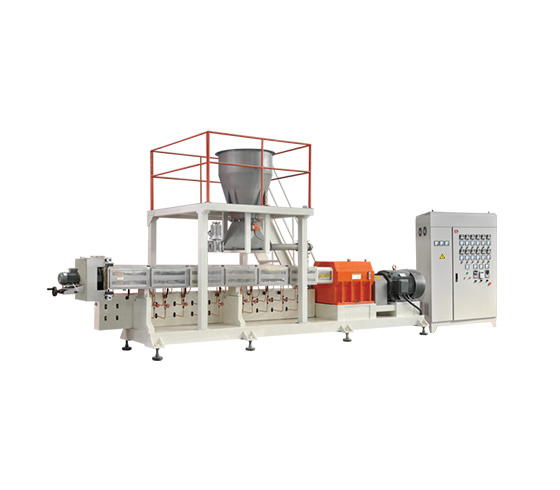
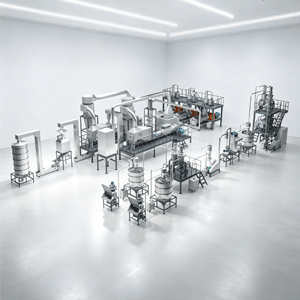
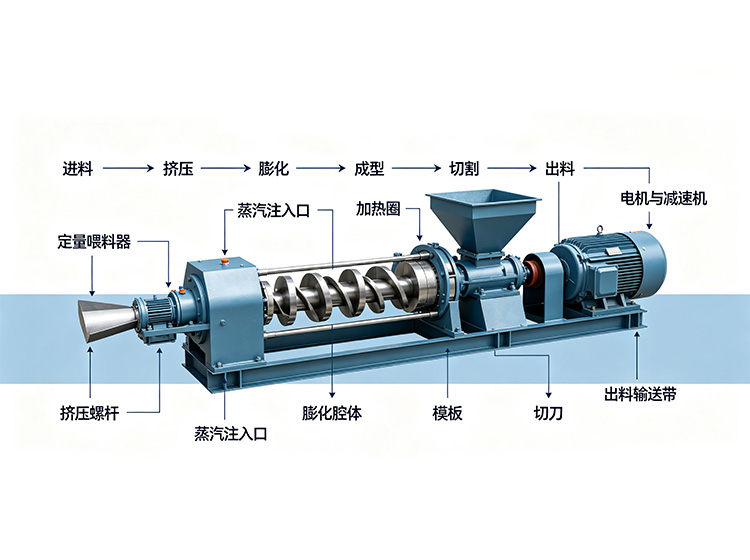
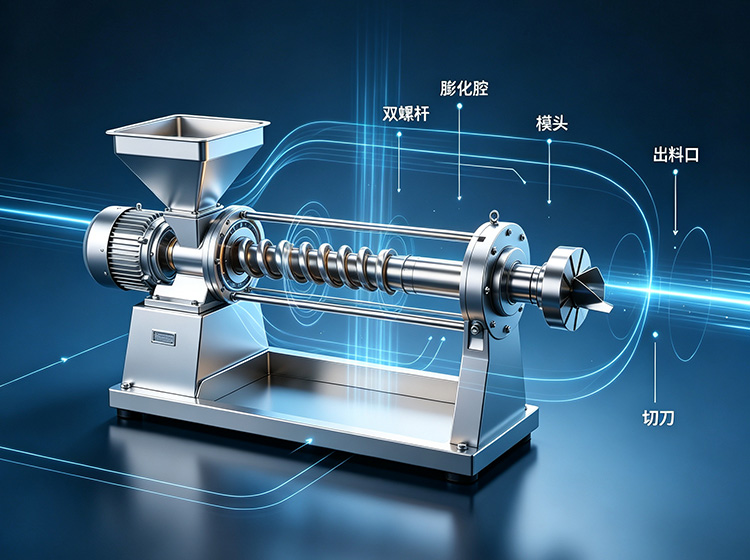
First, it is essential to clarify the product type, raw material state, formulation direction, and expected finished product requirements.For projects involving extrusion, forming, drying, frying, conveying, seasoning, or packaging, the processing capacity and cycle time of each stage must be matched to avoid discrepancies between individual equipment capacity and the overall line requirements.
Secondly, the installation plan should be evaluated in conjunction with the workshop's spatial layout and utility conditions, including power supply, water supply, steam, or gas.Equipment configuration should also take into account long-term operational factors such as cleaning, maintenance, safety protection, spare parts supply, and operator training.Any process or equipment capabilities mentioned in this document are for reference only in the context of solution discussions and preliminary assessments.Specific model numbers, power ratings, production capacities, temperatures, and times shall be subject to the official technical proposal and the results of trial runs or on-site verification.
Frequently Asked Questions
Can the equipment be determined directly based on the standard configuration?
Not recommended.The equipment configuration is influenced by different raw materials, product structures, target production capacities, and downstream processes.It is more prudent to confirm the product and process conditions before proceeding with the configuration assessment.
How to obtain more targeted advice?
It is recommended to prepare product images or sample information, raw material and formulation guidelines, target production capacity, existing workshop conditions, and planned downstream equipment configurations.Dayi Machinery can further discuss the applicable process routes and equipment configuration options based on this.
This article is compiled based on the materials provided by Dayi Machinery, titled “Transforming Fruits and Vegetables into Snacks Using Food Machinery,” with the aim of helping readers understand the relevant topics.For technical requirements related to specific projects, please refer to the actual product documentation and engineering confirmation results.