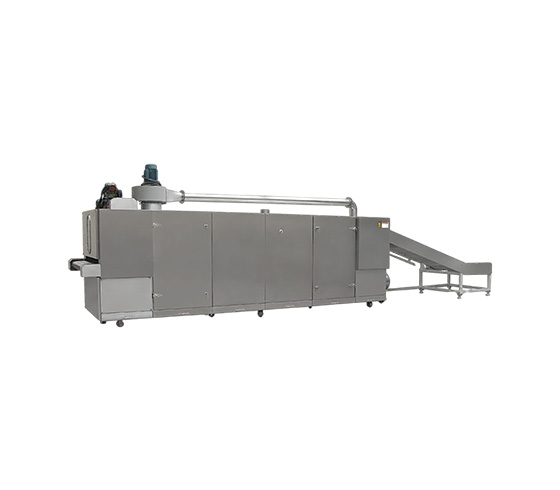
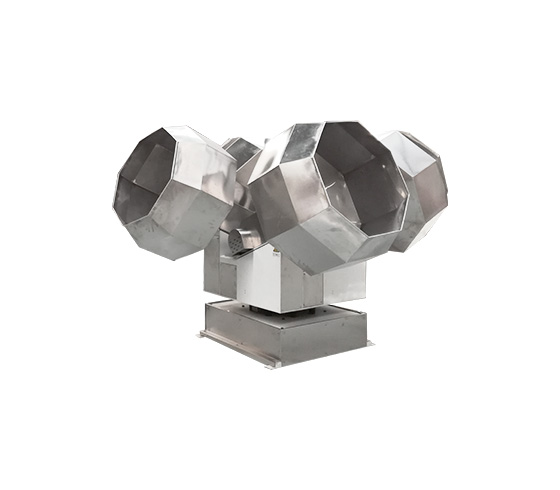
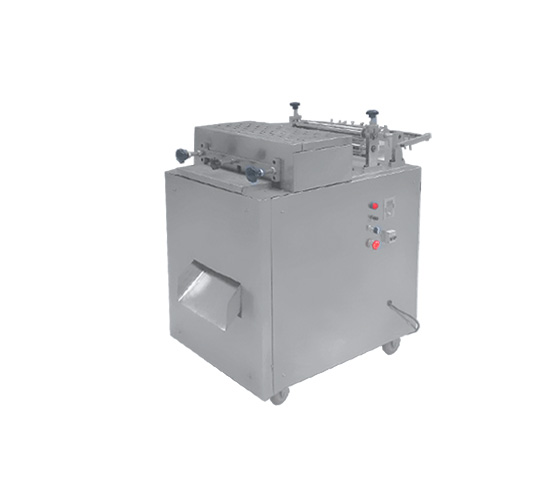
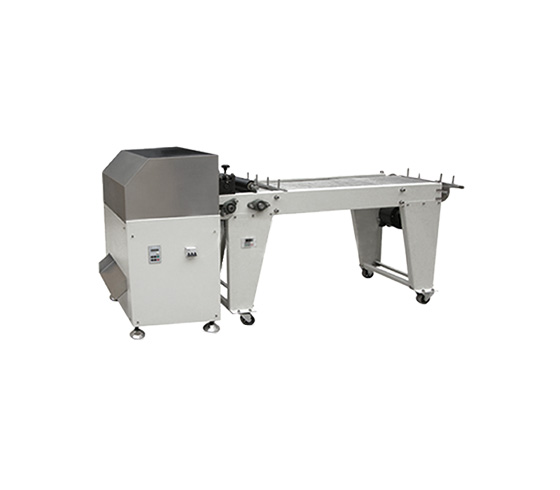
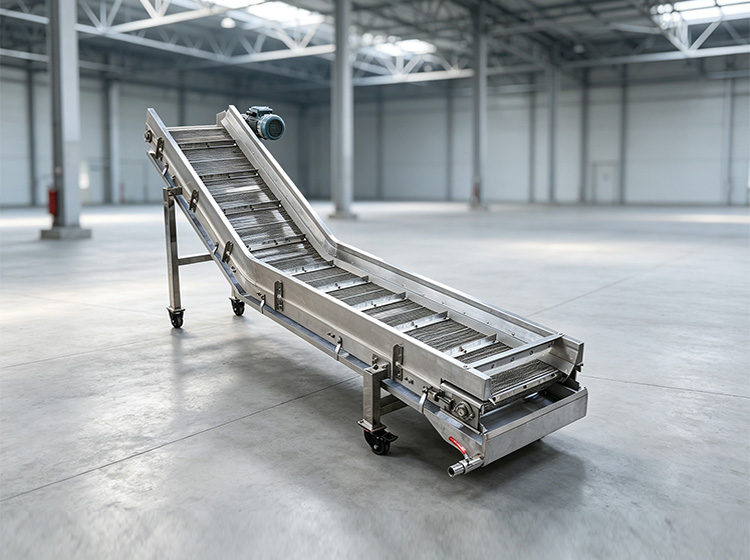
Promising Prospects in Food Machinery (Part I) addresses issues related to the processes, selection, and operational management of food processing and production equipment.The actual solution should be confirmed based on raw material characteristics, target product specifications, production scale, and on-site conditions, and should not be determined solely by the parameters of a single piece of equipment.
Key Points of the Promising Food Machinery (Part I)
To meet the higher demands of consumers across different market segments, fully leverage existing food resources, and promote the sustainable and rapid development of the food industry, the food engineering technology and equipment sector must rely closely on scientific and technological advancements.
Deep Processing Equipment for Grain and Oil By-products: Deep processing equipment for grain and oil by-products includes soybean meal, peanut meal, rapeseed meal, cottonseed meal, and corn gluten feed processing equipment that employs low-temperature desolventizing and detoxification technology, as well as rice bran and wheat bran processing equipment.Although significant technological breakthroughs have been achieved in this field, further development and innovation are still needed to translate laboratory research results into industrial applications.
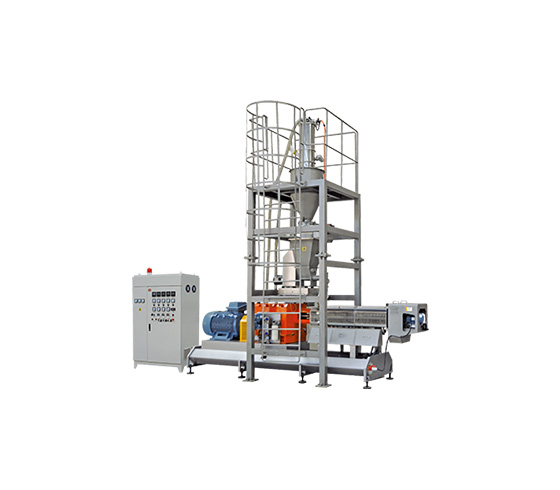
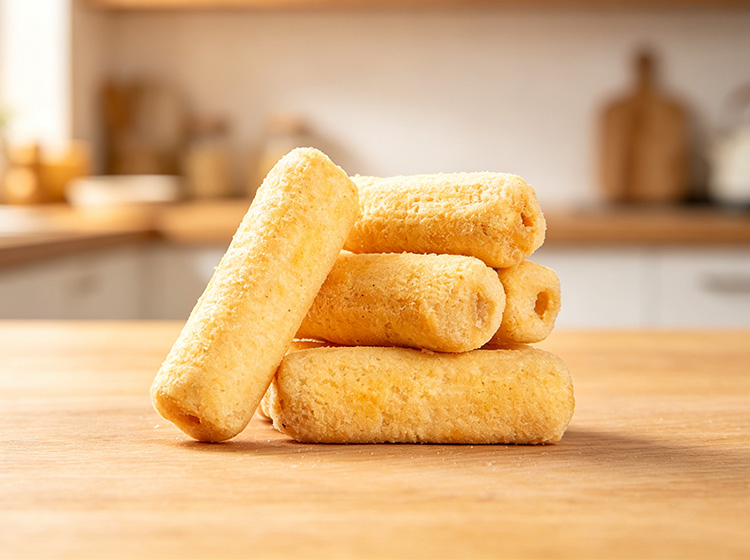
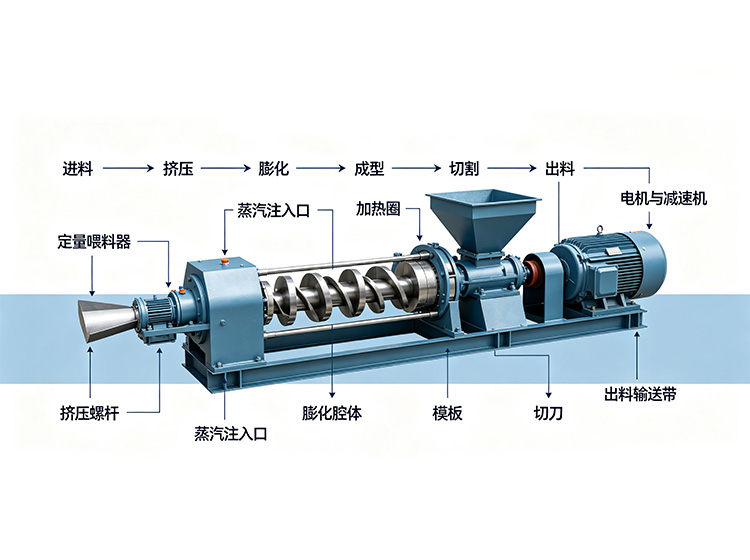
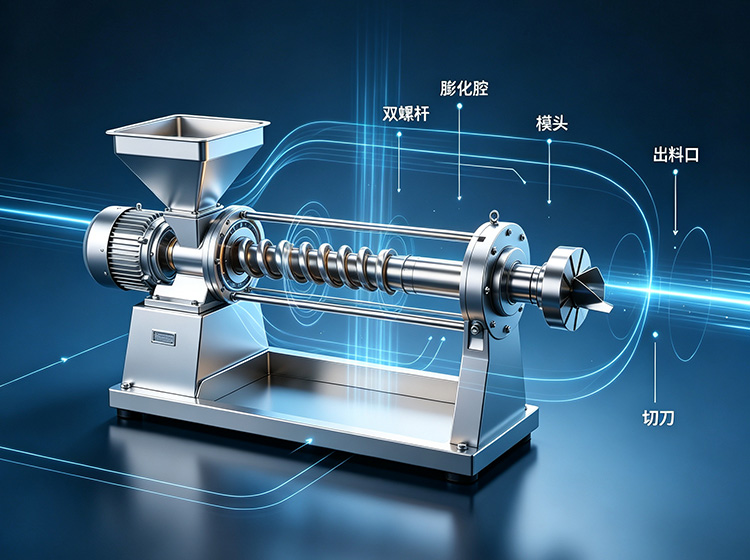
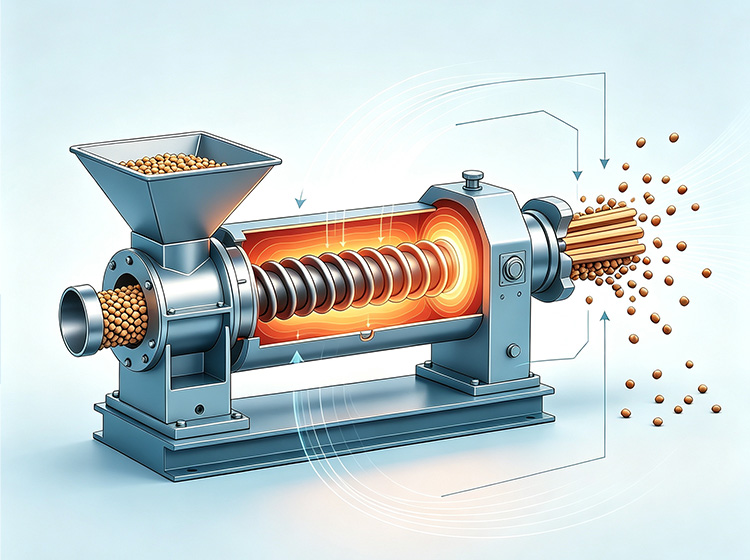
Oil Processing Extrusion, Expansion, and Leaching Equipment: The "Extrusion, Expansion, and Leaching Machine" represents the advanced technology currently available in the international oil processing industry. It can replace certain stages of the traditional complete oil leaching equipment process, including crushing, conditioning, flaking, and leaching, delivering significant economic and social benefits.Currently, most factories still rely on traditional oil extraction processes and equipment, which means this equipment has a broad market prospect.
Large-scale complete sets of equipment for deep processing and comprehensive utilization of corn. In developed countries such as the United States, the comprehensive utilization rate of corn reaches up to 99%, enabling the simultaneous production of more than 30 main products and by-products. These systems are widely applied in the food, chemical, pharmaceutical, and biotechnology sectors.The food technology and equipment industry should take on the responsibility of developing deep-processing equipment to meet the needs of the industry's economic development.
The technical specifications and production capacities of large-scale and small-scale complete starch processing equipment sets are no longer sufficient to meet the development needs of the food industry.Breakthroughs must be achieved as soon as possible in the research and development of large-scale starch processing equipment, striving to reach a new level.
Highly Automated Complete Food Processing Equipment: Scientific research on food processing machinery has achieved high levels of automatic control and management, which not only saves labor but also significantly improves product quality.Currently, many manufacturers still rely heavily on manual operations in this area, so it is imperative to accelerate the development of related technologies and the localization of equipment.
Vegetable Deep-Processing Equipment In recent years, the deep-processing of vegetable products has developed rapidly; however, the proportion of deeply processed vegetable foods in the total vegetable output remains below 10%, creating an urgent need for a large number of deep-processing equipment.
Meat and meat product processing equipment. In accordance with the key requirements of the national food industry science and technology development plan, in addition to continuing to apply applicable new technologies such as quick freezing, low-temperature sterilization, low-temperature preservation, and cold chain distribution, there is also an urgent need to accelerate the development of cooked meat products such as chilled meat, pre-prepared or seasoned meat, and ham sausages.At the same time, it is essential to further develop and refine the comprehensive utilization technologies and equipment for slaughterhouse by-products such as offal, blood, hides, bones, feathers, and various glands. Separation and purification technologies should be applied to process waste, and substances with functional and physiological activities should be developed.
What conditions should be considered during implementation or selection?
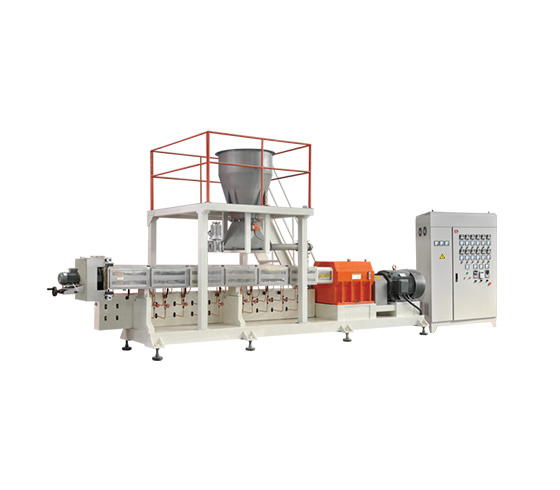
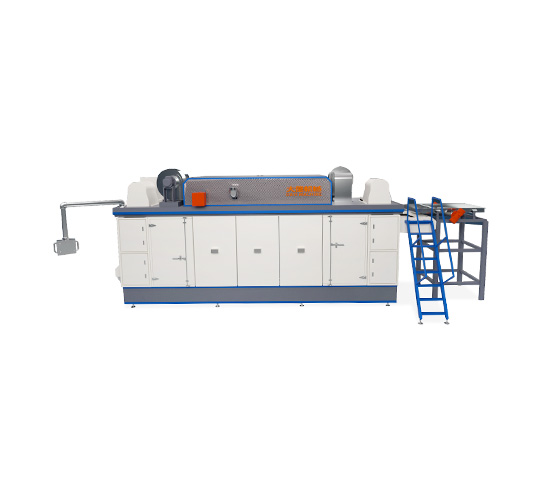
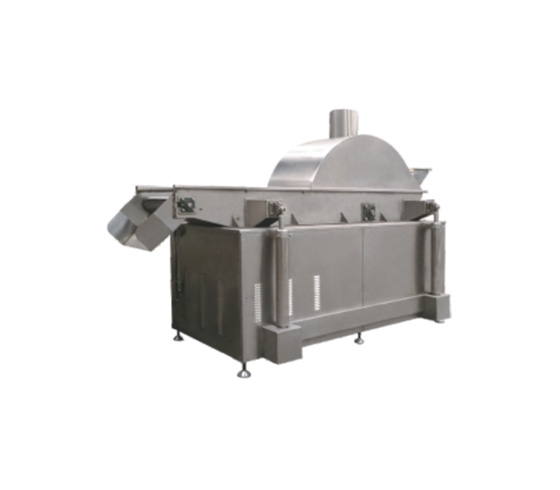
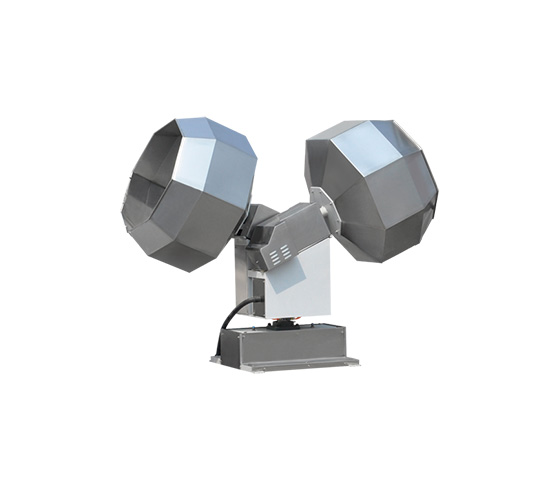
First, it is essential to clarify the product type, raw material state, formulation direction, and expected finished product requirements.For projects involving extrusion, forming, drying, frying, conveying, seasoning, or packaging, the processing capacity and cycle time of each stage must be matched to avoid discrepancies between individual equipment capacity and the overall line requirements.
Secondly, the installation plan should be evaluated in conjunction with the workshop's spatial layout and utility conditions, including power supply, water supply, steam, or gas.Equipment configuration should also take into account long-term operational factors such as cleaning, maintenance, safety protection, spare parts supply, and operator training.Any process or equipment capabilities mentioned in this document are for reference only in the context of solution discussions and preliminary assessments.Specific model numbers, power ratings, production capacities, temperatures, and times shall be subject to the official technical proposal and the results of trial runs or on-site verification.
Frequently Asked Questions
Can the equipment be determined directly based on the standard configuration?
Not recommended.The equipment configuration is influenced by different raw materials, product structures, target production capacities, and downstream processes.It is more prudent to confirm the product and process conditions before proceeding with the configuration assessment.
How to obtain more targeted advice?
It is recommended to prepare product images or sample information, raw material and formulation guidelines, target production capacity, existing workshop conditions, and planned downstream equipment configurations.Dayi Machinery can further discuss the applicable process routes and equipment configuration options based on this.
This article is compiled based on the document "Promising Food Machinery (Part I)" provided by Dayi Machinery, with the aim of helping readers understand the relevant topics.For technical requirements related to specific projects, please refer to the actual product documentation and engineering confirmation results.