Working Principle and Practical Applications of Twin-Screw Extruders

Published:2026-07-18

The working principle and practical applications of twin-screw extruders involve process, equipment selection, and operational management issues in food processing and production equipment.The actual solution should be confirmed based on raw material characteristics, target product specifications, production scale, and on-site conditions, and should not be determined solely by the parameters of a single piece of equipment.

Core Principles and Practical Applications of Twin-Screw Extrusion Puffing Machines

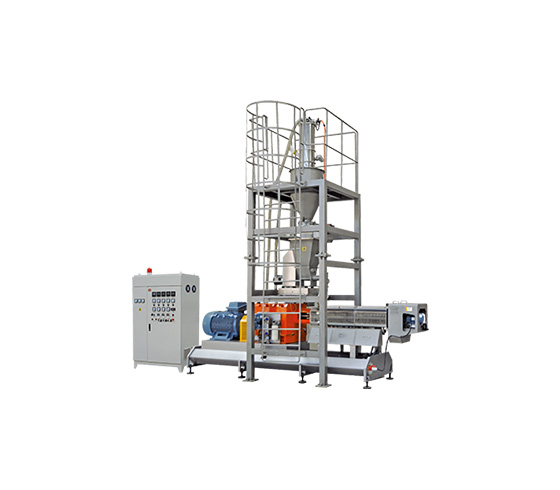
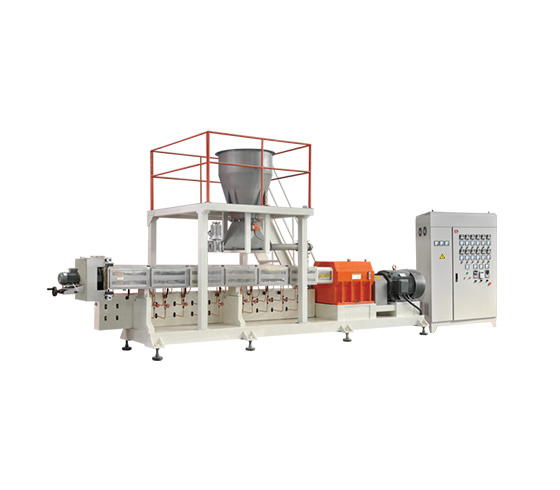
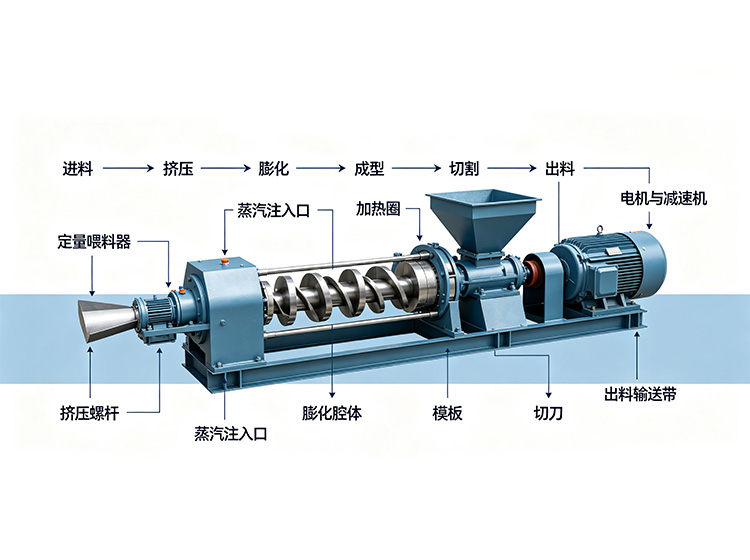
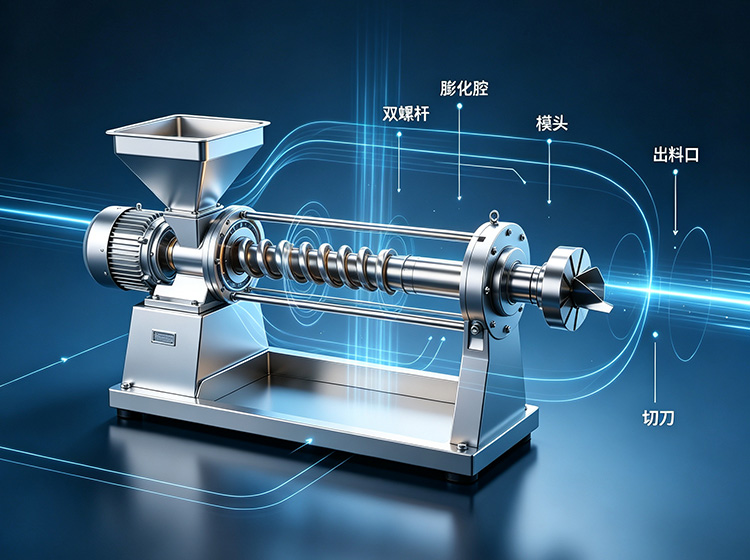
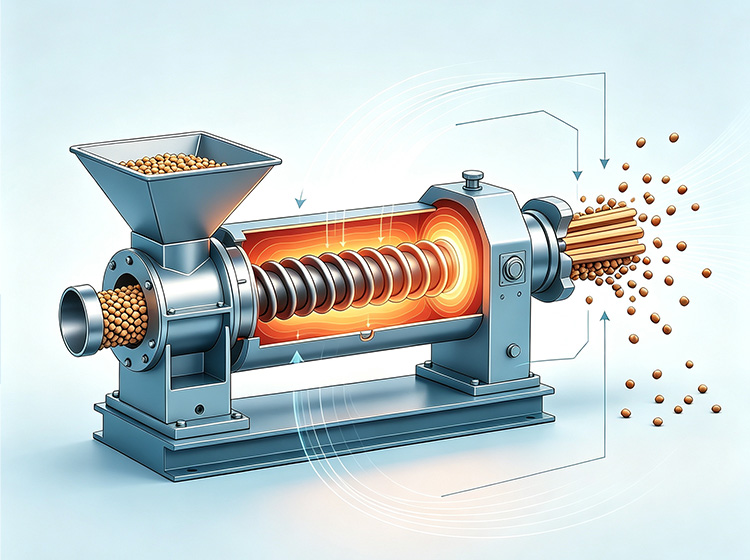
Subject: Working Principle and Practical Applications of Twin-Screw ExtrudersWorking principle of twin-screw extrusion puffing: After being crushed to a certain degree, the material is fed into the extrusion puffing machine chamber at a specific moisture content. Inside the barrel, it undergoes a series of complex, continuous processing steps, including mixing, shearing, melting, cooking, and sterilization.Due to the pressure difference between the inside and outside of the barrel, when the material is extruded through the die, the external pressure drops instantaneously to atmospheric pressure, causing the material to expand immediately.After extrusion puffing, the degree of gelatinization of the material is increased, making it more susceptible to enzymatic hydrolysis, with good rehydration properties and significantly improved processing performance.Furthermore, when the material is subjected to high temperatures and high shear forces within the barrel, macromolecules such as proteins and starch undergo deformation and structural reorganization, gelatinization, and degradation.Small-molecule substances such as amino acids and reducing sugars undergo the Maillard reaction.

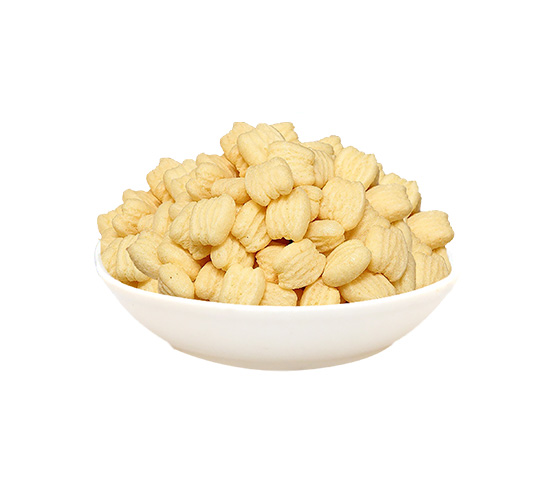
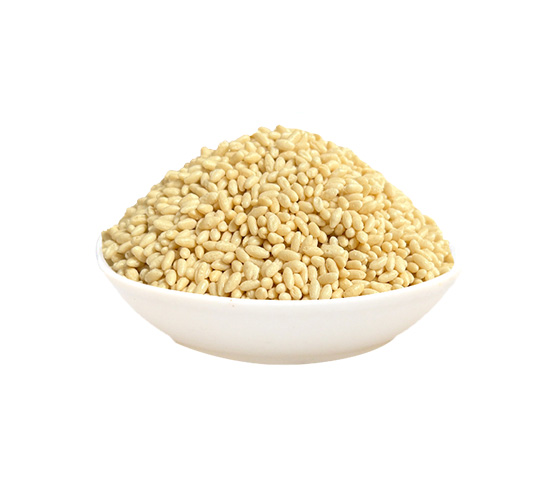
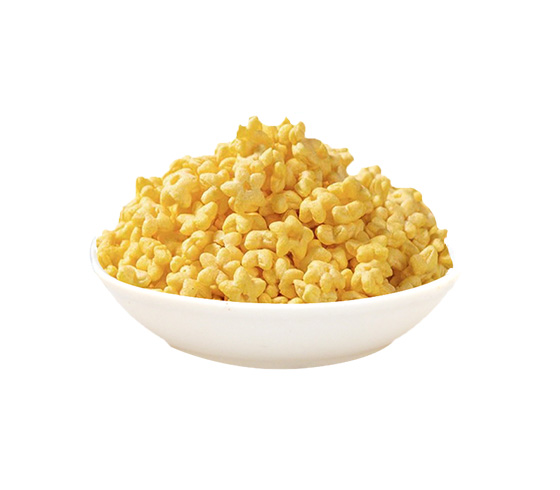
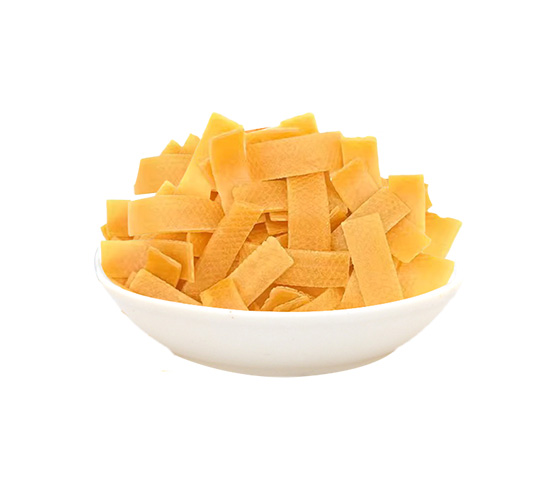
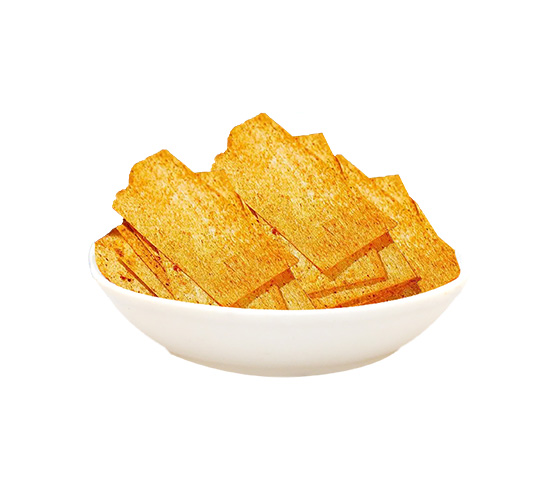
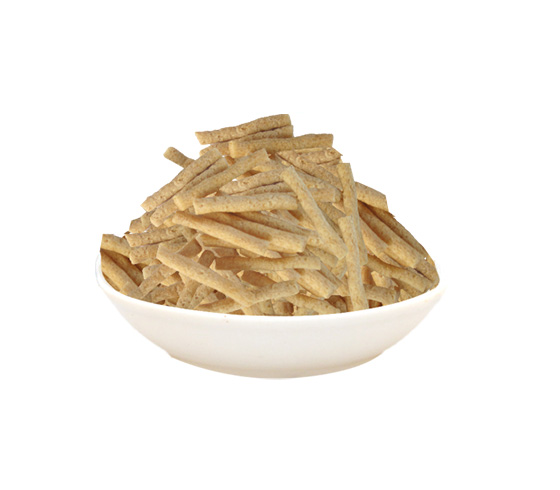
Subject: Working Principle and Practical Applications of Twin-Screw ExtrudersApplication Classification of Twin-Screw Extruders: The food products manufactured by twin-screw extruders are mainly divided into two categories. The first category consists of products made from raw materials such as rice, corn, sweet potatoes, and other grains and tubers, which undergo extrusion puffing, baking, dehydration, and frying, followed by the addition of various flavors.Puffed rice cakes, puffed mahua, puffed buckwheat flakes, and similar products all fall into this category.

Subject: Working Principle and Practical Applications of Twin-Screw ExtrudersApplication categories of twin-screw extrusion puffing machines: Another category is puffed snack foods with fillings.During extrusion puffing production, using specialized equipment and corresponding molds, fillings such as cheese, chocolate, and sugar are injected into the hollow cavities of the product extruded by the main machine, thereby producing puffed snack products with fillings.On the one hand, such foods exhibit a light and crispy texture due to the puffing effect.On the other hand, by adjusting the type of filling injected, different flavors can be imparted to the product.

What conditions should be considered during implementation or selection?

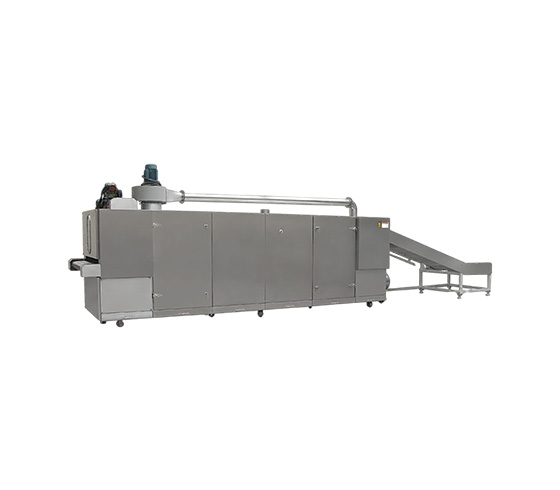
First, it is essential to clarify the product type, raw material state, formulation direction, and expected finished product requirements.For projects involving extrusion, forming, drying, frying, conveying, seasoning, or packaging, the processing capacity and cycle time of each stage must be matched to avoid discrepancies between individual equipment capacity and the overall line requirements.

Secondly, the installation plan should be evaluated in conjunction with the workshop's spatial layout and utility conditions, including power supply, water supply, steam, or gas.Equipment configuration should also take into account long-term operational factors such as cleaning, maintenance, safety protection, spare parts supply, and operator training.Any process or equipment capabilities mentioned in this document are for reference only in the context of solution discussions and preliminary assessments.Specific model numbers, power ratings, production capacities, temperatures, and times shall be subject to the official technical proposal and the results of trial runs or on-site verification.

Frequently Asked Questions

Can the equipment be determined directly based on the standard configuration?

Not recommended.The equipment configuration is influenced by different raw materials, product structures, target production capacities, and downstream processes.It is more prudent to confirm the product and process conditions before proceeding with the configuration assessment.

How to obtain more targeted advice?

It is recommended to prepare product images or sample information, raw material and formulation guidelines, target production capacity, existing workshop conditions, and planned downstream equipment configurations.Dayi Machinery can further discuss the applicable process routes and equipment configuration options based on this.

This article is compiled based on the document “Working Principle and Practical Application of Twin-Screw Extrusion Puffing Machine” provided by Dayi Machinery, with the aim of helping readers understand the relevant topics.For technical requirements related to specific projects, please refer to the actual product documentation and engineering confirmation results.