Efficient Use Guide for Fryers

Published:2026-07-18

The efficient use guide for fryers addresses process, selection, and operational management issues related to food processing and production equipment.The actual solution should be confirmed based on raw material characteristics, target product specifications, production scale, and on-site conditions, and should not be determined solely by the parameters of a single piece of equipment.

Key Points for the Efficient Use of Fryers

During the use of the fryer, there are several precautions that require special attention.Different types of fryers provide equipment designers with diverse insights, thereby driving innovation and improvement in frying equipment and deepening our understanding of the processing technology.

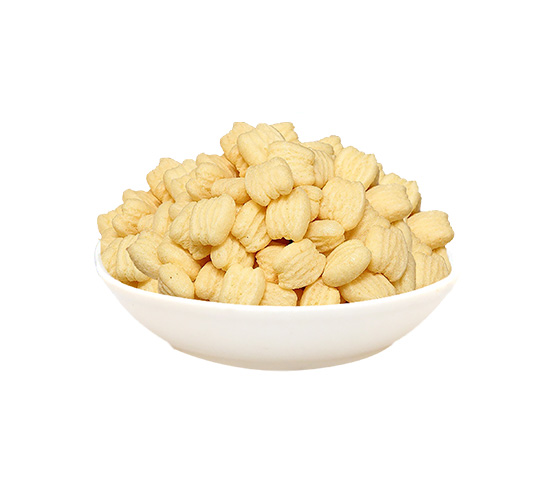
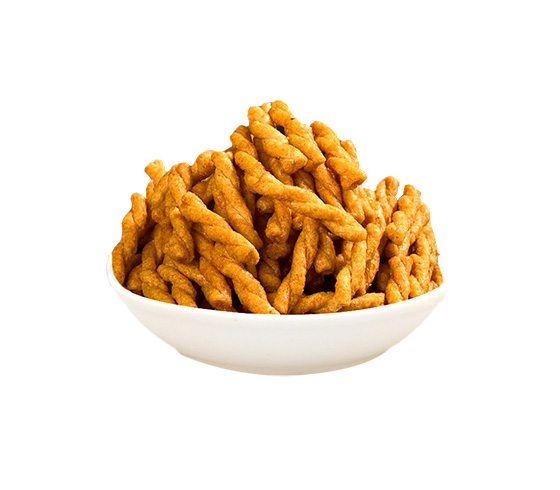
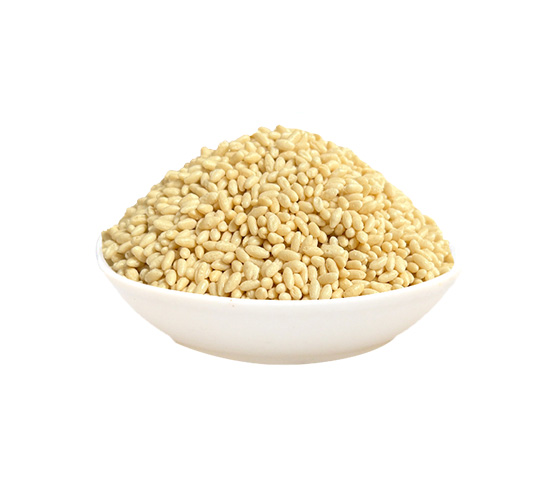
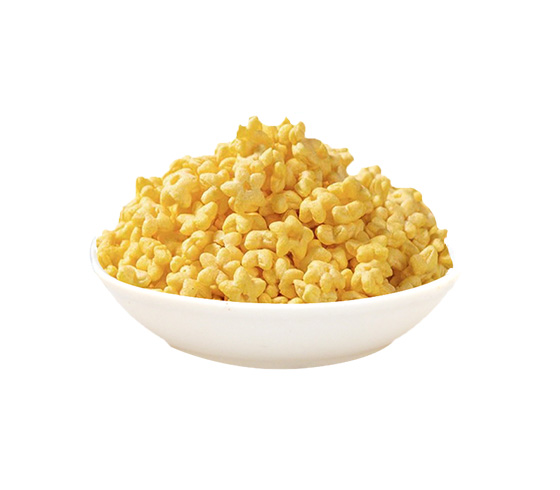
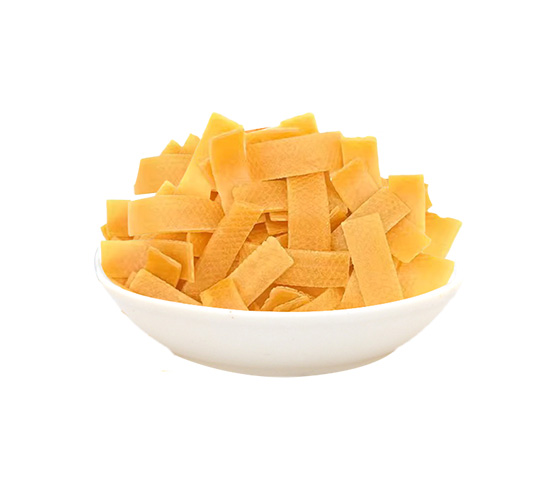
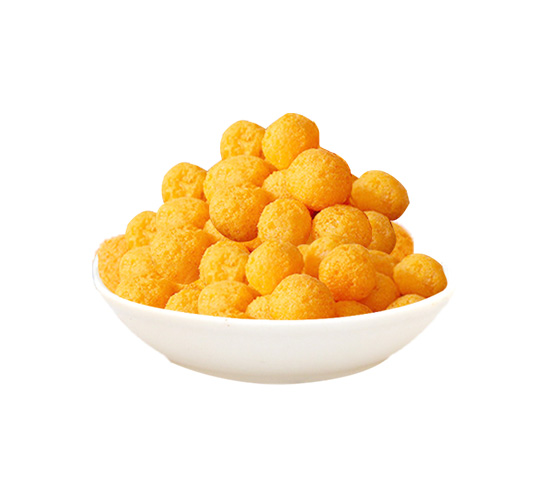
Subject: A Guide to the Efficient Use of Fryers;Product Process and Equipment Selection: Before using the equipment, it is essential to clearly define the category of products to be produced, such as pasta series, soy products, or puffed foods.The production processes for different products vary and require advance planning.Based on different usage methods, frying equipment can be divided into oil-water mixed equipment and pure oil equipment:

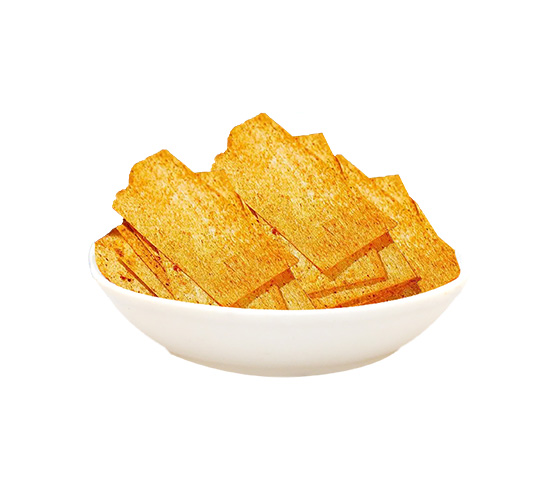
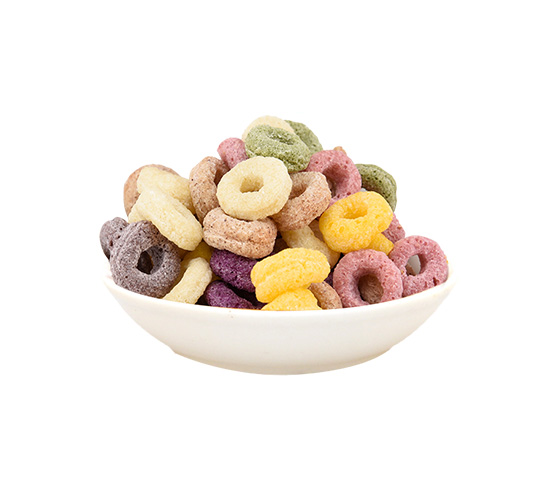
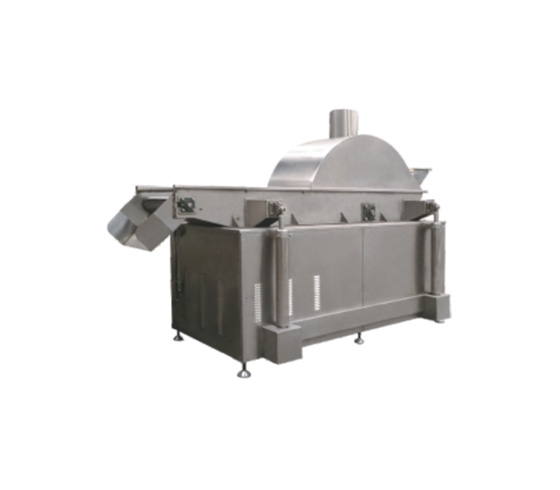
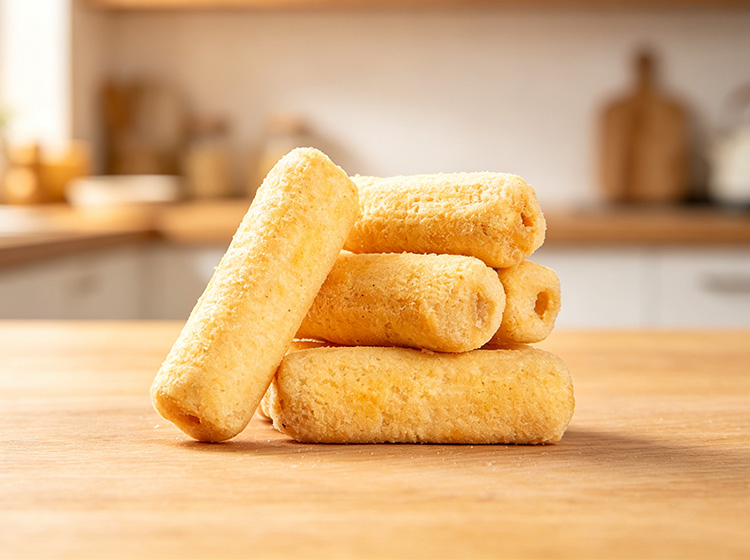
Subject: A Guide to the Efficient Use of Fryers;Product Process and Equipment Selection: Oil-water Mixing Equipment: Suitable for flour-based products such as mahua, sachima, and maoder, as well as soybean-based products including broad beans, mung beans, tofu puffs, and fish tofu.- Pure oil equipment: Suitable for extruded puffed foods and prepared foods.

Subject: A Guide to the Efficient Use of Fryers;Operational Safety and Maintenance: Lubrication Requirements: Before using the equipment, ensure that the furnace body is filled with an adequate amount of edible oil. Dry heating is strictly prohibited to prevent damage to the electric heating tubes.2. Clean residue: Oil residue will accumulate on the heating tube after prolonged operation. It should be cleaned promptly, with a minimum of four cleanings per month.At the same time, residues on the surface of the fryer must be promptly removed to prevent excessive buildup, which could lead to heat accumulation in the debris and cause a fire.3. Oil change interval: For oil-water mixed frying machines, it is recommended to change the water once a day during summer.In winter, replace the oil regularly based on water quality conditions to ensure oil quality.4. Liquid Level Check: The heating element must be fully submerged in the medium to operate.5. Electrical Inspection: Regularly check the performance and sensitivity of photoelectric switches to ensure accurate control.

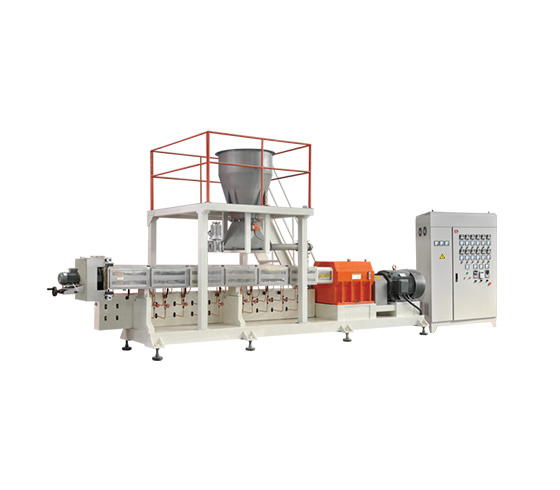
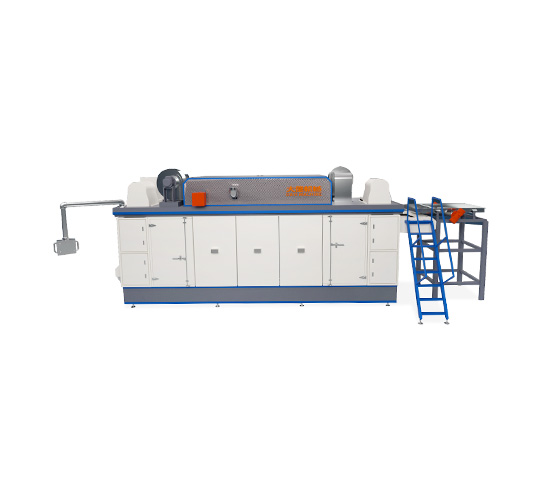
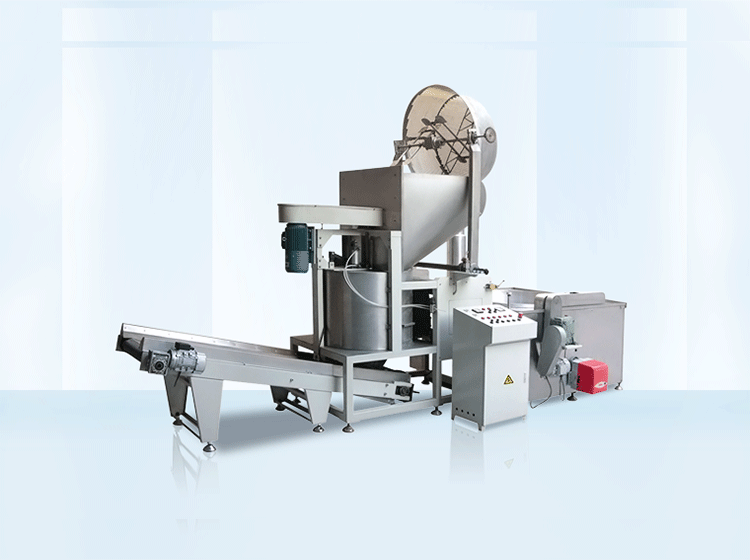
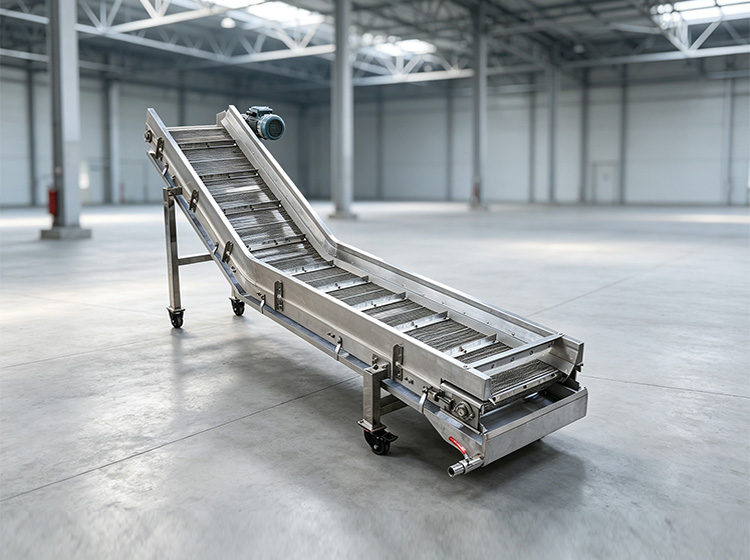
Subject: A Guide to the Efficient Use of Fryers;Equipment Performance and Process Advantages: This fryer adopts industry-leading design, enabling continuous and uniform feeding and continuous discharge during operation.Frying time and temperature can be set by operators as needed.During the frying process, the material achieves self-stirring through its own movement, eliminating the need for external assistance and significantly reducing the breakage rate of the material.Production capacity can be flexibly designed according to customer requirements, and the oxygen concentration within the frying tank is significantly reduced.

Subject: A Guide to the Efficient Use of Fryers;Equipment Performance and Process Advantages: The fully automatic frying machine effectively prevents food discoloration and browning, preserving the original color of the raw materials.For example, kiwifruit is highly susceptible to thermal browning; however, vacuum frying can help maintain its green color.However, lipid-soluble pigments such as carotenoids and chlorophyll are prone to dissolution and loss during frying.Therefore, raw materials should undergo pre-treatment before frying, and the temperature control characteristics of the fryer should be utilized to maintain pigment stability.

Subject: A Guide to the Efficient Use of Fryers;Automatic temperature control system: Advanced frying equipment is typically equipped with an automatic temperature control device, allowing the oil temperature to be adjusted freely between room temperature and 230°C.After setting the target oil temperature, the system automatically controls heating to maintain a constant temperature.This not only reduces power consumption but also makes operation simpler and faster, effectively improving production efficiency.

What conditions should be considered during implementation or selection?

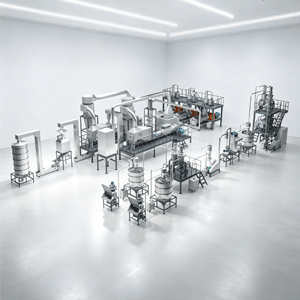
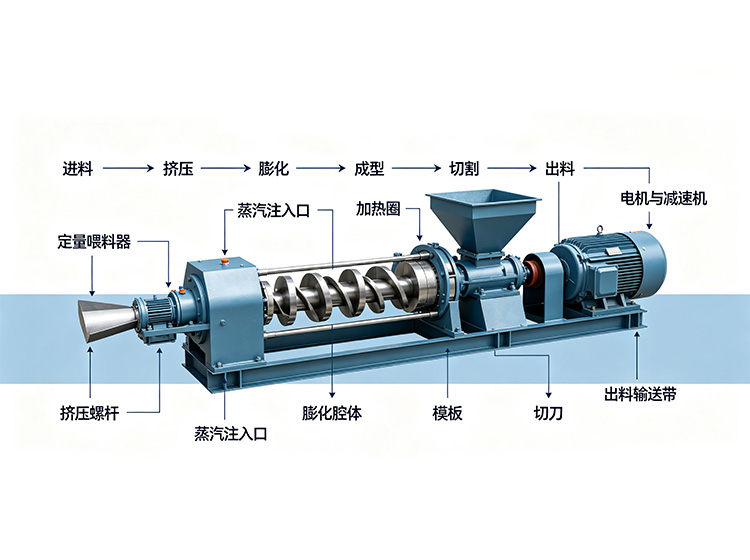
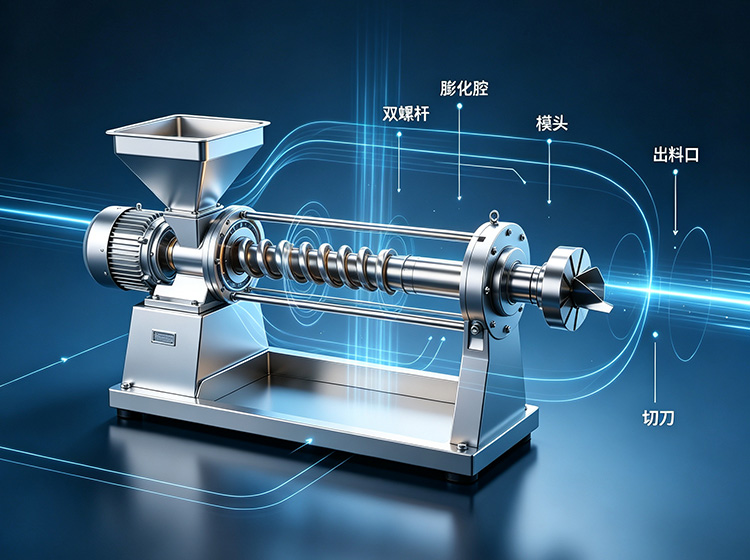
First, it is essential to clarify the product type, raw material state, formulation direction, and expected finished product requirements.For projects involving extrusion, forming, drying, frying, conveying, seasoning, or packaging, the processing capacity and cycle time of each stage must be matched to avoid discrepancies between individual equipment capacity and the overall line requirements.

Secondly, the installation plan should be evaluated in conjunction with the workshop's spatial layout and utility conditions, including power supply, water supply, steam, or gas.Equipment configuration should also take into account long-term operational factors such as cleaning, maintenance, safety protection, spare parts supply, and operator training.Any process or equipment capabilities mentioned in this document are for reference only in the context of solution discussions and preliminary assessments.Specific model numbers, power ratings, production capacities, temperatures, and times shall be subject to the official technical proposal and the results of trial runs or on-site verification.

Frequently Asked Questions

Can the equipment be determined directly based on the standard configuration?

Not recommended.The equipment configuration is influenced by different raw materials, product structures, target production capacities, and downstream processes.It is more prudent to confirm the product and process conditions before proceeding with the configuration assessment.

How to obtain more targeted advice?

It is recommended to prepare product images or sample information, raw material and formulation guidelines, target production capacity, existing workshop conditions, and planned downstream equipment configurations.Dayi Machinery can further discuss the applicable process routes and equipment configuration options based on this.

This article is compiled based on the "High-Efficiency Operation Guide for Fryers" provided by Dayi Machinery, with the aim of helping readers understand the relevant topics.For technical requirements related to specific projects, please refer to the actual product documentation and engineering confirmation results.