The analysis of development trends in puffed food involves process, equipment selection, or operational management issues related to food processing and production equipment.The actual solution should be confirmed based on raw material characteristics, target product specifications, production scale, and on-site conditions, and should not be determined solely by single equipment parameters.
Key Points in the Analysis of Development Trends in Puffed Food Industry
For a long time, puffed snacks have been highly favored by consumers due to their excellent taste, unique and diverse flavors, portability, convenience of consumption, and long shelf life.However, in recent years, puffed foods have faced repeated criticism due to issues such as nutritional safety, which has severely constrained their healthy development.The current status and future development are analyzed herein.
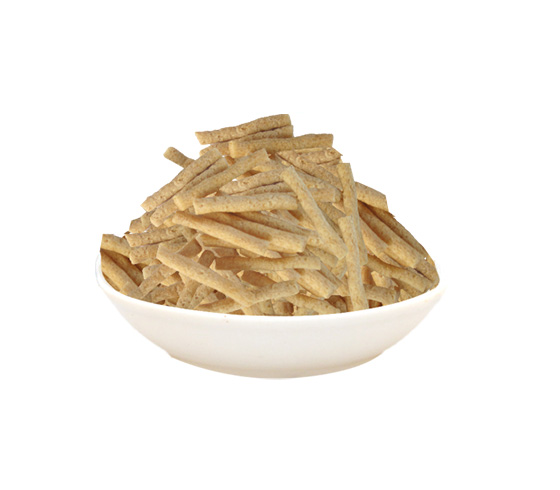
Nutritional cereal puffed food.Fat, carbohydrates, and protein are the main components of traditional puffed foods.From a compositional perspective, it is a high-fat, high-calorie, and low-fiber food.In addition, most traditional puffed snacks contain higher levels of monosodium glutamate, salt, and food additives.Long-term and excessive consumption can lead to excessive fat and calorie intake, insufficient nutrient intake, and an increased risk of obesity.As consumers' awareness continues to grow, food nutrition has become a primary consideration in their purchasing decisions.As a category of puffed foods, the primary challenge in the current industry's development is to address the nutritional aspects of the products and change the public's perception of them as "junk food."From a compositional perspective, traditional cereal-based puffed snacks are high in fat and calories but low in crude fiber. Long-term consumption can lead to excessive intake of fat and calories, insufficient nutrient intake, and an increased risk of obesity.Therefore, low-energy processing is also an important development direction for snack foods.
Many puffed cereal products require a frying process, so their energy control is closely related to oil content, which depends on the oil absorption during processing.Selecting raw materials with high solid content can shorten the frying time, or pre-drying or partially drying the raw materials before frying can reduce the frying time.To control oil absorption during the frying process, frying temperature is also critical.Frying should be conducted at the highest possible temperature to shorten frying time and reduce oil absorption.Furthermore, the larger the surface area of the raw material, the higher the oil absorption; therefore, thin-slice products have a lower oil content.Microwave puffing refers to the process in which electromagnetic energy is radiated and conducted, causing water molecules to absorb microwave energy and undergo rapid molecular vibration to gain kinetic energy, thereby achieving moisture vaporization and subsequently driving the overall puffing of the material.Currently, there are cereal puffing foods produced using microwave puffing technology, such as microwave popcorn in the United States.
Compared with fried puffed snacks, microwave-puffed products have low oil content, are oil-free or low-oil, and are crispy and delicious. They also feature fast and short heating times, high product quality, uniform heating, and small equipment footprint.It is foreseeable that microwave puffing technology is a development direction for puffing food production technology.Since China's basic research and equipment development in the application of microwave puffing are still in their infancy, microwave puffing technology requires further research and development.
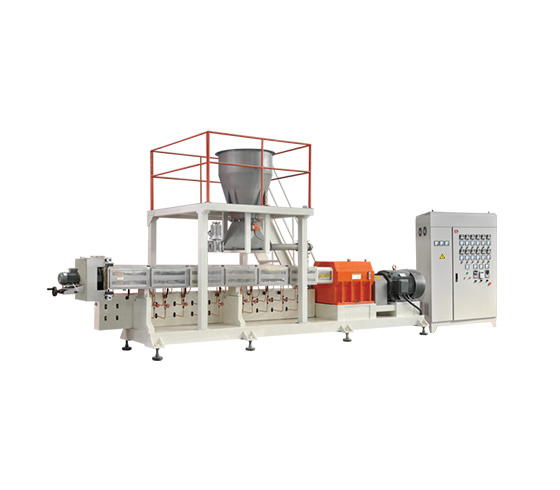
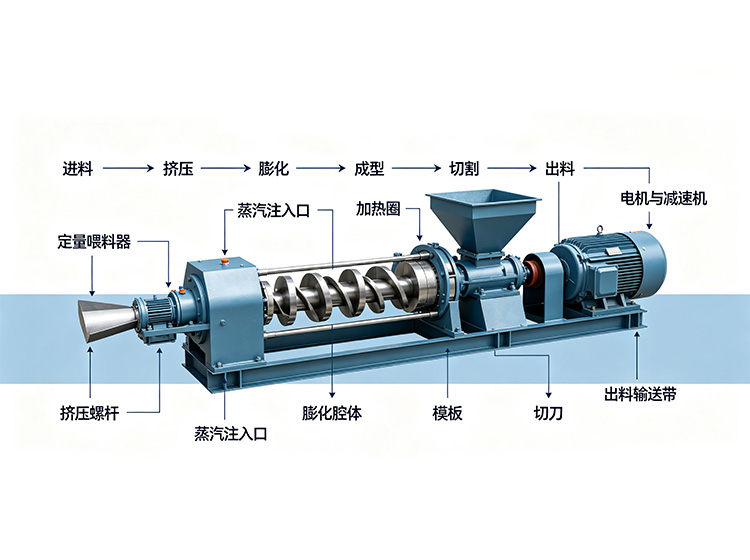
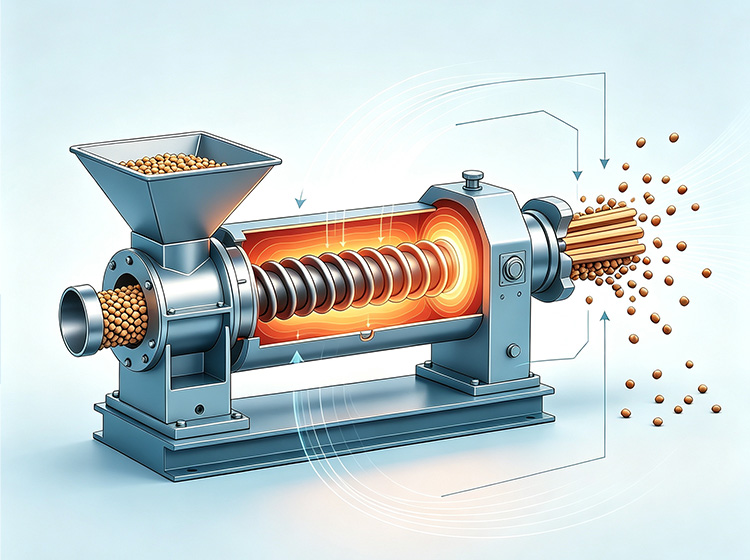
Grain is the primary food resource for human survival, and the grain processing industry bears the important responsibility of providing basic dietary sources and safeguarding human health.Currently, the global food processing industry is advancing toward the utilization of modern high-tech innovations, the in-depth development of limited grain resources, and the enhancement of the added value of grain products.Currently, the production of puffed foods using extrusion technology in China is still in its early stages. It is essential to actively advance research on extrusion theory and technology, and to continuously develop new products.With the advancement of the aforementioned initiatives and the improvement in living standards, puffed foods that meet consumers' needs are poised to experience rapid growth.
What conditions should be considered during implementation or selection?
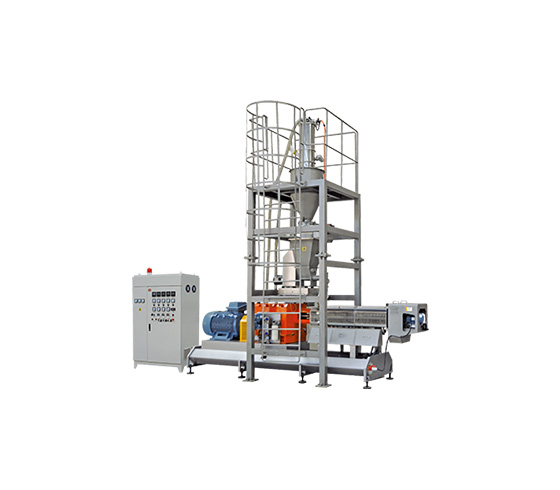
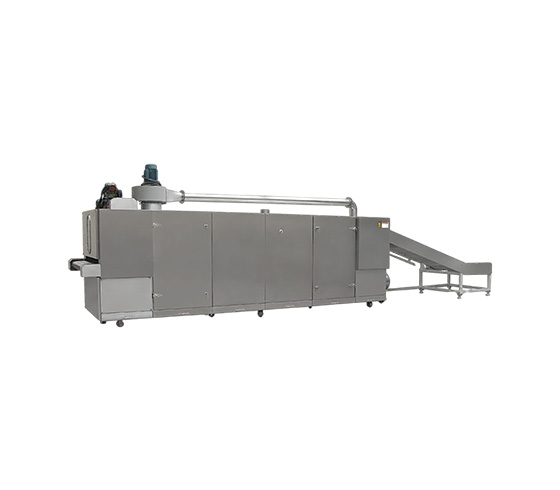
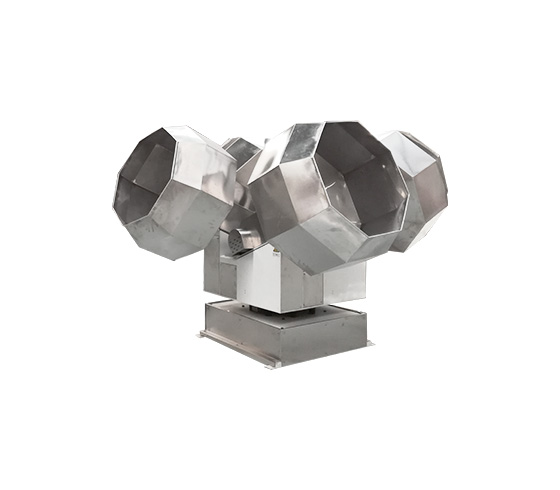
First, it is essential to clarify the product type, raw material state, formulation direction, and expected finished product requirements.For projects involving extrusion, forming, drying, frying, conveying, seasoning, or packaging, the processing capacity and cycle time of each stage must be matched to avoid discrepancies between individual equipment capacity and the overall line requirements.
Secondly, the installation plan should be evaluated in conjunction with the workshop's spatial layout and utility conditions, including power supply, water supply, steam, or gas.Equipment configuration should also take into account long-term operational factors such as cleaning, maintenance, safety protection, spare parts supply, and operator training.Any process or equipment capabilities mentioned in this document are for reference only in the context of solution discussions and preliminary assessments.Specific model numbers, power ratings, production capacities, temperatures, and times shall be subject to the formal technical proposal and the results of trial runs or on-site verification.
Frequently Asked Questions
Can the equipment be determined directly based on the standard configuration?
Not recommended.Different raw materials, product structures, target production capacities, and downstream processes can affect the equipment configuration.It is more prudent to confirm the product and process conditions before proceeding with the configuration assessment.
How to obtain more targeted advice?
It is recommended to prepare product images or sample information, raw material and formulation guidelines, target production capacity, existing workshop conditions, and planned downstream equipment configurations.Dayi Machinery can further discuss the applicable process routes and equipment configuration options based on this.
This article is compiled based on the "Analysis of Development Trends in Puffed Food" document provided by Dayi Machinery, with the aim of helping readers understand the relevant topics.For technical requirements related to specific projects, please refer to the actual product documentation and engineering confirmation results.