Guide to Selecting Filled Puffed Snack Production Lines

Published:2026-07-18

Extruded Sandwich Food Production Line Selection Guide addresses issues related to food processing and production equipment technology, selection, or operational management. Actual solutions must be confirmed based on raw material characteristics, target products, production scale, and on-site conditions—not solely on individual equipment parameters.

Core Points of the Selection Guide for Puffing Sandwich Food Production Lines

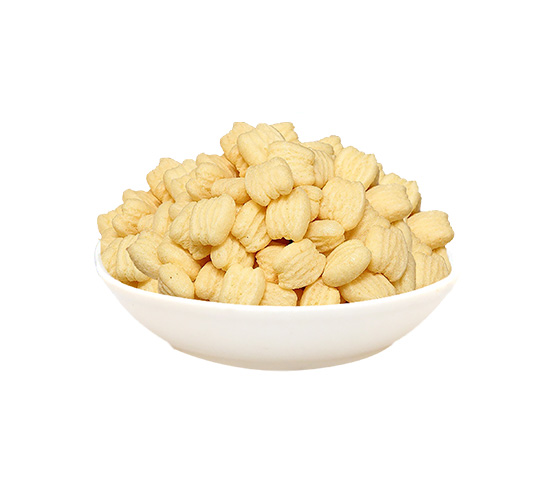
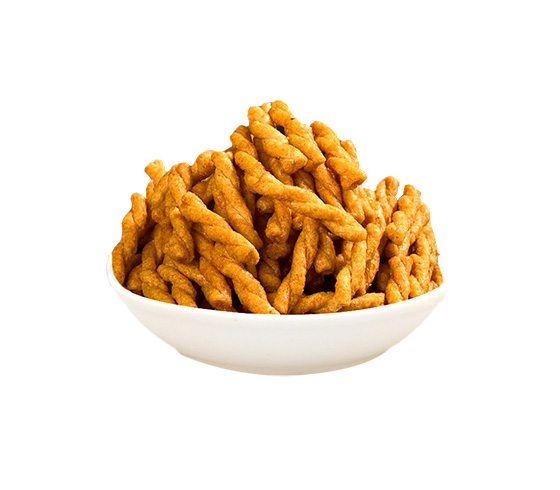
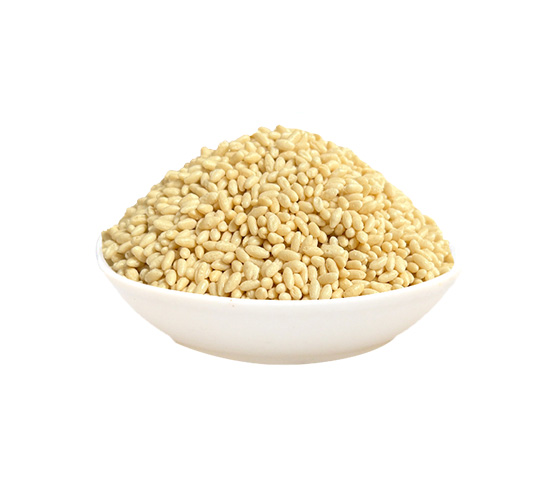
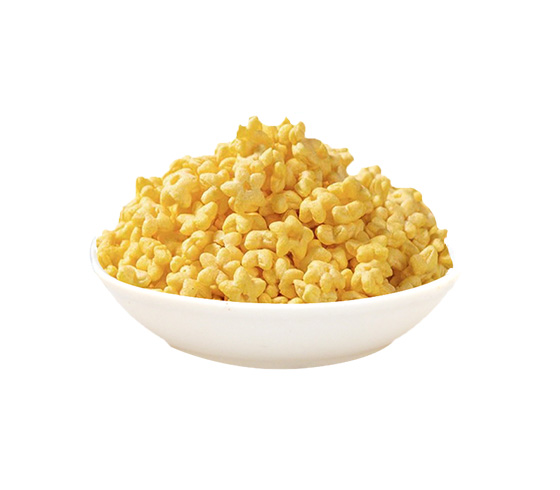
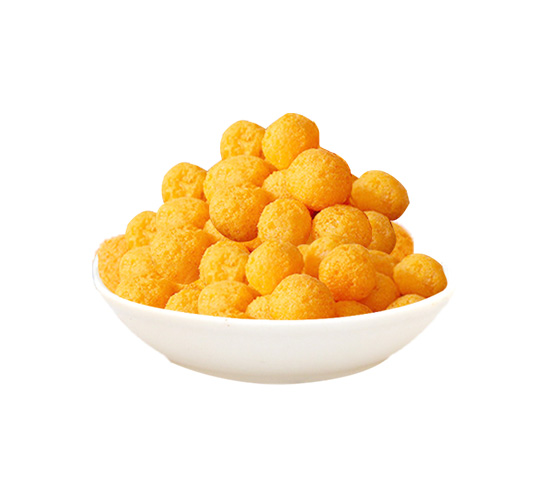
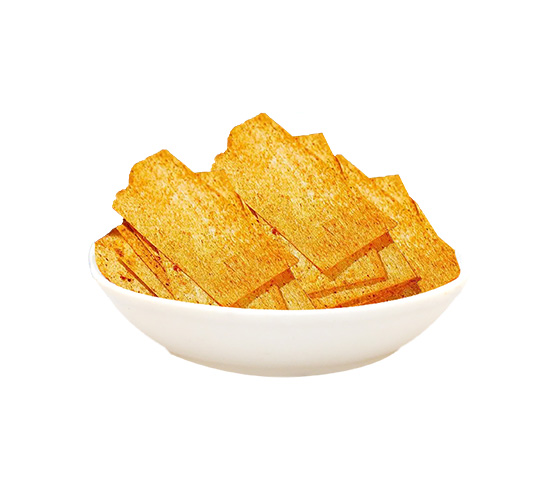
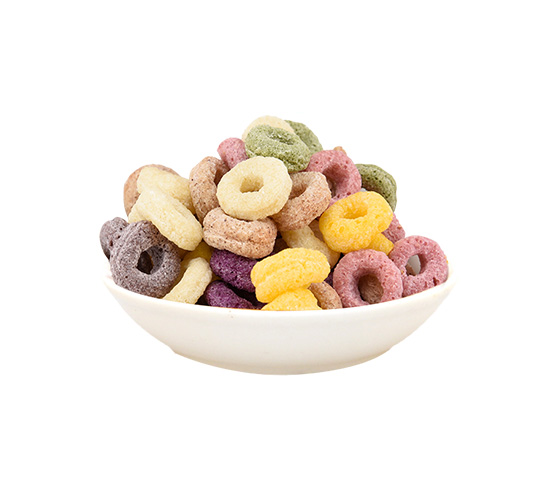
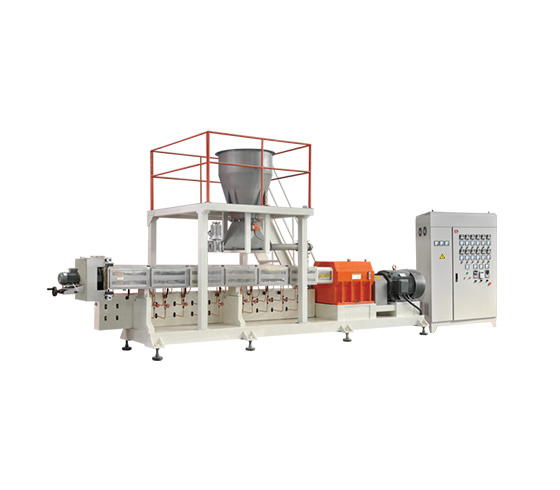
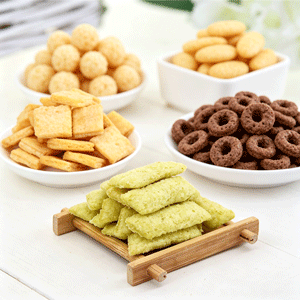
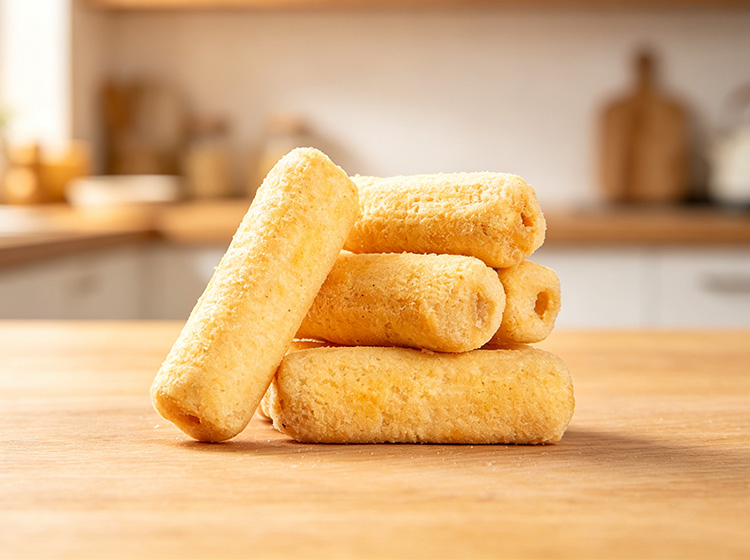
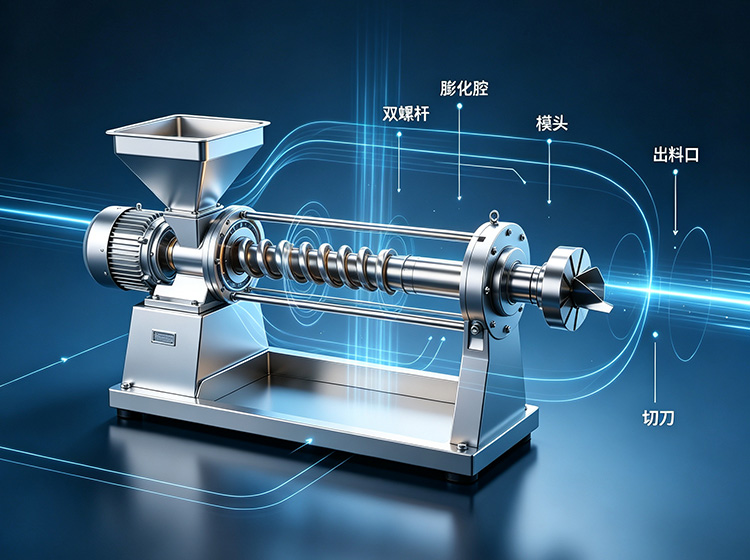
The products produced by the extruded filled snack food production line belong to extrusion-expanded leisure foods. This production line adopts advanced co-extrusion technology, simultaneously extruding two materials with different textures and mouthfeels on a twin-screw extrusion expander, enabling production of popular market items such as chicken nuggets, filled rice cakes, puffed candy, and other extruded filled snack foods. By changing dies and auxiliary equipment, it can also produce breakfast cereals, nutritional powders, and various-shaped extruded leisure foods. Due to its wide range of applicable raw materials, convenient operation and maintenance, low energy consumption, and high output, this automated production line ranks among the leading ones domestically.

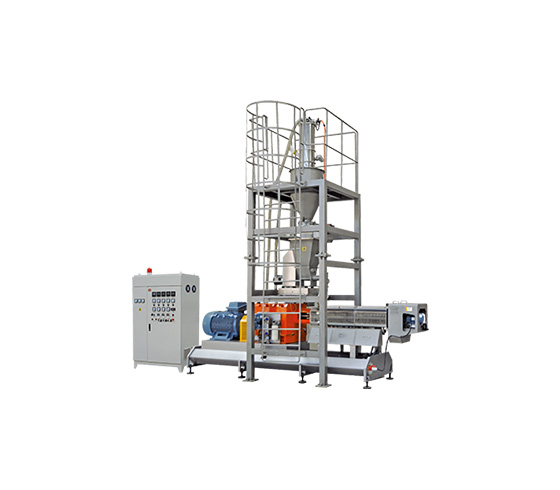
The extrusion puffing and sandwich food production line is equipped with multiple models of extrusion puffing main units, differing in capacity, dimensions, and power. Customers may select the appropriate extrusion puffing main unit according to their specific production requirements.

Model: SLG65-C; Installed Capacity: 41 kW; Power Consumption: 41 kW; Production Capacity: 100–150 kg/h; Overall Dimensions: 1800×1200×2000 mm

Model: SLG70-A; Installed Capacity: 06 kW; Power Consumption: 56 kW; Production Capacity: 250–300 kg/h; Overall Dimensions: 2300×2000×3000 mm

Model: SLG85-A; Installed Capacity: 06 kW; Power Consumption: 98 kW; Production Capacity: 350–400 kg/h; Overall Dimensions: 3100×2000×3000 mm

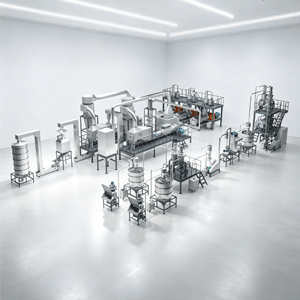
The process flow of each piece of equipment in the puffed filled snack food production line is as follows:

Mixer: Thoroughly and uniformly mixes raw materials required for production with a specified amount of water.

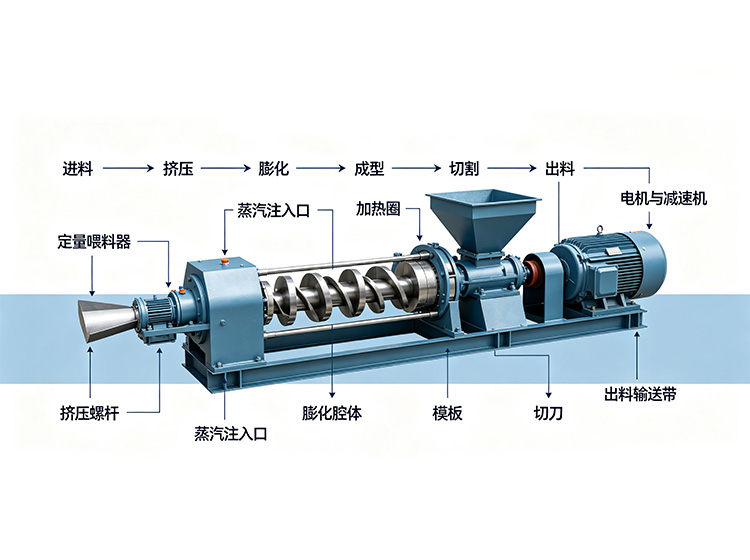
Screw Feeder: Transfers the mixed raw materials to the extrusion expander. Screw feeding ensures uniform and stable material feeding.

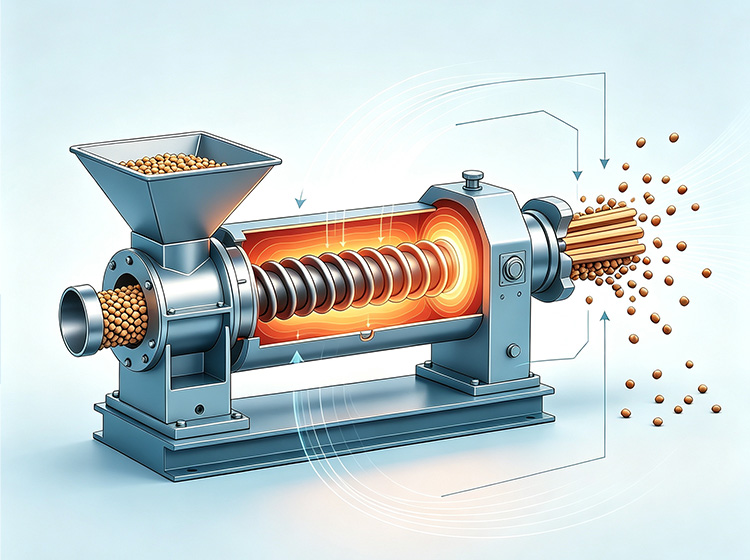
Twin-screw main unit: Raw materials are extruded and puffed within this main extrusion unit, where the internal structure of the product begins to change, and the final product is shaped through a die.

Sandwich Filling Machine: Injects filling material into the extrusion puffed food machine at the instant of product extrusion. Common fillings include chocolate paste, peanut butter, etc.

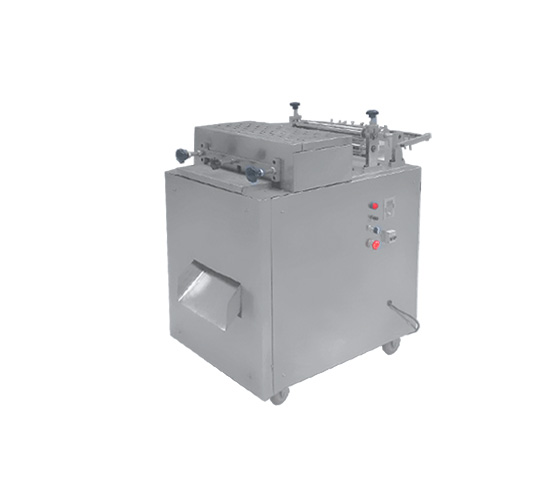
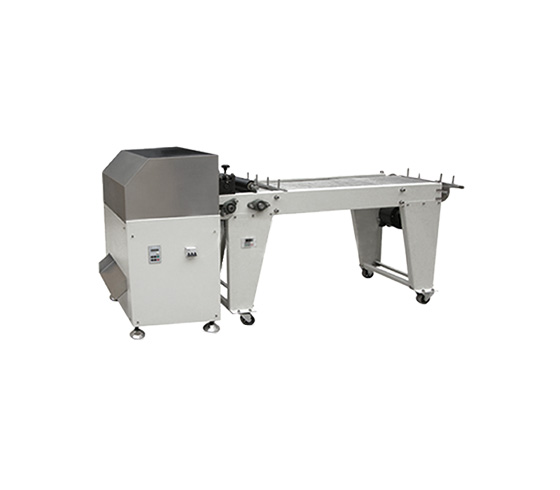
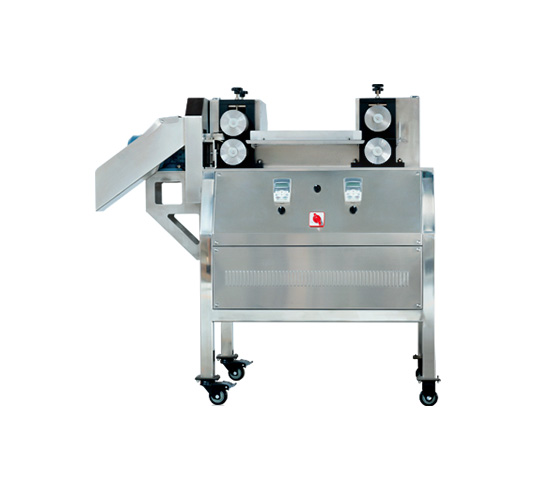
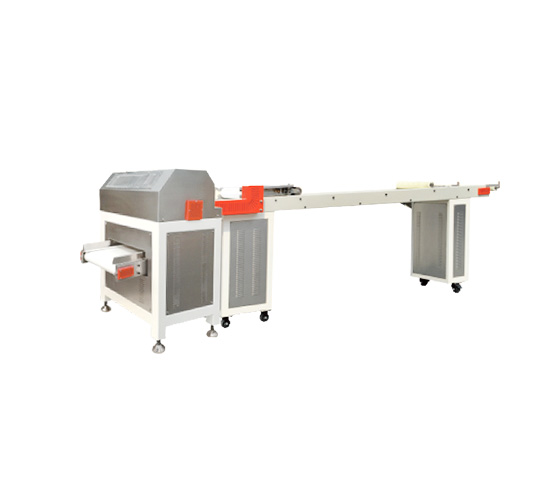
Multi-functional Shaping and Cutting Machine: Cuts extruded products into standard dimensions.

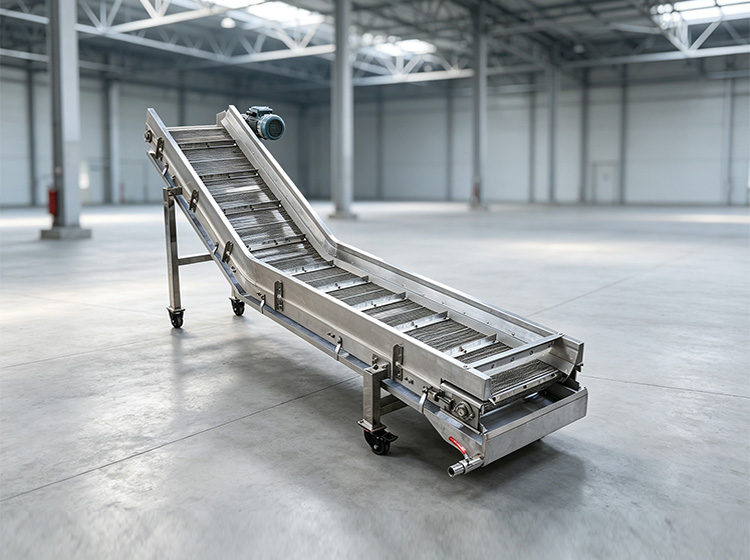
Large Elevator: Transports cut products to the oven; elevator height is adjustable according to oven height.

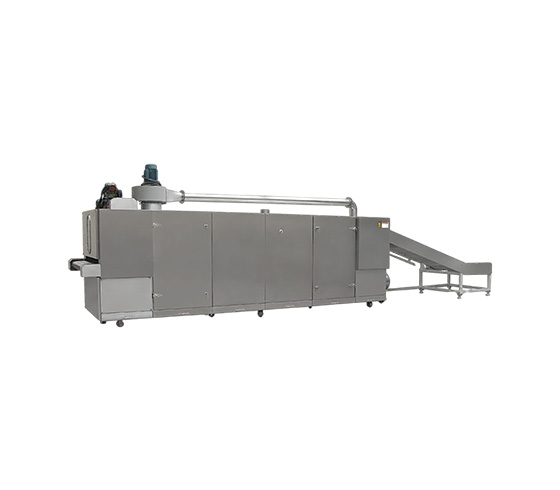
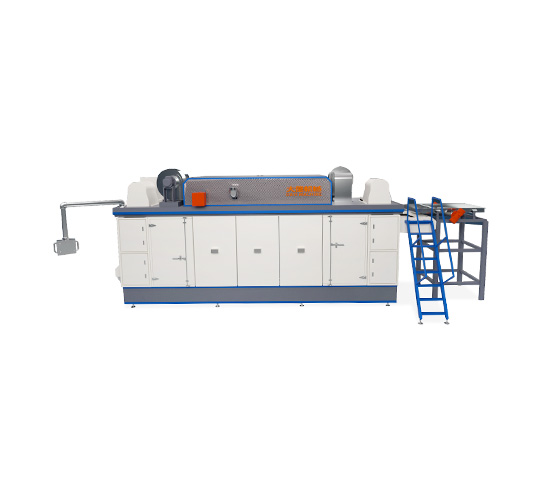
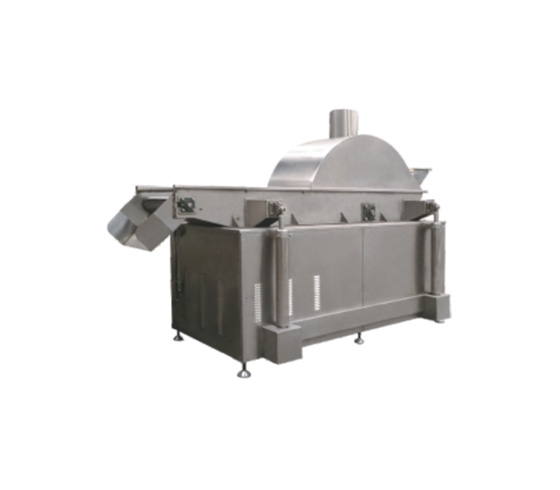
Three-layer electric oven: responsible for drying products to achieve a crispy texture.

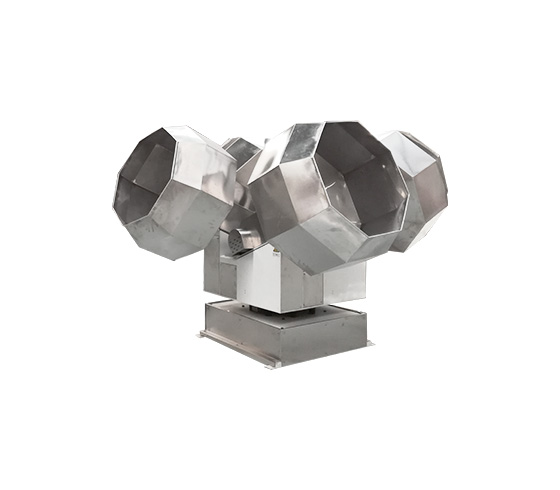
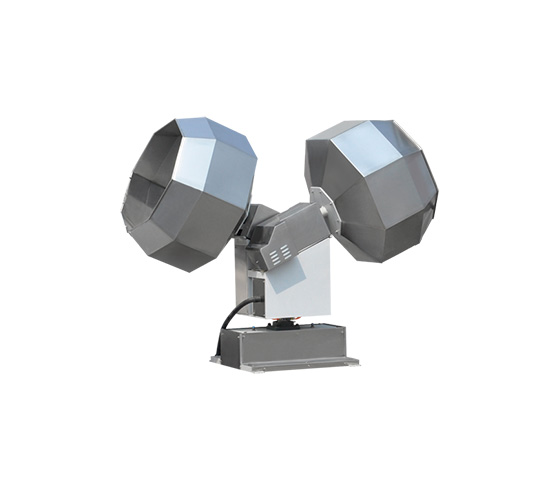
Oil Spraying and Seasoning Line: Performs multi-flavor seasoning treatment on products after baking.

What conditions should be considered during implementation or selection?

First, the product type, raw material condition, formulation direction, and expected finished product requirements must be clearly defined. For projects involving extrusion, forming, drying, frying, conveying, flavoring, or packaging, the processing capacity and cycle time of each stage must be matched to avoid inconsistencies between the capacity of individual equipment and the overall line requirements.

Next, the installation plan should be evaluated in conjunction with workshop space, power supply, water supply, steam or gas utility conditions. Equipment configuration should also consider long-term usage factors such as cleaning, maintenance, safety protection, spare parts availability, and operator training. Where process parameters or equipment capabilities are mentioned in this document, they serve only as reference for preliminary discussions and initial assessment; specific model numbers, power ratings, production capacities, temperatures, and time parameters shall be based on the formal technical proposal and confirmed through machine testing or on-site validation.

Frequently Asked Questions

Can the equipment be finalized based on the standard configuration?

Not recommended. Different raw materials, product structures, target production capacities, and downstream processes affect equipment configuration. It is safer to first confirm the product and process conditions, then conduct a configuration assessment.

How can I obtain more targeted recommendations?

We recommend preparing product images or sample information, raw material and formulation details, target production capacity, existing workshop conditions, and planned downstream equipment configuration. Based on this information, Dayi Machinery can further discuss suitable process routes and equipment configuration options.

This article is compiled based on Da Yi Machinery’s “Extruded Sandwich Food Production Line Selection Guide” and aims to assist readers in understanding the relevant topics; for technical requirements of specific projects, please refer to the actual product documentation and engineering confirmation results.