Applications of Intelligent Can Seaming Machines

Published:2026-07-18

The application of intelligent can sealing machines involves process, selection, or operational management issues related to food processing and production equipment.The actual solution should be confirmed based on raw material characteristics, target product specifications, production scale, and on-site conditions, and should not be determined solely by single equipment parameters.

Key Application Points of Intelligent Can Sealing Machines

The new-style tea beverage market, regarded as a high-potential sector, appears to be “glamorous on the surface but fraught with challenges.”Recently, Nayuki released its first annual report since going public. Although the adjusted net loss of 145 million yuan was unexpected, industry insiders noted that with the brand’s pilot programs and the deployment of a series of automated tea-making equipment this year, store operating performance will gradually improve and yield benefits.Just as major tea beverage brands are accelerating the adoption of automated equipment, innovation in the increasingly competitive new-style tea beverage sector is unfolding from the inside out—from product innovation to packaging innovation, and further to the introduction of intelligent can sealing machines—broadening the horizontal expansion of the tea beverage industry.

Since the beginning of this year, many leading brands in the new-style tea beverage market have adjusted their prices.Many tea beverages priced above 30 yuan have dropped to around 25 yuan, with some leading brands even introducing single items priced below 10 yuan.It is evident that new-style tea beverage brands are reducing costs, lowering product prices, and attracting consumers by continuously optimizing their supply chains and introducing automated tea-making equipment.This "ace" may offer greater competitiveness and practicality in an increasingly fierce market.

Although the market for new-style tea drinks has continued to grow in recent years, driven by steadily rising living standards, with a compound annual growth rate of approximately 40%, it is not uncommon for new-style tea drink stores and even brands to quietly exit the market amid fierce competition.In the increasingly crowded new-style tea beverage market, accelerated consolidation is inevitable.To build a differentiated competitive advantage, brands in the industry, in addition to controlling costs and product prices, have accelerated the development of new multi-flavor products and introduced unique packaging formats, empowering themselves from multiple aspects to enhance their overall strength.

Recently, I was drawn to the product packaging of a modern tea beverage shop.Unlike the common plastic cups that vary in height, width, and shape, this shop uses a pull-tab can-style body and sealing method, evoking the refreshing feel of carbonated beverages, while the vibrant fruits and rich toppings inside convey a sense of health and deliciousness.Once differentiation in appearance, user experience, and other aspects attracts attention and leaves a memorable impression, such innovation is undoubtedly successful.

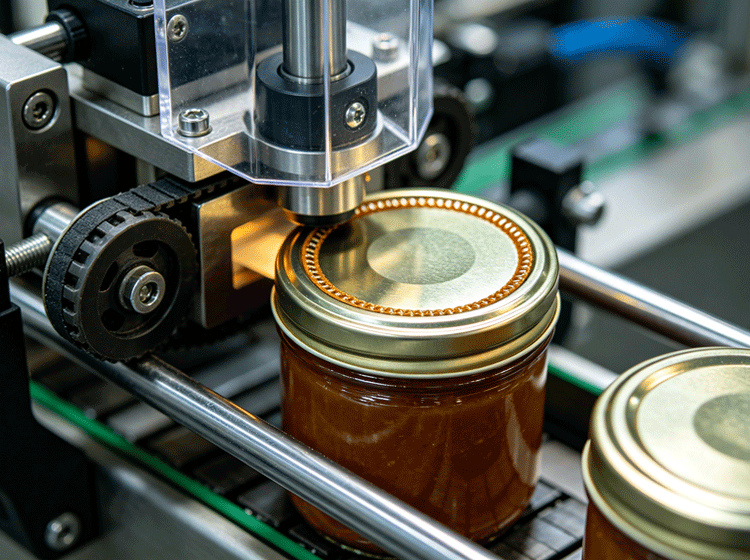
Of course, emerging beverage packaging formats have also introduced new requirements for processing equipment, with intelligent can sealing machines primarily applied to the packaging of such can-type beverages.The author notes that store staff only need to fill the beverage into the can, secure the sealing lid, place the can into the intelligent can sealer, and initiate the smart operation. The equipment then uses electric power to automatically complete the lifting and lowering of the top lid and the rotary seaming process in a short time, making the overall operation as convenient as sealing ordinary plastic cups.

In addition, the footprint of commercial smart can sealing machines is compact, making them suitable for new-style tea beverage stores with limited space, ensuring that the equipment does not negatively impact the customer experience due to excessive floor space requirements.Moreover, the current smart can sealing machine can perform sealing operations on various types of cans, including paper cans, PET plastic cans, tinplate cans, and aluminum alloy cans.Its wide applicability and ease of operation make it highly promising across numerous fields and industries.

Today, innovation and competition in the new-style tea beverage sector have penetrated into the details, with flavor, texture, appearance, packaging, and more all potentially serving as eye-catching highlights.In the current landscape, innovations in beverage packaging such as pull-tab cans, which are both consumer-centric and novel, are naturally well-received.This also reminds industry practitioners to pay closer attention to the packaging and machinery sectors, exploring whether there are suitable elements and equipment that can be introduced to drive the iteration and renewal of new-style tea beverages.

What conditions should be considered during implementation or selection?

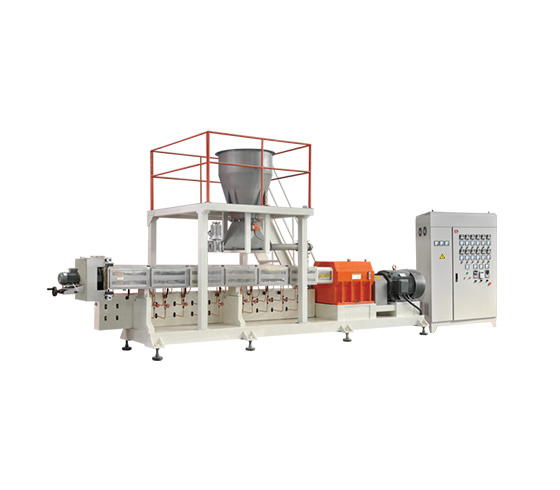
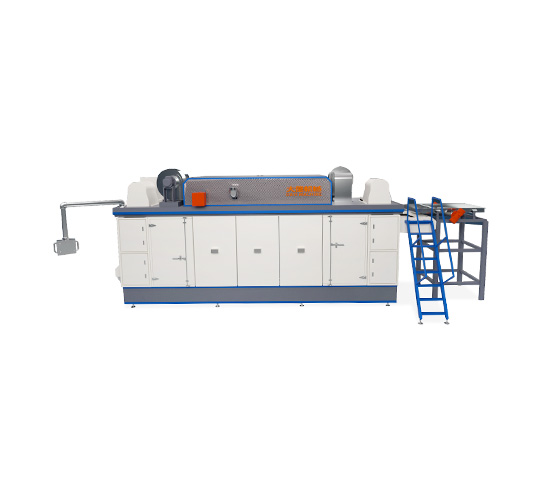
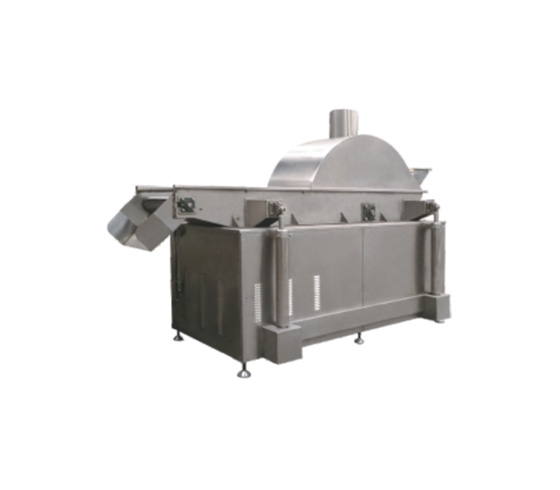
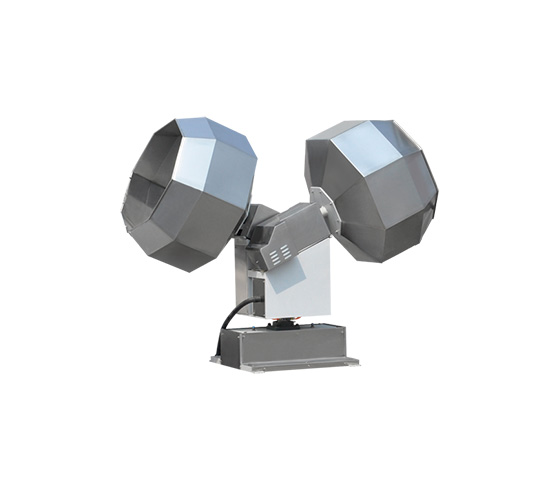
First, it is essential to clarify the product type, raw material state, formulation direction, and expected finished product requirements.For projects involving extrusion, forming, drying, frying, conveying, seasoning, or packaging, the processing capacity and cycle time of each stage must be matched to avoid discrepancies between individual equipment capacity and the overall line requirements.

Secondly, the installation plan should be evaluated in conjunction with the workshop's spatial layout and utility conditions, including power supply, water supply, steam, or gas.Equipment configuration should also take into account long-term operational factors such as cleaning, maintenance, safety protection, spare parts supply, and operator training.Any process or equipment capabilities mentioned in this document are for reference only in the context of solution discussions and preliminary assessments.Specific model numbers, power ratings, production capacities, temperatures, and times shall be subject to the formal technical proposal and the results of trial runs or on-site verification.

Frequently Asked Questions

Can the equipment be determined directly based on the standard configuration?

Not recommended.Different raw materials, product structures, target production capacities, and downstream processes can affect the equipment configuration.It is more prudent to confirm the product and process conditions before proceeding with the configuration assessment.

How to obtain more targeted advice?

It is recommended to prepare product images or sample information, raw material and formulation guidelines, target production capacity, existing workshop conditions, and planned downstream equipment configurations.Dayi Machinery can further discuss the applicable process routes and equipment configuration options based on this.

This article is compiled based on the document "Application of Intelligent Can Sealing Machines" provided by Dayi Machinery, with the aim of helping readers understand the relevant topics.For technical requirements related to specific projects, please refer to the actual product documentation and engineering confirmation results.