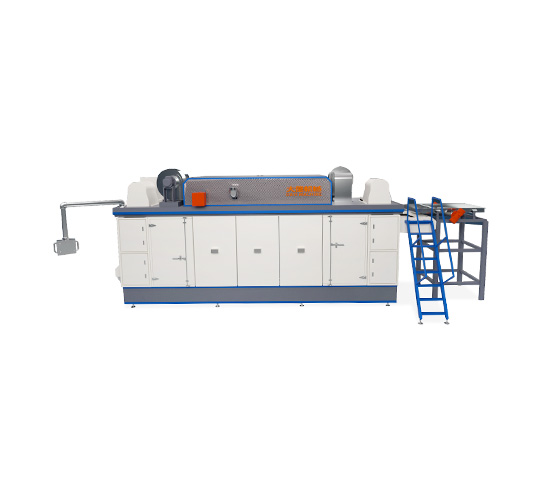
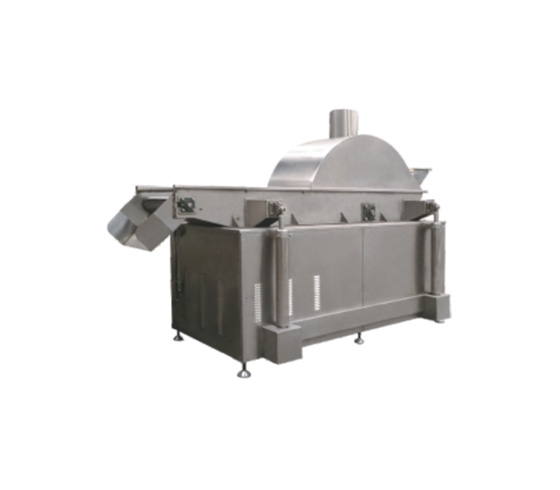
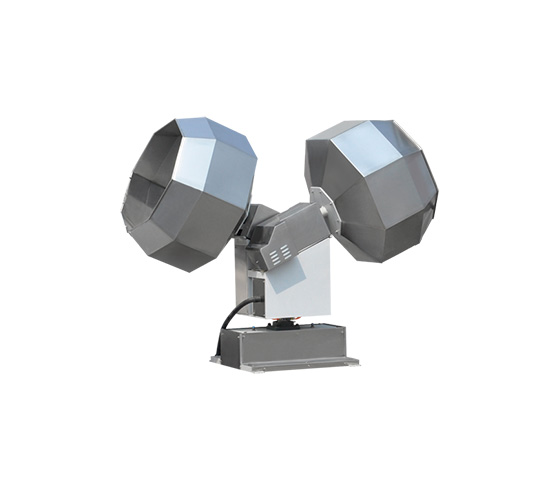
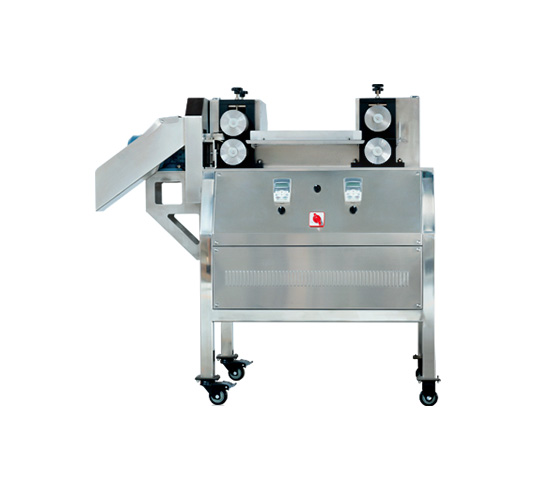
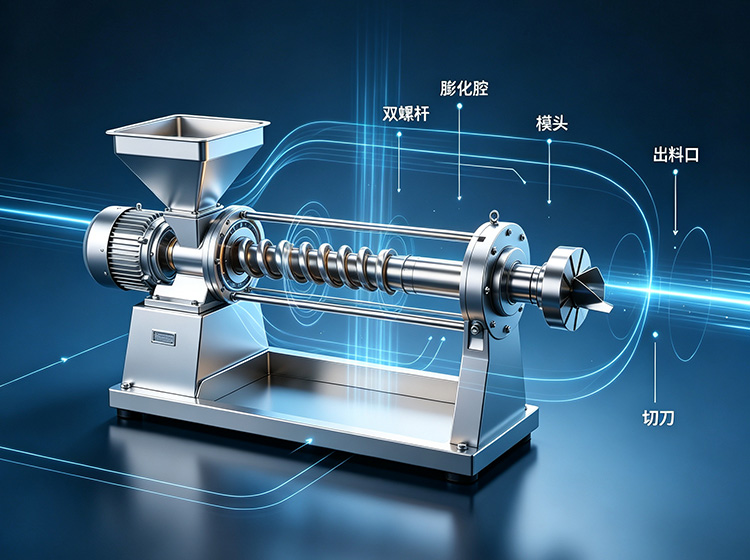
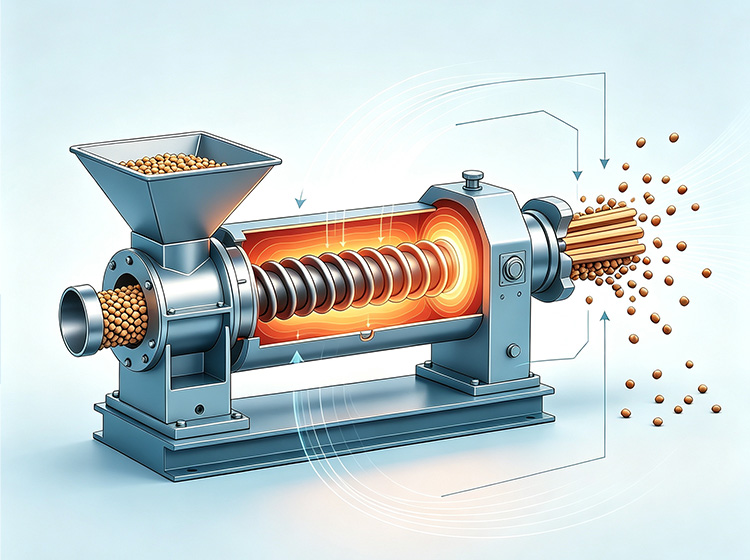
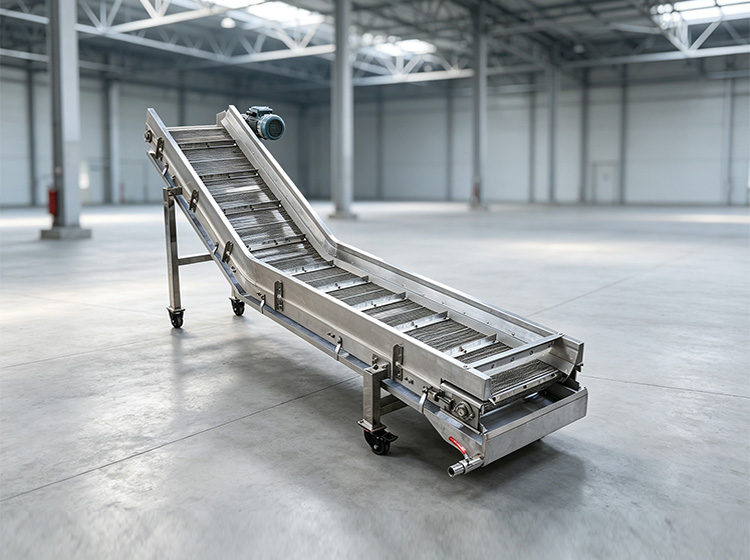
The application of refrigeration, preservation, and detection technologies in food equipment involves process design, equipment selection, and operational management issues for food processing and production machinery.The actual solution should be confirmed based on raw material characteristics, target product specifications, production scale, and on-site conditions, and should not be determined solely by the parameters of a single piece of equipment.
Key Points on the Application of Refrigeration, Preservation, and Detection Technologies in Food Equipment
With the improvement in residents' living standards and the growing demand for dietary structure optimization, China's fruit consumption expenditure has continued to expand, establishing a trillion-yuan-level fruit industry.As the Spring Festival approaches, preparations for New Year goods are proceeding in an orderly manner.Among the many New Year's goods, fruits such as apples, bananas, cherries, sweet oranges, and strawberries are indispensable.Among these, cherries, strawberries, and sugar mandarins dominate the fruit market.
Subject: Application of Refrigeration, Preservation, and Detection Technologies in Food EquipmentCherries: Affected by special events, last year's imported cherries had issues detected on their surfaces, leading to a significant drop in cherry prices in many regions.When purchasing imported fruits, consumers should verify relevant information via traceability QR codes or buy from reputable fruit stores, selecting cherries that have passed inspection and are accompanied by complete epidemic prevention labels and certificates (“three certificates”).Relevant authorities across the country are also leveraging rapid testing technologies to strengthen spot checks on cherries, ensuring the safety of the Spring Festival fruit supply, including cherries.
Subject: Application of Refrigeration, Preservation, and Detection Technologies in Food EquipmentStrawberries: With their delicate texture, short shelf life, susceptibility to spoilage, and challenges in storage and transportation, strawberries have long constrained the scale of industry development and the scope of sales.Today, with the support of fresh produce e-commerce logistics systems, the strawberry industry has been revitalized, effectively helping fruit farmers reduce economic losses.To maintain strawberry freshness and enhance premium pricing potential, some cooperatives weigh, inspect, and package the strawberries in film-wrapped containers before shipping them nationwide via e-commerce dedicated refrigerated trucks and cold-chain transport vehicles.
Subject: Application of Refrigeration, Preservation, and Detection Technologies in Food EquipmentShatangju mandarin oranges: To achieve staggered sales, enhance the premium pricing potential of the fruit, and ensure freshness and quality during storage and transportation, some Shatangju mandarin orange planting bases are constructing cold storage facilities, controlled atmosphere (CA) storage rooms, and other cold chain infrastructure.In addition, some processing enterprises have introduced sorting production lines, with various automated equipment operating at full capacity to sort, grade, and package freshly harvested Shatangju mandarins. These premium-quality fruits are then delivered to holiday tables via e-commerce platforms’ cold chain logistics systems.
Subject: Application of Refrigeration, Preservation, and Detection Technologies in Food EquipmentSugar mandarin oranges: Under the current prevention and control situation, consumers must purchase fruits from regular supermarkets and fruit stores, and must not buy fruits of unknown origin, especially imported cherries.Relevant authorities should also continue to strengthen random inspections of the Spring Festival fruit market, particularly targeting imported fruits such as cherries, to effectively ensure the safety of fruits on people’s holiday dining tables.Suppliers must also strictly control fruit quality and safety, ensuring that fresh, high-quality Spring Festival fruits are delivered to households through grading and cold-chain transportation.
What conditions should be considered during implementation or selection?
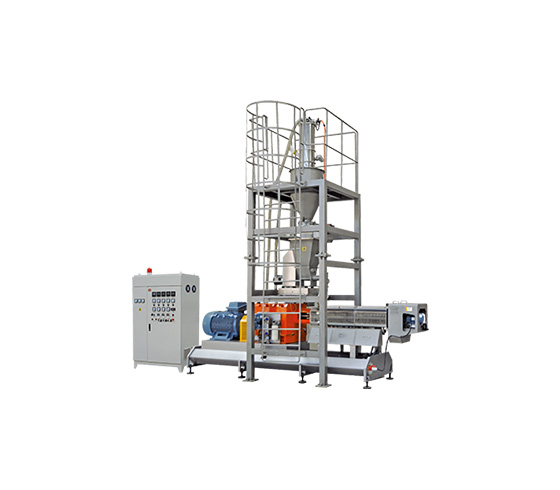
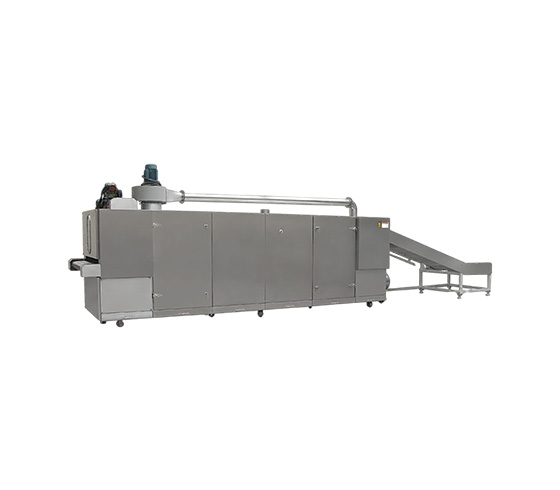
First, it is essential to clarify the product type, raw material state, formulation direction, and expected finished product requirements.For projects involving extrusion, forming, drying, frying, conveying, seasoning, or packaging, the processing capacity and cycle time of each stage must be matched to avoid discrepancies between individual equipment capacity and the overall line requirements.
Secondly, the installation plan should be evaluated in conjunction with the workshop's spatial layout and utility conditions, including power supply, water supply, steam, or gas.Equipment configuration should also take into account long-term operational factors such as cleaning, maintenance, safety protection, spare parts supply, and operator training.Any process or equipment capabilities mentioned in this document are for reference only in the context of solution discussions and preliminary assessments.Specific model numbers, power ratings, production capacities, temperatures, and times shall be subject to the official technical proposal and the results of trial runs or on-site verification.
Frequently Asked Questions
Can the equipment be determined directly based on the standard configuration?
Not recommended.The equipment configuration is influenced by different raw materials, product structures, target production capacities, and downstream processes.It is more prudent to confirm the product and process conditions before proceeding with the configuration assessment.
How to obtain more targeted advice?
It is recommended to prepare product images or sample information, raw material and formulation guidelines, target production capacity, existing workshop conditions, and planned downstream equipment configurations.Dayi Machinery can further discuss the applicable process routes and equipment configuration options based on this.
This article is compiled based on the document "Application of Refrigeration, Preservation, and Detection Technologies in Food Equipment" provided by Dayi Machinery, with the aim of helping readers understand the relevant topics.For technical requirements related to specific projects, please refer to the actual product documentation and engineering confirmation results.