Development Trends in Agricultural and Food Processing

Published:2026-07-18

The development trends in agricultural and food processing involve issues related to the processes, equipment selection, and operational management of food processing and production machinery.The actual solution should be confirmed based on raw material characteristics, target product specifications, production scale, and on-site conditions, and should not be determined solely by the parameters of a single piece of equipment.

Key Trends in Agricultural and Food Processing Development

With the continuous progress and breakthroughs in cowpea breeding and cultivation techniques in China, cowpea farming has achieved large-scale and standardized development, providing strong support for agricultural value addition and increased farmer income.Meanwhile, as the quality and yield of cowpeas have significantly improved, post-harvest processing has evolved toward greater refinement and depth, becoming a crucial link in enhancing the industry’s quality and efficiency.

First, it should be noted that although cowpea yields are relatively high, their maturation period is concentrated in the summer. Harvest time and standards must be strictly controlled to avoid low yields per unit area caused by premature harvesting.If harvesting is delayed, issues such as swollen kernels, rust spots, and high post-harvest losses may occur. Additionally, if the harvested produce cannot be sold promptly in bulk, its quality will deteriorate.Therefore, post-harvest handling of cowpeas must be strengthened.

In the current process of reducing post-harvest losses and improving the quality of agricultural products, the practice of scientifically removing "field heat" through pre-cooling has become increasingly widespread.For example, after harvesting vegetables and fruits such as cowpeas, pre-cooling equipment is used for processing.Vacuum pre-cooling technology rapidly removes heat from agricultural products, reduces their respiration rate, and inhibits microbial growth, thereby effectively preserving their freshness and quality.In addition, cold storage precooling and differential pressure precooling methods are also highly applicable in agricultural product processing.Compared with traditional natural cooling and water pre-cooling, these methods also offer advantages such as higher efficiency and more rational resource utilization.

Secondly, for high-yield cowpea production, strengthening post-harvest processing is a key focus for promoting the full utilization of agricultural products and achieving value conversion.In the case of cowpeas, pickling and drying are common processing methods, but historically these processes were predominantly carried out in small household workshops.Although natural sun-drying and quantitative salting can realize the value transformation of cowpeas and increase revenue, the increase is limited.

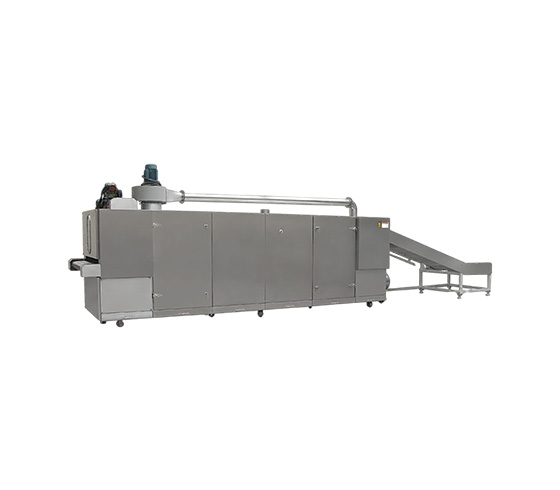
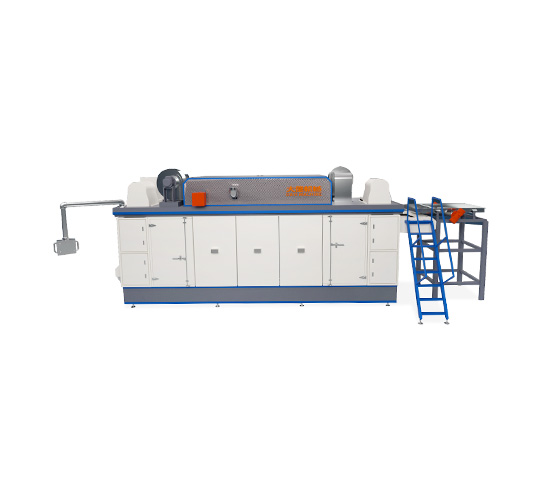
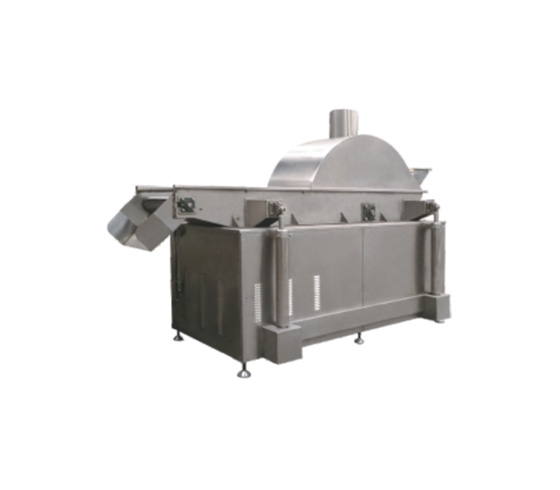
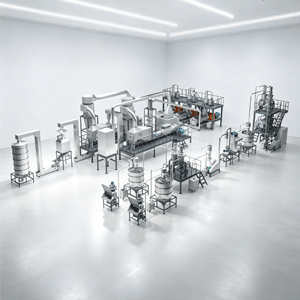
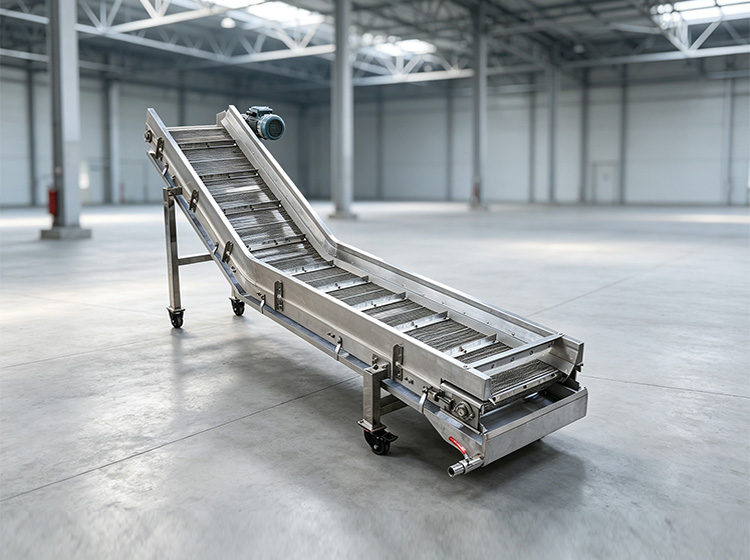
In recent years, with the accelerated advancement of China’s agricultural supply-side structural reform, the cultivation and processing of cowpeas have transitioned toward industrialization and large-scale operations, leading to broader application of food processing machinery in agricultural product processing and bringing about significant transformation.For example, the cowpea dryer can use electric heating and steam heating for constant-temperature drying, effectively overcoming the past reliance on weather conditions.Furthermore, the pickled cowpea processing production line, which includes equipment such as pasteurizers, cooling tanks, and vibrating drainers, has also accelerated the intensive development of post-harvest processing of cowpeas.

What conditions should be considered during implementation or selection?

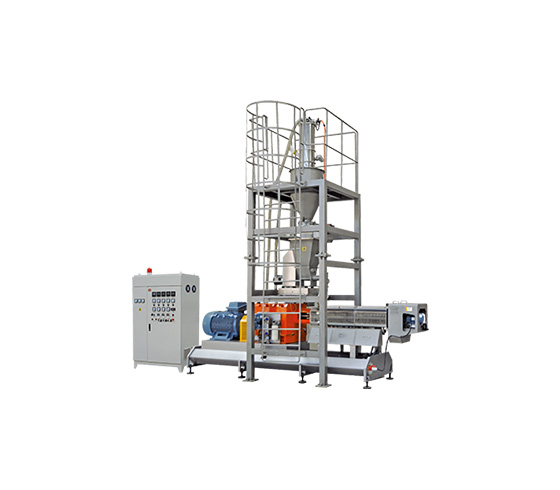
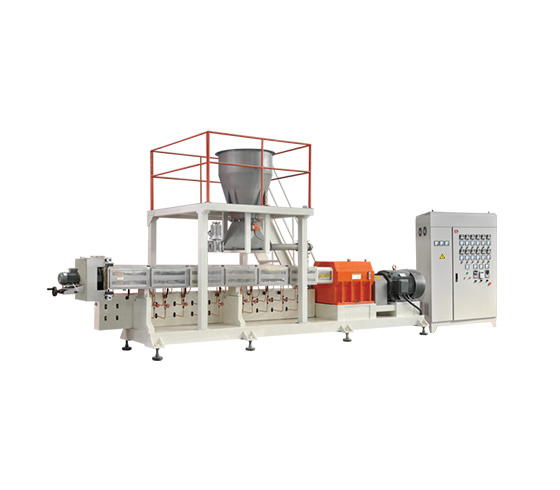
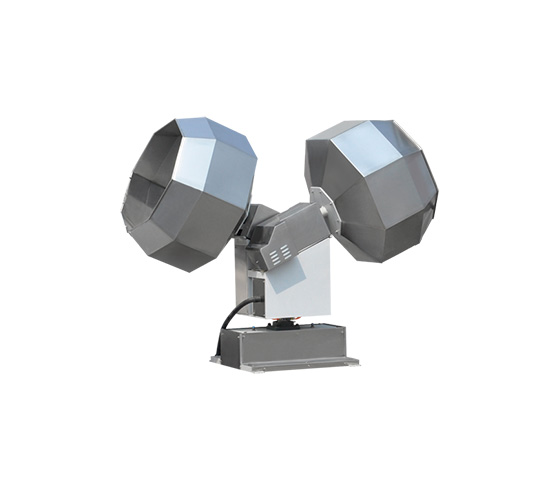
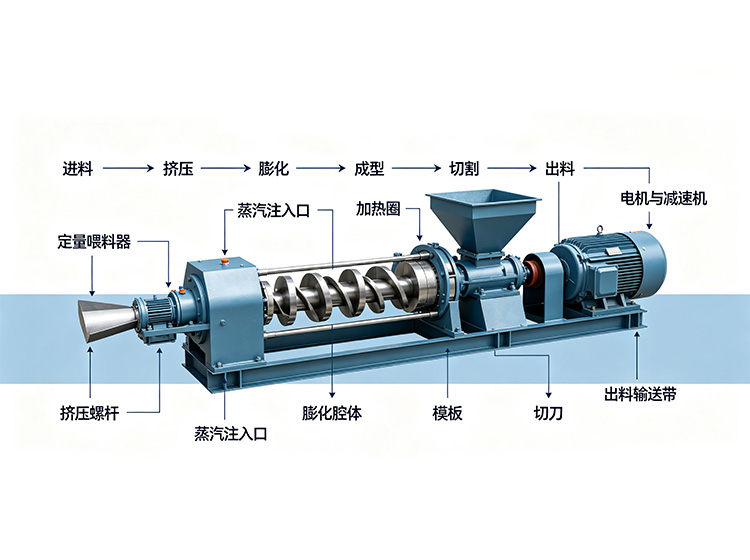
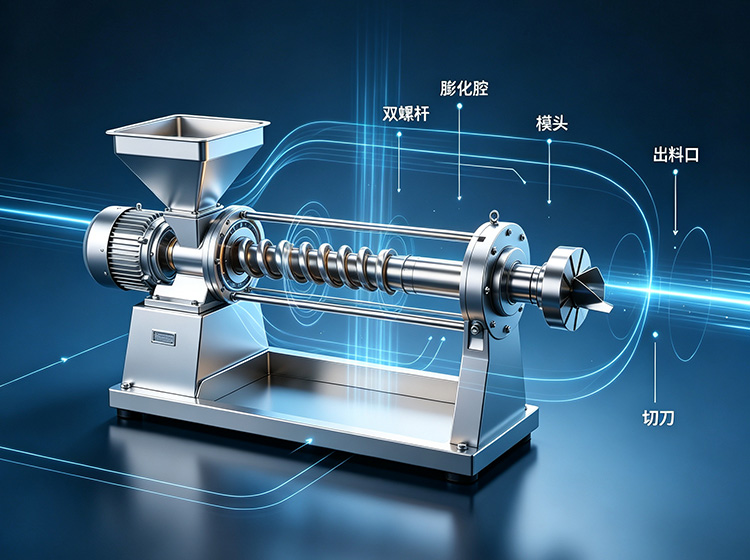
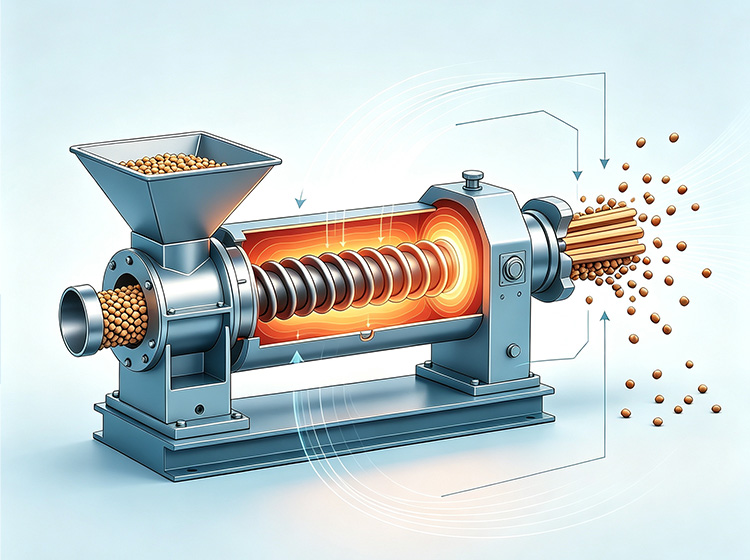
First, it is essential to clarify the product type, raw material state, formulation direction, and expected finished product requirements.For projects involving extrusion, forming, drying, frying, conveying, seasoning, or packaging, the processing capacity and cycle time of each stage must be matched to avoid discrepancies between individual equipment capacity and the overall line requirements.

Secondly, the installation plan should be evaluated in conjunction with the workshop's spatial layout and utility conditions, including power supply, water supply, steam, or gas.Equipment configuration should also take into account long-term operational factors such as cleaning, maintenance, safety protection, spare parts supply, and operator training.Any process or equipment capabilities mentioned in this document are for reference only in the context of solution discussions and preliminary assessments.Specific model numbers, power ratings, production capacities, temperatures, and times shall be subject to the official technical proposal and the results of trial runs or on-site verification.

Frequently Asked Questions

Can the equipment be determined directly based on the standard configuration?

Not recommended.The equipment configuration is influenced by different raw materials, product structures, target production capacities, and downstream processes.It is more prudent to confirm the product and process conditions before proceeding with the configuration assessment.

How to obtain more targeted advice?

It is recommended to prepare product images or sample information, raw material and formulation guidelines, target production capacity, existing workshop conditions, and planned downstream equipment configurations.Dayi Machinery can further discuss the applicable process routes and equipment configuration options based on this.

This article is compiled based on the "Development Trends in Agricultural Product Food Processing" document provided by Dayi Machinery, with the aim of helping readers understand the relevant topics.For technical requirements related to specific projects, please refer to the actual product documentation and engineering confirmation results.