Breadcrumb Production Line

Published:2026-07-18

The bread crumb production line involves process, equipment selection, or operational management issues related to food processing and production equipment.The actual solution should be confirmed based on raw material characteristics, target product specifications, production scale, and on-site conditions, and should not be determined solely by single equipment parameters.

Key Points of the Bread Crumb Production Line

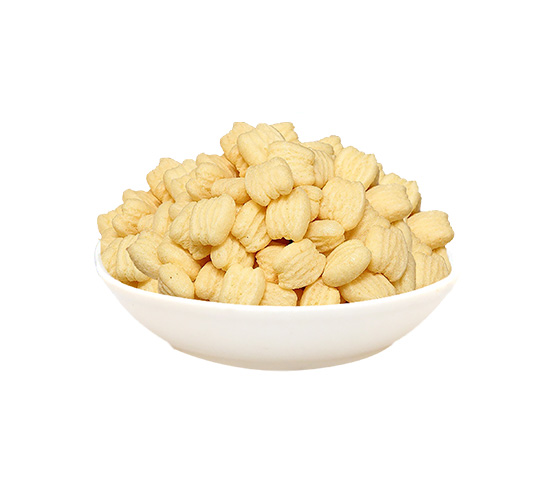
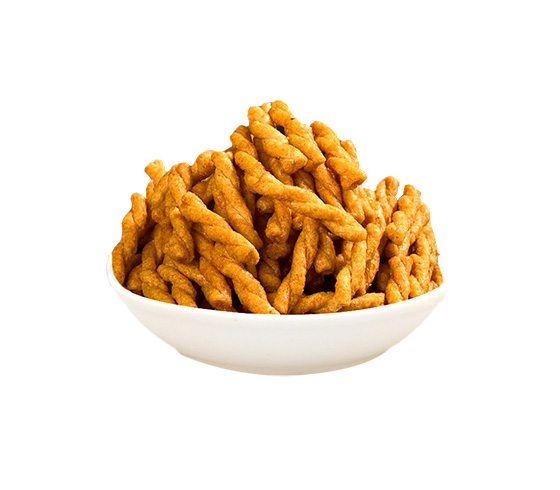
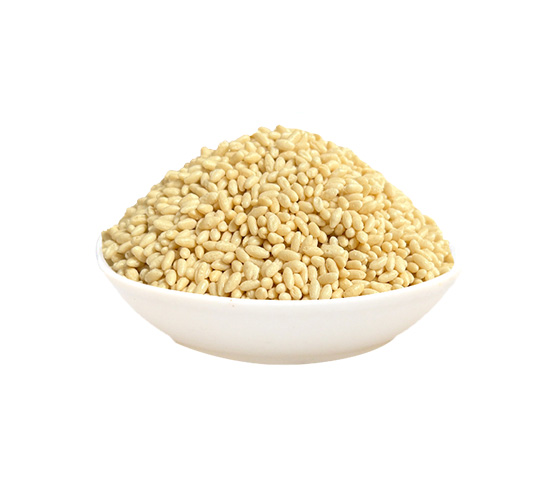
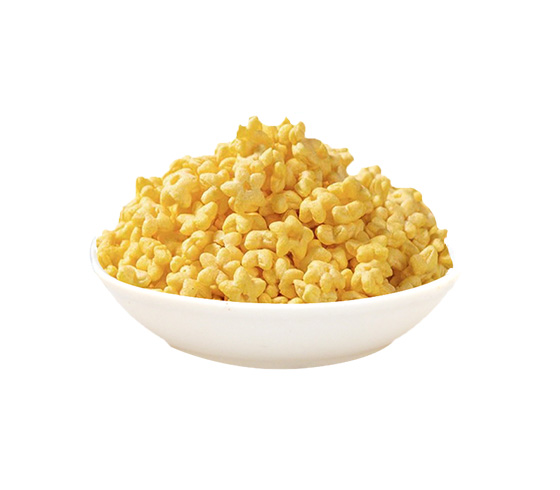
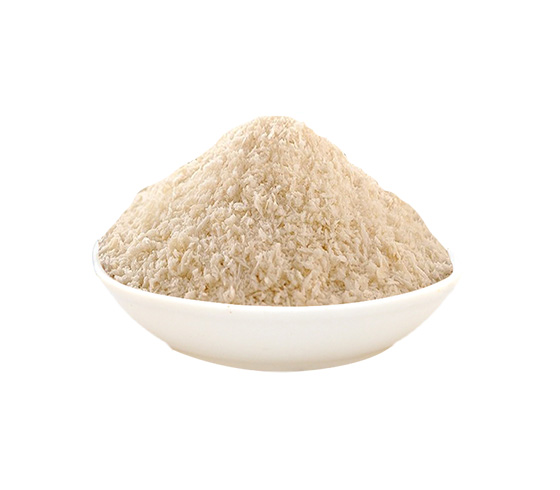
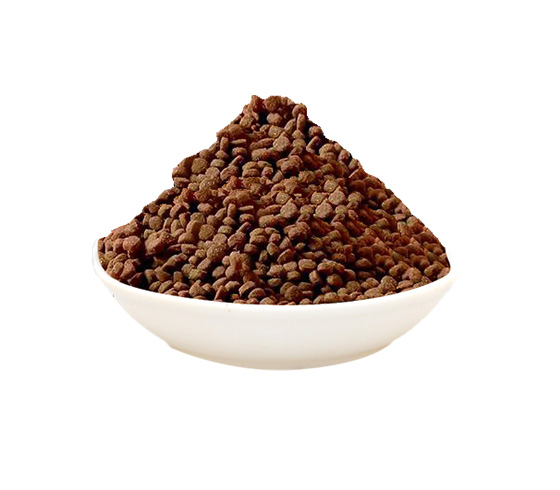
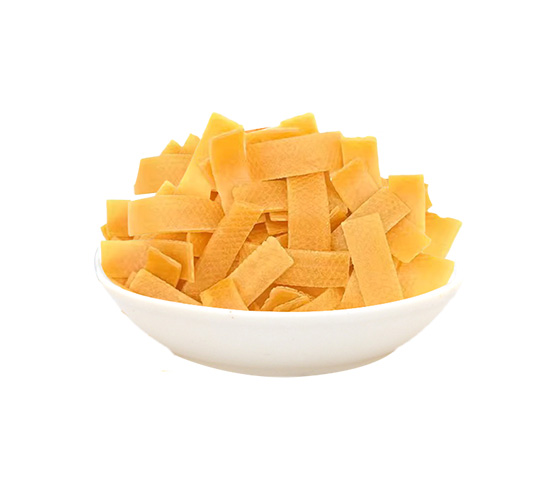
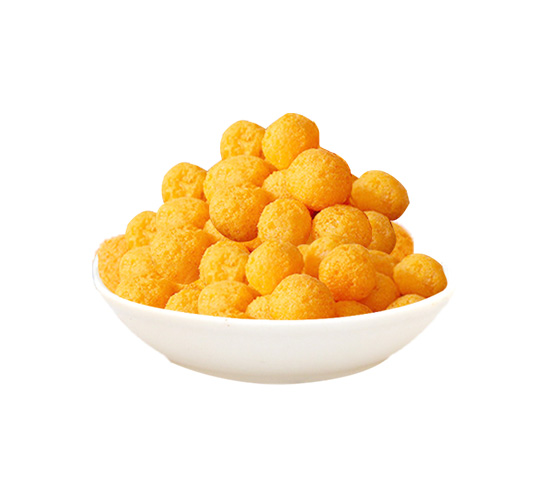
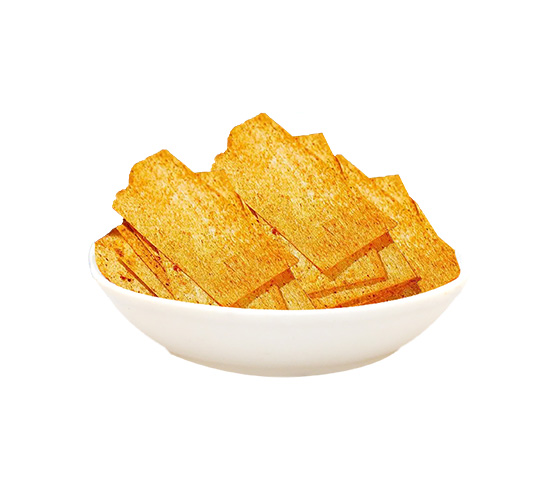
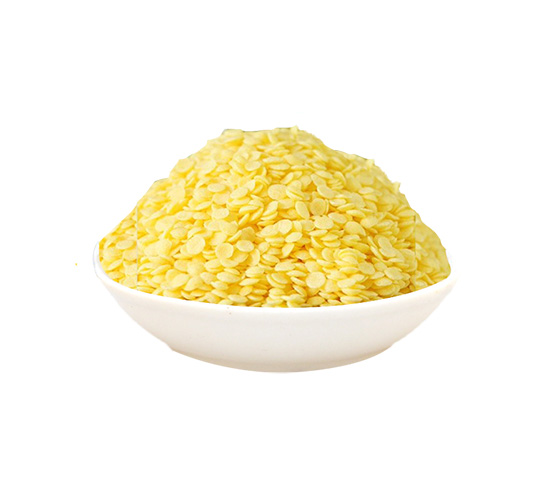
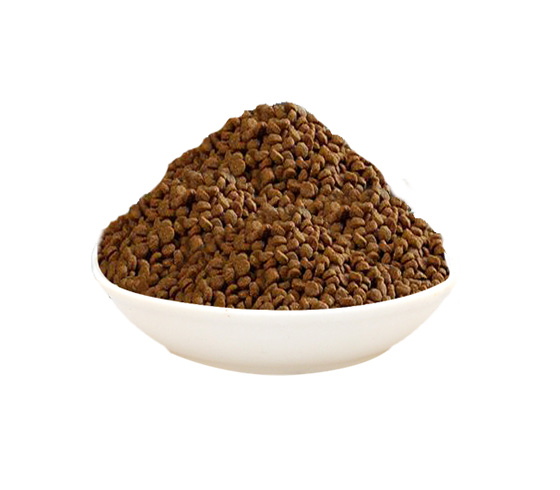
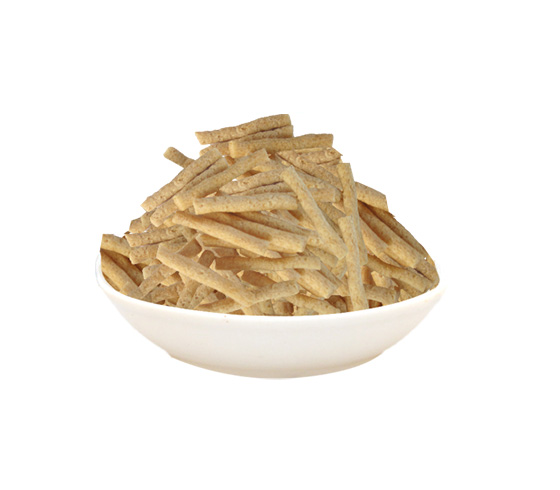
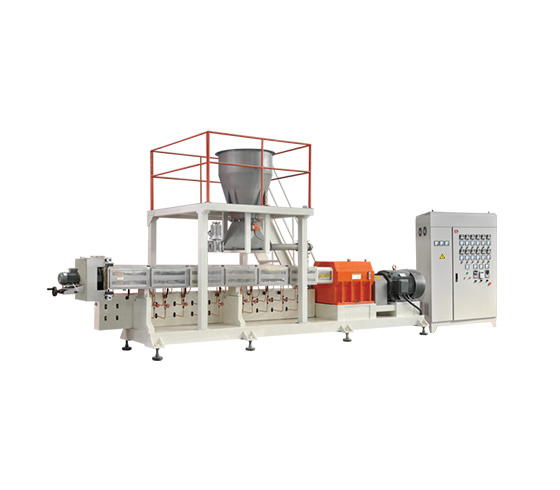
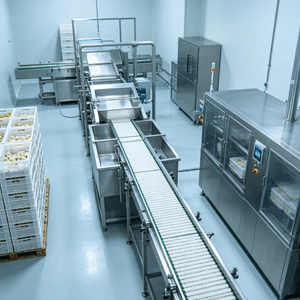
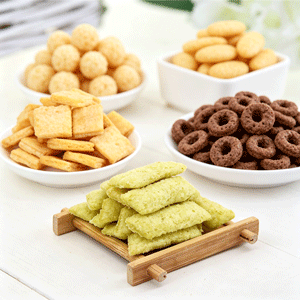
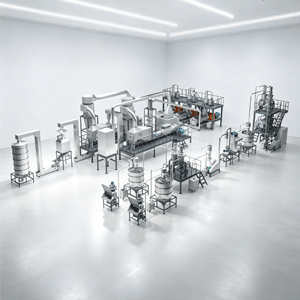
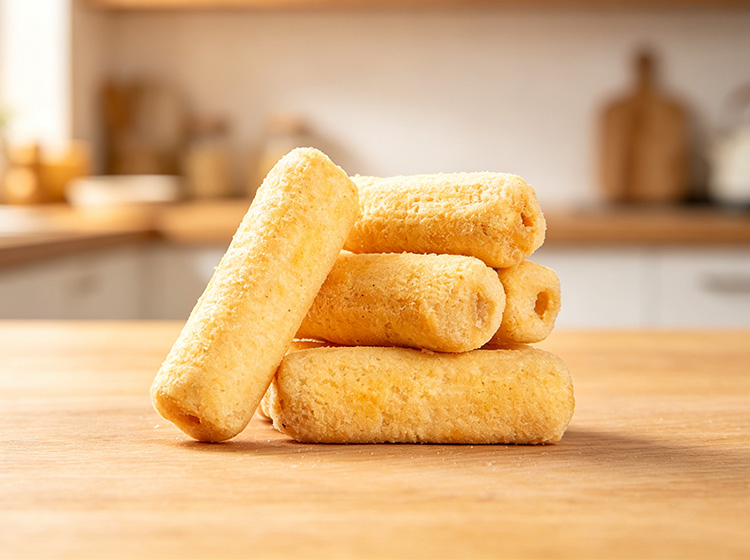
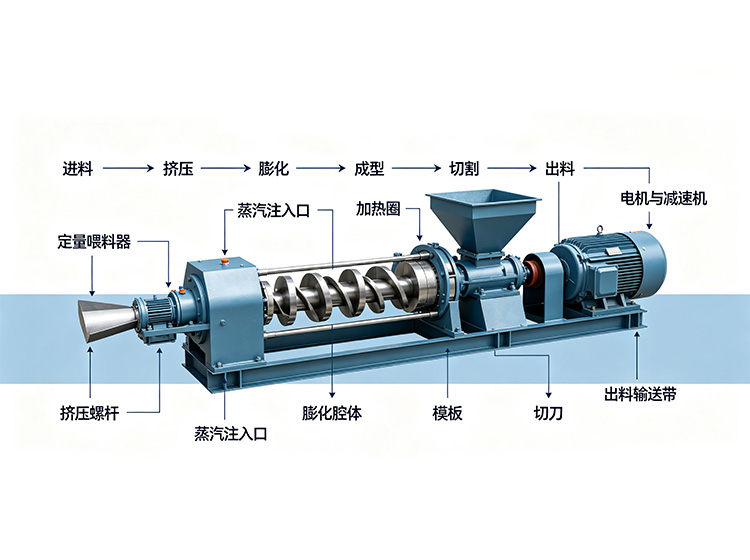
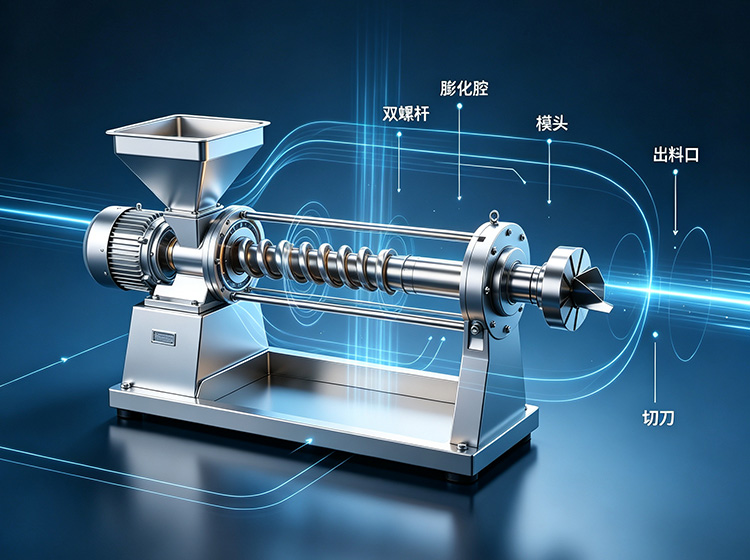
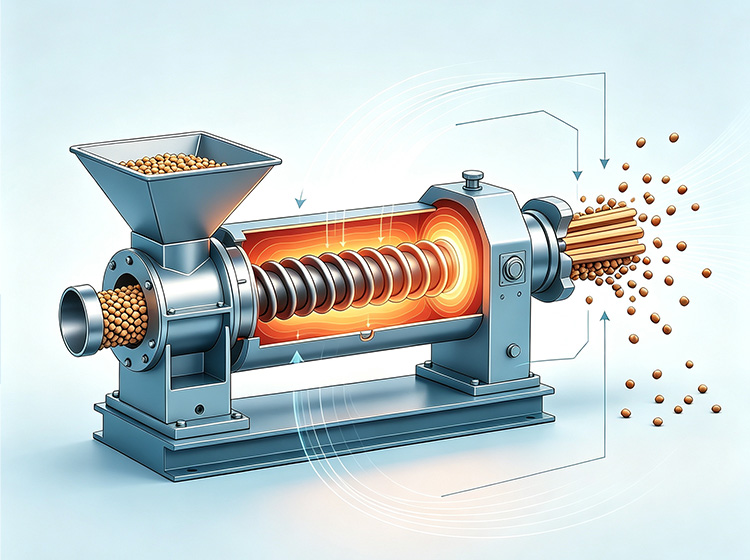
Our company's bread crumb production line uses flour and starch as raw materials, which are extruded and expanded through a twin-screw extruder, and then processed through crushing, sieving, and other steps to produce products such as needle-shaped crumbs and snowflake crumbs.This production line can also produce flake- and pellet-shaped breadcrumbs through extrusion expansion and cutting processes.This technological innovation in bread crumb production revolutionizes traditional manufacturing processes. From raw material mixing, steaming, cooking, grinding, to sieving, the entire process is completed on an assembly line, featuring high production efficiency, zero waste, and a wide variety of products.The product shapes are diverse, including Japanese-style long needle bran, American-style granular bran, snowflake bran, flake bran, and spherical bran.Breadcrumbs, as a widely used food additive, are commonly employed as an auxiliary ingredient in fried onion rings, Western-style steaks, fried chicken legs, and other fried foods.

Overview of the Process Flow for the Bread Crumb Production Line:

Mixing Machine: Uniformly mixes the raw materials required for production with a specified amount of water.This production line primarily uses flour, corn flour, and other materials as main raw materials.

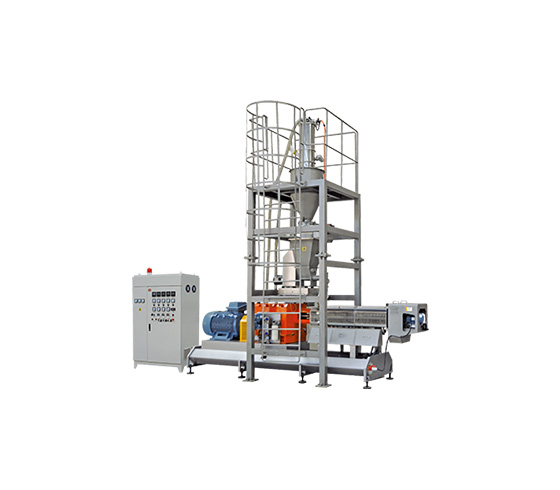
Screw Feeder: Transports the mixed raw materials to the feed hopper of the extrusion puffing machine.The use of a screw feeder ensures uniform and stable feeding, while minimizing spillage.The screw can also perform secondary mixing of the raw materials, making them more uniform.

Twin-screw main unit: The mixed raw materials undergo extrusion and puffing here, altering their original molecular structure to cause expansion, and are finally extruded and shaped by the extrusion puffing machine.

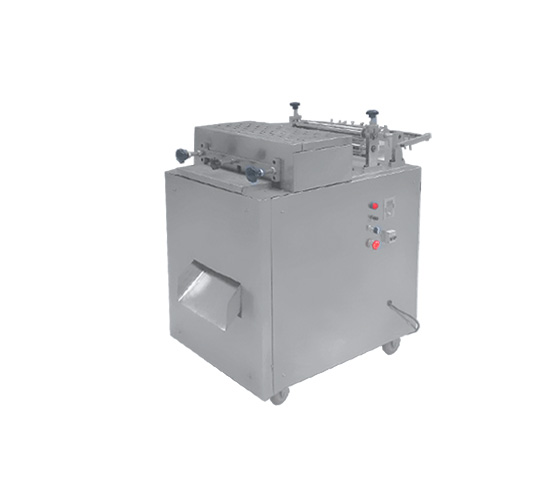
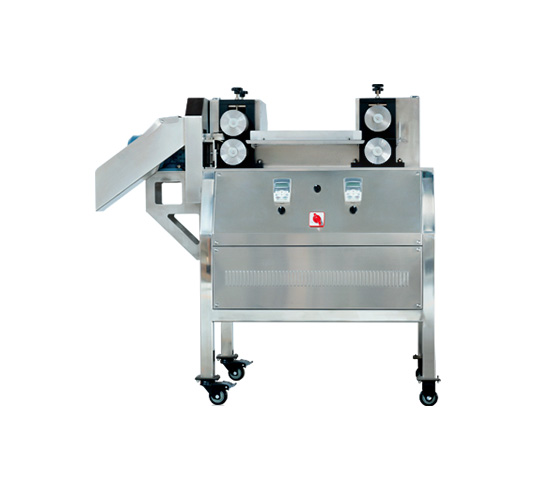
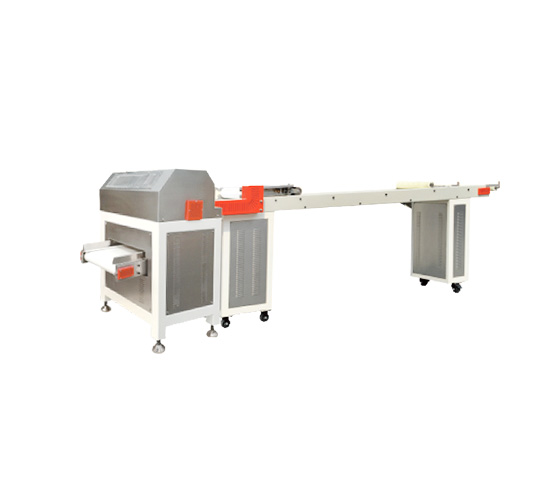
Breadcrumbs Cutting Machine: Cuts semi-finished products extruded by the extrusion puffing machine into uniformly sized products.

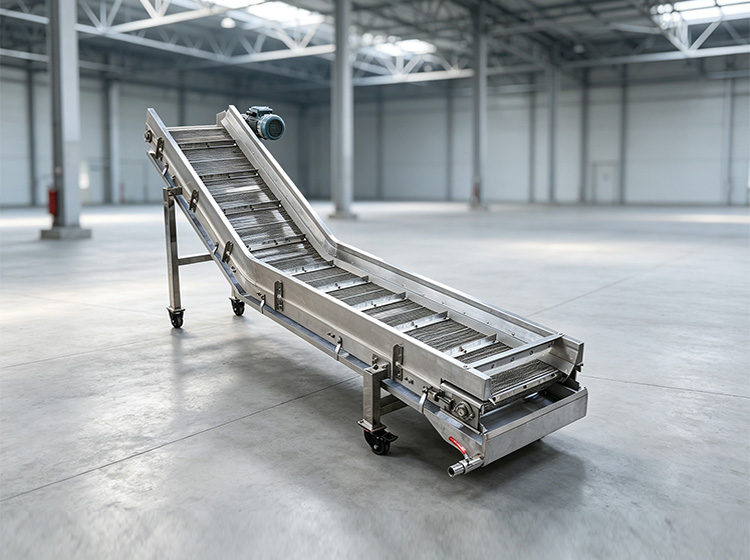
Large Elevator: Conveys the cut products to the next machine.

Chaff Crushing Machine: Crushes semi-finished products delivered via the conveyor to produce uniformly sized powdery and granular products.

Z-type elevator: Conveys products to the next piece of equipment.

Vibrating screen: Screens the products after crushing and shaping, selects out non-conforming products, and returns them for re-crushing and reuse, thereby saving raw materials and ensuring product quality.

Large Elevator: Conveys the sieved product to the oven. The elevator height can be freely adjusted according to the oven height.

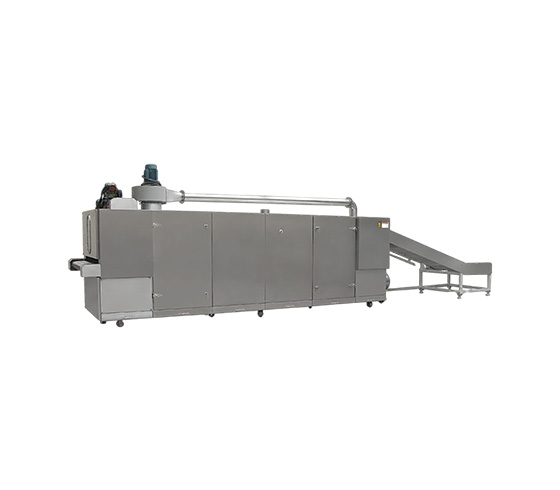
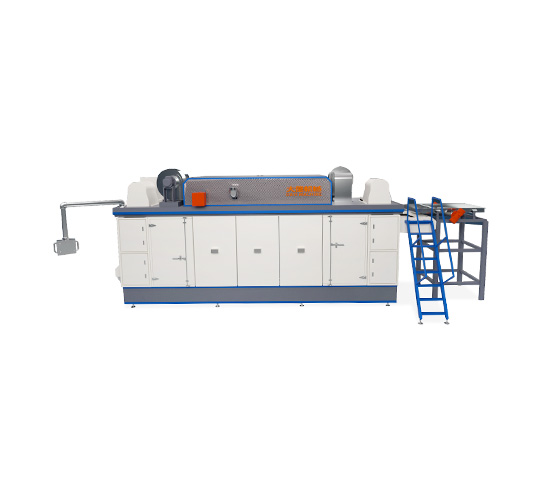
Three-layer electric oven: performs drying treatment on products to reduce internal moisture, making them crispy and easy to store.

Cooling conveyor: Cools the baked products here and conveys them to the packaging station.

The products manufactured by the bread crumb production line are widely popular in the food market.Breadcrumbs can not only be added as a food ingredient to give foods a golden color and a more attractive appearance;After frying, it imparts a crispy and delicious appearance and texture to the food, enhancing its flavor profile.Additionally, during the frying process, breadcrumbs can slow down the heating of the food itself, reducing the occurrence of scorching and blackening.The products produced by this production line are highly favored in the market, making them an ideal choice for large, medium, and small enterprises.

What conditions should be considered during implementation or selection?

First, it is essential to clarify the product type, raw material state, formulation direction, and expected finished product requirements.For projects involving extrusion, forming, drying, frying, conveying, seasoning, or packaging, the processing capacity and cycle time of each stage must be matched to avoid discrepancies between individual equipment capacity and the overall line requirements.

Secondly, the installation plan should be evaluated in conjunction with the workshop's spatial layout and utility conditions, including power supply, water supply, steam, or gas.Equipment configuration should also take into account long-term operational factors such as cleaning, maintenance, safety protection, spare parts supply, and operator training.Any process or equipment capabilities mentioned in this document are for reference only in the context of solution discussions and preliminary assessments.Specific model numbers, power ratings, production capacities, temperatures, and times shall be subject to the formal technical proposal and the results of trial runs or on-site verification.

Frequently Asked Questions

Can the equipment be determined directly based on the standard configuration?

Not recommended.Different raw materials, product structures, target production capacities, and downstream processes can affect the equipment configuration.It is more prudent to confirm the product and process conditions before proceeding with the configuration assessment.

How to obtain more targeted advice?

It is recommended to prepare product images or sample information, raw material and formulation guidelines, target production capacity, existing workshop conditions, and planned downstream equipment configurations.Dayi Machinery can further discuss the applicable process routes and equipment configuration options based on this.

This article is compiled based on the "Breadcrumbs Production Line" documentation provided by Dayi Machinery, with the aim of helping readers understand the relevant topics.For technical requirements related to specific projects, please refer to the actual product documentation and engineering confirmation results.