The production process of breadcrumbs involves process, equipment selection, or operational management issues related to food processing and production equipment.The actual solution should be confirmed based on raw material characteristics, target product specifications, production scale, and on-site conditions, and should not be determined solely by single equipment parameters.
Key Points in the Production Process of Breadcrumbs
For crispy and delicious fried chicken cutlets, fried chicken legs, fried milk, fried chocolate, fried chicken strips, fried pork chops, and other delicacies, wouldn't you feel that something essential is missing without the touch of breadcrumbs?
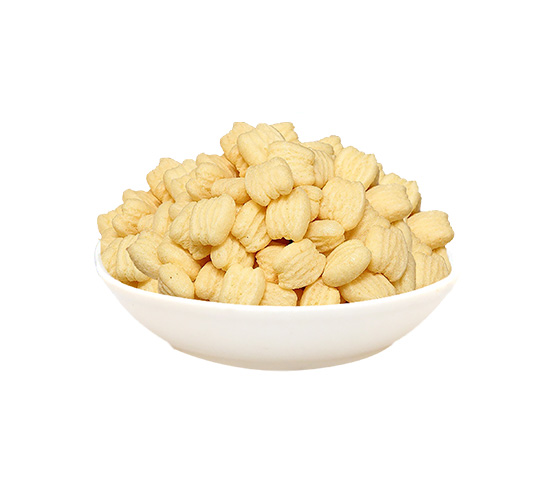
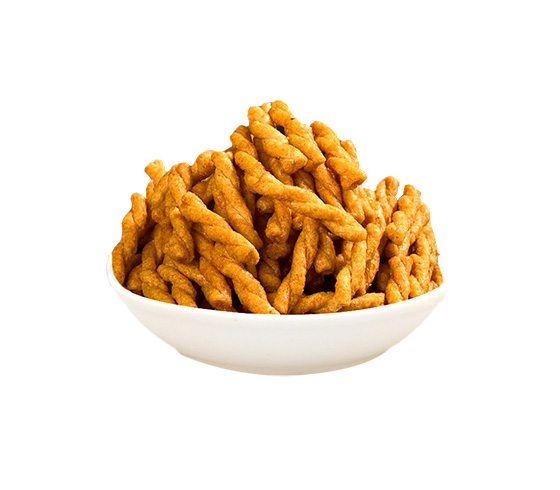
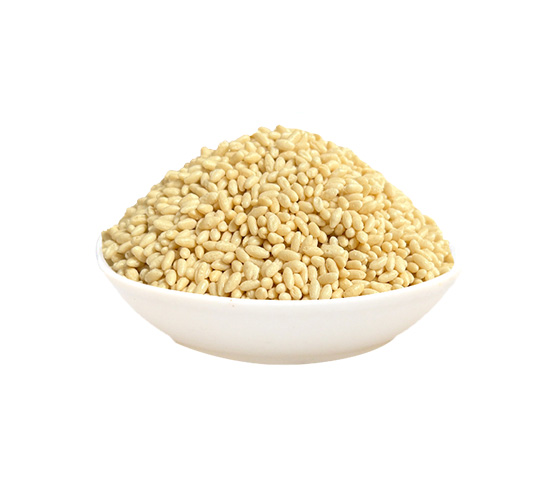
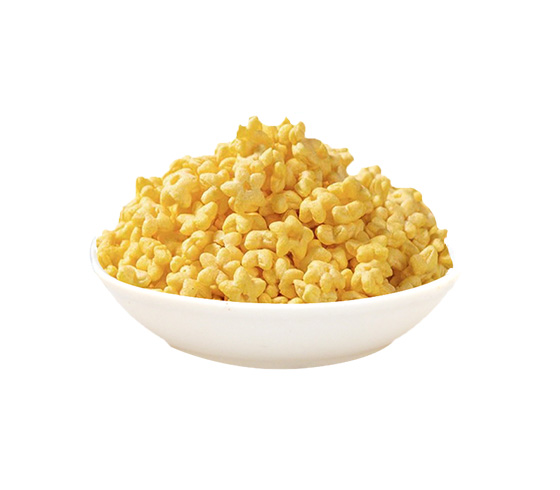
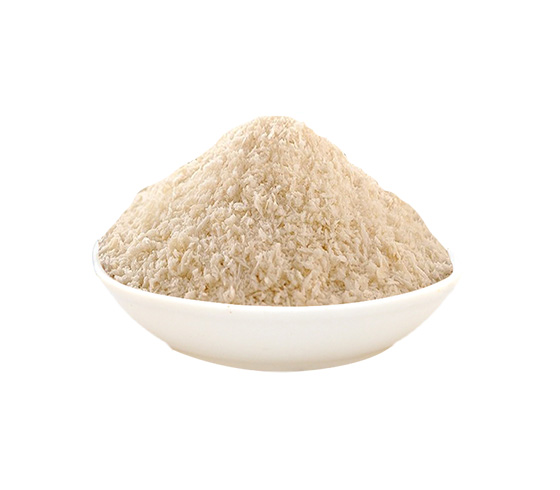
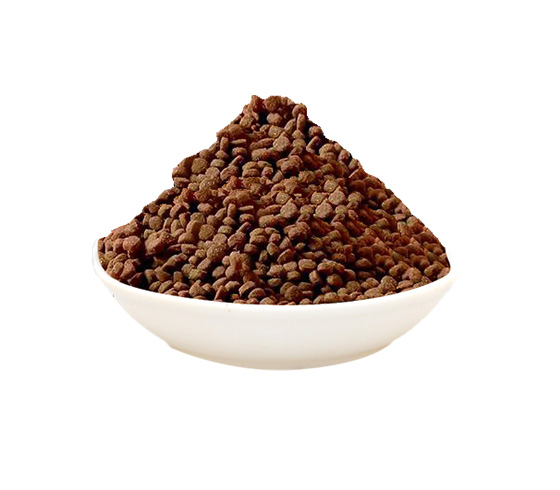
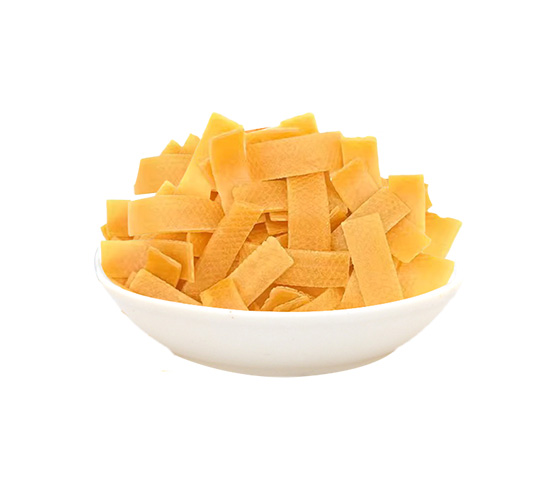
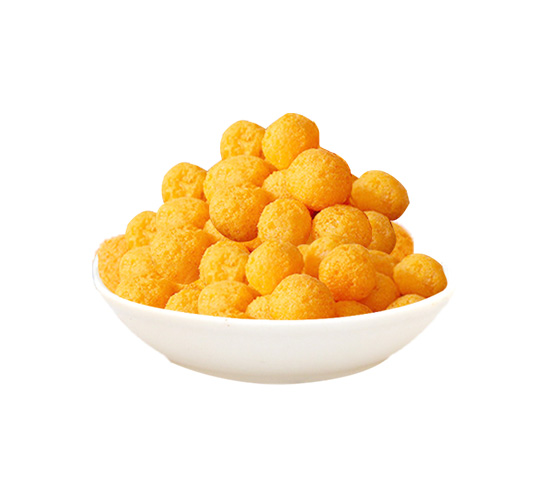
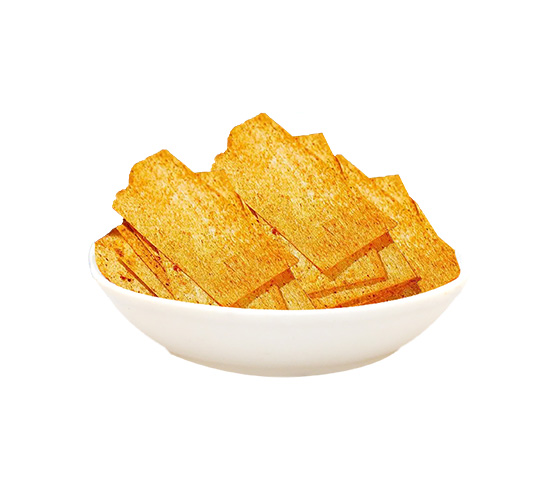
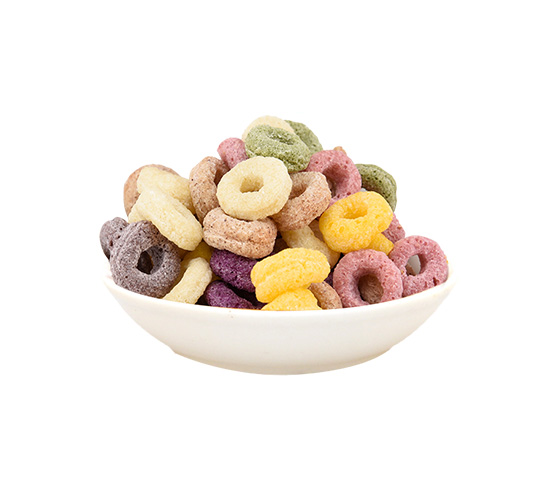
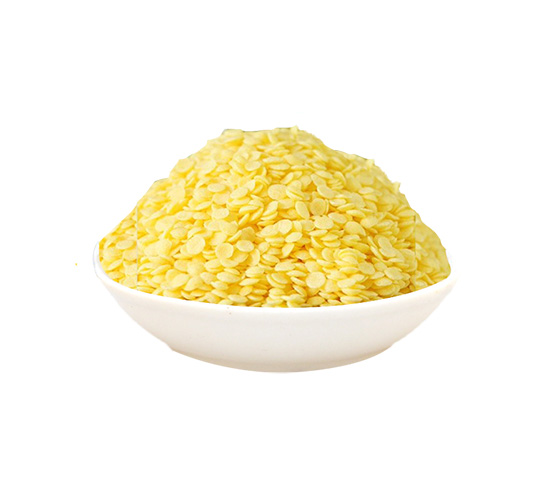
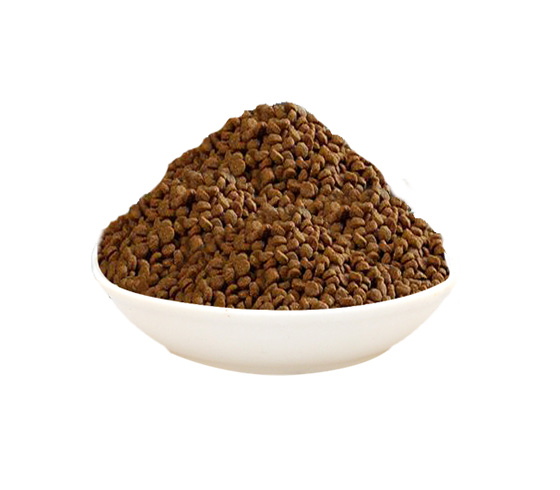
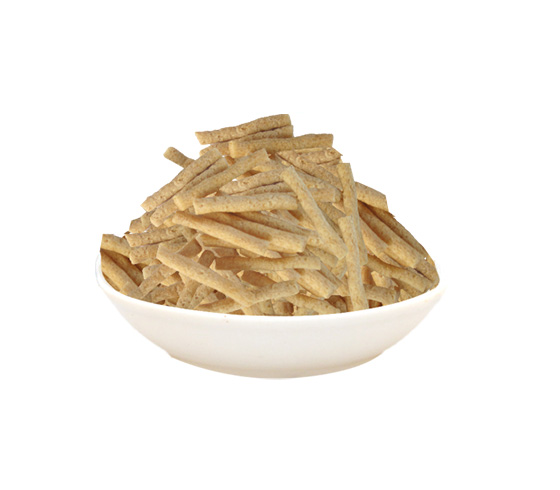
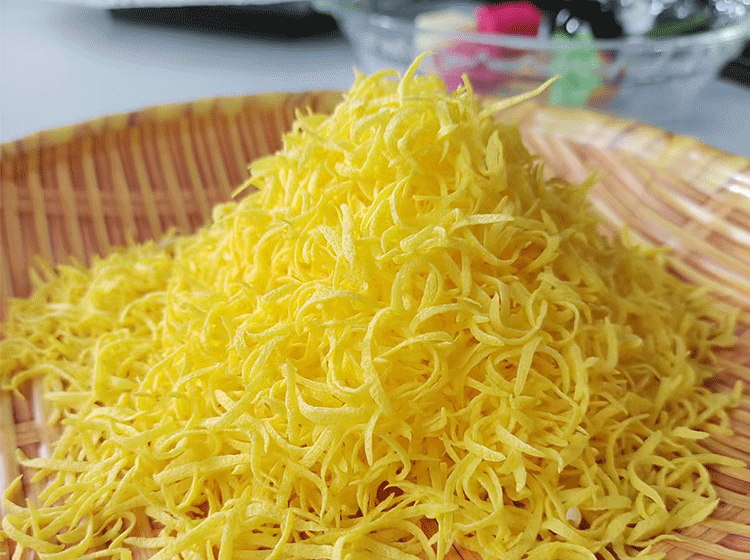
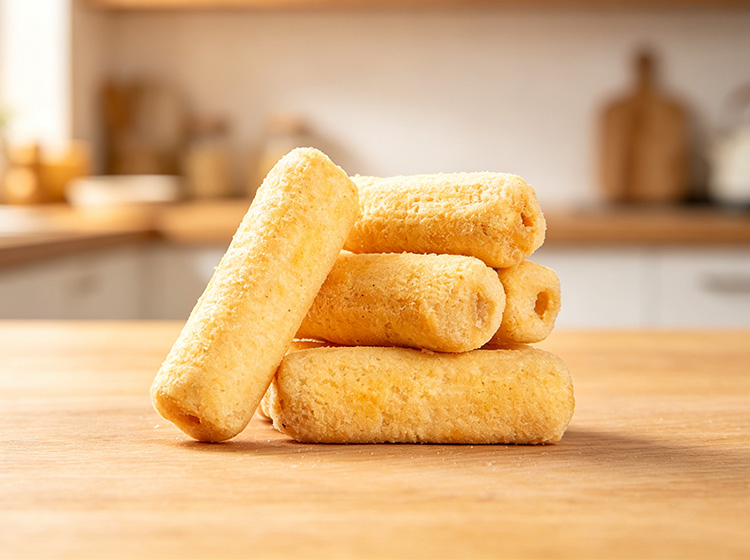
Breadcrumbs are available in various forms on the market.By shape, there are flake bran, needle-shaped bran, snowflake bran, pentagram-shaped bran, and so on;The color options are also diverse and abundant.
Its main functions are as follows:
As a coating for fried foods, breadcrumbs are commonly used in Western-style frying processes (also known as Western frying), where ingredients are sequentially coated with low-gluten flour and egg wash, then covered with a layer of breadcrumbs.After this treatment, fried foods achieve a crispier texture and a tempting golden color.
Delay the time it takes for food to burn. When making fried foods, it is easy to accidentally burn them.Coating with breadcrumbs can effectively alleviate this phenomenon.
Enhance the flavor of food. When baking bread or cakes, sprinkle a layer of breadcrumbs on the prepared food surface, then drizzle with olive oil or place a small piece of butter to significantly enhance the flavor complexity.
How are breadcrumbs of various forms produced?
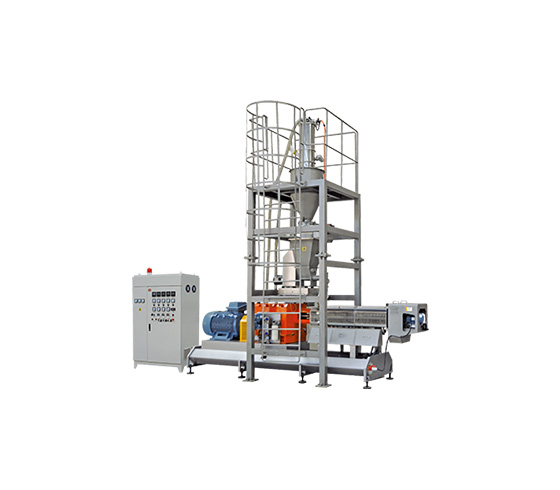
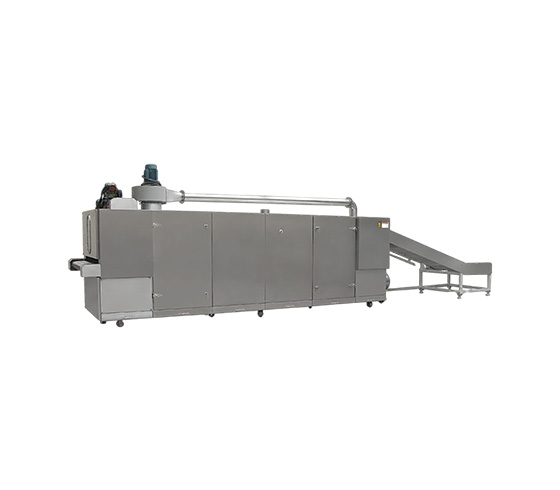
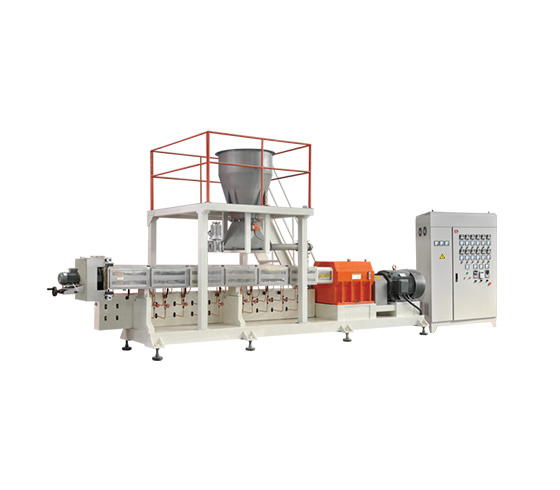
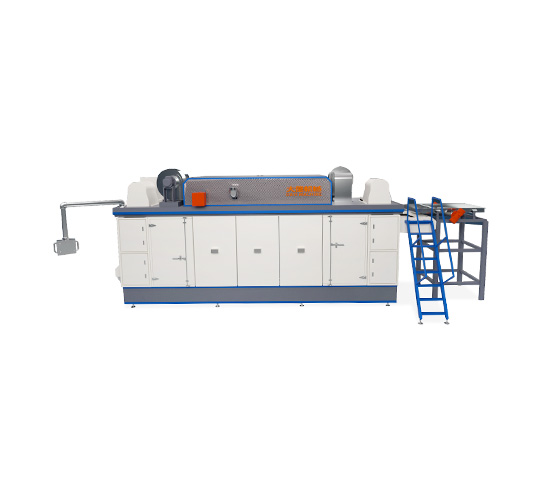
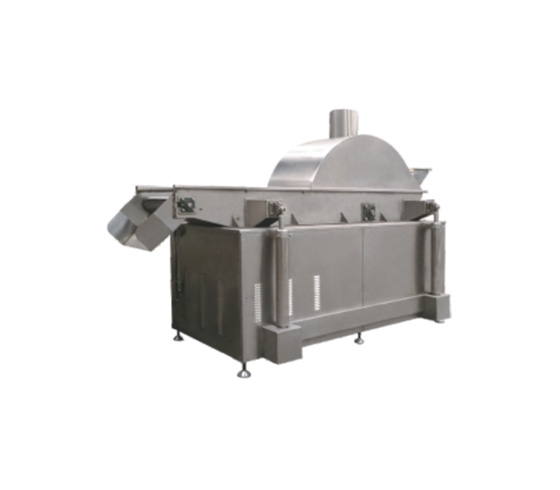
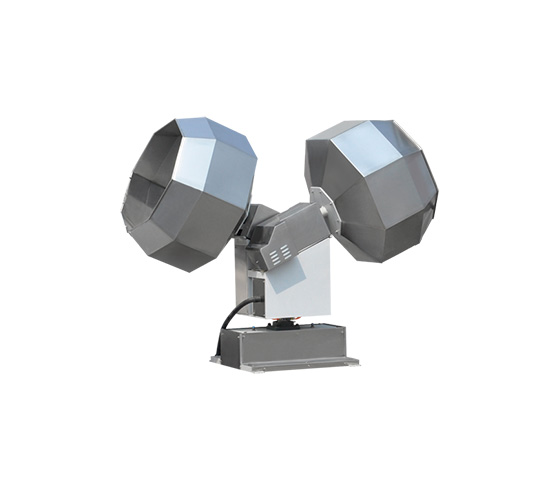
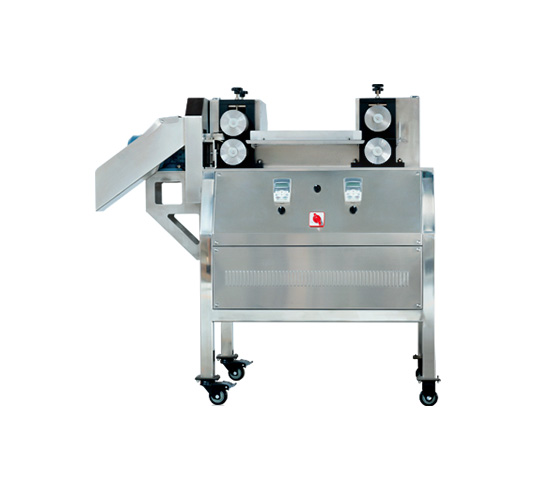
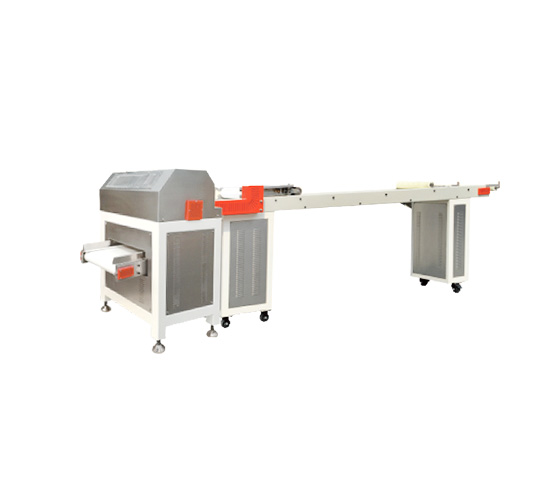
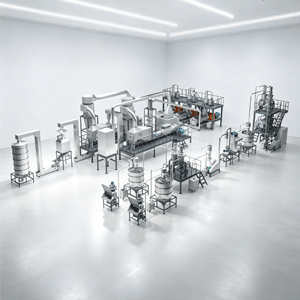
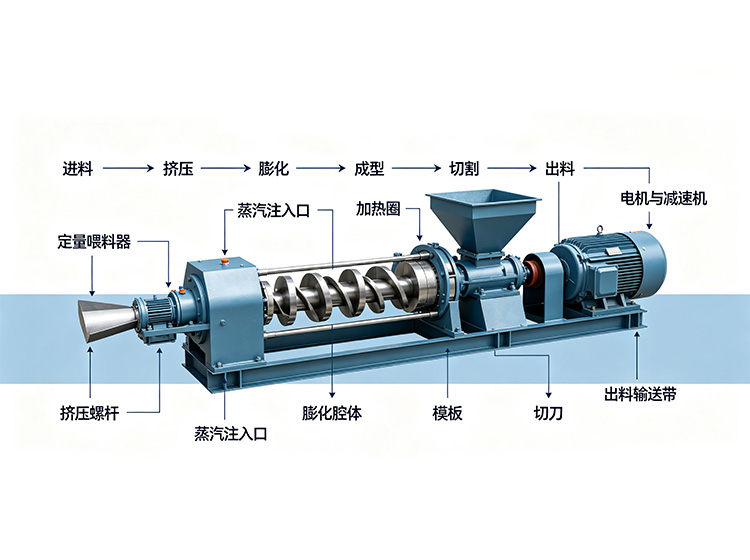
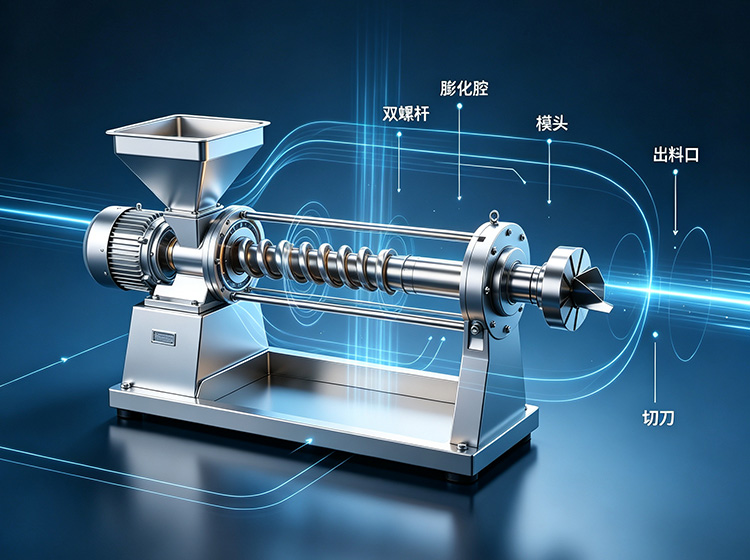
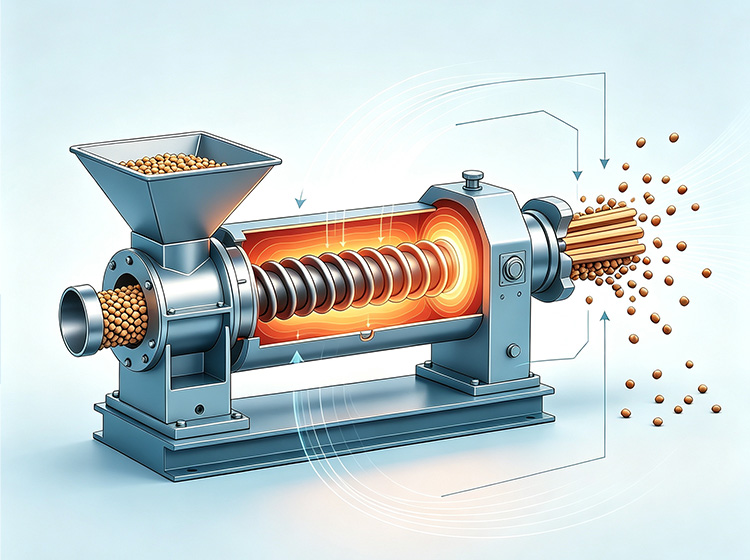
Breadcrumbs are produced using a twin-screw extrusion puffing machine, with the entire production line covering the full process from raw material feeding, extrusion puffing, crushing, drying, to finished product.This production line achieves a fully automated process from dough feeding to crushing and shaping, requiring fewer operators, allowing for the recycling of leftover materials with no waste, thereby reducing production costs and improving labor productivity.
Process Flow Composition:
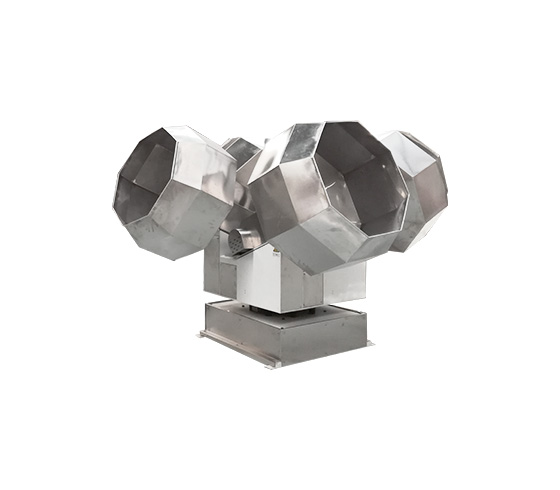
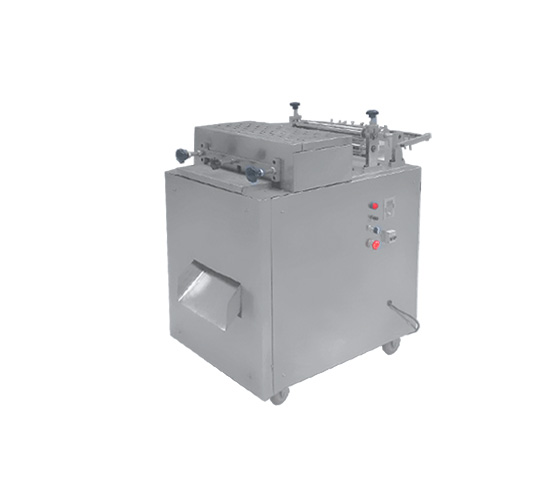
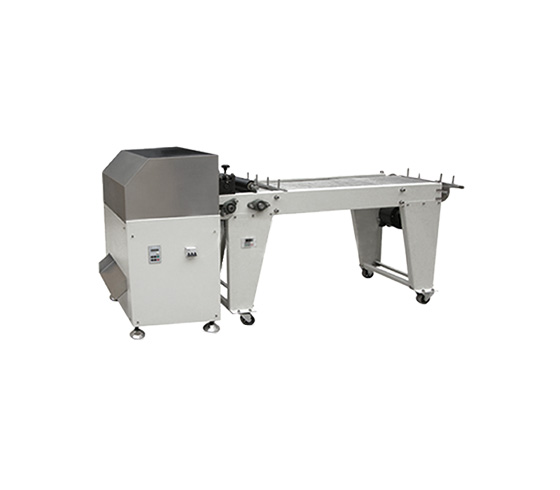
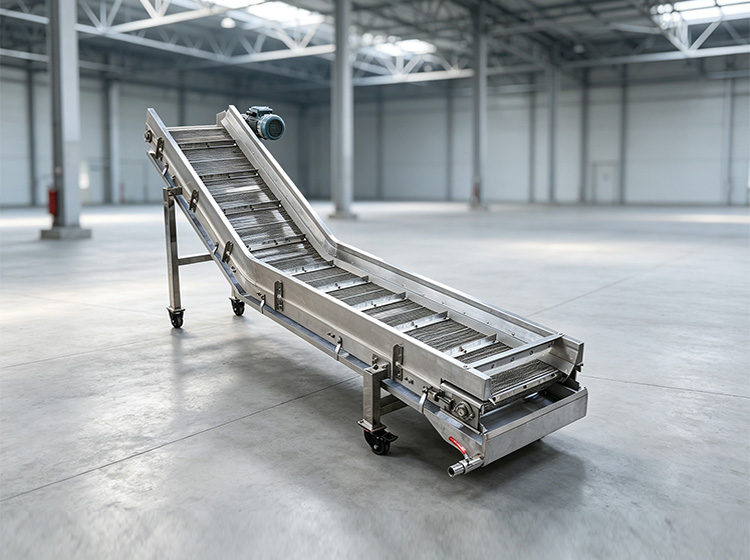
Mixing machine: Add an appropriate amount of water to the raw materials and mix thoroughly to ensure uniformity.2. Feeder: Utilizes a motor-driven screw conveyor to transport the mixed raw materials to the hopper of the extrusion puffing machine, ensuring convenient and rapid feeding.3. Extrusion puffing machine: Equipped with a dedicated control cabinet, capable of producing strip-shaped products under high-pressure conditions.4. Cutting machine: cuts long products into short strips.5. Elevator: Conveys the product to the oven; the elevator height is determined by the oven.6. Multi-layer oven: Typically an electric heating oven, with temperature control (0-200°C) via the control cabinet, featuring a double-layer stainless steel mesh belt inside.Baking time can be adjusted according to the operating speed to reduce moisture content and extend shelf life.7. Elevator: Conveys the product to the wet crusher after baking.8. Wet Crusher: Crushes strip-shaped products into bran-like particles.9. Grading sieve: Separates products into different specifications.10. Packaging machine: Vertical packaging machine or computerized multihead weigher packaging machine can be selected.
By changing the molds, the shape of the breadcrumbs can be freely adjusted.
What conditions should be considered during implementation or selection?
First, it is essential to clarify the product type, raw material state, formulation direction, and expected finished product requirements.For projects involving extrusion, forming, drying, frying, conveying, seasoning, or packaging, the processing capacity and cycle time of each stage must be matched to avoid discrepancies between individual equipment capacity and the overall line requirements.
Secondly, the installation plan should be evaluated in conjunction with the workshop's spatial layout and utility conditions, including power supply, water supply, steam, or gas.Equipment configuration should also take into account long-term operational factors such as cleaning, maintenance, safety protection, spare parts supply, and operator training.Any process or equipment capabilities mentioned in this document are for reference only in the context of solution discussions and preliminary assessments.Specific model numbers, power ratings, production capacities, temperatures, and times shall be subject to the formal technical proposal and the results of trial runs or on-site verification.
Frequently Asked Questions
Can the equipment be determined directly based on the standard configuration?
Not recommended.Different raw materials, product structures, target production capacities, and downstream processes can affect the equipment configuration.It is more prudent to confirm the product and process conditions before proceeding with the configuration assessment.
How to obtain more targeted advice?
It is recommended to prepare product images or sample information, raw material and formulation guidelines, target production capacity, existing workshop conditions, and planned downstream equipment configurations.Dayi Machinery can further discuss the applicable process routes and equipment configuration options based on this.
This article is compiled based on the "Breadcrumbs Production Process" documentation provided by Dayi Machinery, with the aim of helping readers understand the relevant topics.For technical requirements related to specific projects, please refer to the actual product documentation and engineering confirmation results.