Equipment Required for Indirect-Puffed Snack Production

Published:2026-07-18

The equipment required for indirect puffing of snack foods involves issues related to the process, selection, or operational management of food processing and production equipment.The actual solution should be confirmed based on raw material characteristics, target product specifications, production scale, and on-site conditions, and should not be determined solely by single equipment parameters.

Key Points for Equipment Required in Indirect Expansion Snack Food Production

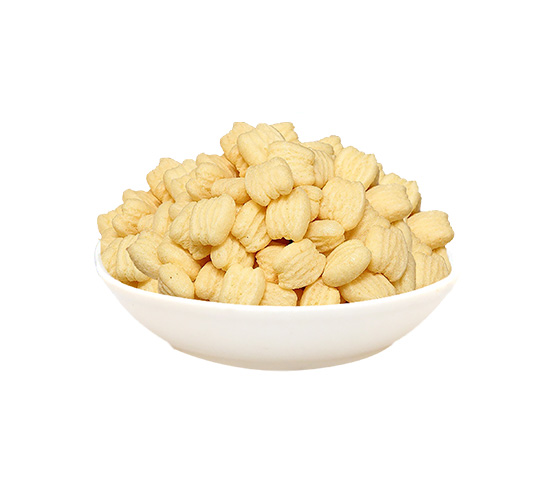
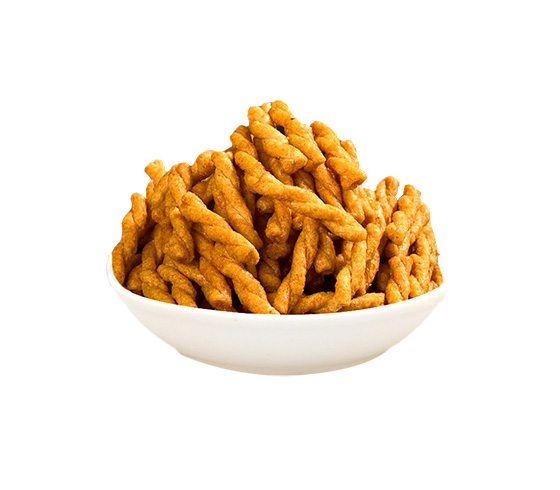
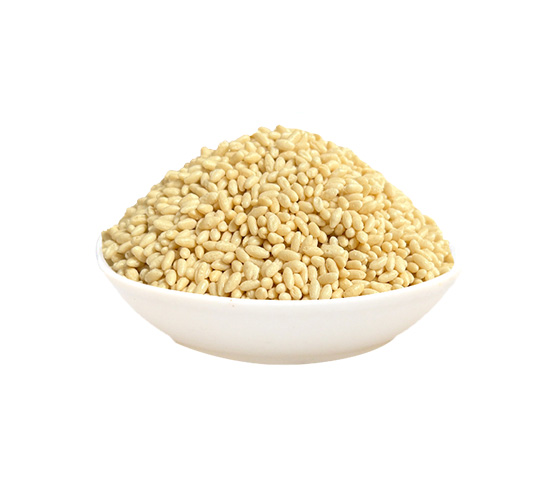
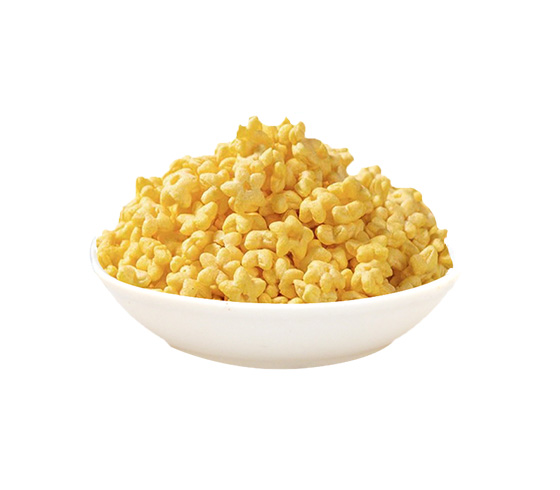
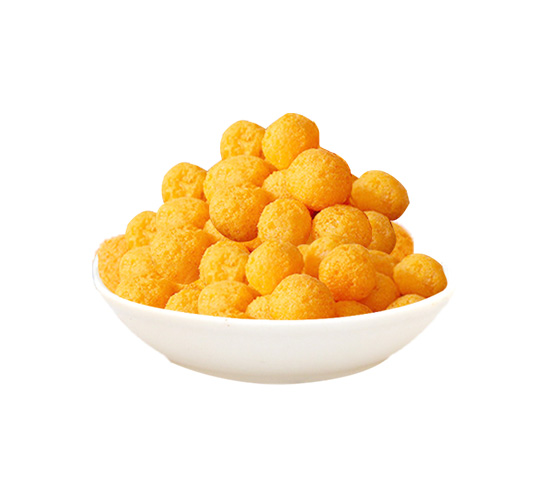
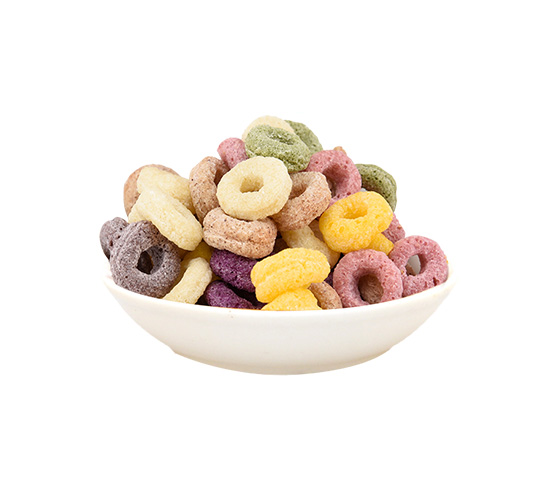
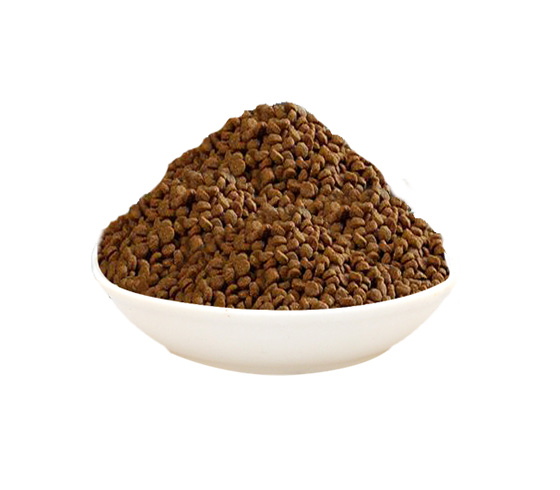
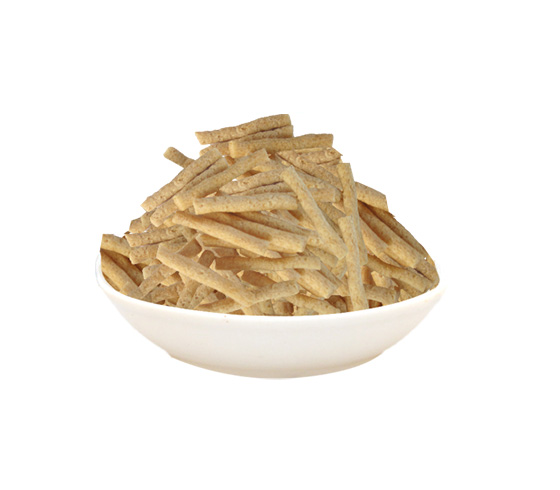
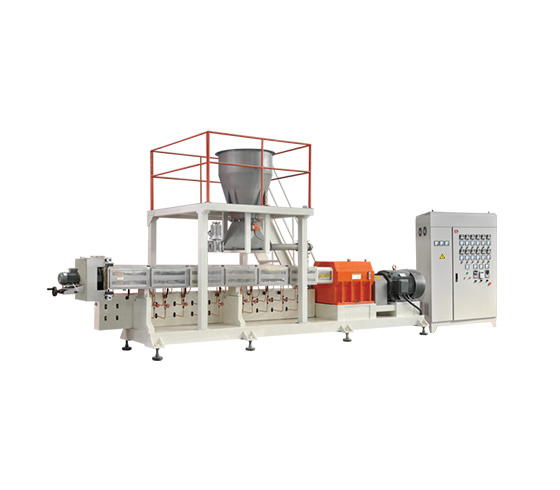
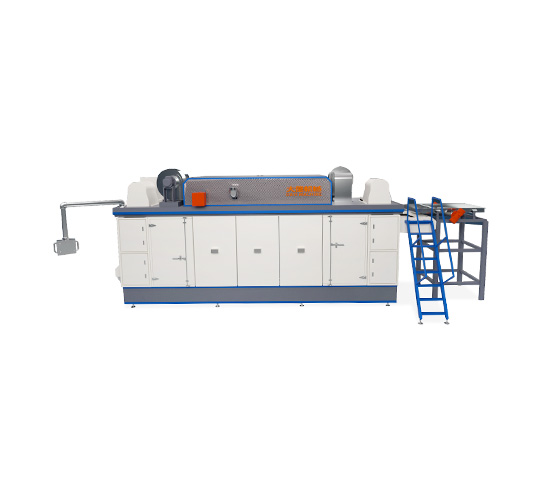
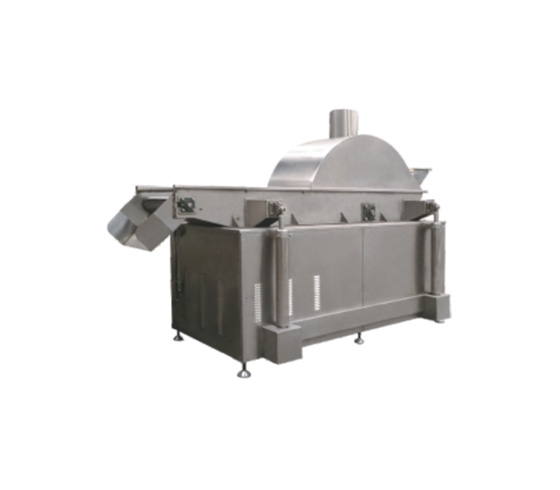
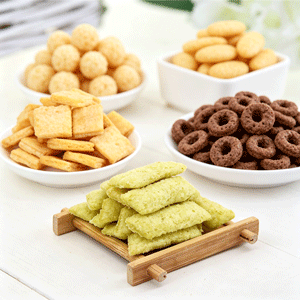
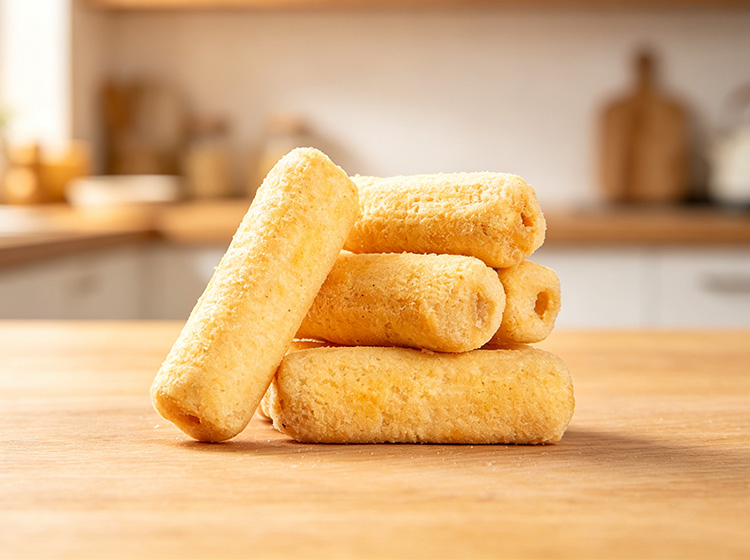
Indirectly expanded snack foods are also known as “the third generation of snack foods.”A common characteristic of this type of food production is that the material is not directly expanded after being extruded from the die of the extrusion puffing machine.Additional processing steps are required to impart specific appearance or texture, typically involving deep-frying or hot-air puffing to remove moisture and achieve the final texture.Most indirect puffing foods mainly consist of two common product categories: "pellet balls" and "formulated flakes."

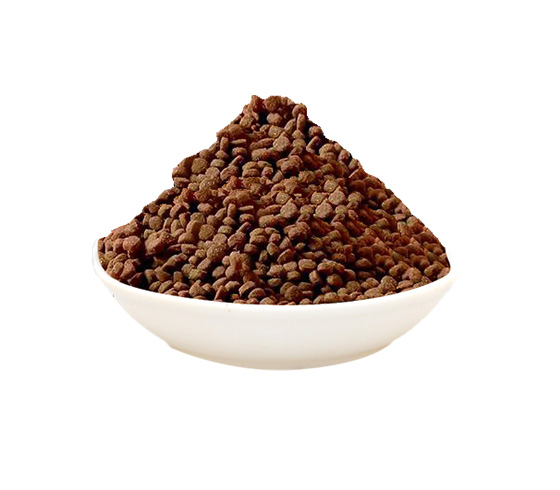
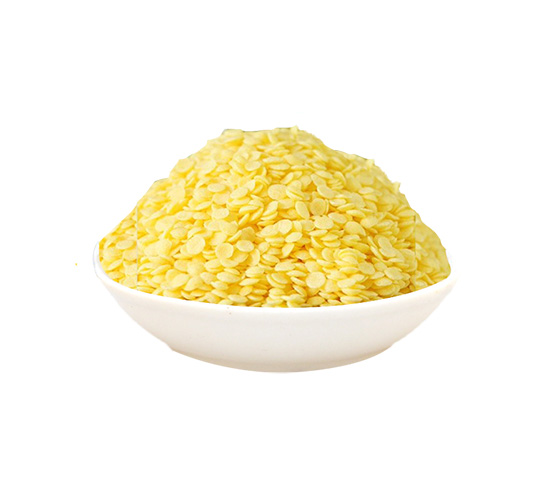
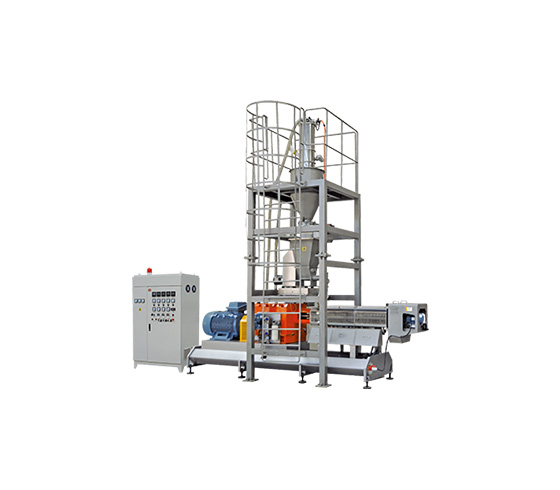
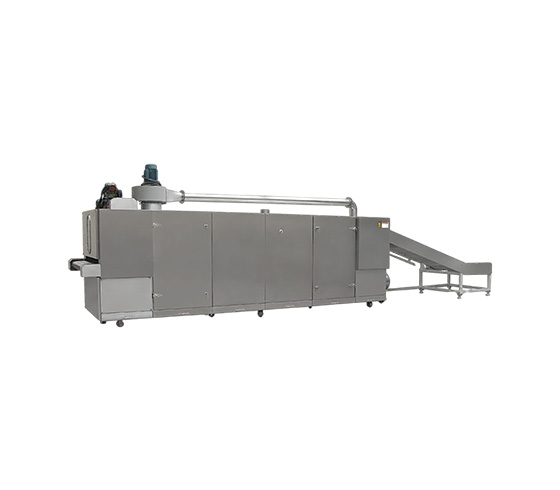
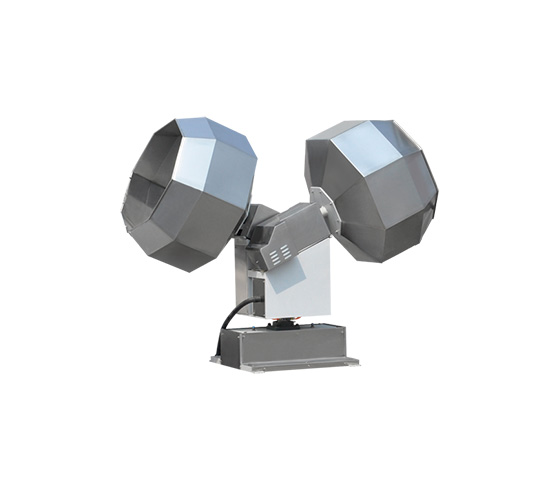
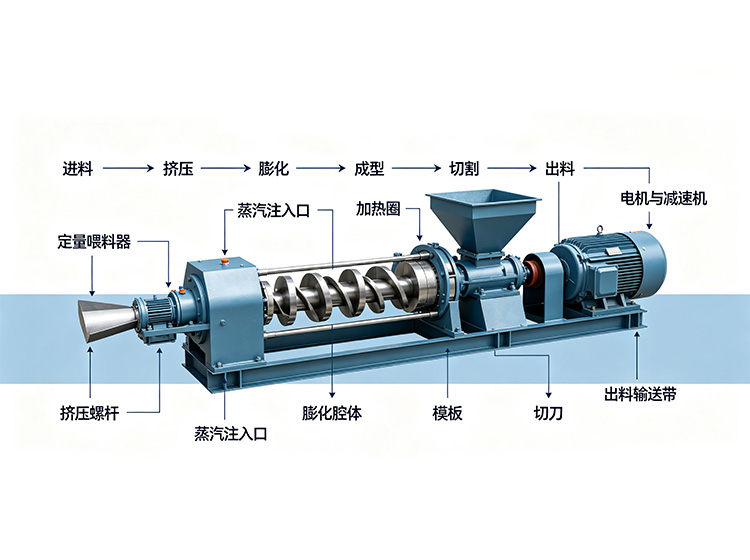
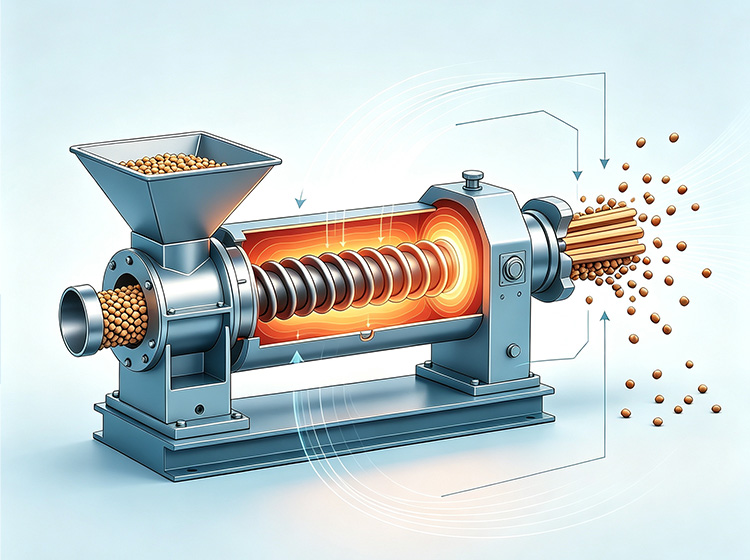
The granules are cooked in the extrusion puffing machine and pushed through the forming die at a temperature below 100°C.Dough is formed at low temperatures to prevent moisture in the material from turning into steam and causing expansion.The advantage of this process lies in its ability to form complex shapes that would typically be destroyed during direct extrusion.The granules are then dried to reduce the moisture content to below 12%, achieving a stable state.In this state, the pellets can be stored for extended periods, transported over long distances, and sold to small snack food manufacturers (or directly to consumers), where they are subsequently deep-fried and puffed, seasoned and coated, and packaged.

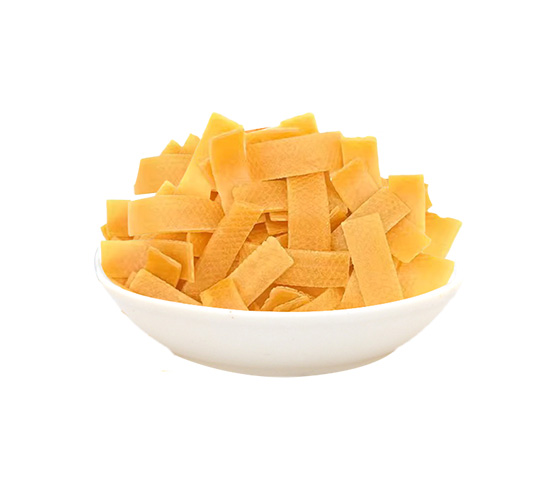
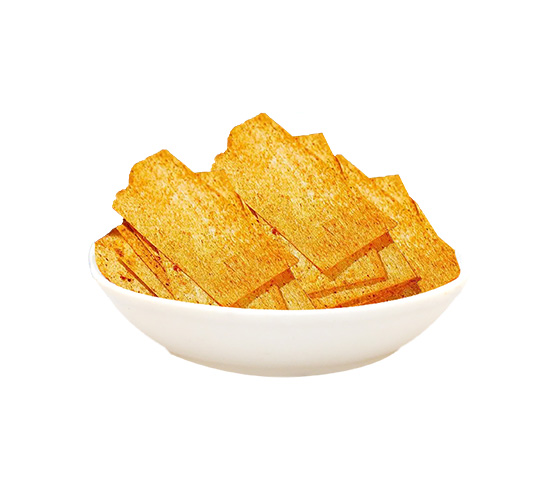
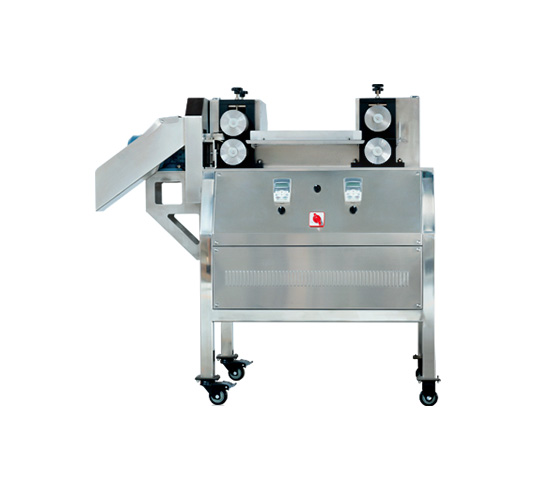
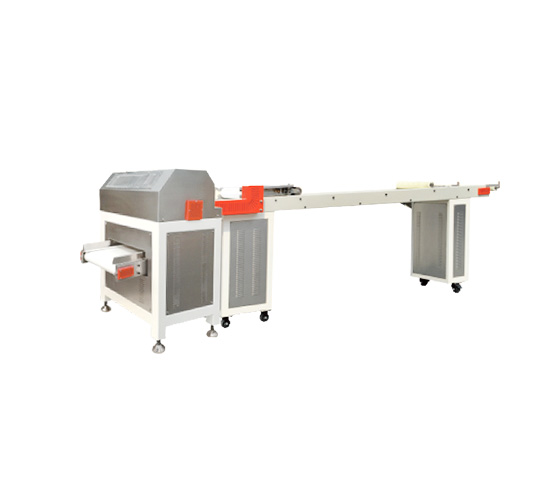
Many pre-formed thin-sheet products (FCPS) currently available on the market can be manufactured using various processing methods as described in patent literature, one of which primarily employs extrusion technology.This method is similar to the process for making pellet balls, but the main difference is that FCPS does not need to be dried to a moisture content below 12% for storage or sale.During the extrusion stage, they undergo only light cooking. After exiting the extruder, the preformed sheets are typically rolled or cut into shapes resembling potato chips or tortillas, and then fried to remove moisture and further complete the cooking process.

What conditions should be considered during implementation or selection?

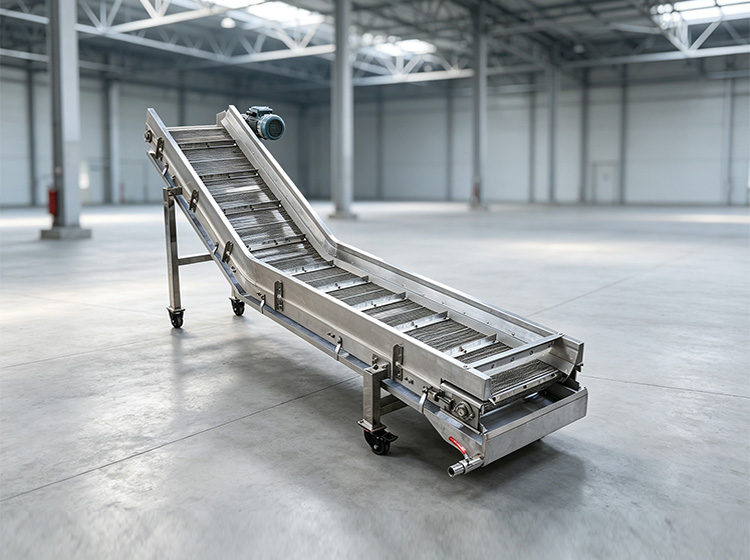
First, it is essential to clarify the product type, raw material state, formulation direction, and expected finished product requirements.For projects involving extrusion, forming, drying, frying, conveying, seasoning, or packaging, the processing capacity and cycle time of each stage must be matched to avoid discrepancies between individual equipment capacity and the overall line requirements.

Secondly, the installation plan should be evaluated in conjunction with the workshop's spatial layout and utility conditions, including power supply, water supply, steam, or gas.Equipment configuration should also take into account long-term operational factors such as cleaning, maintenance, safety protection, spare parts supply, and operator training.Any process or equipment capabilities mentioned in this document are for reference only in the context of solution discussions and preliminary assessments.Specific model numbers, power ratings, production capacities, temperatures, and times shall be subject to the formal technical proposal and the results of trial runs or on-site verification.

Frequently Asked Questions

Can the equipment be determined directly based on the standard configuration?

Not recommended.Different raw materials, product structures, target production capacities, and downstream processes can affect the equipment configuration.It is more prudent to confirm the product and process conditions before proceeding with the configuration assessment.

How to obtain more targeted advice?

It is recommended to prepare product images or sample information, raw material and formulation guidelines, target production capacity, existing workshop conditions, and planned downstream equipment configurations.Dayi Machinery can further discuss the applicable process routes and equipment configuration options based on this.

This article is compiled based on the “Equipment Required for Indirect Puffed Snack Food Production” provided by Dayi Machinery, with the aim of helping readers understand the relevant topics.For technical requirements related to specific projects, please refer to the actual product documentation and engineering confirmation results.