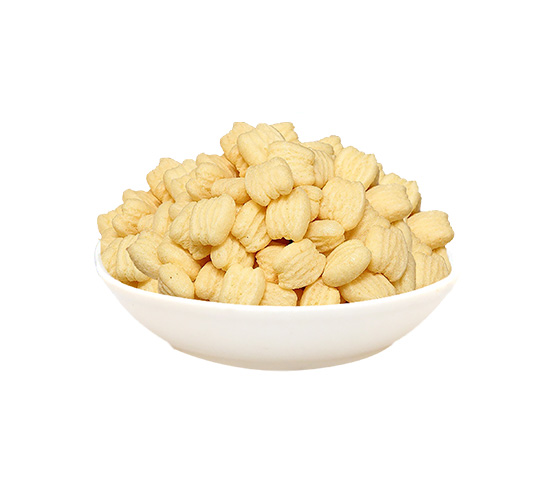
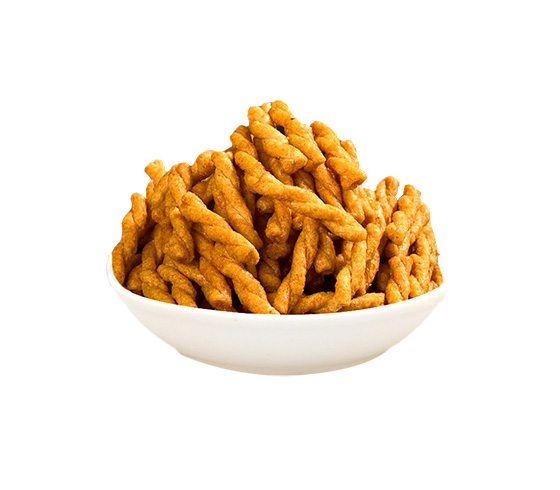
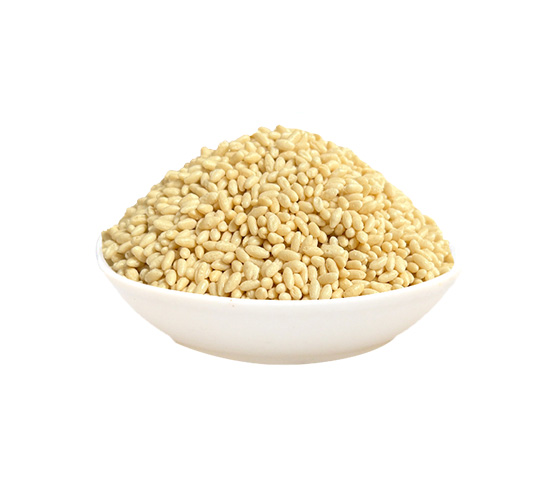
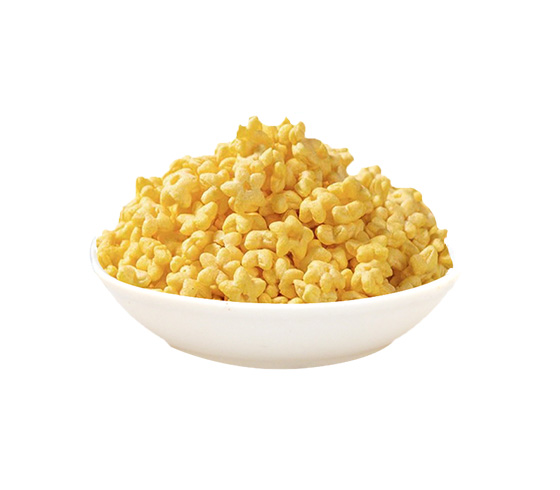
The characteristics of different types of food extrusion puffing machines involve process, equipment selection, and operational management issues in food processing and production.The actual solution should be confirmed based on raw material characteristics, target product specifications, production scale, and on-site conditions, and should not be determined solely by the parameters of a single piece of equipment.
Key Features of Different Types of Food Extrusion Puffing Machines
What are the characteristics of single-screw extruders, twin-screw extruders, and various types of extruders?
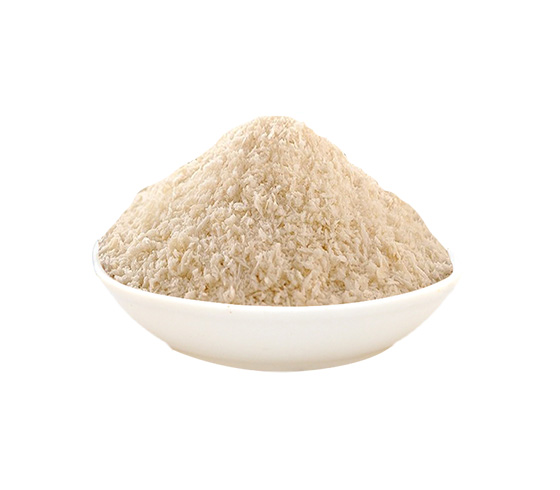
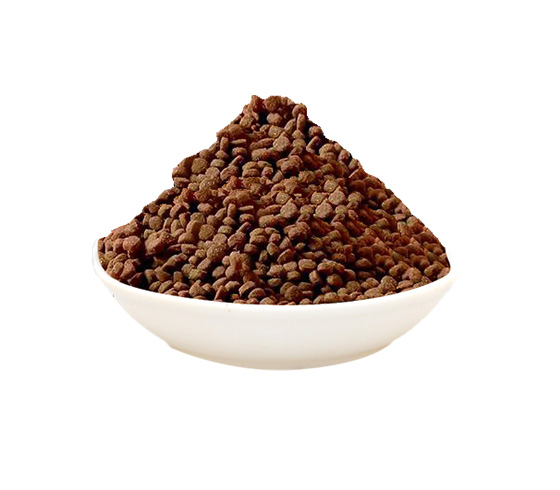
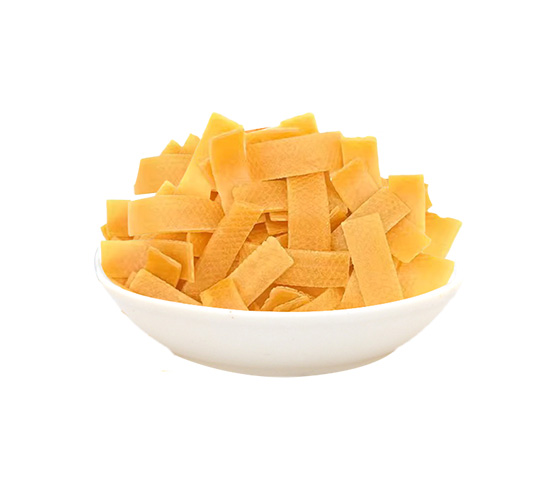
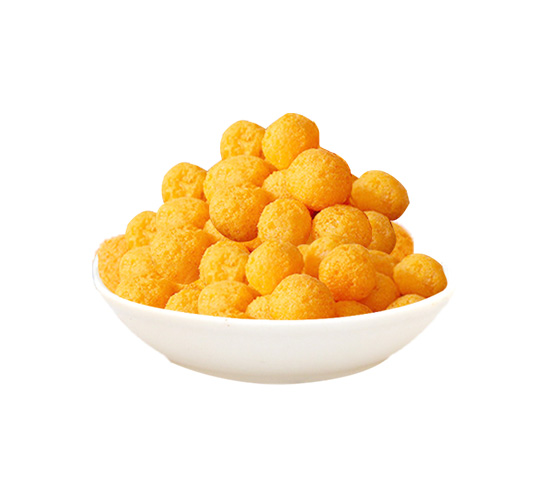
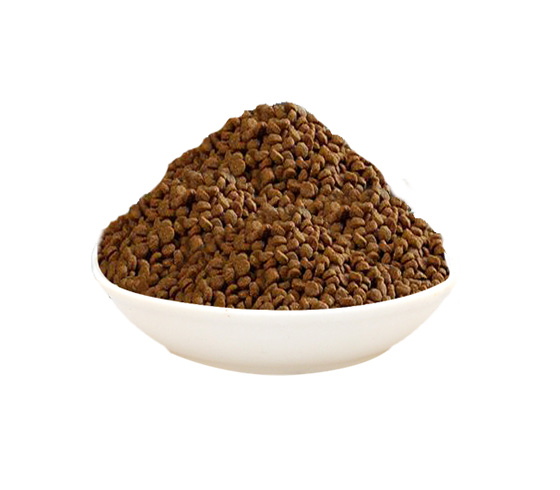
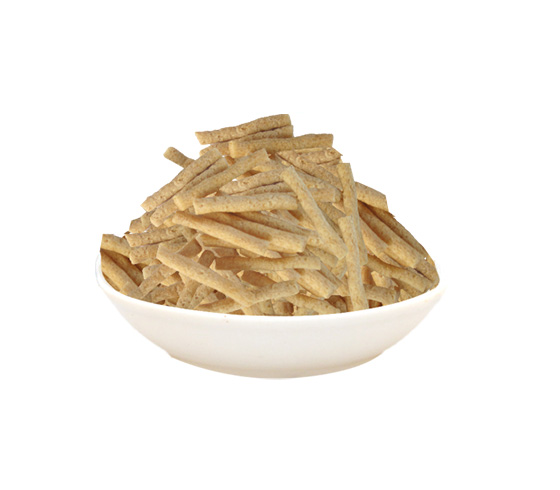
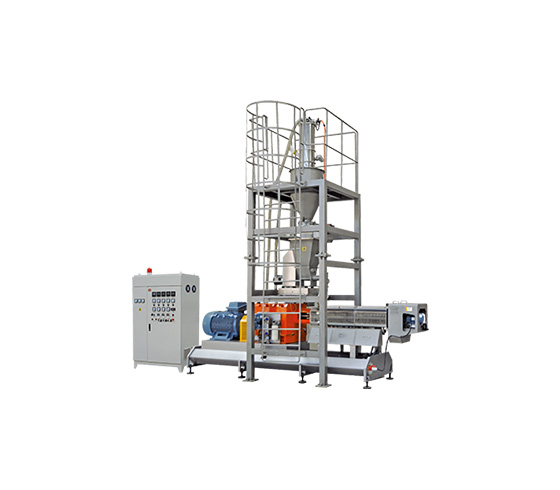
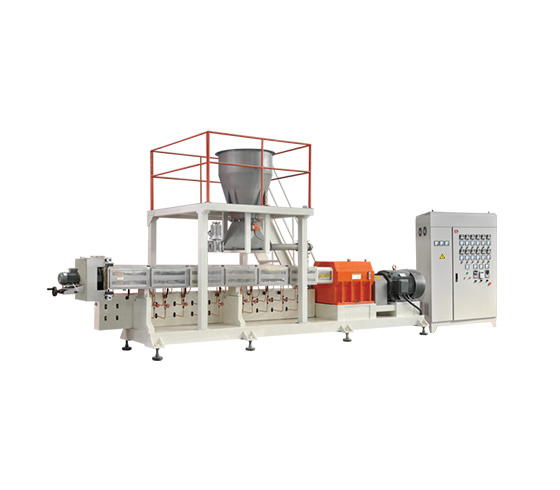
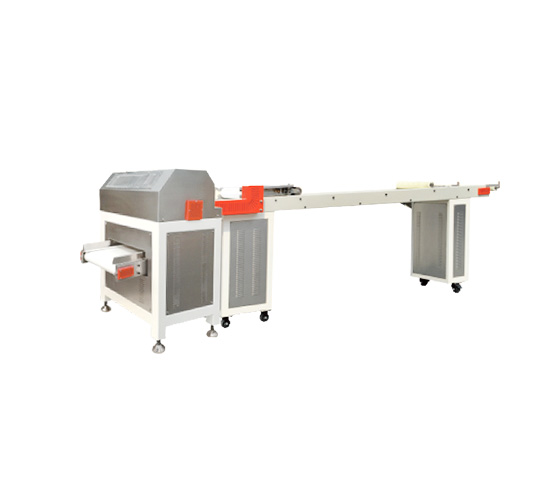
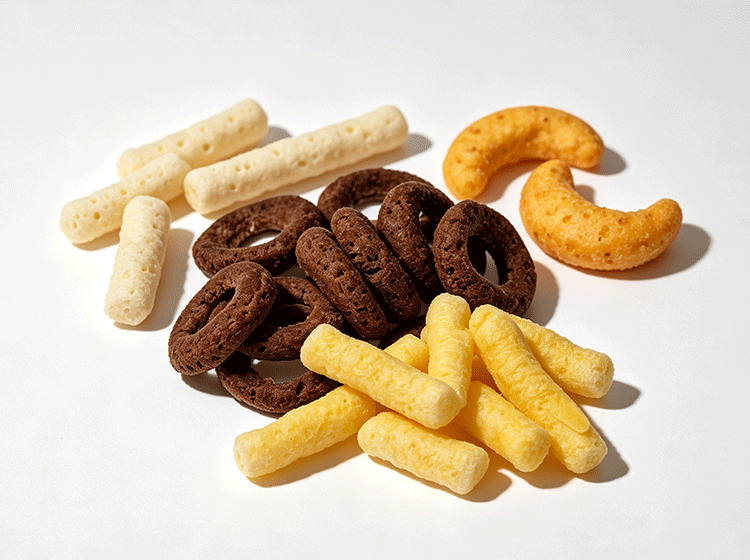
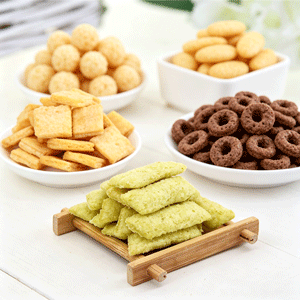
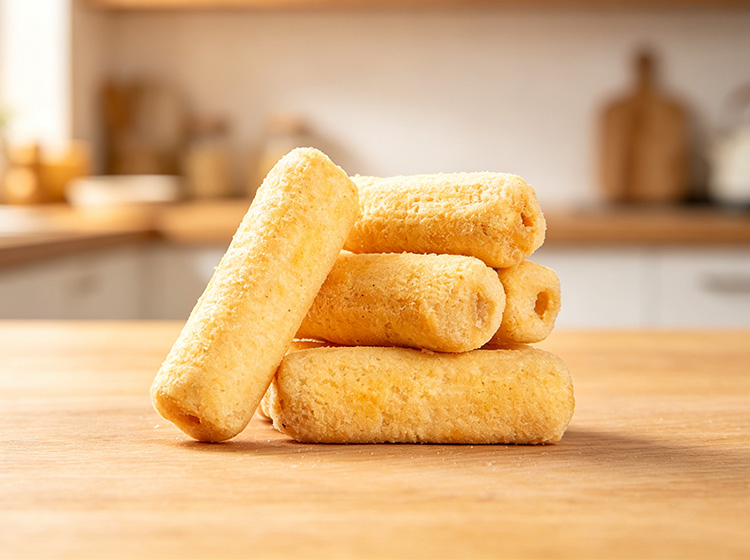
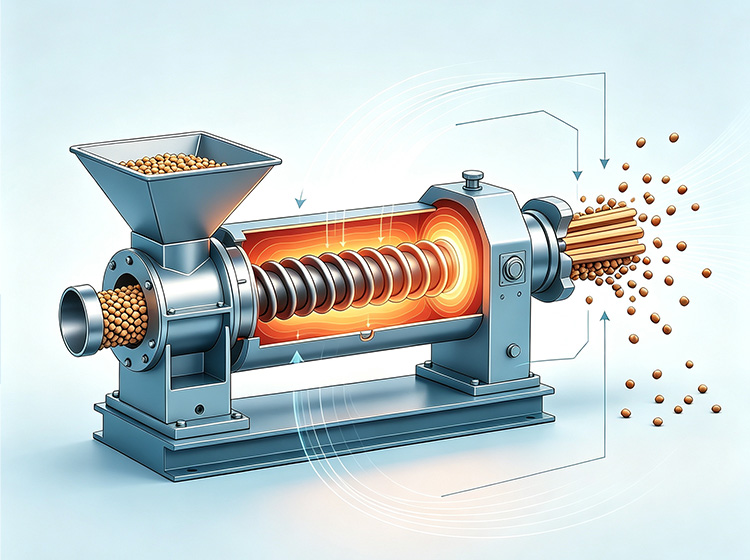
The market is seeing an increasing variety of expanded snacks, while a wide range of expanded animal feeds are being continuously introduced.This article introduces the characteristics of several extrusion puffing machines.This extrusion puffing machine can mix one or more of wheat flour, rice flour, starch, and coarse grains. It employs single-screw extrusion and a unique high-temperature puffing process, offering advantages such as broad raw material compatibility, ease of operation, low energy consumption, and high output.
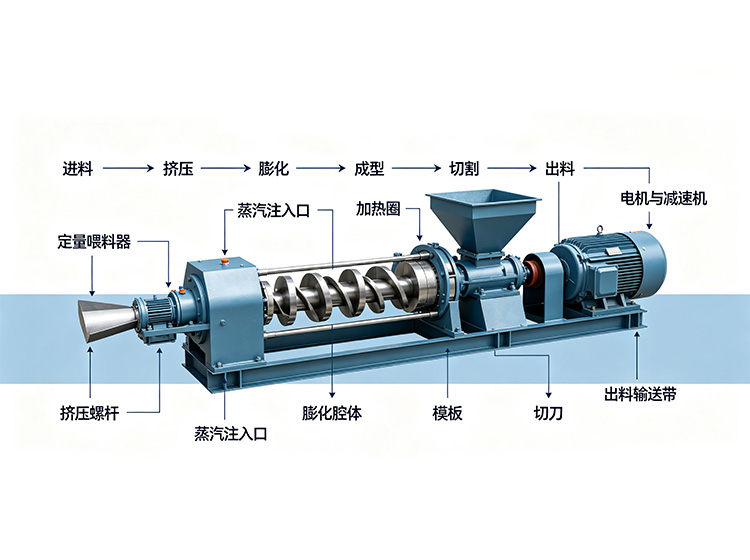
Subject: Characteristics of Different Types of Food Extrusion Puffing Machines;Features of the single-screw extrusion puffing machine: The screw is composed of various screw elements with different structures, connected by a single shaft.The entire screw is divided into three sections: the feeding section, the kneading section, and the melting and homogenizing section.After entering the barrel through the feed inlet, the material undergoes solid conveying, melting, and homogenization within the screw, transforming it from a loose state into a continuous plastic dough.
Subject: Characteristics of Different Types of Food Extrusion Puffing Machines;Features of Single-Screw Extrusion Puffing Machine: The single-screw extrusion puffing machine has a relatively simple structure and a lower price.It has an early development history, mature technology, and stable equipment operation.As the core equipment for aquaculture extruded feed production, its application history spans more than 40 years.In Romania, it is widely used for producing low-protein feed for adult non-fish species, such as channel catfish, grass carp, and common carp.Furthermore, single-screw extruders also offer significant advantages in the production of low-grade feeds, such as pond polyculture fish feed.The raw materials do not require ultrafine grinding; a particle size where 95% passes through a 30-50 mesh sieve is sufficient, significantly reducing equipment investment costs and improving production efficiency.
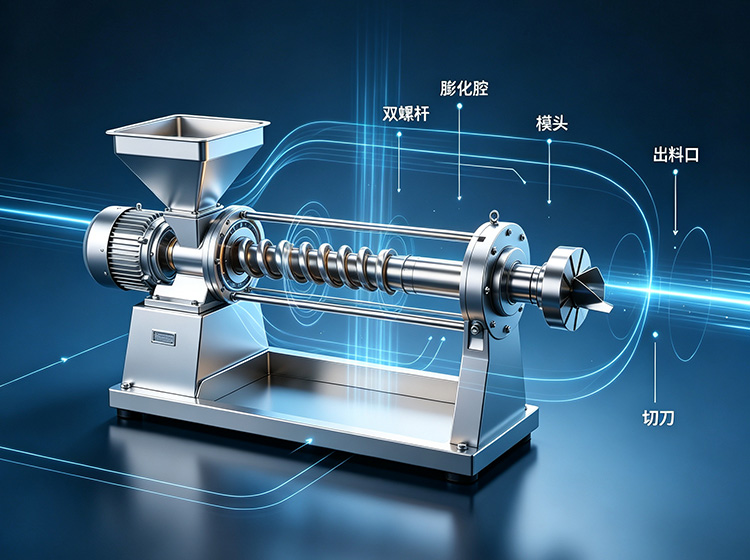
Subject: Characteristics of Different Types of Food Extrusion Puffing Machines;Features of Twin-Screw Extruders: Multi-screw extruders have been developed on the basis of single-screw extruders.The barrel of a twin-screw extrusion puffing machine houses two screws arranged side by side, hence the name twin-screw extrusion puffing machine.Based on the relative positions of the screws, they can be classified into meshing and non-meshing types.Among these, meshing types can be further divided into partial meshing and full meshing types.Based on the direction of screw rotation, they can be classified into two categories: co-rotating and counter-rotating.Reverse rotation can be further divided into inward rotation and outward rotation.
What conditions should be considered during implementation or selection?
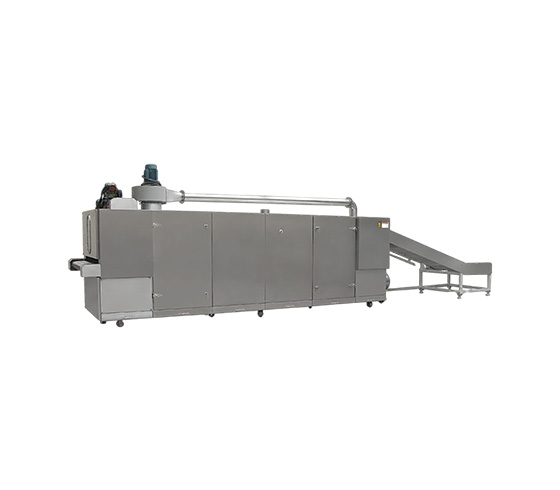
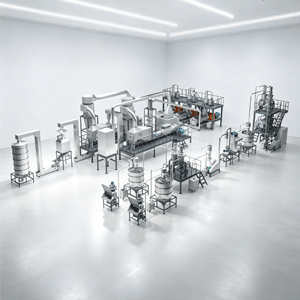
First, it is essential to clarify the product type, raw material state, formulation direction, and expected finished product requirements.For projects involving extrusion, forming, drying, frying, conveying, seasoning, or packaging, the processing capacity and cycle time of each stage must be matched to avoid discrepancies between individual equipment capacity and the overall line requirements.
Secondly, the installation plan should be evaluated in conjunction with the workshop's spatial layout and utility conditions, including power supply, water supply, steam, or gas.Equipment configuration should also take into account long-term operational factors such as cleaning, maintenance, safety protection, spare parts supply, and operator training.Any process or equipment capabilities mentioned in this document are for reference only in the context of solution discussions and preliminary assessments.Specific model numbers, power ratings, production capacities, temperatures, and times shall be subject to the official technical proposal and the results of trial runs or on-site verification.
Frequently Asked Questions
Can the equipment be determined directly based on the standard configuration?
Not recommended.The equipment configuration is influenced by different raw materials, product structures, target production capacities, and downstream processes.It is more prudent to confirm the product and process conditions before proceeding with the configuration assessment.
How to obtain more targeted advice?
It is recommended to prepare product images or sample information, raw material and formulation guidelines, target production capacity, existing workshop conditions, and planned downstream equipment configurations.Dayi Machinery can further discuss the applicable process routes and equipment configuration options based on this.
This article is compiled based on the document “Characteristics of Different Types of Food Extrusion Puffing Machines” provided by Dayi Machinery, with the aim of helping readers understand the relevant topics.For technical requirements related to specific projects, please refer to the actual product documentation and engineering confirmation results.