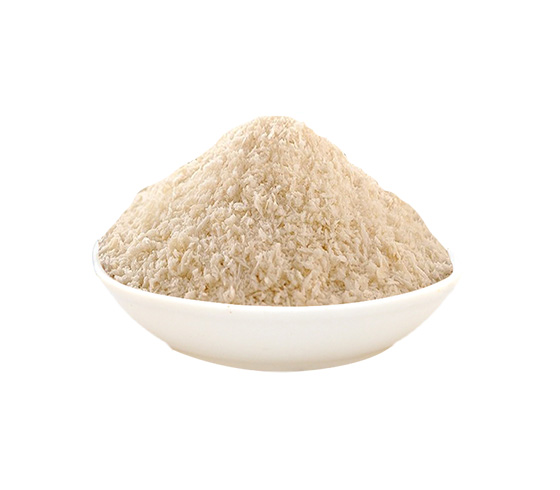
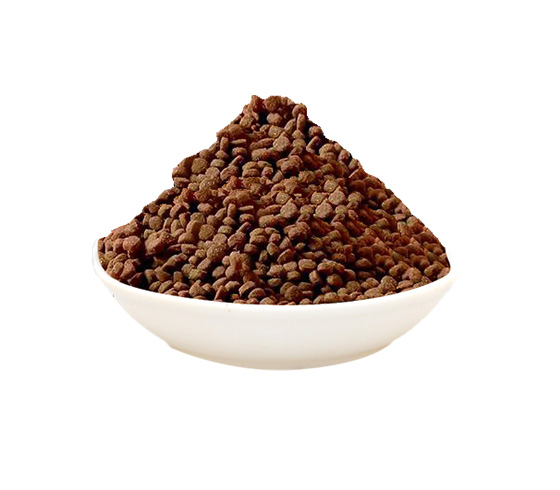
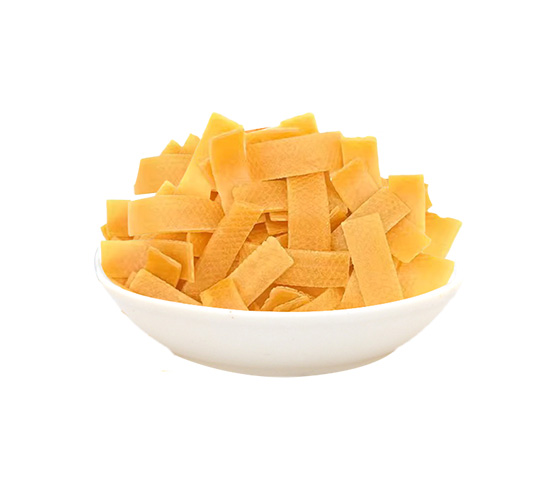
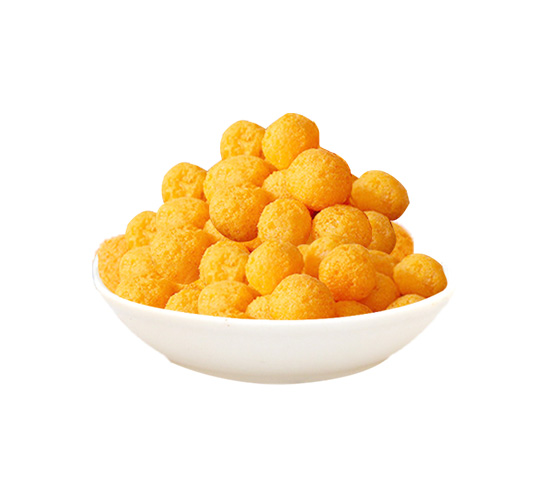
The production process of the 3D blank production line involves issues related to the process, equipment selection, or operational management of food processing and production equipment.The actual solution should be confirmed based on raw material characteristics, target product specifications, production scale, and on-site conditions, and should not be determined solely by the parameters of a single piece of equipment.
Key Points of the Production Process for the 3D Dough Production Line
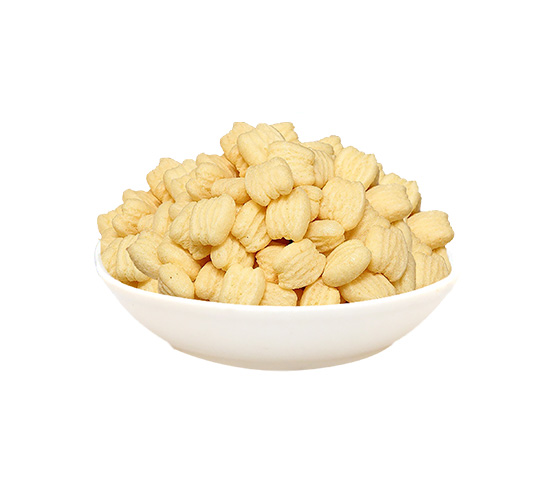
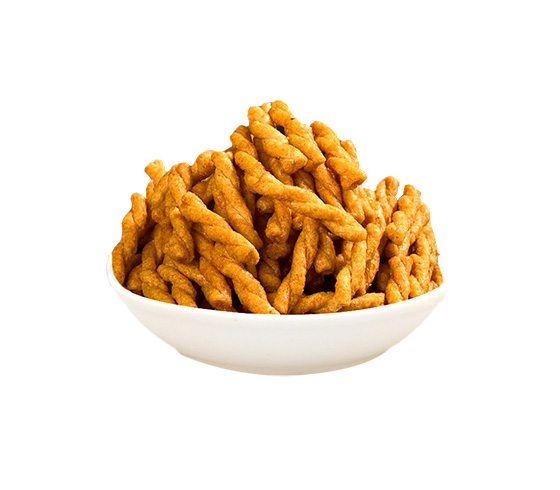
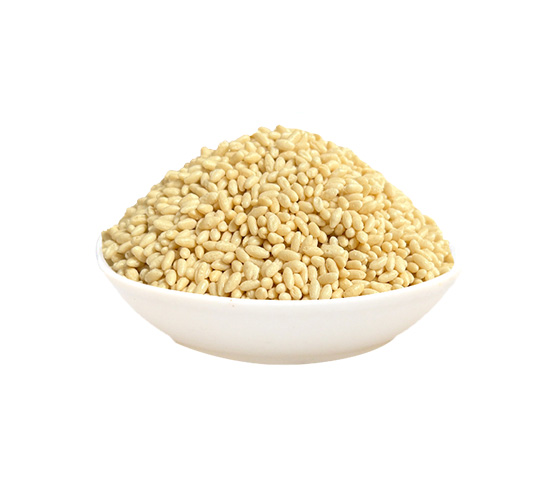
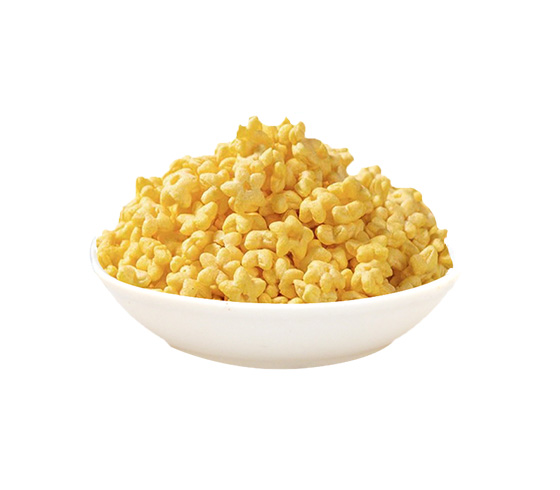
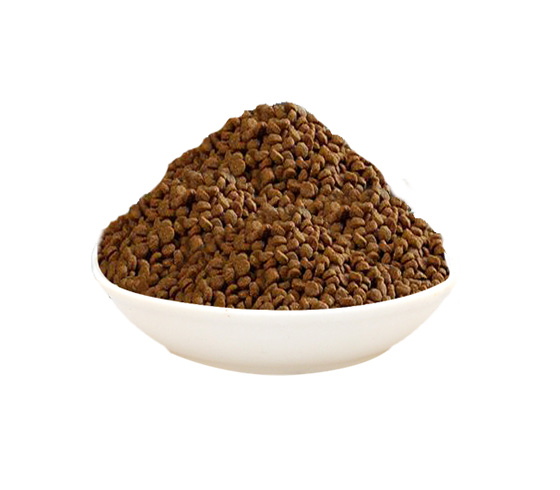
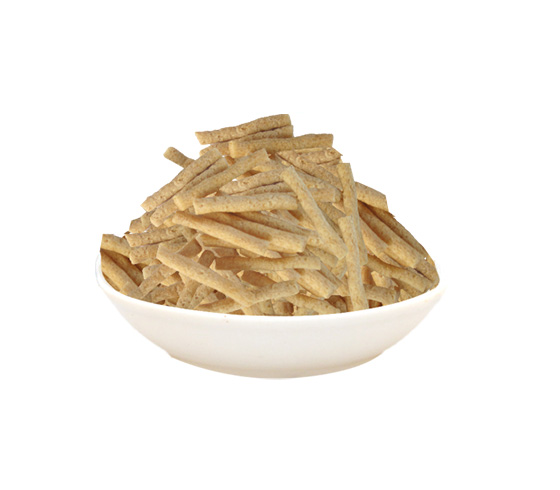
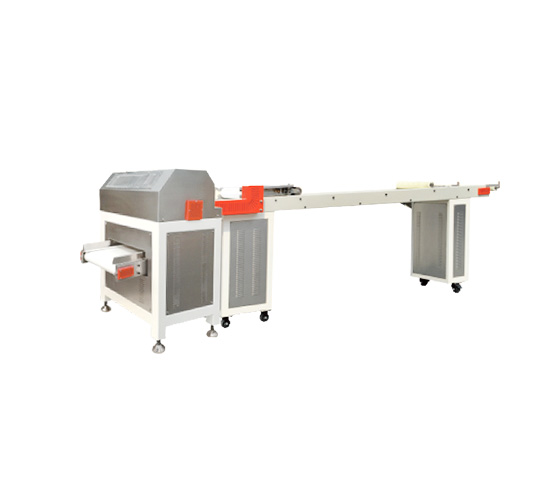
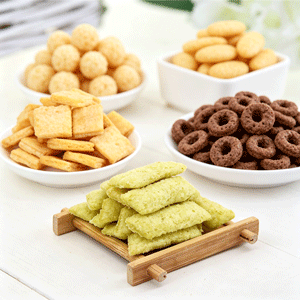
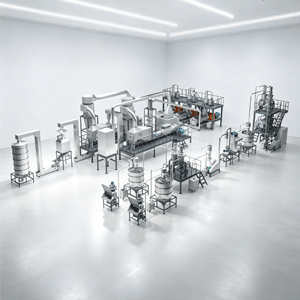
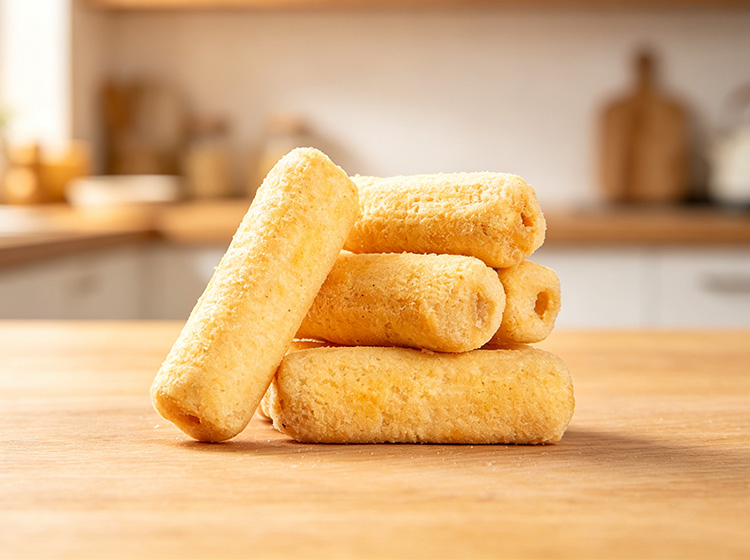
The 3D blank production line developed by our company mainly uses potato starch, corn starch, and other raw materials to produce various popular secondary puffed food shapes on the market, such as pea crisps, shell-shaped snacks, spiral slices, square tubes, round tubes, and wavy slices.This production line features a unique process, rational configuration, high degree of automation, stable performance, and does not require a boiler.Integrating steaming, refining, and extrusion molding, it produces products with realistic shapes, a fine texture after frying, and a crispy, non-greasy taste, making it highly popular among consumers of all ages.
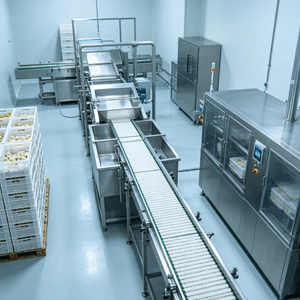
3D Snack Production Line Configuration: Dough Mixer - Extrusion Main Machine - Embossing Machine - Composite Forming Machine - Large Elevator - Five-Layer Fuel Oil Oven - Oil Curtain Fryer - Seasoning Line
3D blank production line process flow:
Mixing Machine: Uniformly blends the raw materials required for production with a specified amount of water to form thoroughly mixed raw materials.
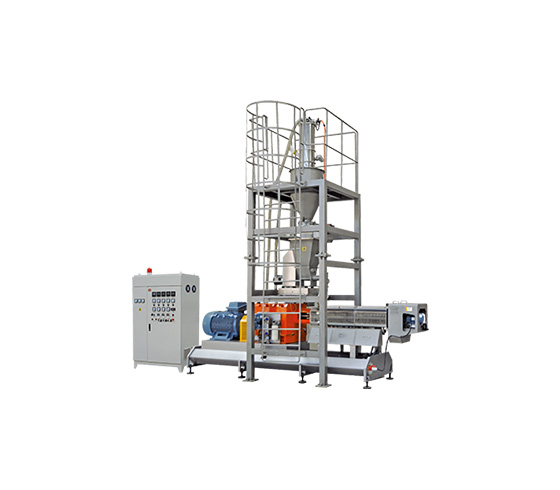
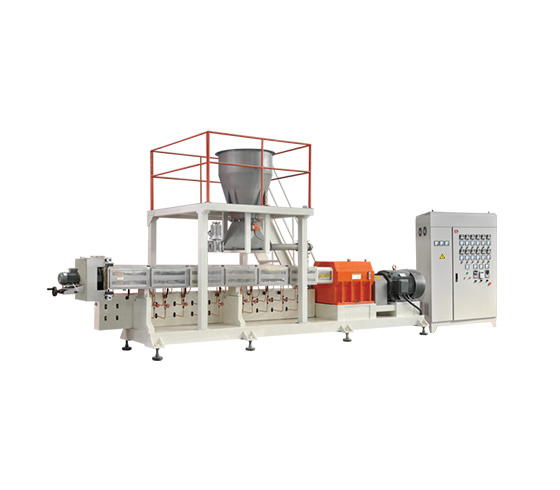
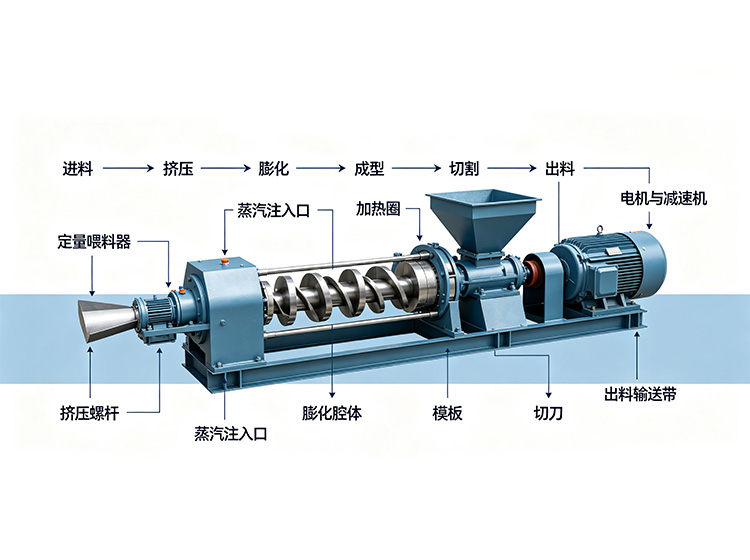
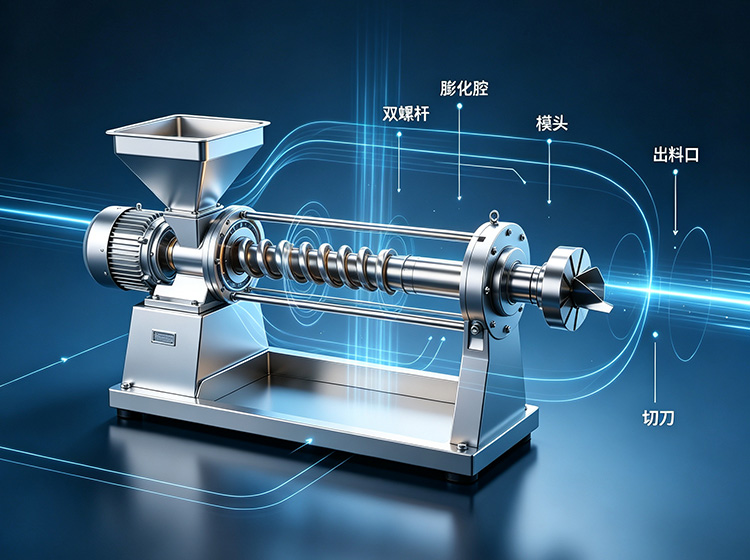
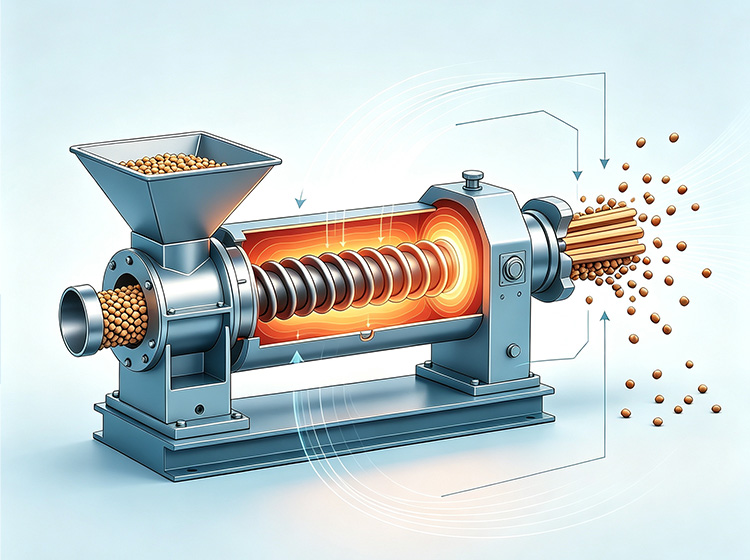
Vinci Extrusion Puffing Machine: The Vinci-type main unit is a high-output, high-efficiency single-screw extrusion puffing machine used for extruding and puffing the mixed raw materials.
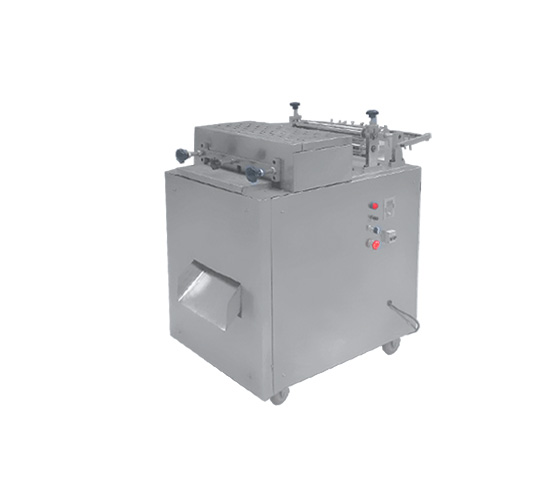
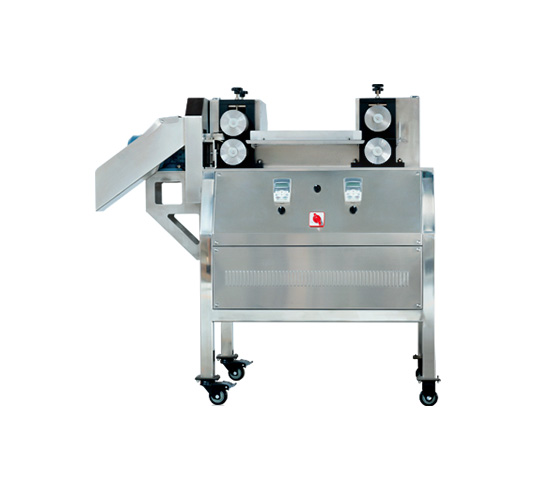
Embossing Machine: Used for surface decoration and embossing of products produced by extrusion puffing machines, and for manufacturing products of various shapes according to production requirements.
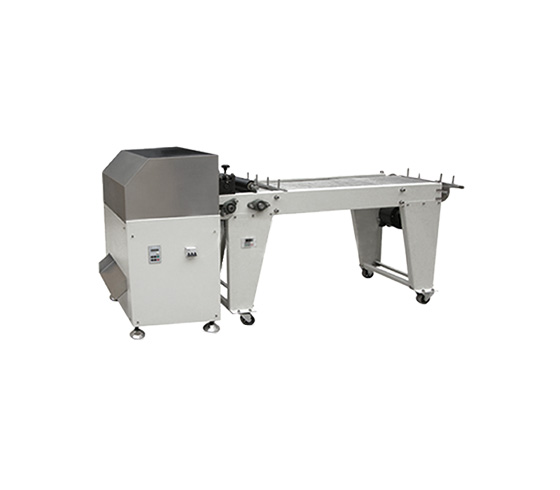
Composite Forming Machine: Cuts and shapes products according to production requirements, achievable through methods such as mold replacement.
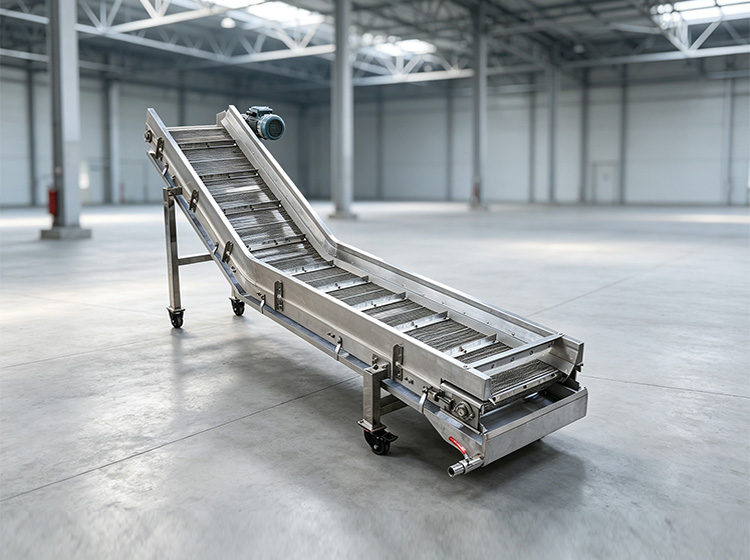
Large Elevator: Transports the formed products to the oven; fan conveying can also be used.The height of the elevator depends on the height of the oven.
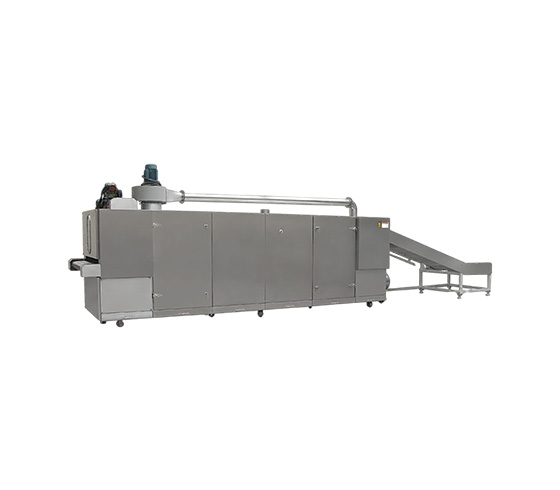
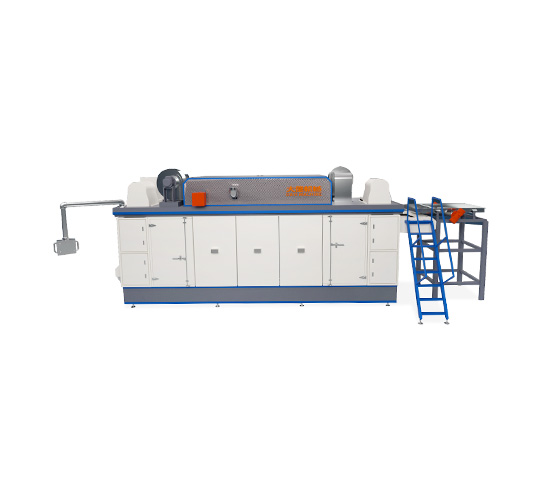
Five-layer oil-fired oven: This oven features a large capacity, high production rate, and substantial output.After baking, the product becomes dry and crispy.
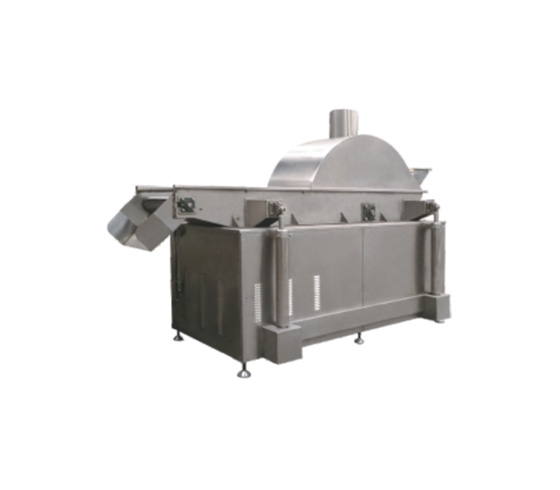
Oil Curtain Fryer: Fries the baked products to make them expand and become crispy and delicious.The oil curtain fryer ensures uniform frying, saves oil, and facilitates precise temperature control.
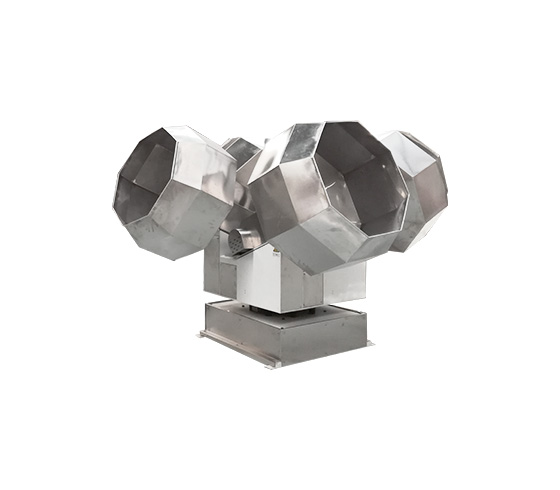
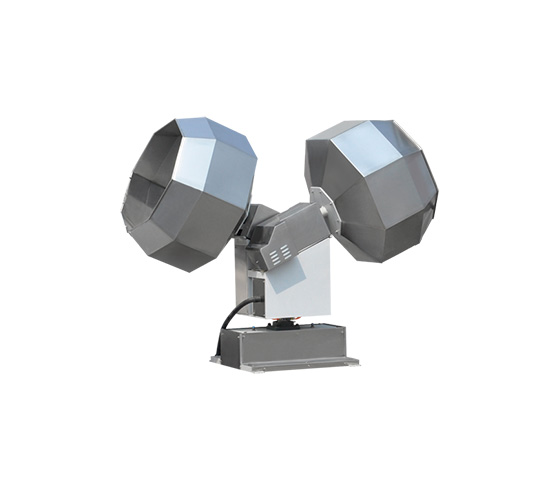
Seasoning Line: Utilizes a drum-type seasoning line to ensure uniform mixing of seasonings and reduce usage.
The main difference between the 3D blank production line and the 2D blank production line lies in the extrusion and puffing main machine.The 2D blank production line primarily uses the DLG90 and DLG130 extrusion and puffing main units, allowing enterprises to select the appropriate model based on their production requirements.The products produced by the blank production line are semi-finished and must be deep-fried and expanded before they are ready for consumption.This product is widely used in the food industry for producing snacks such as Cheetos, shrimp crackers, spiral chips, shell-shaped crisps, and grid-shaped crackers.If you are interested in purchasing a blank production line, please feel free to consult our sales team. We will provide you with the highest quality products and services.
What conditions should be considered during implementation or selection?
First, it is essential to clarify the product type, raw material state, formulation direction, and expected finished product requirements.For projects involving extrusion, forming, drying, frying, conveying, seasoning, or packaging, the processing capacity and cycle time of each stage must be matched to avoid discrepancies between individual equipment capacity and the overall line requirements.
Secondly, the installation plan should be evaluated in conjunction with the workshop's spatial layout and utility conditions, including power supply, water supply, steam, or gas.Equipment configuration should also take into account long-term operational factors such as cleaning, maintenance, safety protection, spare parts supply, and operator training.Any process or equipment capabilities mentioned in this document are for reference only in the context of solution discussions and preliminary assessments.Specific model numbers, power ratings, production capacities, temperatures, and times shall be subject to the official technical proposal and the results of trial runs or on-site verification.
Frequently Asked Questions
Can the equipment be determined directly based on the standard configuration?
Not recommended.The equipment configuration is influenced by different raw materials, product structures, target production capacities, and downstream processes.It is more prudent to confirm the product and process conditions before proceeding with the configuration assessment.
How to obtain more targeted advice?
It is recommended to prepare product images or sample information, raw material and formulation guidelines, target production capacity, existing workshop conditions, and planned downstream equipment configurations.Dayi Machinery can further discuss the applicable process routes and equipment configuration options based on this.
This article is compiled based on the "3D Blank Production Line Production Process" documentation provided by Dayi Machinery, with the aim of helping readers understand the relevant topics.For technical requirements related to specific projects, please refer to the actual product documentation and engineering confirmation results.