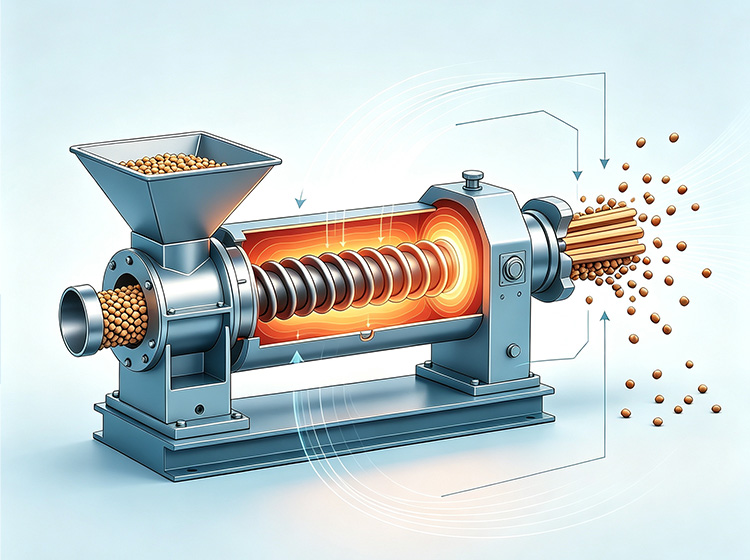
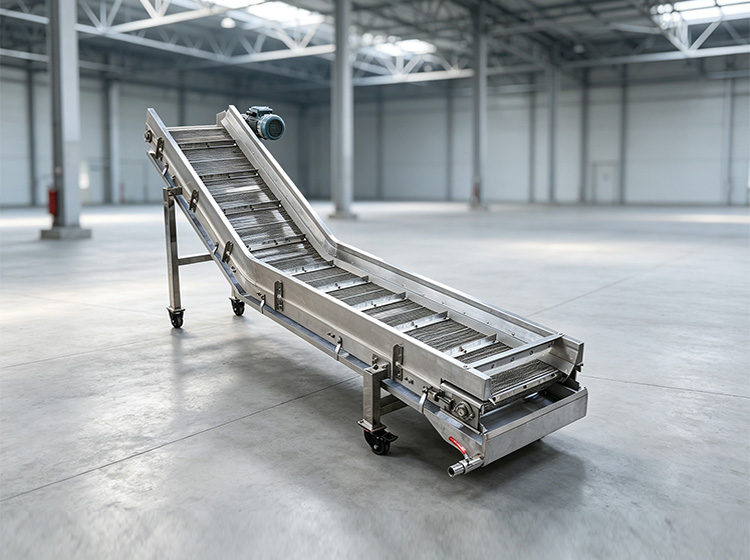
The features of fruit and vegetable crisping equipment involve process, selection, or operational management issues related to food processing and production equipment.The actual solution should be confirmed based on raw material characteristics, target product specifications, production scale, and on-site conditions, and should not be determined solely by single equipment parameters.
Key Features of Fruit and Vegetable Dehydration Equipment
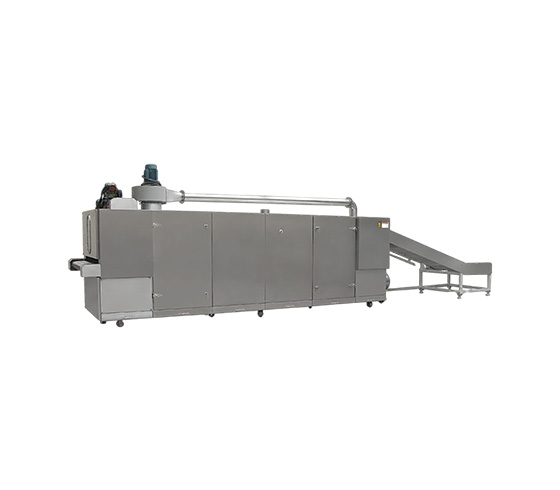
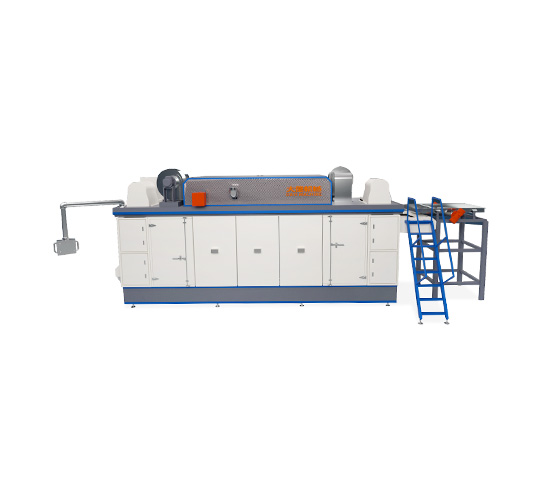
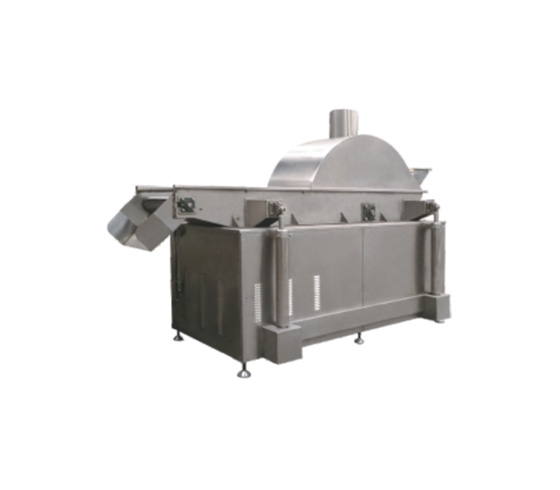
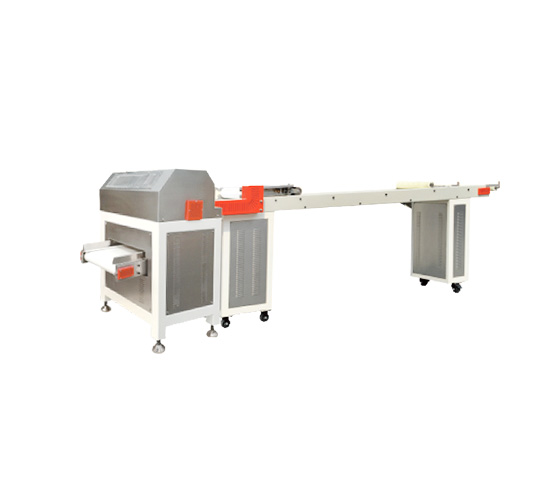
This dryer utilizes the principle of multi-layer hot air recycling and is suitable for the dehydration and drying of various traditional Chinese medicinal materials, dried fruits, vegetables, and other sheet-shaped, block-shaped, strip-shaped, and granular materials.It can also be used for surface drying and dehydration of braised eggs, poultry products, and dried tofu after cooking or braising.The equipment utilizes clean hot air generated by a hot air furnace, with the hot air temperature controllable within the range of 50°C to 160°C.Simultaneously employs both heating drying and ventilation drying for dehydration, with rational adjustment of hot air volume to fully utilize thermal energy and achieve rapid drying and dehydration.
Subject: Features of Fruit and Vegetable Dehydration EquipmentEquipment Features: Solves the problem of moisture reabsorption by the material due to condensation caused by a drop in system temperature during co-current dehumidification in traditional dryers, where the same-direction movement leads to this issue.1. During the drying process, hot air flows from the tail end toward the front, making full contact with the material and efficiently utilizing thermal energy through heat conduction, convection, and radiation.1. Thermal energy is directly transferred to the material, causing continuous evaporation of moisture within the drum. The induced draft device at the feed inlet extracts large amounts of water vapor and humid air, preventing secondary pollution caused by dust emissions.1. Through the internal spiral stirring, scraping, and lifting board actions, material movement is promoted to complete the entire drying process;1. Utilizes counter-current heat transfer for dehumidification, avoiding repeated drying processes.1. The drying oven has excellent insulation performance, ensuring uniform heat distribution to the materials, minimal nutrient loss, and a clean drying environment.The finished products will not exhibit deterioration such as deformation, cracking, discoloration, or oxidation after drying, ensuring a long shelf life.Compared with traditional drying equipment, it can effectively protect the quality of materials.1. High degree of automation and intelligence: Equipped with an automatic temperature control device, it can operate continuously for 24 hours without being affected by climate conditions.Water-electricity separation design, eliminating risks of electric leakage and explosion;1. Easy installation: Integrates drying and dehumidification, with convenient assembly and disassembly, suitable for indoor or outdoor installation.
What conditions should be considered during implementation or selection?
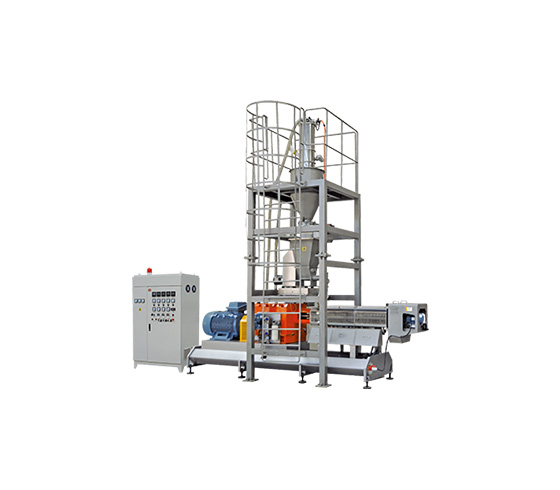
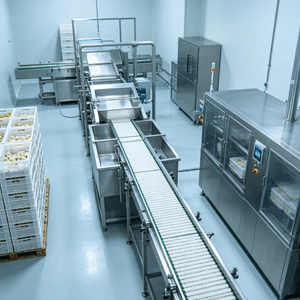
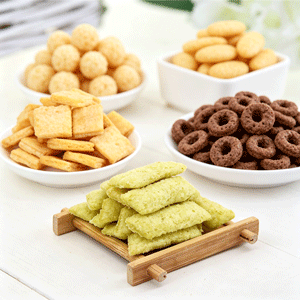
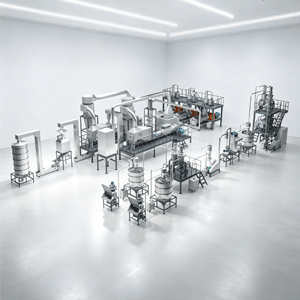
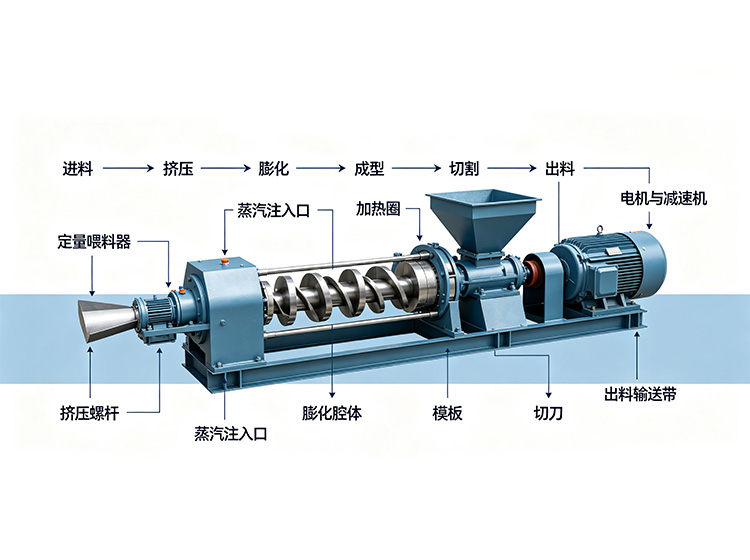
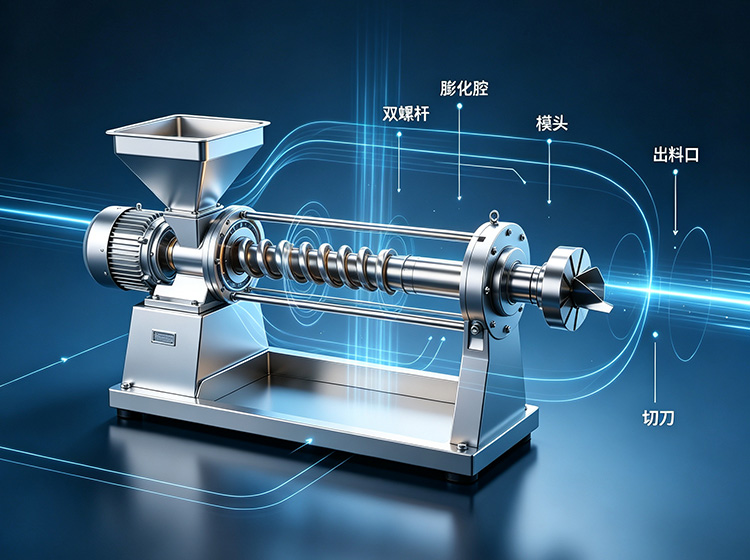
First, it is essential to clarify the product type, raw material state, formulation direction, and expected finished product requirements.For projects involving extrusion, forming, drying, frying, conveying, seasoning, or packaging, the processing capacity and cycle time of each stage must be matched to avoid discrepancies between individual equipment capacity and the overall line requirements.
Secondly, the installation plan should be evaluated in conjunction with the workshop's spatial layout and utility conditions, including power supply, water supply, steam, or gas.Equipment configuration should also take into account long-term operational factors such as cleaning, maintenance, safety protection, spare parts supply, and operator training.Any process or equipment capabilities mentioned in this document are for reference only in the context of solution discussions and preliminary assessments.Specific model numbers, power ratings, production capacities, temperatures, and times shall be subject to the formal technical proposal and the results of trial runs or on-site verification.
Frequently Asked Questions
Can the equipment be determined directly based on the standard configuration?
Not recommended.Different raw materials, product structures, target production capacities, and downstream processes can affect the equipment configuration.It is more prudent to confirm the product and process conditions before proceeding with the configuration assessment.
How to obtain more targeted advice?
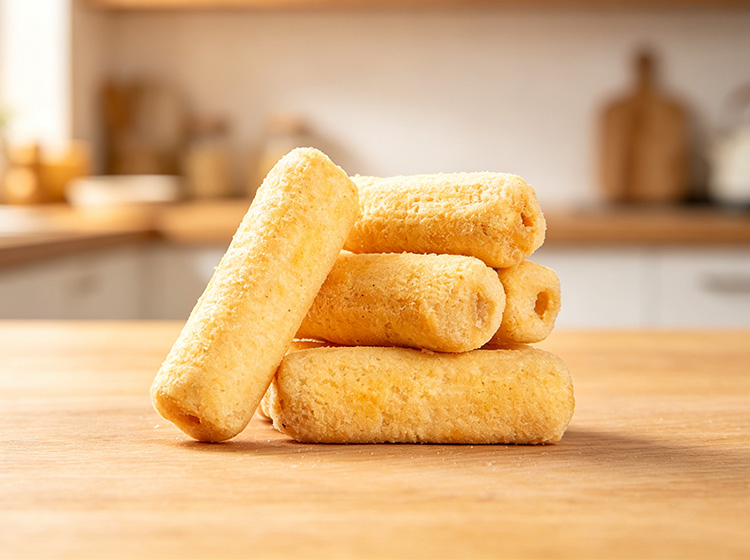
It is recommended to prepare product images or sample information, raw material and formulation guidelines, target production capacity, existing workshop conditions, and planned downstream equipment configurations.Dayi Machinery can further discuss the applicable process routes and equipment configuration options based on this.
This article is compiled based on the "Characteristics of Fruit and Vegetable Crisping Equipment" document provided by Dayi Machinery, with the aim of helping readers understand the relevant topics.For technical requirements related to specific projects, please refer to the actual product documentation and engineering confirmation results.