Correct installation and commissioning of a twin-screw extrusion puffing machine involve process planning, equipment selection, and operating management for food processing and production equipment. The final solution should be confirmed according to raw-material characteristics, target products, production scale, and site conditions; it must not be determined solely from the specifications of one machine.
Key Points for Correct Installation and Commissioning of a Twin-Screw Extrusion Puffing Machine
When using a twin-screw extrusion puffing machine, the equipment must be installed correctly to save energy and time during production.
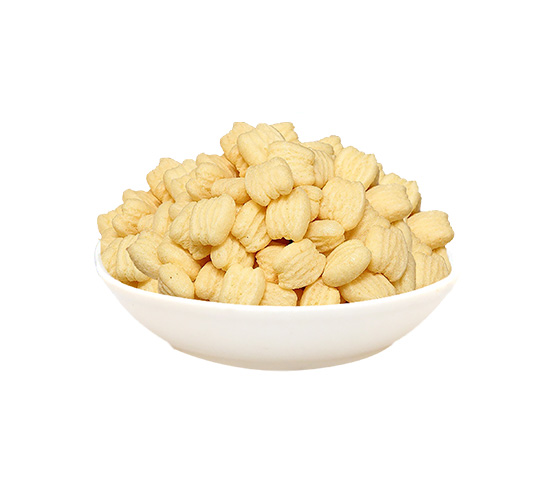
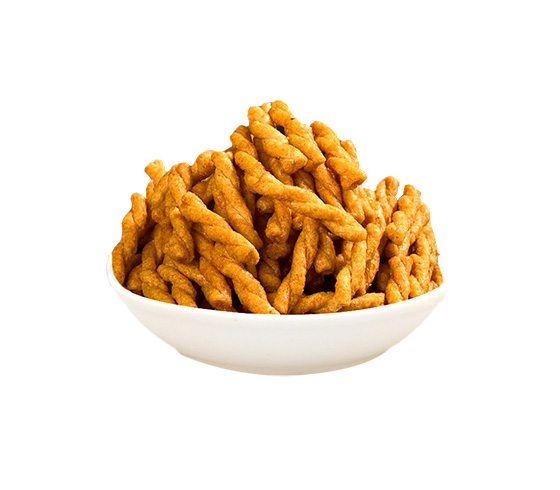
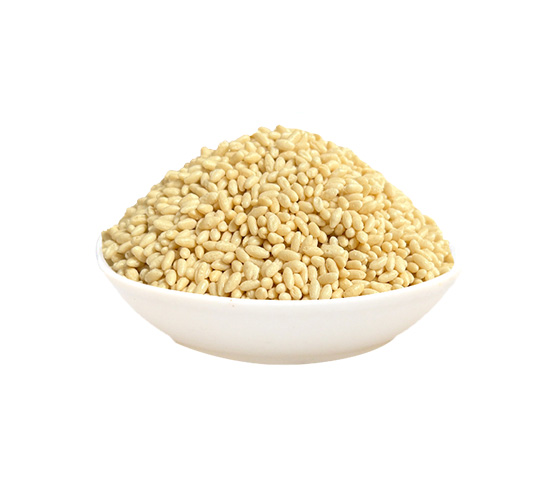
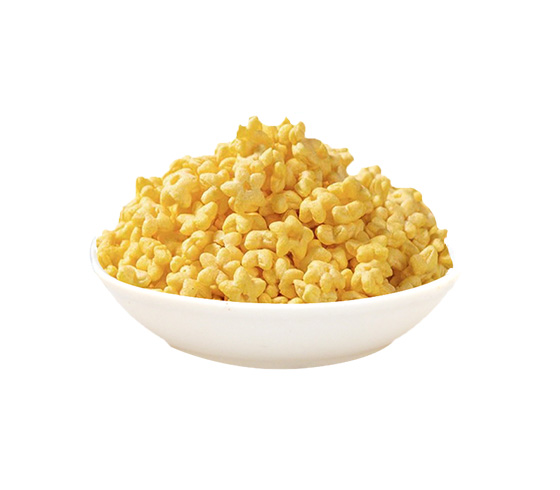
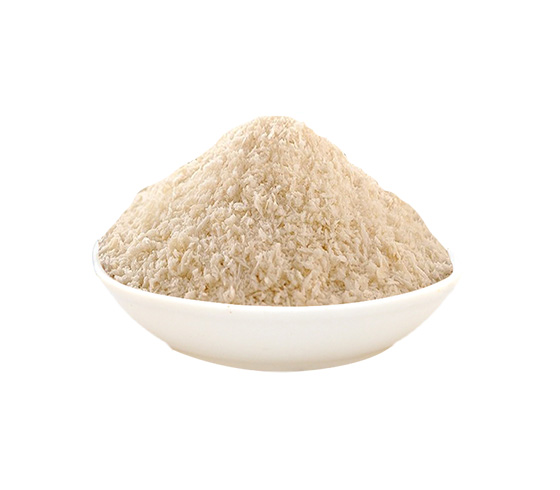
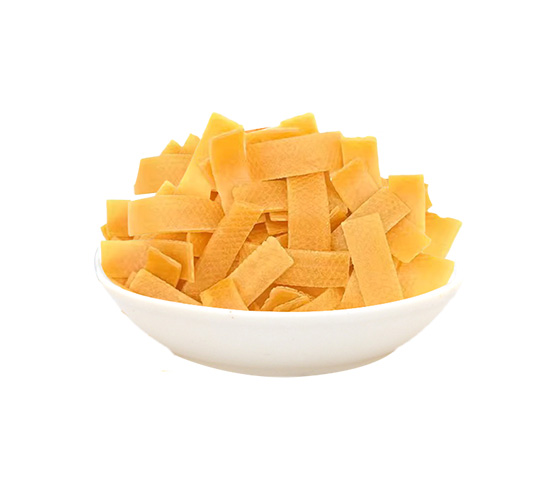
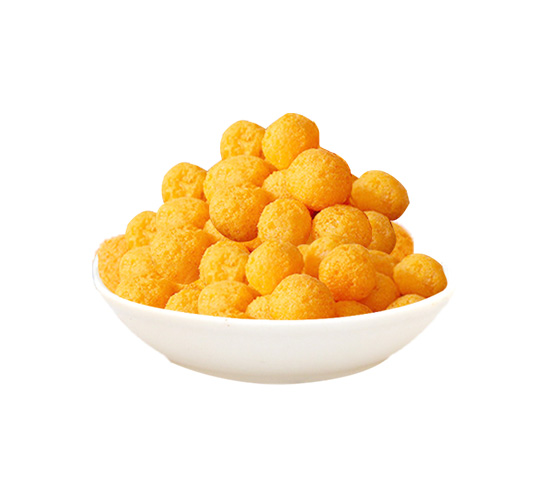
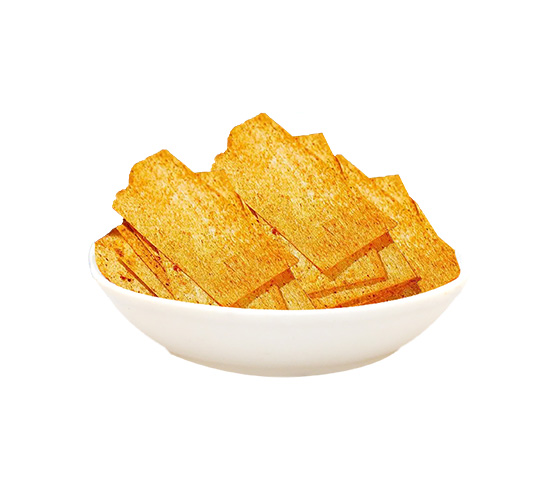
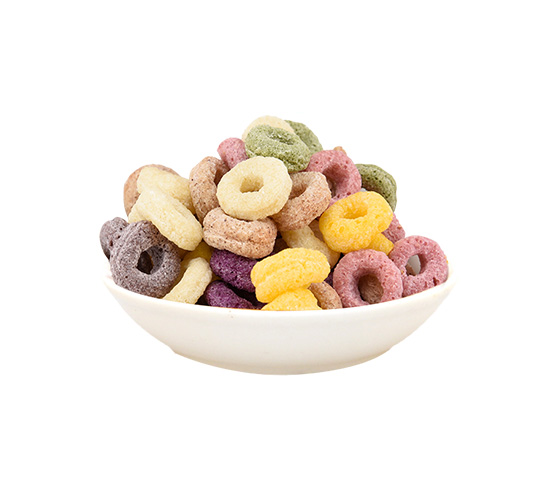
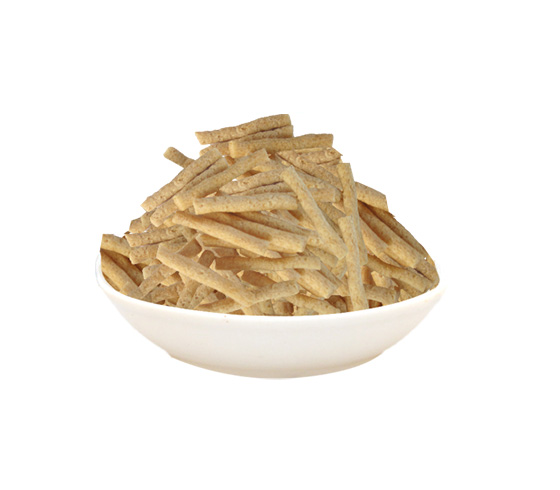
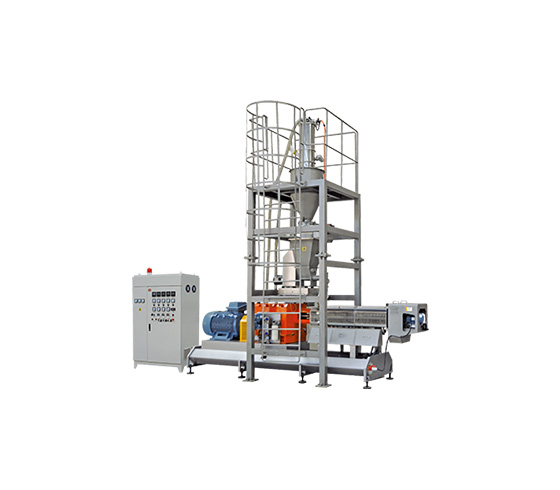
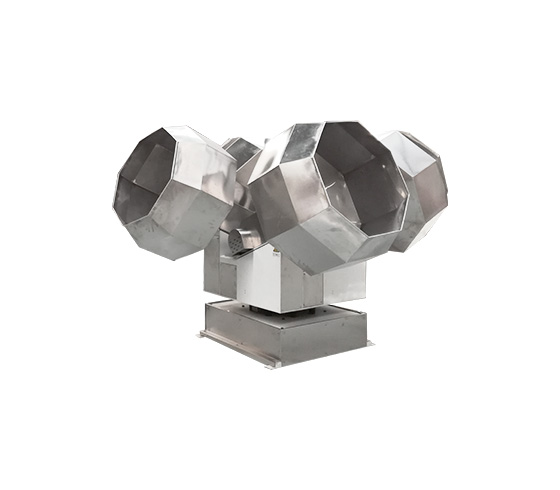
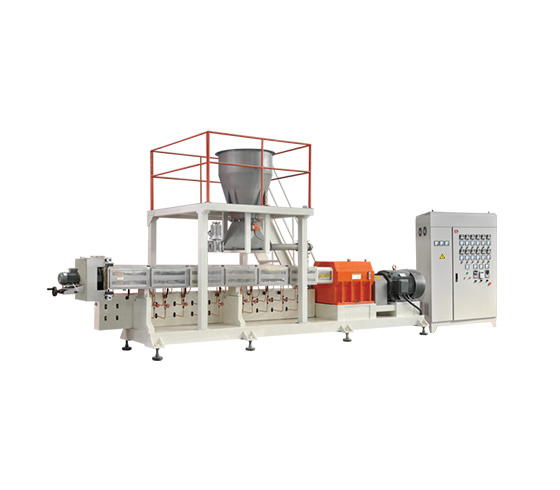
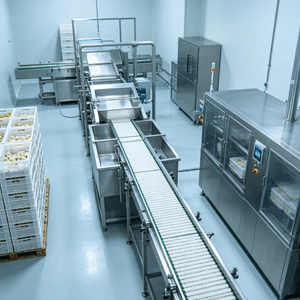
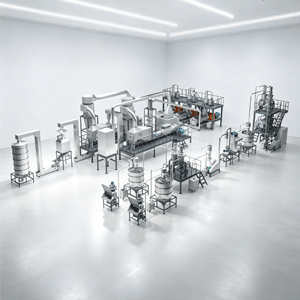
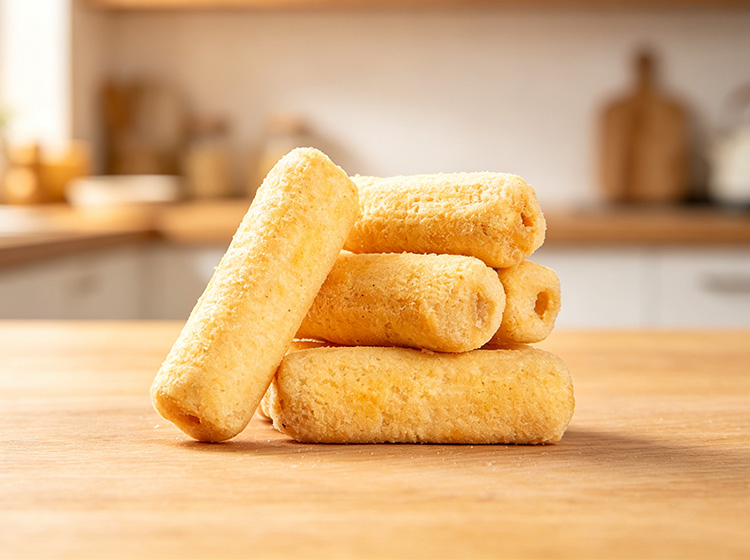
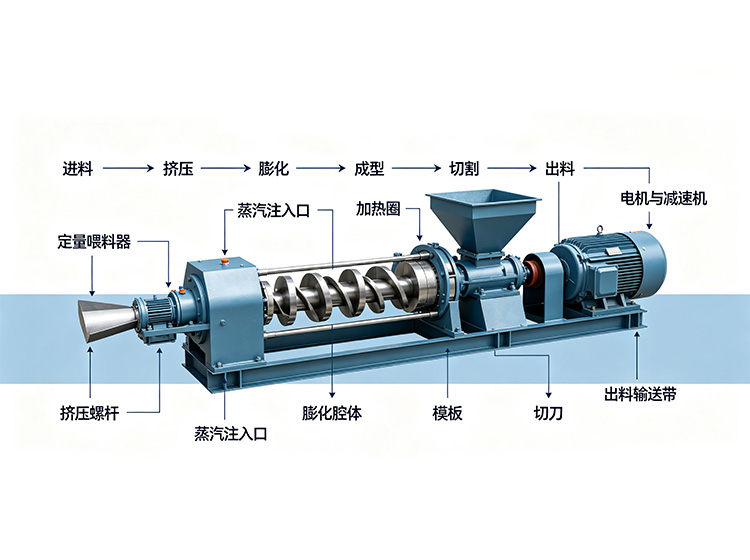
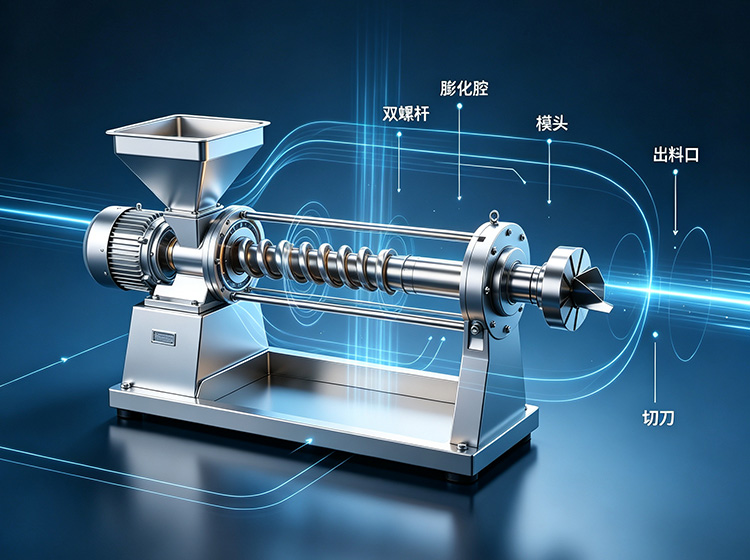
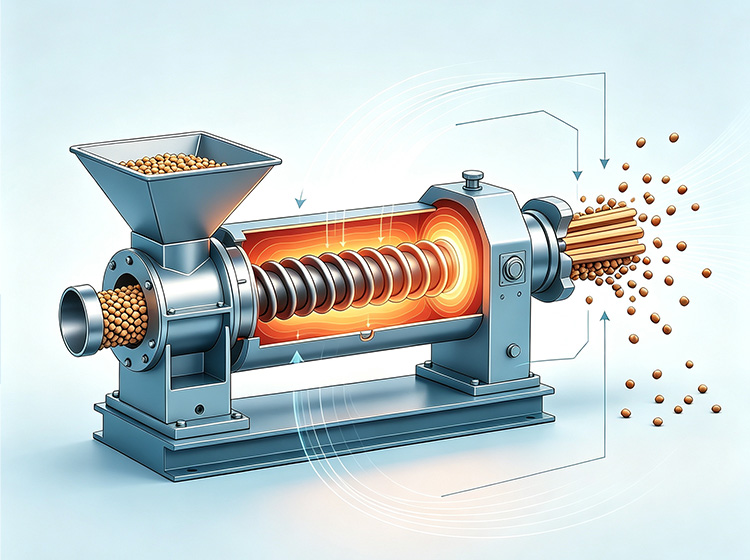
This twin-screw extrusion production line can automatically complete batching, extrusion, puffing, forming, filling, cutting, coating, and finished-product discharge in one process. It offers a wide range of machine options, flexible equipment configurations, broad raw-material compatibility, diverse product types, and easy operation. With an appropriate configuration, it can produce filled biscuits, filled rolls, puffed rice cakes, barley flakes, rice crackers, nutritious breakfast cereals, modified starch, and other products for food manufacturers.
A twin-screw extrusion puffing machine is an efficient, high-performance food-production system. Correct installation and commissioning are essential to ensure that newly purchased equipment operates reliably and efficiently.
Before installing the machine, carefully read the equipment manual and understand its structure, dimensions, and lifting load points.
Use correct methods during lifting and handling to avoid equipment damage. For example, when the equipment is installed on an upper floor, first remove the belt guard and belt. Never lift the extrusion chamber directly, as this may damage critical working components.
The equipment foundation or support platform must be solid and level and able to withstand operation at full load; otherwise, equipment performance may be affected.
The feeder and conditioner may be bolted directly to the main extruder, and the conditioner outlet must align with the extruder inlet.
Steam-piping connection and installation must strictly comply with applicable local regulations, while ensuring sound sealing and adequate insulation.
Leave sufficient space around the installation location for operation, inspection, and maintenance, and provide suitable ventilation and heat dissipation.
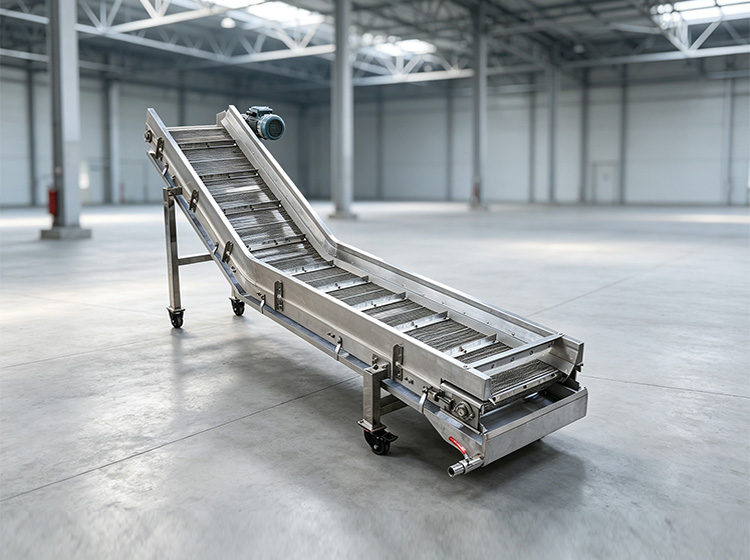
Transition hoppers at upper and lower interfaces should be level and smooth to support unobstructed material flow.
After water-supply and steam-piping installation is complete, thoroughly clean the pipelines to prevent residues from blocking valves or fittings.
The on-site control cabinet should be installed in a convenient location for production operation, inspection, and maintenance.
Jinan Dayi Machinery Technology Co., Ltd. is located in Jinan, the renowned City of Springs. The company has long focused on R&D for food-production-line machinery and processes, applying standardized manufacturing methods and automated-control concepts to develop reliable production equipment. Its design team has extensive experience in design, R&D, commissioning, and production, supported by responsible field engineers who can provide standardized design, production, and commissioning services.
What Conditions Should Be Considered During Implementation or Equipment Selection?
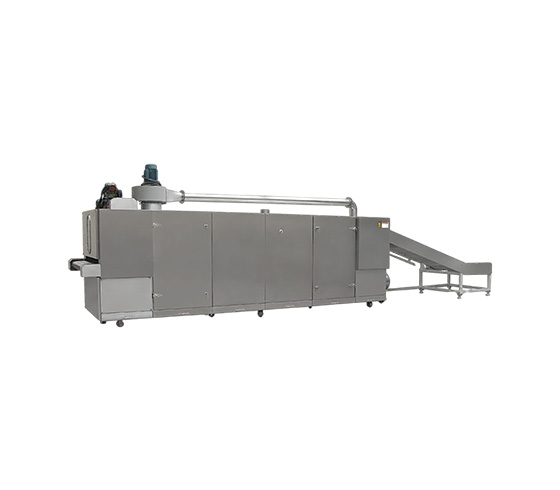
First, clarify the product type, raw-material condition, formulation direction, and finished-product requirements. For projects involving extrusion, forming, drying, frying, conveying, seasoning, or packaging, the handling capacity and production rhythm of every stage must match to avoid inconsistency between a single machine and complete-line requirements.
Second, evaluate the installation plan in light of workshop space and utilities such as power, water, steam, or gas. Equipment configuration should also consider long-term factors including cleaning, maintenance, safety protection, spare-parts supply, and operator training. Any process or equipment capabilities mentioned here are for solution discussions and preliminary assessment only; final models, power ratings, capacity, temperatures, and times must be based on the formal technical proposal and trial-run or on-site verification results.
Frequently Asked Questions
Can Equipment Be Determined Directly from a Standard Configuration?
Not recommended. Different raw materials, product structures, target capacities, and downstream processes affect the equipment combination. It is safer to confirm product and process conditions before evaluating the configuration.
How Can I Get More Targeted Advice?
Prepare product photos or sample information, raw-material and formulation direction, target capacity, existing workshop conditions, and planned downstream equipment. Dayi Machinery can then discuss suitable process routes and the applicable equipment configuration range in greater detail.
This article is compiled from material provided by Dayi Machinery on Correct Installation and Commissioning of Twin-Screw Extrusion Puffing Machines to help readers understand the subject. Technical requirements for specific projects are subject to actual product information and engineering-confirmation results.