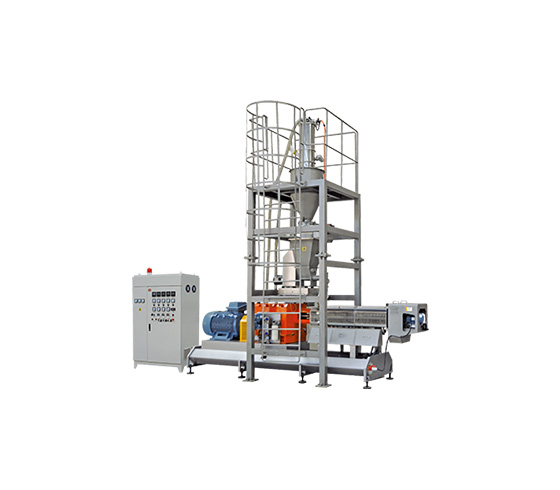
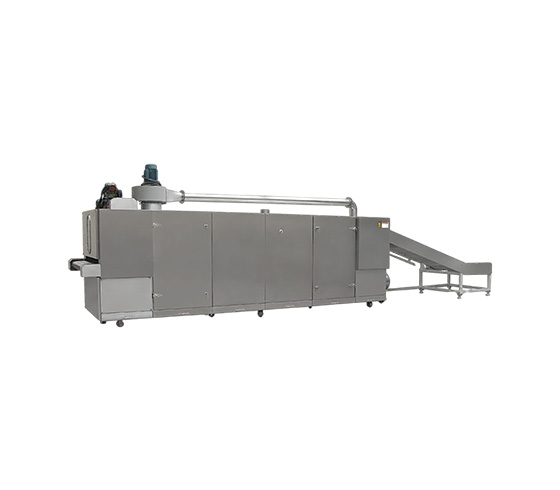
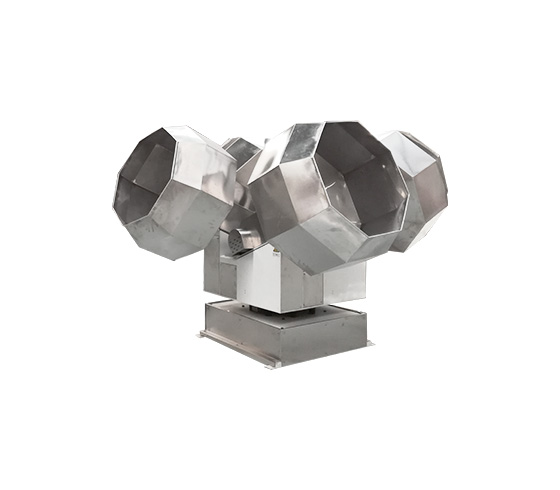
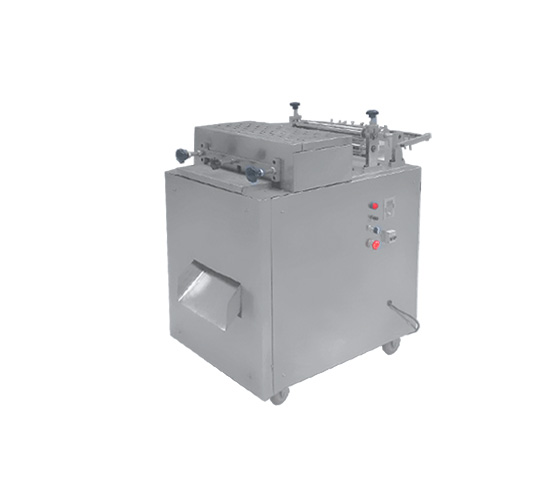
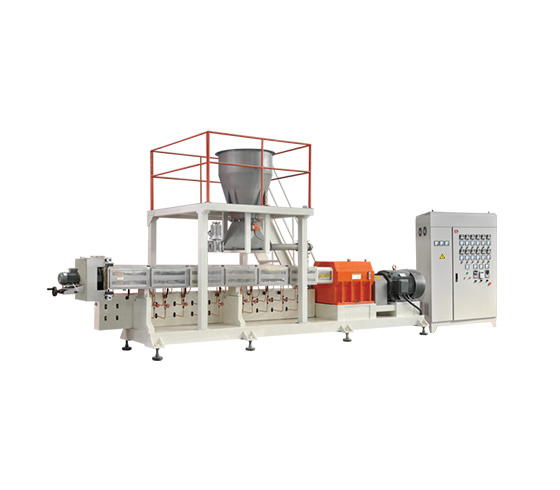
Inspection and cleaning of a twin-screw extrusion puffing machine involve process planning, equipment selection, and operational management for food processing and production equipment. The final solution should be confirmed according to raw-material characteristics, target products, production scale, and site conditions; it must not be determined solely from the specifications of one machine.
Key Points for Inspection and Cleaning of a Twin-Screw Extrusion Puffing Machine
Keeping a twin-screw extrusion puffing machine clean helps produce higher-quality products, reduces the failure rate, and supports continuous production.
Inspection and cleaning are fundamental elements of maintenance for twin-screw extrusion puffing equipment.
The inner walls of cooling-water pipes attached to the equipment are prone to scale buildup, while the outer walls are prone to corrosion.
They should be inspected carefully during maintenance.
Excessive scale can block the pipes and prevent the expected cooling performance;
severe corrosion can lead to water leakage.
Routine maintenance must include descaling and corrosion-protection measures for the cooling system.
After a period of operation, conduct a comprehensive inspection of the twin-screw extruder, check the tightness of all bolts, and maintain inspection records.
Tighten threaded connections that are prone to loosening. If looseness is found, tighten them immediately to prevent equipment failure during production.
Basic maintenance includes cleaning the machine and lubricating all moving parts of the twin-screw extruder.
For example, gear wear in the gearbox may produce iron filings or other impurities. Check and record the wear condition of gears and bearings.
While cleaning the gears, replace the gearbox lubricating oil regularly.
Inspect and adjust the motor, control instruments, and other pipelines and working components of the twin-screw extruder.
If an unexpected power outage occurs during production, the main drive and heating system will stop.
After power is restored, reheat every barrel section to the specified temperature and hold it for the required period before restarting the extrusion puffing equipment.
Jinan Dayi Machinery Technology Co., Ltd. is located in Jinan, the renowned City of Springs. The company has long focused on R&D for food-production-line machinery and processes, applying standardized manufacturing methods and automated-control concepts to develop reliable production equipment. Its design team has extensive experience in equipment design, R&D, commissioning, and production, supported by responsible field engineers who can provide standardized design, production, and commissioning services.
What Conditions Should Be Considered During Implementation or Equipment Selection?
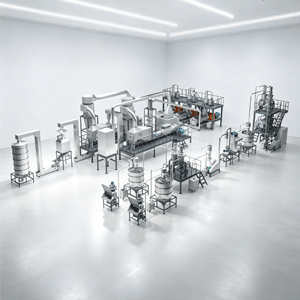
First, clarify the product type, raw-material condition, formulation direction, and finished-product requirements. For projects involving extrusion, forming, drying, frying, conveying, seasoning, or packaging, the handling capacity and production rhythm of every stage must match to avoid inconsistency between a single machine and complete-line requirements.
Second, evaluate the installation plan in light of workshop space and utilities such as power, water, steam, or gas. Equipment configuration should also consider long-term factors including cleaning, maintenance, safety protection, spare-parts supply, and operator training. Any process or equipment capabilities mentioned here are for solution discussions and preliminary assessment only; final models, power ratings, capacity, temperatures, and times must be based on the formal technical proposal and trial-run or on-site verification results.
Frequently Asked Questions
Can Equipment Be Determined Directly from a Standard Configuration?
Not recommended. Different raw materials, product structures, target capacities, and downstream processes affect the equipment combination. It is safer to confirm product and process conditions before evaluating the configuration.
How Can I Get More Targeted Advice?
Prepare product photos or sample information, raw-material and formulation direction, target capacity, existing workshop conditions, and planned downstream equipment. Dayi Machinery can then discuss suitable process routes and the applicable equipment configuration range in greater detail.
This article is compiled from material provided by Dayi Machinery on Inspection and Cleaning of Twin-Screw Extrusion Puffing Machines to help readers understand the subject. Technical requirements for specific projects are subject to actual product information and engineering-confirmation results.