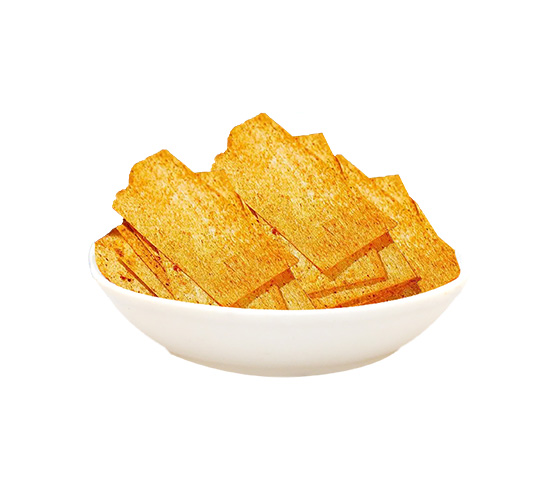
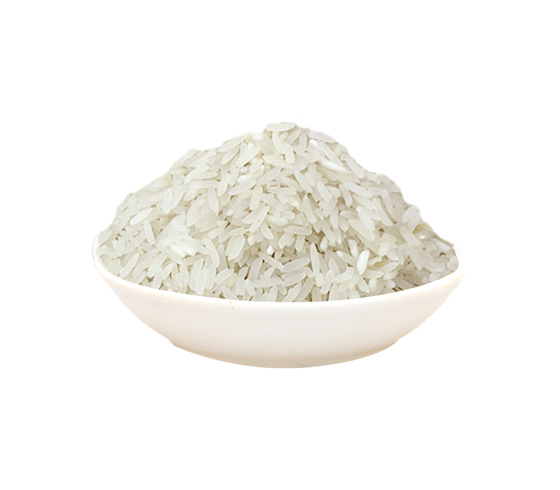
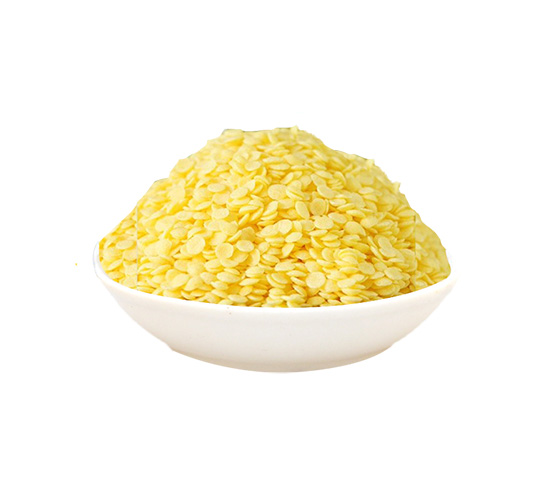
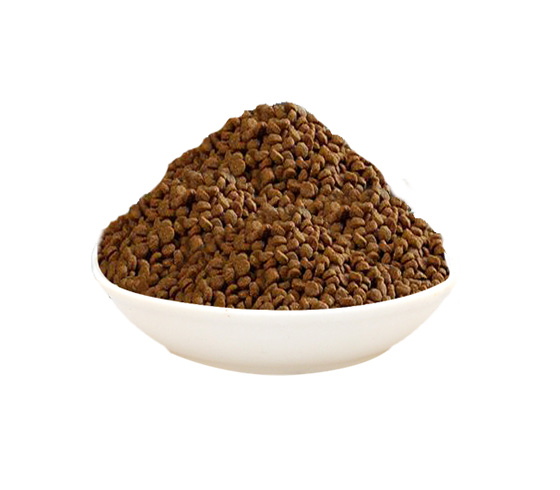
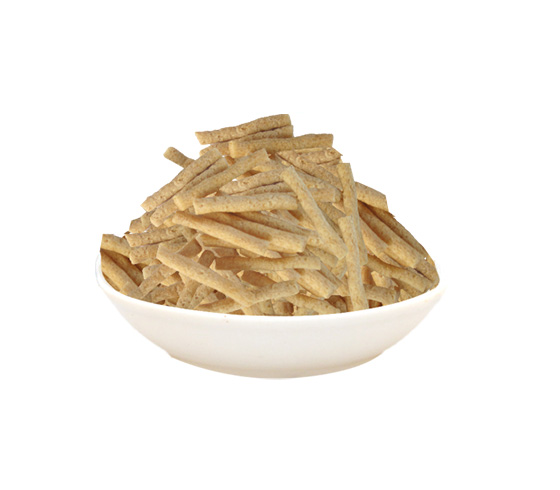
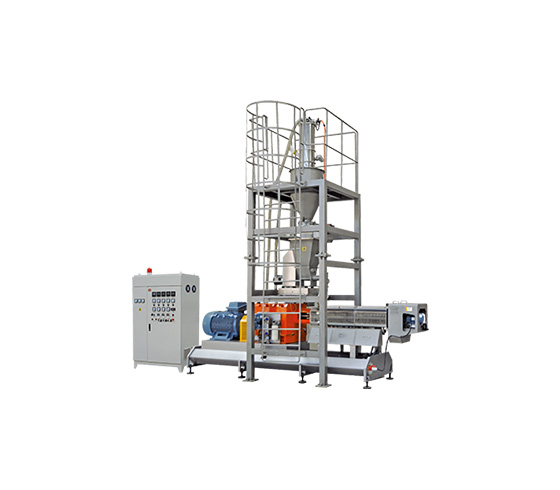
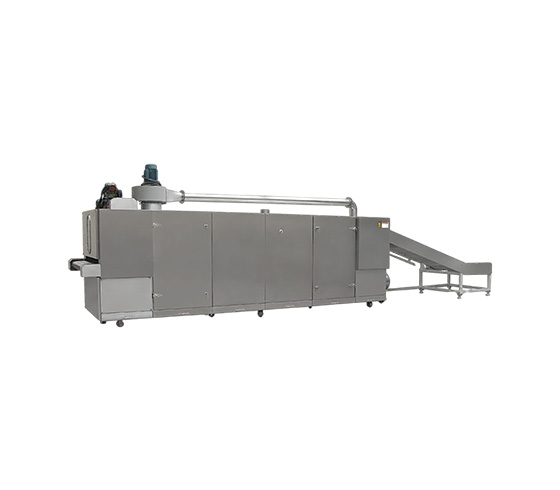
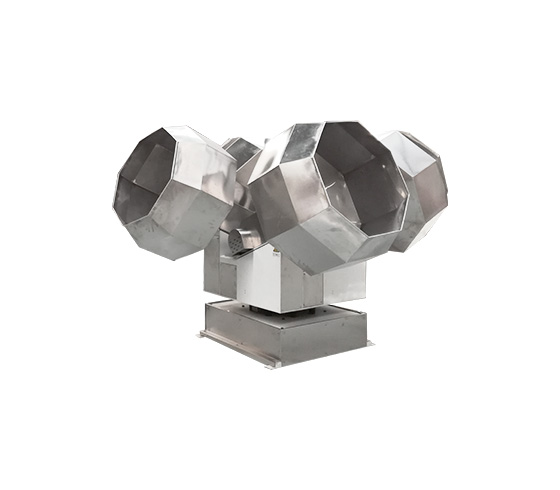
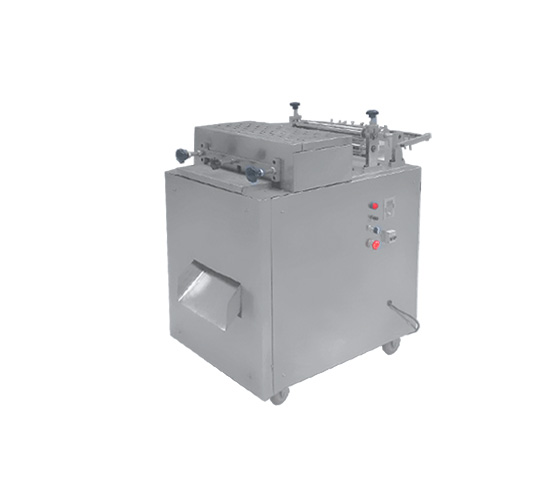
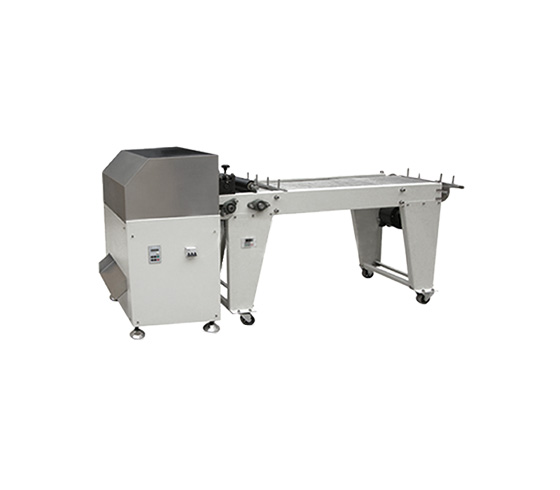
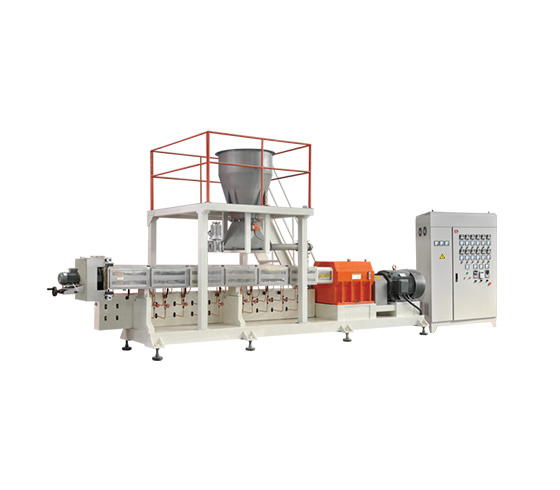
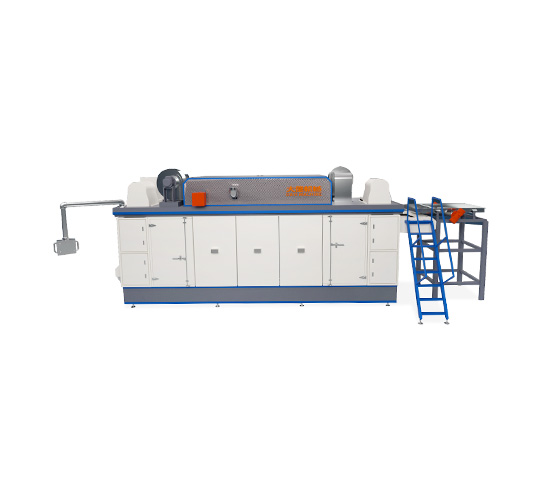
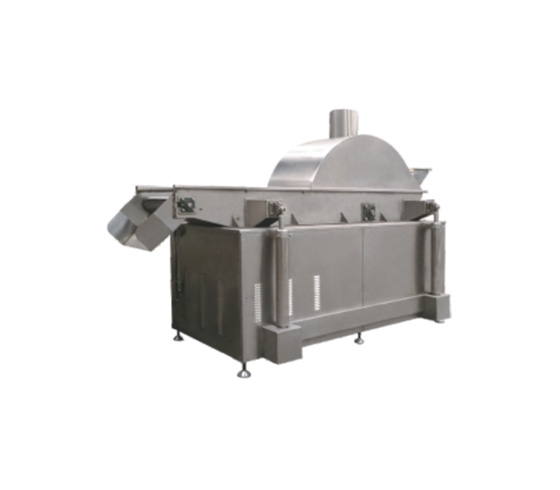
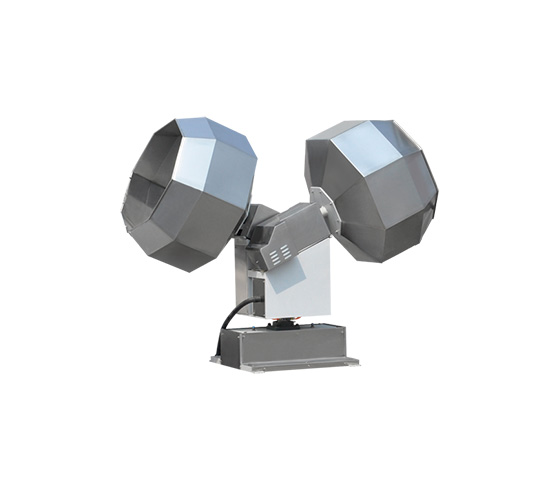
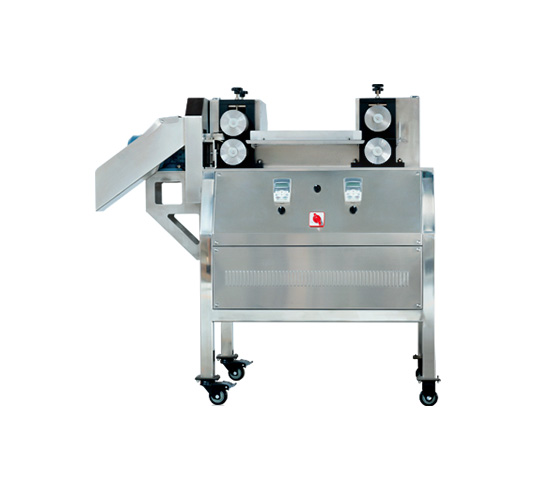
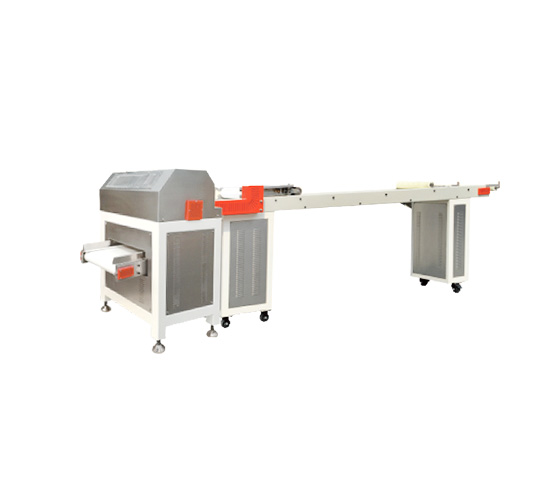
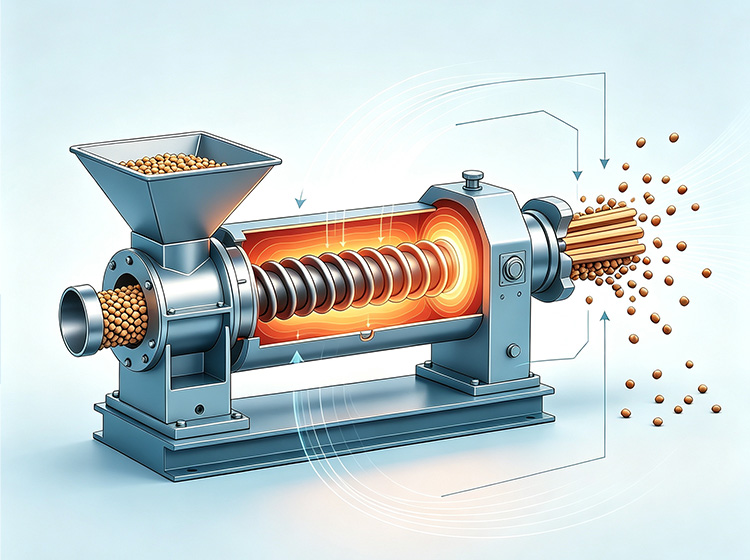
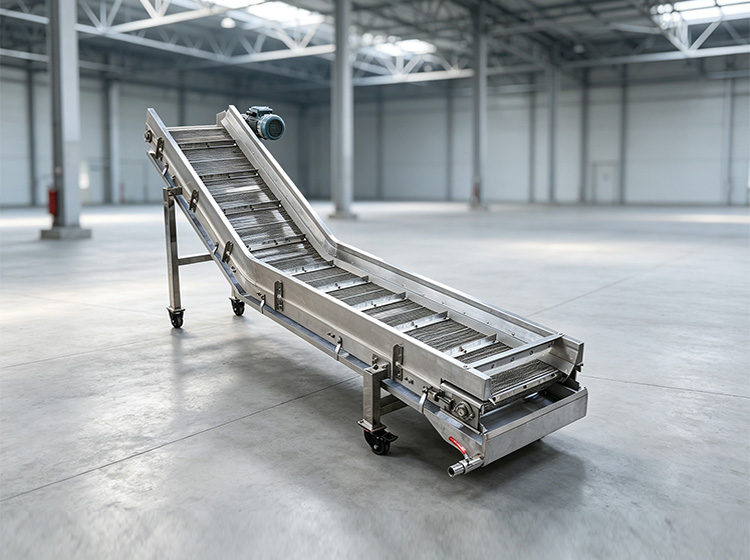
Twin-screw extrusion puffing machine detailed introduction involves food processing and production equipment processes,Selection or operation management issues.Actual solutions should be based on raw material characteristics,Target product,Confirmed based on production scale and site conditions,Judgment cannot be based solely on a single equipment parameter.
Key Features of the Twin-Screw Extrusion Puffing Machine
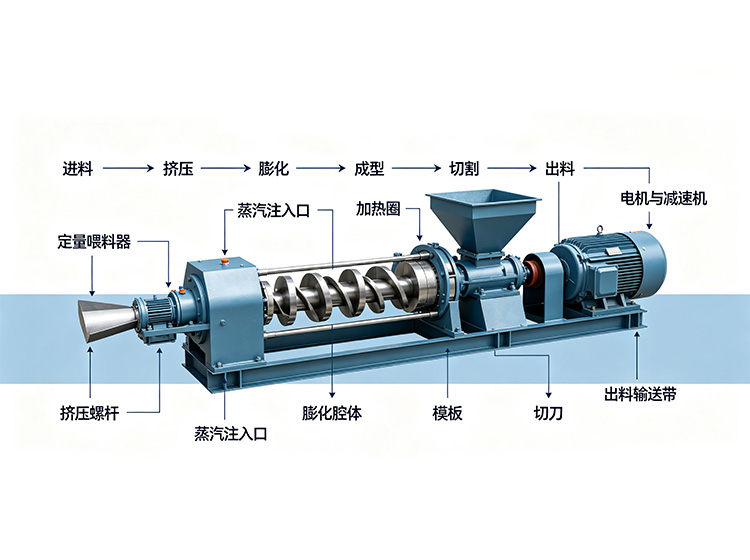
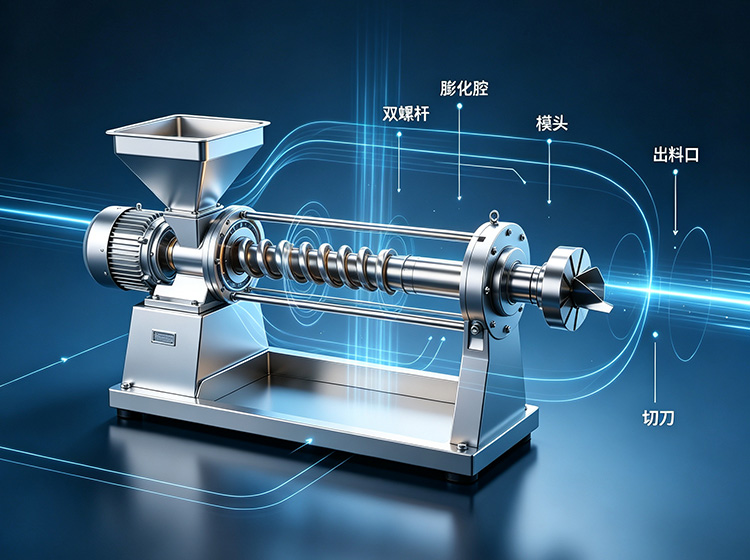
The twin-screw extrusion puffing machine is developed based on the single-screw extrusion puffing machine.Two screws are arranged side by side inside the barrel of the twin-screw extrusion puffing machine.According to the degree of meshing of the two screws,It can be divided into intermeshing and non-intermeshing types;According to the rotation direction of the two screw shafts,It can be divided into counter-rotating and co-rotating types.
(1) Intermeshing twin-screw:Due to the small meshing clearance of intermeshing screws,The material has forced conveying capability,Backflow and leakage are unlikely to occur.It can build high pressure in a short time,Pushes material through each section of the screw.Adopting this mating method,Stable material flow,Good conveying effect.
(2) Non-intermeshing twin-screw:Due to the non-intermeshing twin-screw not being fully intermeshed,The gap between the two is relatively large,Its conveying capacity is inferior to that of the intermeshing type.Leakage is prone to occur,Unstable reflux and material flowDifficult to achieve forced conveying effect.
(3) Counter-rotating twin-screw:In the counter-rotating twin-screw,After the material enters the extrusion screw,First subjected to extrusion action.Pressure between the two screws can easily cause separation and eccentricity of the two screws,causing friction between the barrel and the screw,Causes equipment wear.Therefore,The rotational speed of the counter-rotating twin-screw extrusion puffing machine should not be too high.Generally controlled below 50 r/min.At the meshing point of the counter-rotating screws,There is a speed difference between the screw flight and the screw groove,Can generate a certain shear rate.During rotation,Material adhering to the screw is stripped off from each other,Thus enabling the screw to have a self-cleaning function.
(4) Co-rotating twin-screw:Since the two screws rotate in opposite directions at the meshing point,Their effects on materials also differ.A screw pulls the material into the meshing clearance,The other screw pushes the material out of the gap,Transfers material from one screw to another,Changes the material flow direction,More conducive to uniform mixing of materials.Co-rotating twin-screw at the meshing point,The flight and flight groove rotate in opposite directions.High relative speed,The shearing force is also large,More conducive to stripping viscous materials,Better self-cleaning effect.Co-rotating twin-screw extrusion puffing machine does not generate pressure that separates the screws,Therefore, it is less sensitive to wear.Can operate at a higher rotational speed of 300 r/min.In food processing,The most commonly used is the parallel, co-rotating, fully intermeshing twin-screw extrusion puffing machine.
What conditions should be considered during implementation or selection?
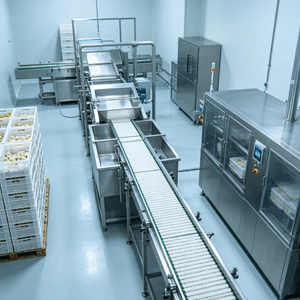
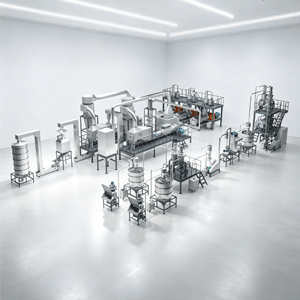
First, the product type should be clearly defined,Raw material state,Recipe direction and expected finished product requirements.For applications involving extrusion,Forming,Drying,Frying,Conveying,Seasoning or packaging items,The processing capacity and cycle time of each stage must be matched.Avoid mismatch between the capacity of a single piece of equipment and the overall line requirements.
Secondly, the workshop space should be considered,Power supply,Water supply,Utility requirements assessment (e.g., steam or gas) for installation planning.Equipment configuration should also consider cleaning,Maintenance,Safety protection,Long-term usage factors such as spare parts supply and operator training.If the text involves processes or equipment capabilities,For reference only in proposal discussions and preliminary assessments;Specific model,Power,Capacity,Temperature and time,Subject to formal technical proposals and trial operation or on-site verification results.
FAQ
Can the equipment be finalized based on the standard configuration?
Not recommended.Different raw materials,Product structure,Target production capacity and downstream processes affect the equipment configuration.First, confirm the product and process conditions,It is safer to conduct a configuration assessment first.
How can I get more targeted advice?
Please prepare product images or sample information,Raw Materials and Recipe Direction,Target capacity,Existing workshop conditions and planned configuration of downstream equipment.Dayi Machinery can further communicate the applicable process route and equipment configuration range based on this.
This article is compiled based on the “Twin-Screw Extrusion Puffing Machine Detailed Introduction” provided by Dayi Machinery.Aimed at helping readers understand the relevant topics;Technical requirements for specific projects,Subject to actual product specifications and engineering confirmation results.