Twin-Screw Extrusion Puffing Machine Selection Criteria and Extrusion Principles

Published:2026-07-18

Twin-screw extrusion puffing machine selection criteria and extrusion technology principles involve food processing and production equipment processes,Selection or operation management issues.Actual solutions should be based on raw material characteristics,Target product,Confirmed based on production scale and site conditions,Judgment cannot be made based solely on a single equipment parameter.

Selection Criteria for Twin-Screw Extrusion Puffing Machines and Core Principles of Extrusion Technology

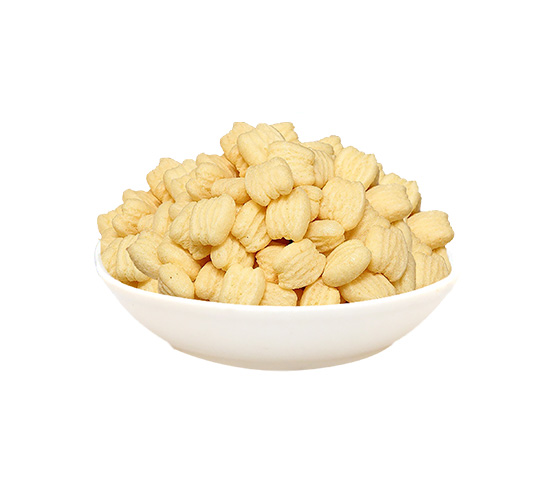
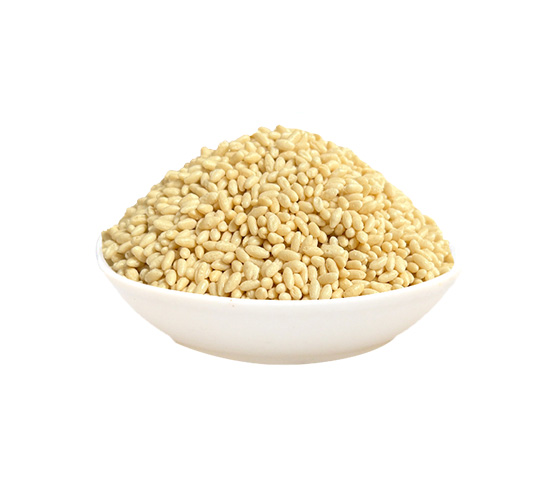
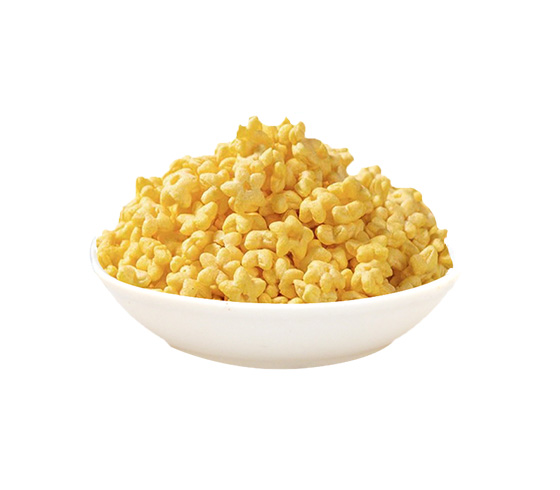
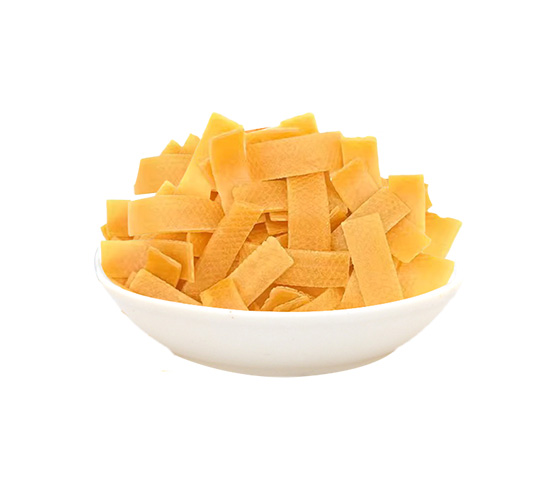
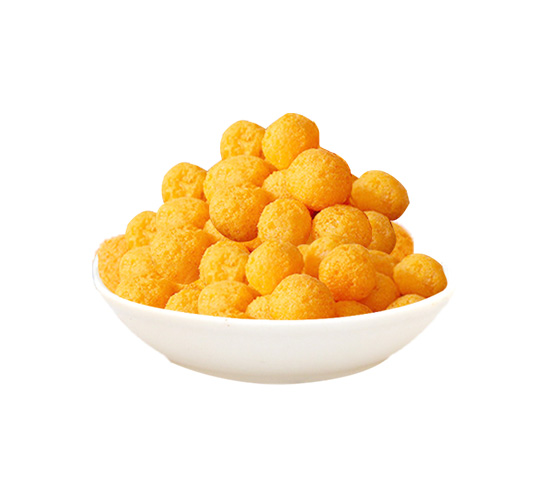
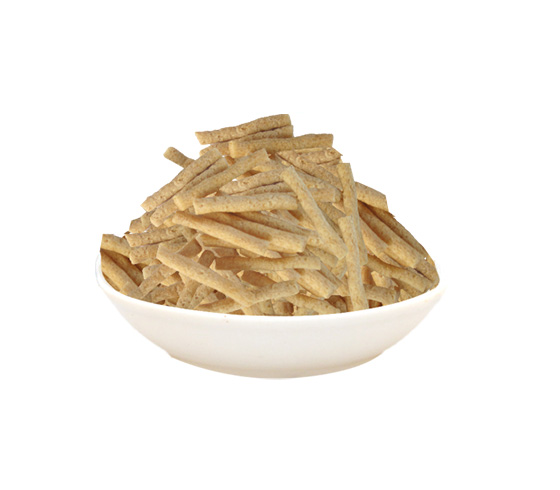
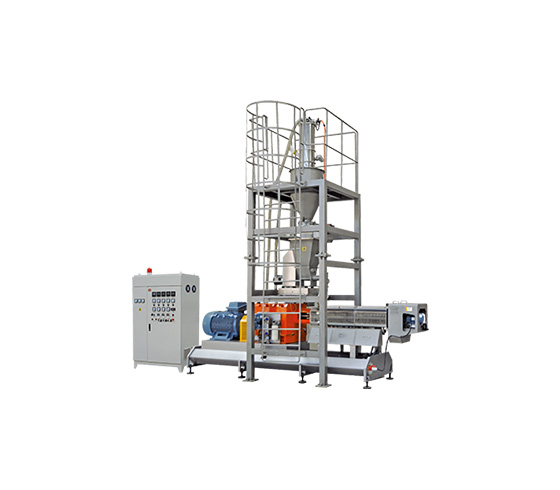
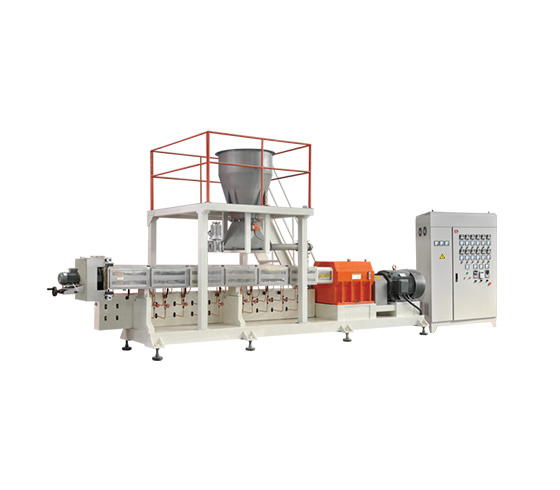
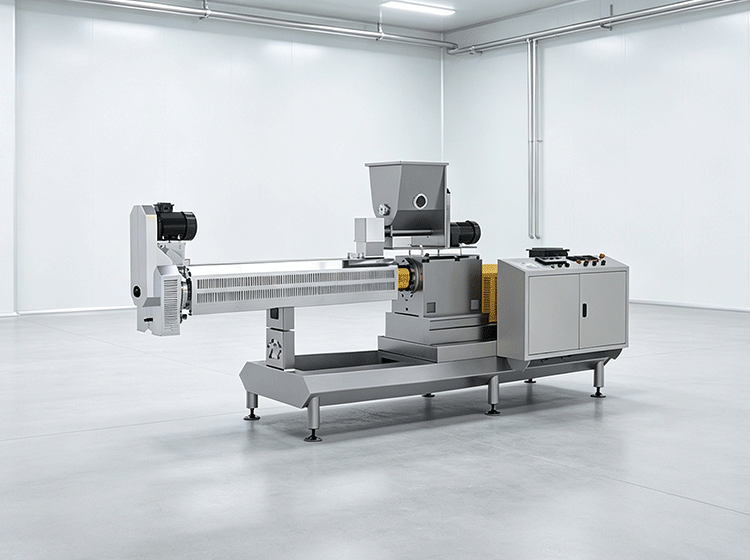
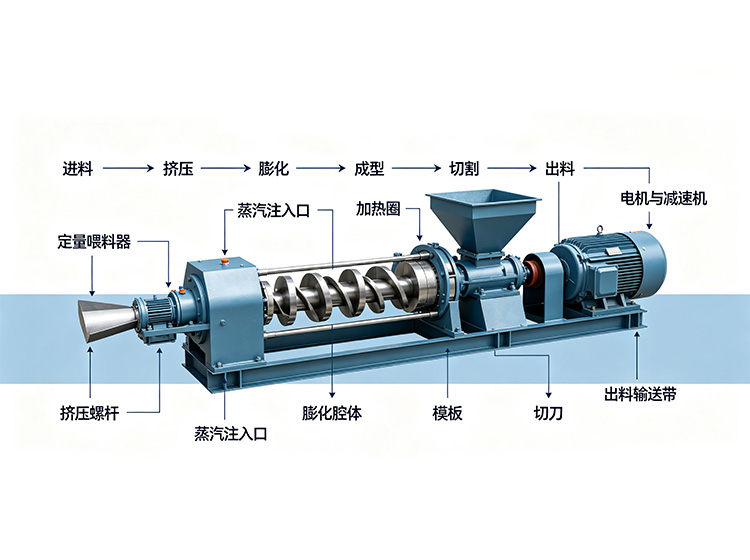
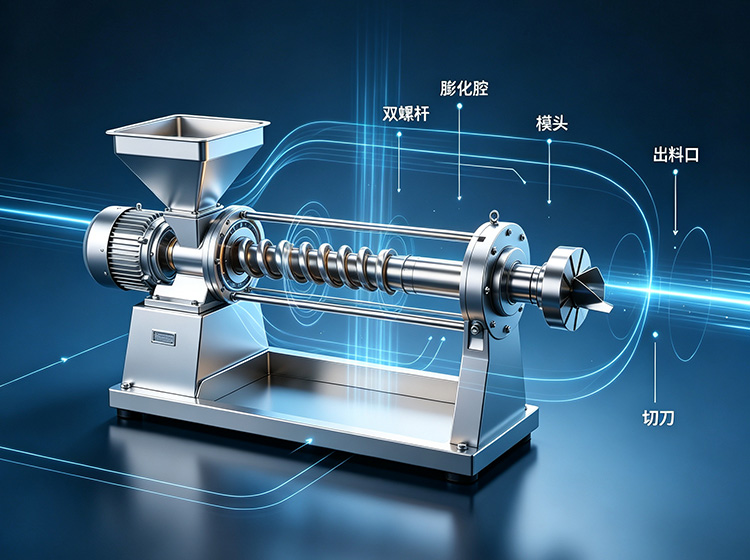
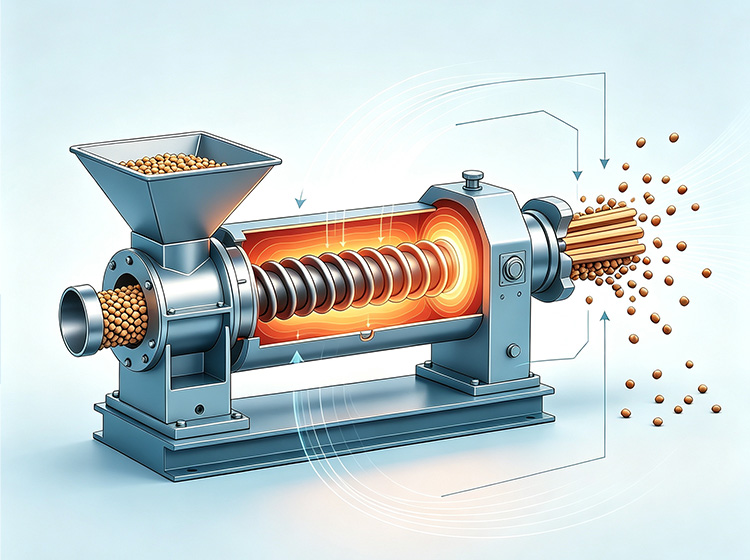
Extrusion technology, as a cost-effective processing method,In recent years, it has been widely used in the food and feed industries.The twin-screw extrusion puffing machine offers incomparable advantages over the single-screw extrusion puffing machine.It has a wide processing range,High maturation degree,Strong self-cleaning capability and stable operation control are gaining industry recognition.For the food industry with high requirements,These advantages of the twin-screw extrusion puffing machine can be better leveraged.Currently,for breakfast cereals,Textured protein,puffing rice noodles,in the processing of extruded snack food and other products,Many manufacturers are increasingly opting for twin-screw extrusion puffing machines.

The twin-screw extrusion puffing machines available on today’s market are diverse,but the performance varies significantly.As a food production enterprise,How to Choose the Right Twin-Screw Extrusion Puffing Machine for Your Needs?A high-standard,What features should a high-performance twin-screw extrusion puffing machine—delivering high ROI for enterprises—possess?

Conditioning equipment is an essential component of high-performance twin-screw extrusion puffing machine systems.

Since the first extrusion puffing machine was used for corn extrusion in the 1930s,With the development of extrusion technology,The output of the extrusion puffing machine has been significantly increased.Moreover, a key performance indicator for extrusion puffing machines—the power consumption per ton of material—has also increased several-fold compared to early models.This is certainly related to advances in extrusion technology,However, another critical factor is the application of conditioning equipment,Moreover, conditioning technology has developed rapidly over the years.Without the development of the conditioner,Today’s high-output extrusion puffing machines will be difficult to achieve.Increase material temperature via steam conditioning,Softening material,Reduce material friction resistance,thereby reducing extrusion energy consumption,Increase production capacity,Enhances the operational stability of the extrusion puffing machine,and extend the service life of all components of the extrusion puffing machine.

Features of the high-performance twin-screw extrusion puffing main machine

The primary criterion for evaluating the performance of a twin-screw extrusion puffing machine is its ability to stably produce extruded products of uniform, qualified quality.and its production capacity,Whether indicators such as power consumption per unit output are superior.For the food industry,Key indicators of uniform quality include:Control the bulk density of puffing products within ±5 g/L.Puffed granules have uniform size and color,and the size and uniform distribution of internal pores in puffed granules.There is a direct relationship between the characteristics of the extrusion host machine and the quality of extrusion products.

To enhance the controllability of the extrusion puffing machine and broaden the product processing range,The main motor of a universal twin-screw extrusion puffing machine is typically equipped with a variable-frequency motor with adjustable speed.For twin-screw extrusion puffing machines,The larger the rated power of the main motor,The more restrictions there are,For example, the transmission box limit,Limitations such as spindle strength.The shearing and friction of the material inside the extrusion chamber are provided by the mechanical energy of the extrusion puffing machine.The magnitude of mechanical energy depends on the main motor’s power.

What conditions should be considered during implementation or selection?

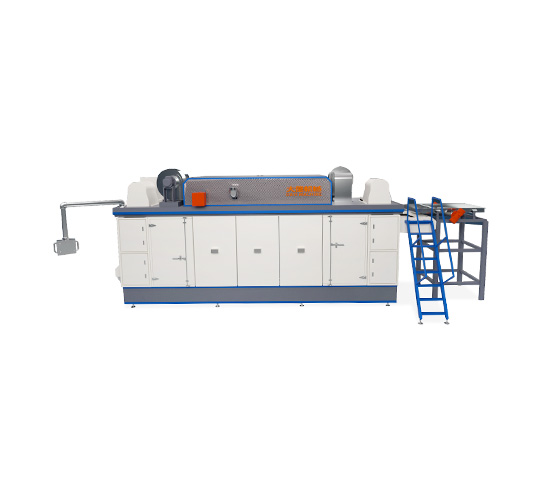
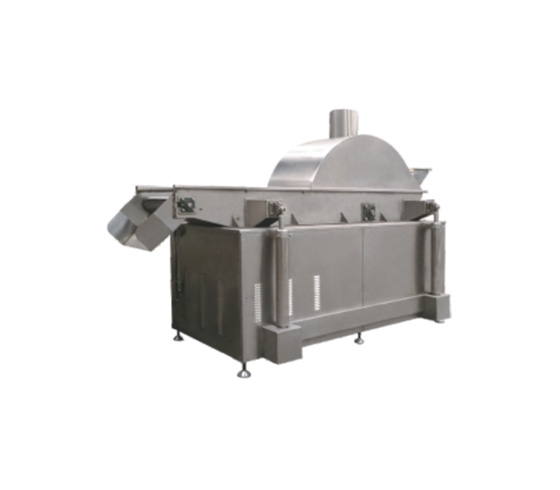
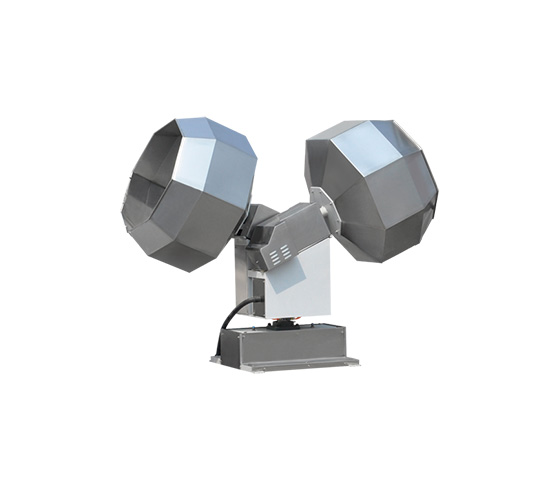
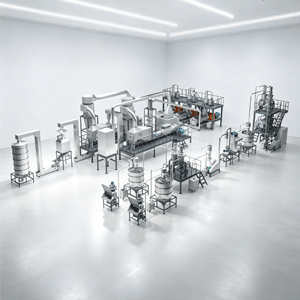
First, the product type should be clearly defined,Raw material state,Recipe direction and expected finished product requirements.For applications involving extrusion,Forming,Drying,Frying,Conveying,Items for seasoning or packaging,Processing capacity and cycle time at each stage must be matched.Avoid mismatch between the capacity of a single piece of equipment and the overall line requirements.

Next, consider the workshop space,Power supply,Water supply,Utility conditions assessment for installation, such as steam or gas.Equipment configuration should also consider cleaning,Maintenance,Safety protection,Long-term usage factors such as spare parts supply and operator training.If the text involves processes or equipment capabilities,For reference only in proposal discussions and preliminary assessments;Specific model,Power,Capacity,Temperature and time,Subject to formal technical proposals and trial operation or on-site verification results.

FAQ

Can the equipment be finalized based on the standard configuration?

Not recommended.Different raw materials,Product structure,Target production capacity and downstream processes affect the equipment configuration.First, confirm the product and process conditions,It is safer to conduct a configuration assessment first.

How can I get more targeted advice?

Please prepare product images or sample information,Raw Materials and Recipe Direction,Target capacity,Existing workshop conditions and planned configuration of downstream equipment.Dayi Machinery can further communicate the applicable process route and equipment configuration range based on this.

This article is compiled based on Dayi Machinery’s “Twin-Screw Extrusion Puffing Machine Selection Criteria and Extrusion Technology Principles.”Aimed at helping readers understand the relevant topics;Technical requirements for specific projects,Subject to actual product specifications and engineering confirmation results.