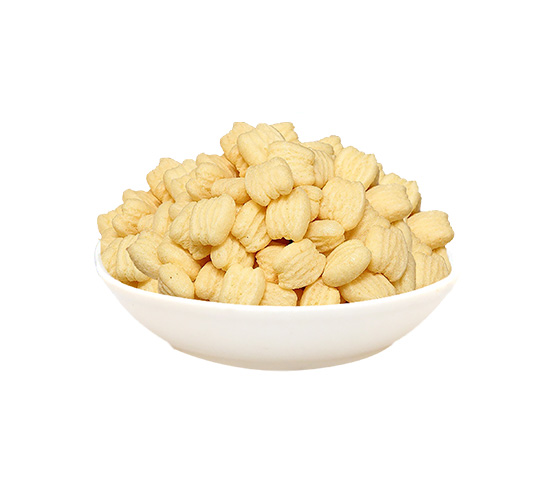
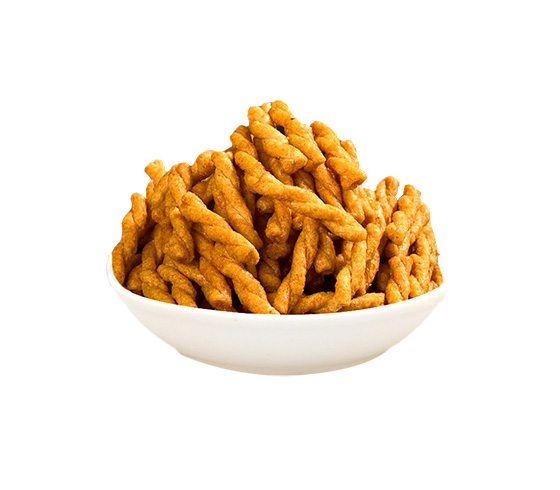
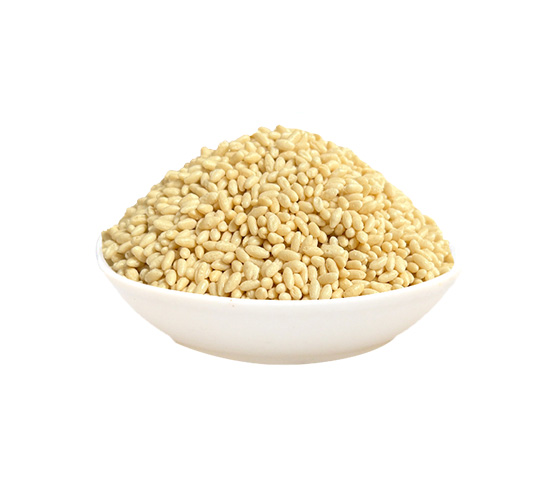
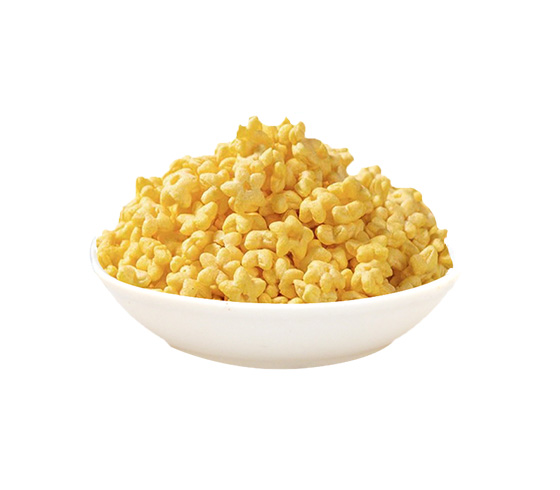
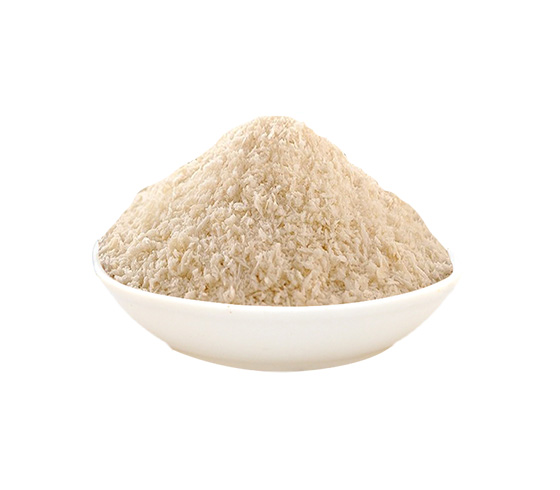
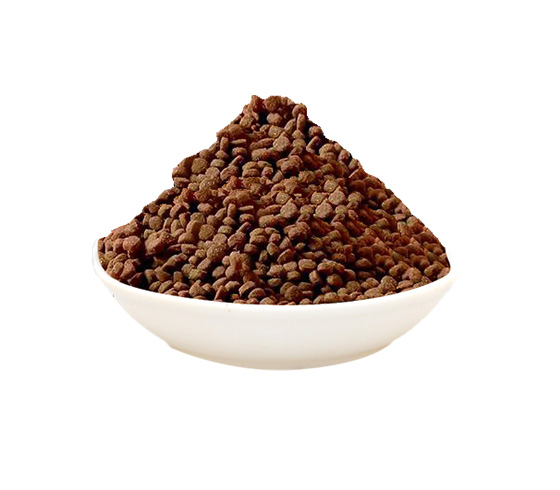
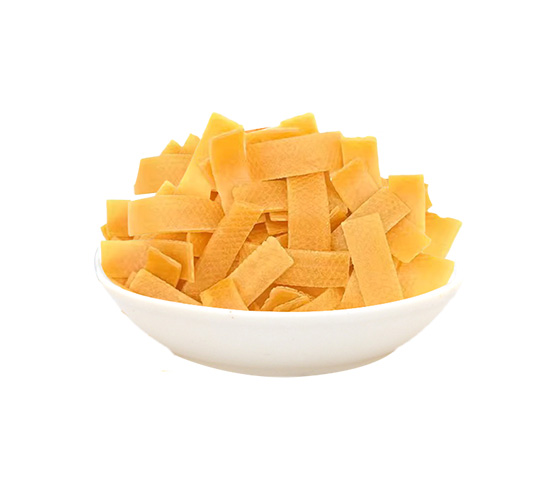
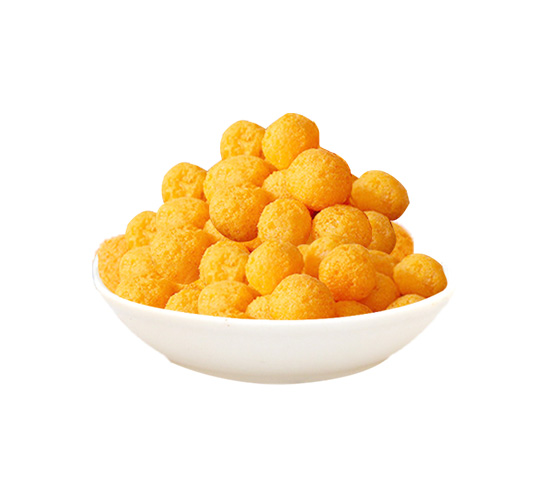
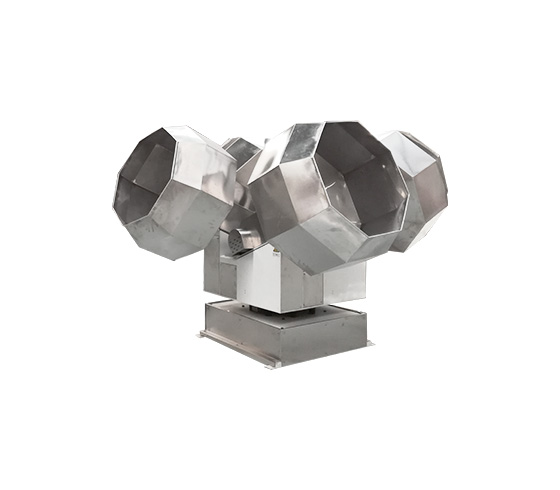
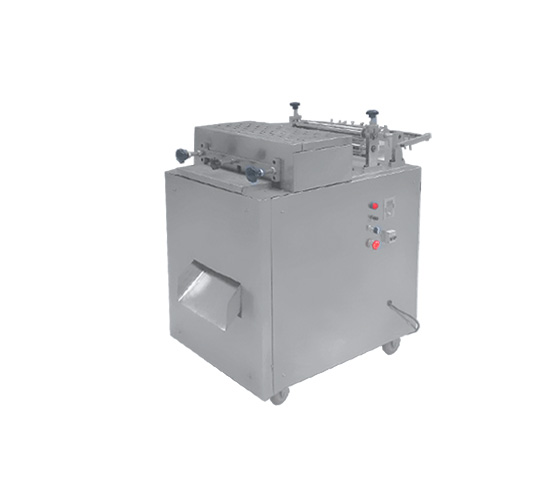
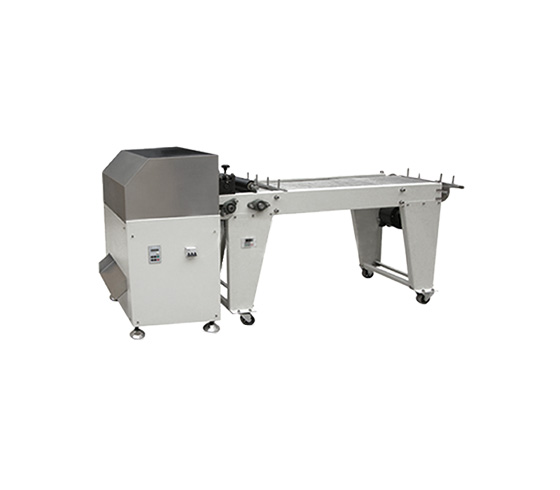
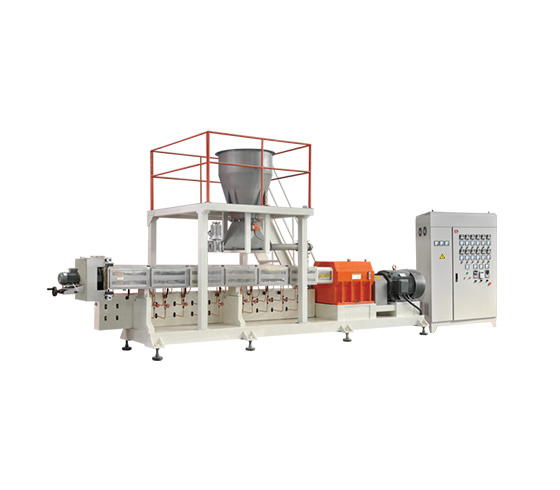
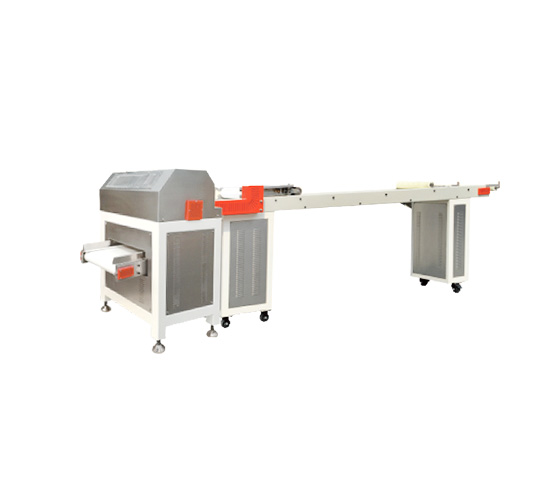
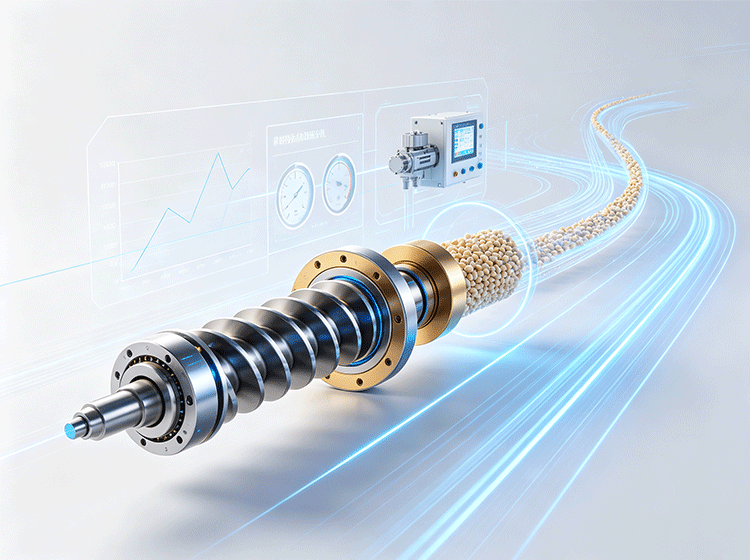
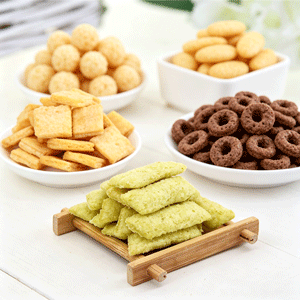
Extrusion Expander Parameters Reference:Optimizing product quality involves the processes, equipment, and production systems for food processing and manufacturing—Selection or operation management issue.The actual solution should be based on the characteristics of the raw materials,Target product,Confirmed based on production scale and on-site conditions,Judgment cannot be made based solely on a single equipment parameter.
Extrusion Expander Parameters Reference: Core Considerations for Optimizing Product Quality
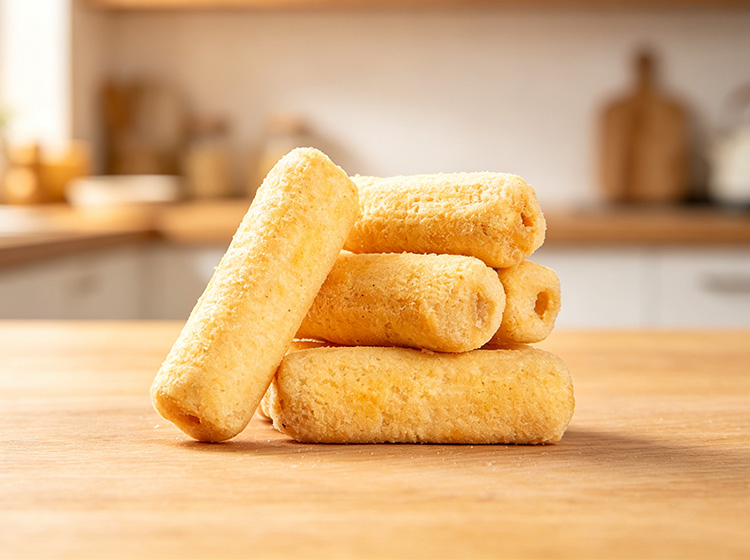
Puffed food refers to a broad category of food products primarily made from cereal flour, potato flour, or starch, and processed via extrusion, deep-frying, sand-roasting, baking, or other puffing techniques. These foods feature diverse varieties, crisp texture, delicious taste, convenient consumption, and easy digestion and absorption of nutrients. For food—whether human or animal—the selection of processing conditions may degrade the nutrients present in raw materials. Therefore, nutrient retention rate after food processing is an important factor to consider.
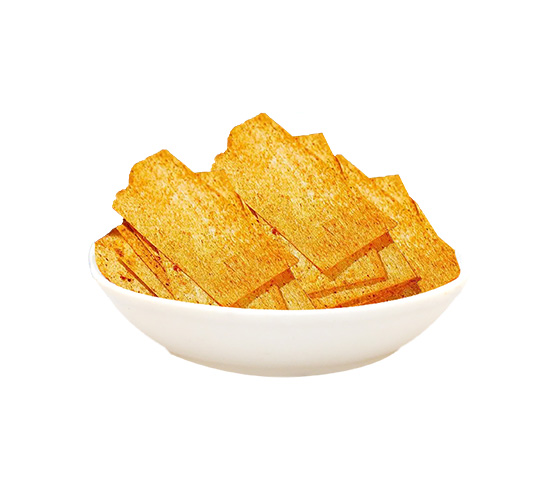
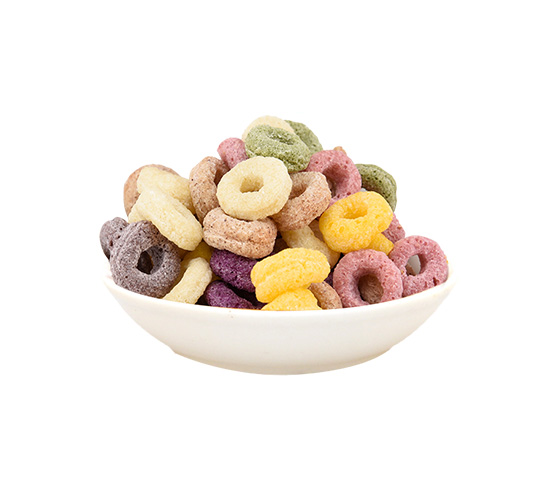
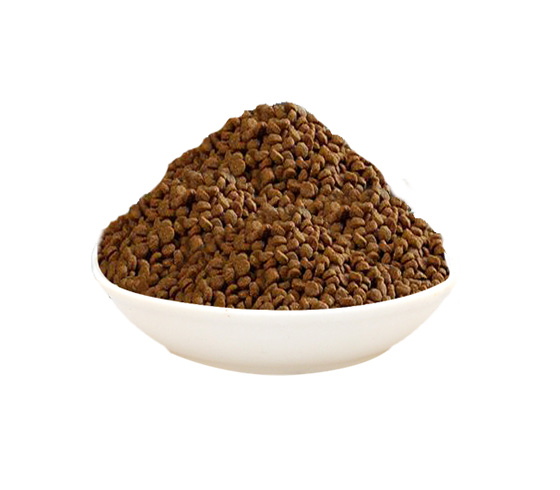
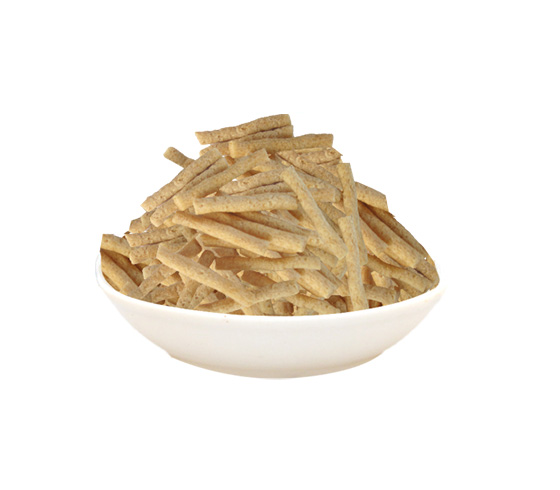
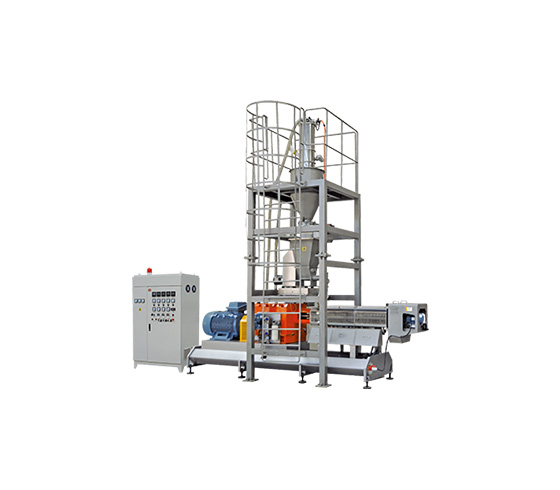
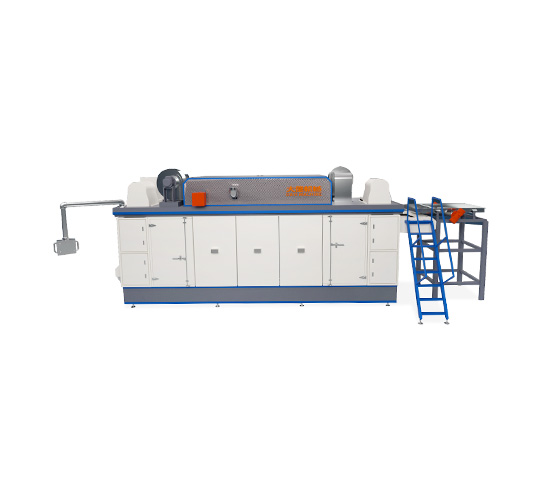
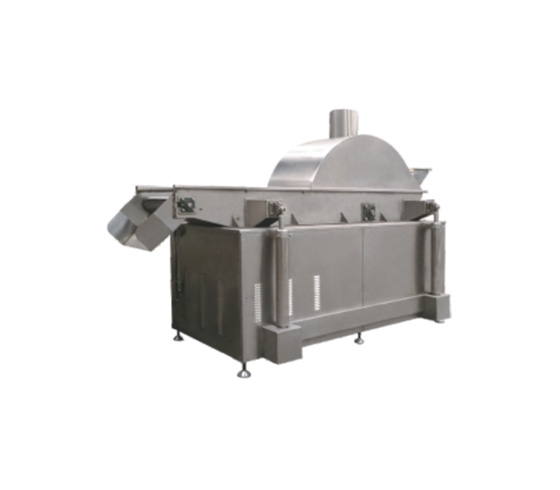
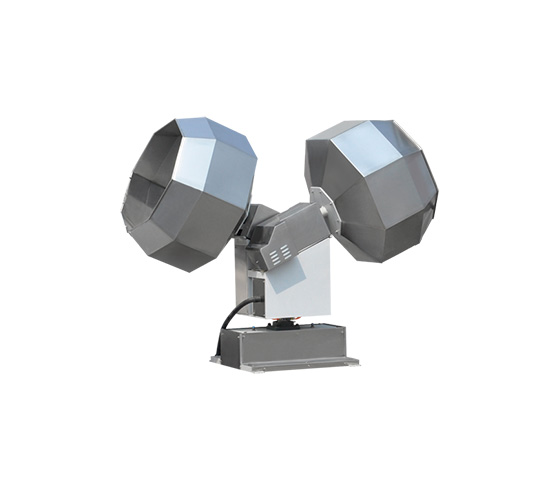
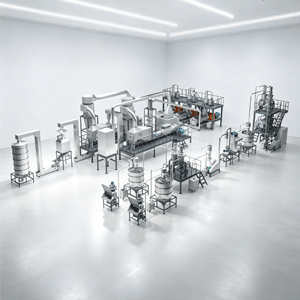
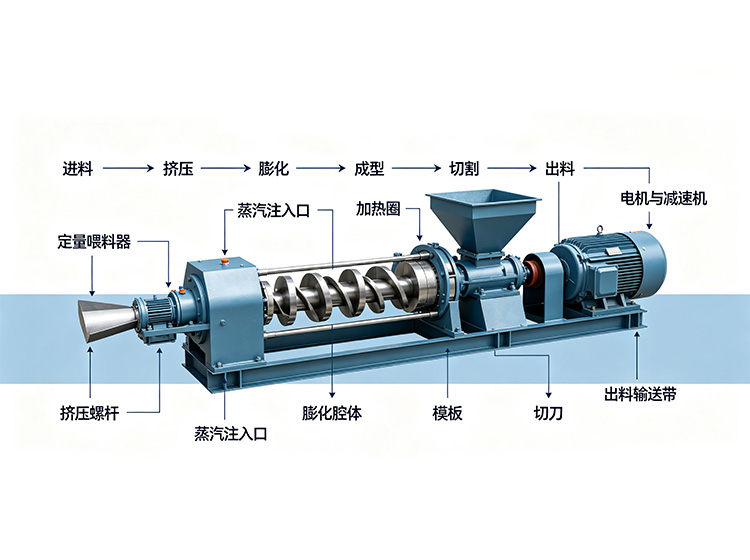
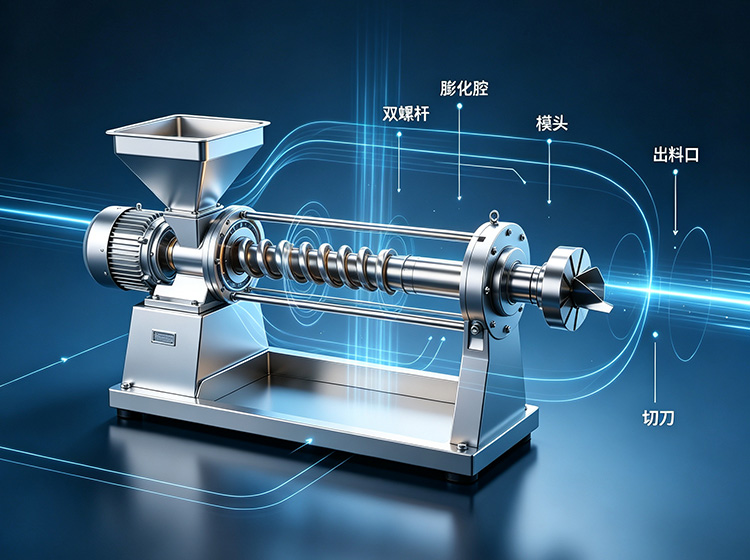
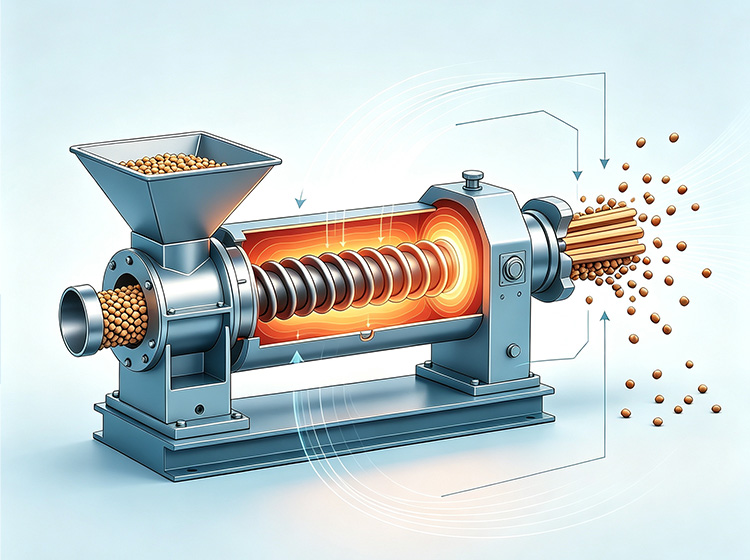
Extruded puffed food refers to puffed food products manufactured by feeding raw materials—after grinding, mixing, and moisture conditioning—into an extrusion puffer. Inside the extrusion puffer, the material undergoes high-temperature cooking and is extruded through specially designed die holes. In actual production, the extruded food is typically baked or fried to reduce its moisture content, extend shelf life, and achieve desirable flavor and texture; this also places specific requirements on the extrusion puffer—aiming to prolong equipment service life and reduce production costs. The general processing sequence for extruded puffed food is: raw materials → mixing → conditioning → extrusion cooking, puffing, and cutting → baking or frying → cooling → flavoring → weighing and packaging. Specifically, various raw materials, proportioned according to recipe, are thoroughly pre-mixed, then fed into the extrusion puffer, with an appropriate amount of water added inside; the total moisture content is generally controlled at approximately 15%. The screw speed of the extrusion puffer is 200–350 r/min, temperature is 120–160°C, maximum operating pressure inside the machine is 0.8–1 MPa, and residence time of the material within the extrusion puffer is 10–20 s. Upon exiting the die holes, the material experiences rapid steam release, causing a sharp volumetric expansion. At this point, the material’s moisture content drops to 8%–10%.
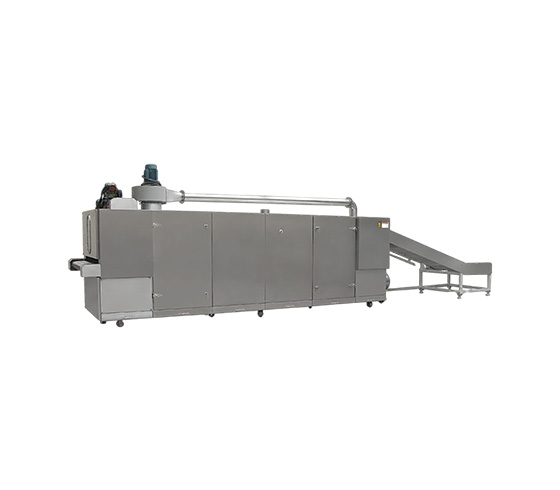
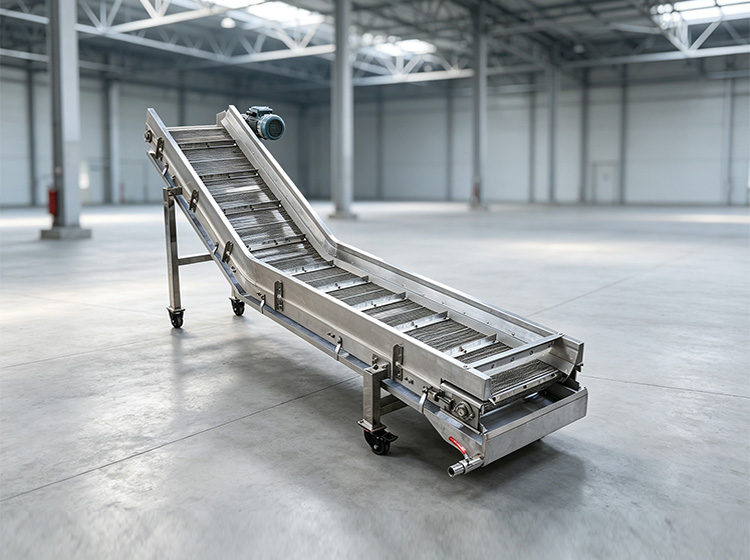
To facilitate storage and achieve better flavor and texture, moisture content must be reduced to below 3% through processes such as baking or frying. To produce puffed snacks with different flavors, seasoning treatment is also required. Subsequently, the seasoned puffed products are cooled on a conveyor belt in a low-humidity environment to remove some moisture (currently, general finished-product cooling and packaging workshops are equipped with air-conditioning systems), followed immediately by packaging.
Subject: Extrusion Puffing Machine Parameters Reference: Optimizing Product Quality; Quality Assurance: Upon equipment installation completion, free guidance and training will be provided to your designated operators to ensure proficiency in equipment operation and routine maintenance.
Subject: Extrusion Puffing Machine Parameters Reference: Optimizing Product Quality; Quality Assurance: We provide a one-year free warranty service starting from the date of equipment acceptance and commissioning (covering the cost of components damaged under normal conditions). If damage results from improper operation by your personnel, only reasonable material costs will be charged upon mutual agreement. After the warranty period expires, our company continues to provide maintenance services, charging only reasonable material costs while waiving labor fees.
Subject: Extrusion Puffing Machine Parameters Reference: Optimizing Product Quality; Quality Assurance: To ensure your equipment achieves optimal operational performance and to minimize our maintenance costs, professional technicians will conduct regular inspections and maintenance on the equipment during the warranty period.
Subject: Extrusion and Puffing Machine Parameters Reference: Optimizing Product Quality
Quality Assurance: In the event of equipment failure, upon receiving your notification, we will promptly dispatch and arrange personnel to conduct on-site repairs to ensure normal equipment operation.
Jinan Dayi Machinery Technology Co., Ltd. is located in the beautiful “Spring City” of Jinan. The company has long been engaged in the research and development of food production line machinery and processing technologies, adopting standardized manufacturing processes and automated control operational concepts, with a focus on developing stable and reliable production equipment. Our design team possesses extensive experience in design, R&D, commissioning, and production, and is supported by responsible on-site engineering personnel who handle production and commissioning tasks, enabling us to provide you with standardized design, production, and commissioning procedures.
What conditions should be considered during implementation or selection?
First, the product type, raw material condition, formulation direction, and expected finished product requirements must be clearly defined. For projects involving extrusion, forming, drying, frying, conveying, flavoring, or packaging, the processing capacity and cycle time of each stage must be matched to avoid inconsistencies between the capacity of individual equipment and the overall line requirements.
Secondly, the installation plan should be evaluated in conjunction with workshop space, power supply, water supply, steam or gas utility conditions. Equipment configuration should also consider long-term usage factors such as cleaning, maintenance, safety protection, spare parts availability, and operator training. Where process parameters or equipment capabilities are mentioned in this document, they serve only as a reference for preliminary discussion and initial assessment; specific model numbers, power ratings, production capacities, temperatures, and time settings shall be determined based on the formal technical proposal and confirmed through machine testing or on-site verification.
Frequently Asked Questions
Can the equipment be directly confirmed based on the standard configuration?
Not recommended. Different raw materials, product structures, target production capacities, and downstream processes affect equipment configuration. It is safer to first confirm the product and process conditions, then conduct a configuration assessment.
How can I obtain more targeted recommendations?
We recommend preparing product images or sample information, raw material and formulation details, target production capacity, existing workshop conditions, and planned downstream equipment configuration. Based on this information, Dayi Machinery can further discuss suitable process routes and equipment configuration options.
This article is compiled based on Dayi Machinery’s “Extrusion Puffing Machine Parameter Reference: Optimizing Product Quality” and aims to help readers understand the relevant topics; for technical requirements of specific projects, please refer to the actual product documentation and engineering confirmation results.