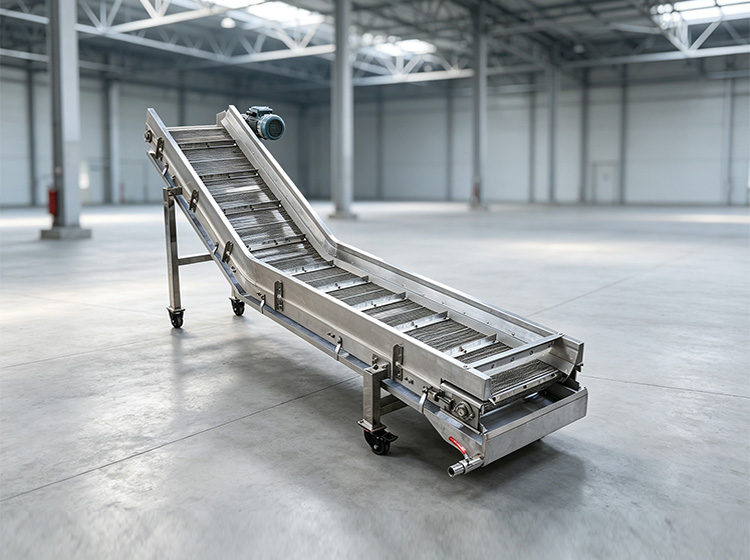
Food Processing Equipment for Konjac

Published:2026-07-18

Food processing equipment and konjac: addressing process, selection, and operational management issues related to food processing and production equipment.The actual solution should be confirmed based on raw material characteristics, target product specifications, production scale, and on-site conditions, and should not be determined solely by single equipment parameters.

Key Points of Food Processing Equipment and Konjac

As October approaches, the harvest season for konjac also arrives.The suitable growing regions for konjac in China are mainly distributed in the mountainous areas of southeastern China, the Yunnan-Guizhou Plateau, and the mountainous areas surrounding the Sichuan Basin, which are characterized by tropical and subtropical humid monsoon climates.

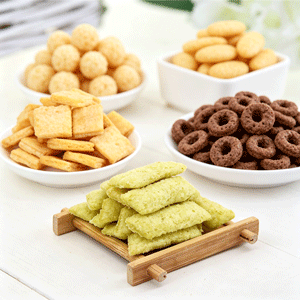
China has a long history of cultivating and consuming konjac.Konjac processed products are no longer limited to konjac tofu, which people used to eat frequently, but have been transformed into a variety of snack foods that are highly favored by consumers.Meanwhile, konjac is characterized by low calories, low protein, and high dietary fiber, making it a popular choice for those who are beauty-conscious and looking to lose weight, and an ideal dietary food.

However, this ideal dietary food should not be consumed casually.The whole konjac plant is toxic, and the tubers intended for consumption are even more toxic; they must undergo detoxification processes such as grinding, steaming, and washing.Improper handling may lead to food safety issues.Gloves should also be worn during processing to prevent konjac juice from coming into contact with the skin.

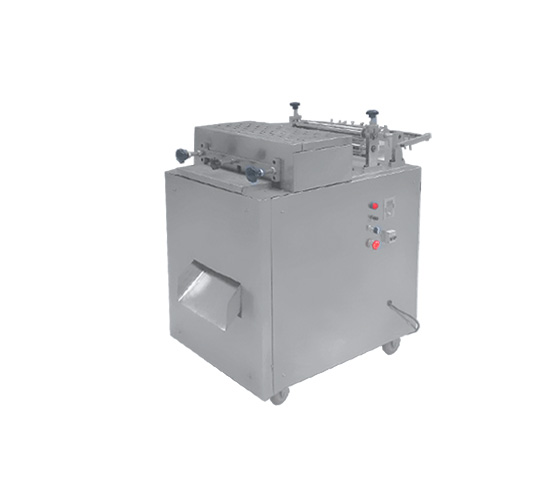
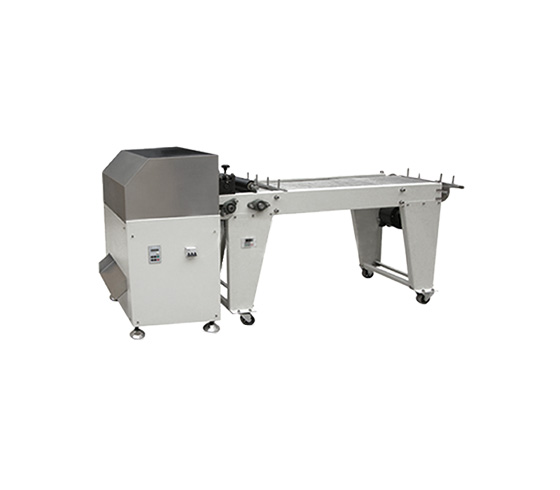
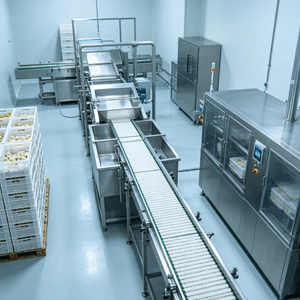
As the economic value of konjac is gradually being realized, konjac-producing regions are vigorously promoting konjac cultivation, with its planting and processing becoming closely linked to poverty alleviation and prosperity.As agricultural product processing gradually advances toward mechanization, large-scale operations, automation, and intelligence, konjac processing has also moved beyond the traditional small workshop model.The application of various processing equipment, including peeling, slicing, drying, grinding, and steaming, makes konjac processing more labor-saving and efficient, significantly boosting production efficiency.The konjac products produced are safer and more reliable, with quality fully guaranteed.

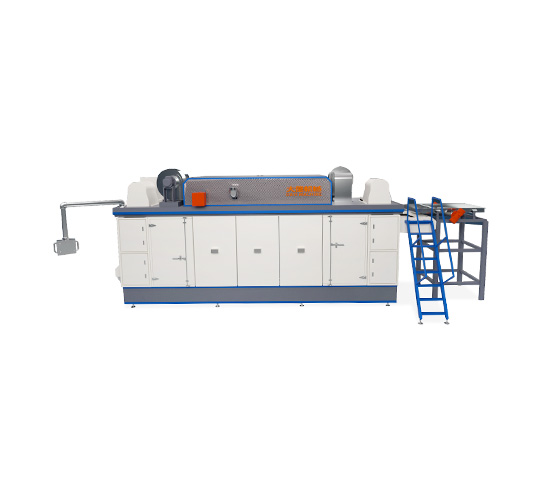
The shelf life of fresh konjac is relatively short.To extend shelf life, processing plants typically slice and dry konjac for future use.Konjac dried slices are not only easy to transport but also facilitate subsequent deep processing.It is reported that due to insufficient domestic supply of konjac raw materials, konjac processing enterprises still need to import dried konjac slices from Indonesia.

Konjac dried slices can be processed into konjac powder, which is commonly used in deep processing.Generally, konjac powder processing mainly involves two processes: the dry method and the wet method.Among these, the dry process is carried out through crushing, separation, grinding, sieving, classification, and mixing.In recent years, with the continuous improvement of crushing equipment performance, the quality of konjac powder has also been enhanced.

It is reported that Hubei Province has designated konjac as one of its key agricultural industries for focused development.Hubei's konjac products are exported to overseas markets, with export sales reaching 140 million yuan.As a leading enterprise in China's konjac industry, Hubei Yizhi Konjac Biotechnology Co., Ltd. is dedicated to the research, development, production, and sales of deep-processed konjac products and konjac-related products.In addition to developing a variety of konjac snacks, the company has also applied konjac to the beauty mask sector, producing nearly 300 konjac products.

The konjac market has a promising future.Compared with other agricultural products, the price of konjac can be said to be in a period of relatively stable growth.The application of various processing equipment and technologies not only enhances the added value of konjac products but also promotes increased income for farmers.As the upstream, midstream, and downstream industrial chains continue to integrate, the healthy development of the konjac industry will be further promoted.

What conditions should be considered during implementation or selection?

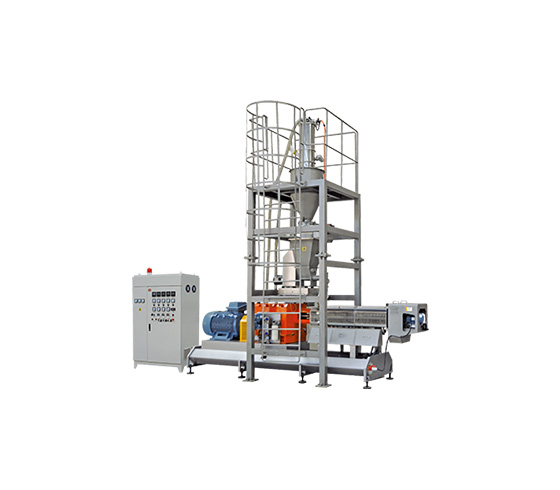
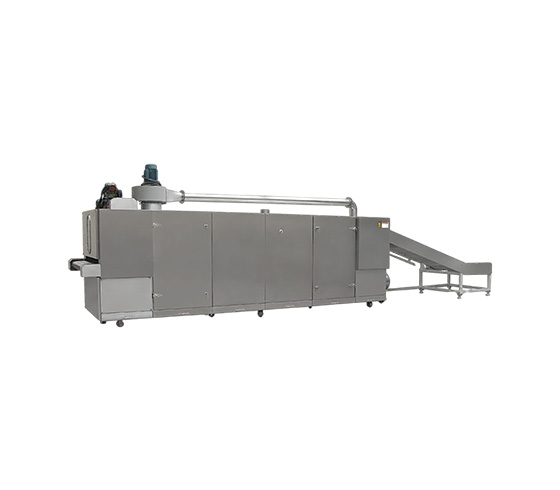
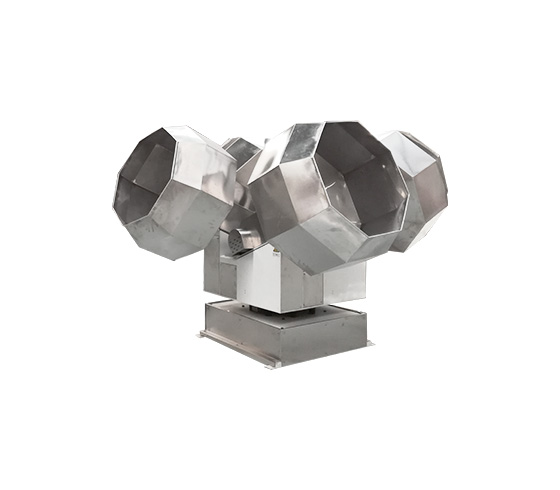
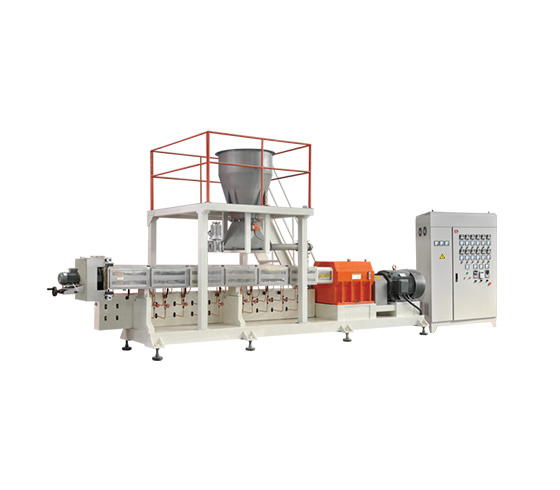
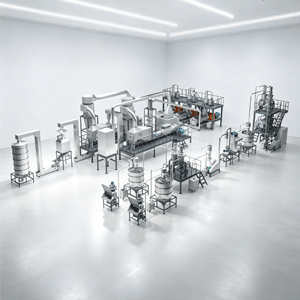
First, it is essential to clarify the product type, raw material state, formulation direction, and expected finished product requirements.For projects involving extrusion, forming, drying, frying, conveying, seasoning, or packaging, the processing capacity and cycle time of each stage must be matched to avoid discrepancies between individual equipment capacity and the overall line requirements.

Secondly, the installation plan should be evaluated in conjunction with the workshop's spatial layout and utility conditions, including power supply, water supply, steam, or gas.Equipment configuration should also take into account long-term operational factors such as cleaning, maintenance, safety protection, spare parts supply, and operator training.Any process or equipment capabilities mentioned in this document are for reference only in the context of solution discussions and preliminary assessments.Specific model numbers, power ratings, production capacities, temperatures, and times shall be subject to the formal technical proposal and the results of trial runs or on-site verification.

Frequently Asked Questions

Can the equipment be determined directly based on the standard configuration?

Not recommended.Different raw materials, product structures, target production capacities, and downstream processes can affect the equipment configuration.It is more prudent to confirm the product and process conditions before proceeding with the configuration assessment.

How to obtain more targeted advice?

It is recommended to prepare product images or sample information, raw material and formulation guidelines, target production capacity, existing workshop conditions, and planned downstream equipment configurations.Dayi Machinery can further discuss the applicable process routes and equipment configuration options based on this.

This article is compiled based on the materials provided by Dayi Machinery, titled “Food Processing Equipment and Konjac,” with the aim of helping readers understand the relevant topics.For technical requirements related to specific projects, please refer to the actual product documentation and engineering confirmation results.