Food Processing Equipment for Seafood Snacks

Published:2026-07-18

Food processing equipment and seafood snack products involve process, selection, or operational management issues related to food processing and production equipment.The actual solution should be confirmed based on raw material characteristics, target product specifications, production scale, and on-site conditions, and should not be determined solely by single equipment parameters.

Key Points of Food Processing Equipment and Seafood Snack Foods

In the past, the slogan “I know the taste of the sea” deeply resonated with consumers, bringing packaged instant seaweed snacks to the forefront and essentially ushering in a new era of cross-generational development for seafood snacks.In recent years, with the accelerated development of China's "deep blue economy," the vigorous development of true marine leisure foods using novel food processing technologies and new processes has become an important direction for the development of the aquatic products industry.Categories such as grilled fish fillets and cod sausages have become new blue oceans that food companies are competing to enter.

Amid the trend of consumption upgrading, the shift from “eating to satiety” to “eating well” has injected new momentum into the food industry, driving the upstream food sector to accelerate its optimization and upgrading.From food packaging to product types and quality, every aspect of snack foods is undergoing subtle changes.In this process, seafood, as an important source of high-quality protein intake for the human body, has become the main product of high-end snack foods, in line with market development trends and its own characteristics.

In recent years, numerous brands such as Jinzai, Zhenzhiwei, Baicaowei, and Jinmofang have entered the fish snack market, launching a variety of ready-to-eat flavored dried fish and grilled fish slices in multiple flavors.Changdao has entered into a strategic partnership with Bestore to jointly promote independently packaged seafood snacks, including Fresh Umami Whole Shellfish, Spicy Wakame, King Oyster Mushroom Scallops, Spicy Taiji Shrimp, and Barbecued Clams.It is evident that the boundaries of seafood snacks are continuously expanding, with increasingly diverse product categories positively correlating with the growing material demands of consumers.Industry insiders also point out that seafood snack foods combine two current hot trends—marine food and casual snacks—and generally have broad development prospects.

However, as the saying goes, “to each their own,” although the demand for seafood, fish, and other food products is on the rise, differences in texture and flavor acceptance between hot-cooked dishes and ready-to-eat foods persist, and issues such as deodorization and nutrient retention remain of significant concern.Therefore, in the continuous development and evolution of seafood snack foods, the upgrading of production processes and technologies plays a crucial role.

On the one hand, at the production technology level, manufacturers are committed to sourcing high-quality seafood ingredients from premium marine regions to establish a solid foundation.Subsequently, the seafood is processed using a high-temperature cooking process at 121°C, which enhances flavor while preserving high-quality proteins and other nutritional components in the raw materials as much as possible.Or, by deepening industry-academia-research collaboration and leveraging modern production technologies to empower the manufacturing of seafood snack foods, delicious seafood that was once only available on dining tables can be brought to the consumer market in a convenient manner.

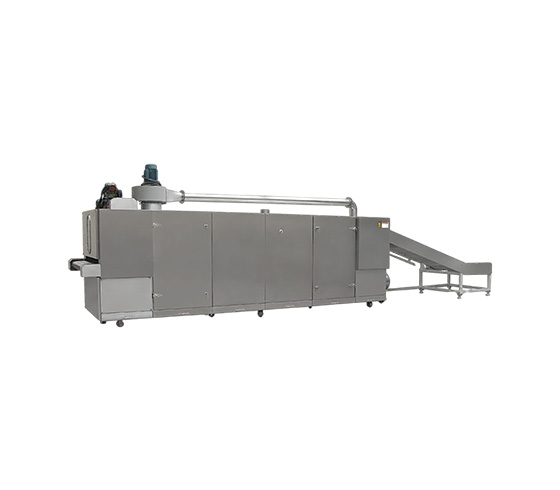
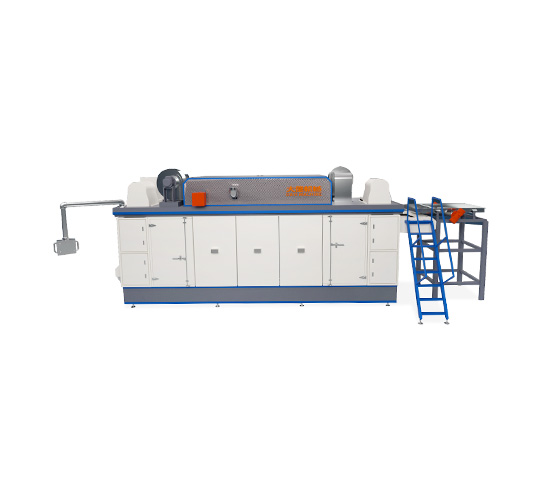
On the other hand, as the trend of seafood snacks becoming more casual, premium, and high-end becomes increasingly clear, the growth in front-end consumer demand is also driving the transformation and capacity expansion of back-end production.For example, Changdao has established a well-developed supply chain system with upstream seafood raw material supply bases and downstream snack brands.In the mid-range production segment, we provide supporting equipment such as washing machines, baking ovens, and vacuum fresh-keeping packaging machines to enhance production capacity and product quality, thereby facilitating market penetration and achieving win-win outcomes for all parties.Furthermore, as the market for seafood snack foods continues to expand and manufacturers move toward industrial-scale production, the adoption of corresponding automated production equipment and facilities is an indispensable measure for improving quality, enhancing efficiency, and expanding market share.Strengthening exchanges and cooperation between the machinery industry and food production enterprises has become an important direction for industrial development.

In summary, driven by the upgrading of consumer preferences, seafood-based snack foods are becoming increasingly popular.During the process of accelerating layout, the industry should promptly and sensitively respond to changes in consumer demand, actively promote product innovation and R&D, as well as the upgrading of production processes, and drive the healthy development of the industry.

What conditions should be considered during implementation or selection?

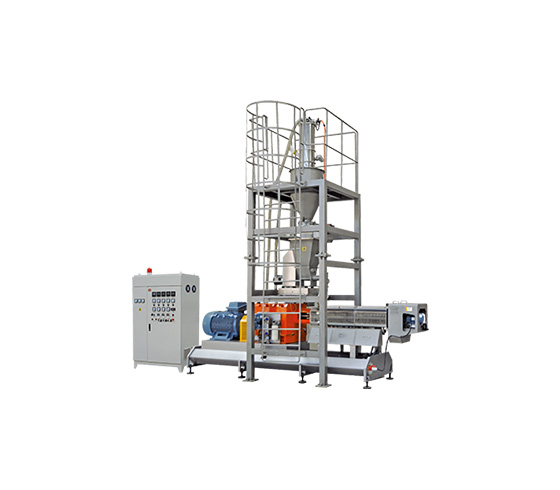
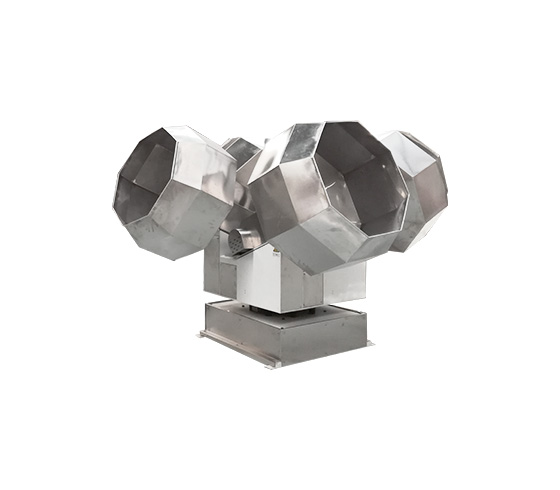
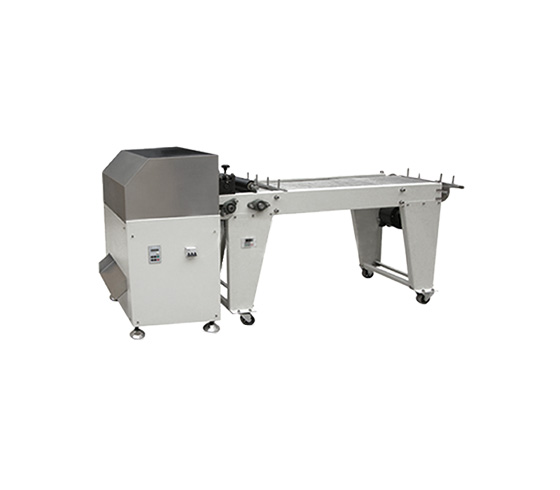
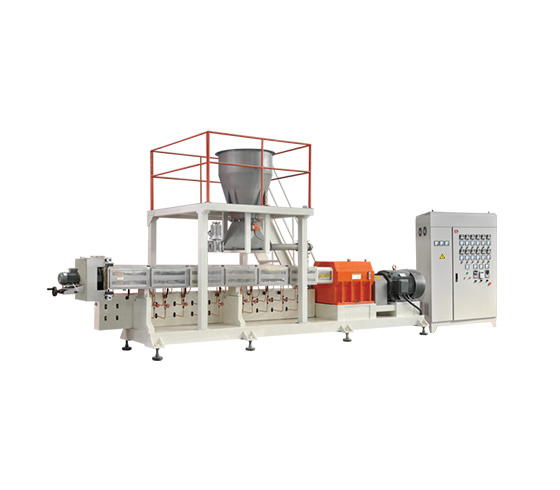
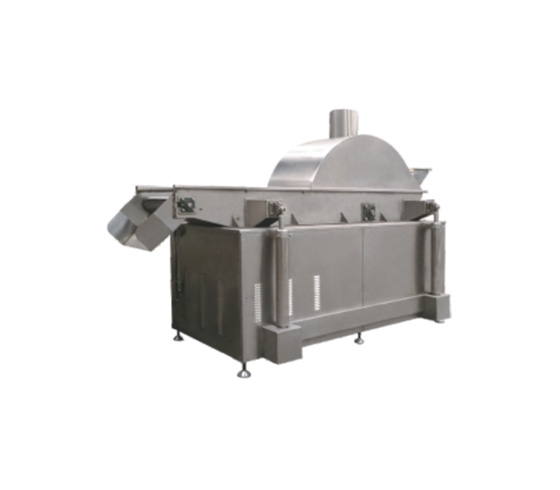
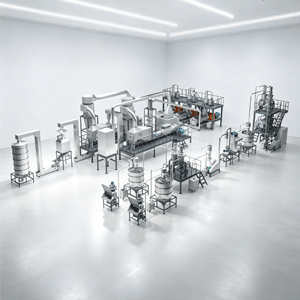
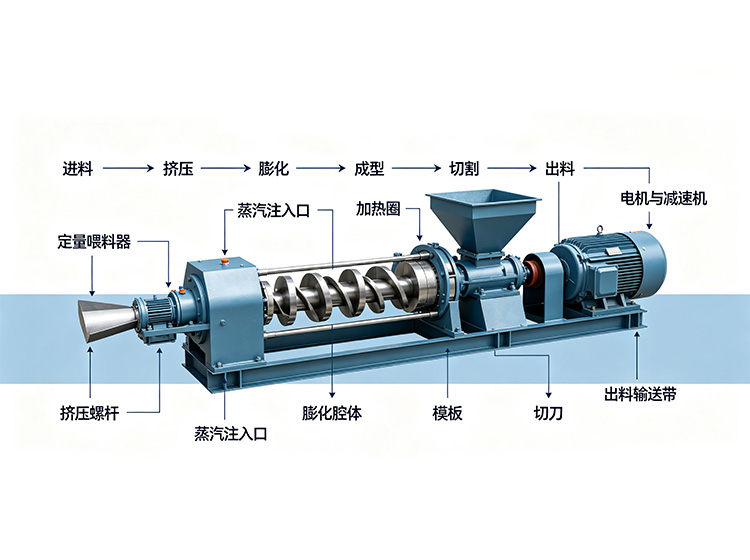
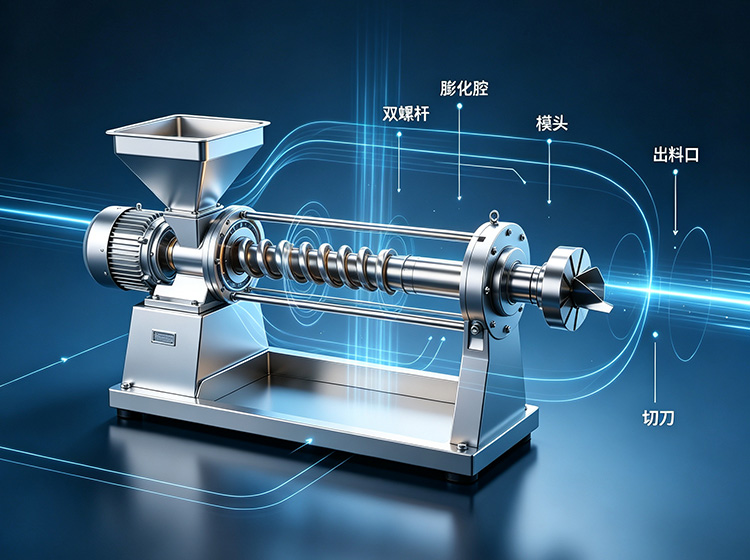
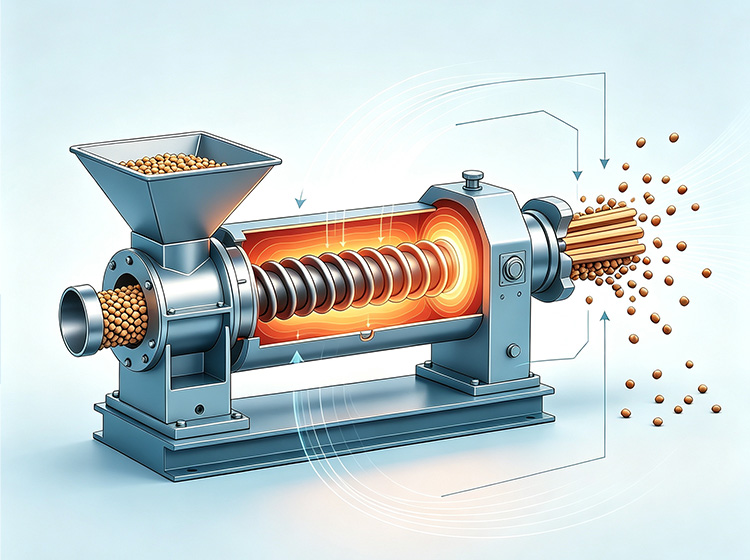
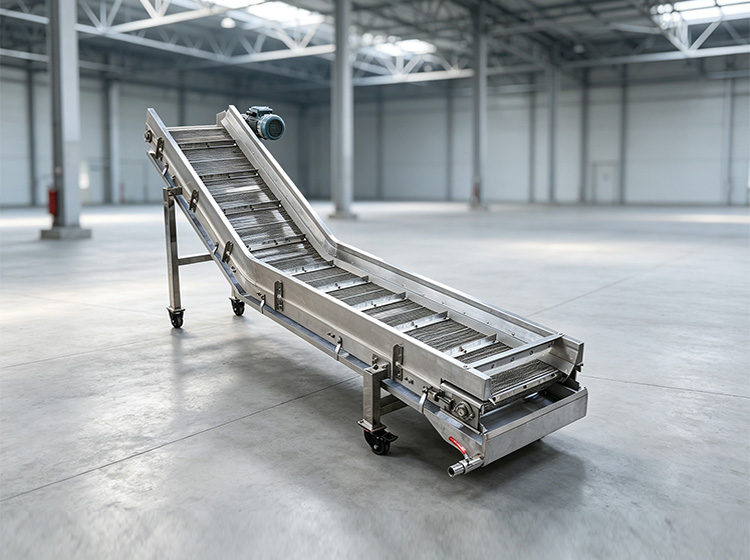
First, it is essential to clarify the product type, raw material state, formulation direction, and expected finished product requirements.For projects involving extrusion, forming, drying, frying, conveying, seasoning, or packaging, the processing capacity and cycle time of each stage must be matched to avoid discrepancies between individual equipment capacity and the overall line requirements.

Secondly, the installation plan should be evaluated in conjunction with the workshop's spatial layout and utility conditions, including power supply, water supply, steam, or gas.Equipment configuration should also take into account long-term operational factors such as cleaning, maintenance, safety protection, spare parts supply, and operator training.Any process or equipment capabilities mentioned in this document are for reference only in the context of solution discussions and preliminary assessments.Specific model numbers, power ratings, production capacities, temperatures, and times shall be subject to the formal technical proposal and the results of trial runs or on-site verification.

Frequently Asked Questions

Can the equipment be determined directly based on the standard configuration?

Not recommended.Different raw materials, product structures, target production capacities, and downstream processes can affect the equipment configuration.It is more prudent to confirm the product and process conditions before proceeding with the configuration assessment.

How to obtain more targeted advice?

It is recommended to prepare product images or sample information, raw material and formulation guidelines, target production capacity, existing workshop conditions, and planned downstream equipment configurations.Dayi Machinery can further discuss the applicable process routes and equipment configuration options based on this.

This article is compiled based on the materials provided by Dayi Machinery, titled "Food Processing Equipment and Seafood Snacks," with the aim of helping readers understand the relevant topics.For technical requirements related to specific projects, please refer to the actual product documentation and engineering confirmation results.