Food Processing Equipment for Goji Berries

Published:2026-07-18

Food processing equipment and goji berry: addressing process, selection, or operational management issues related to food processing and production equipment.The actual solution should be confirmed based on raw material characteristics, target product specifications, production scale, and on-site conditions, and should not be determined solely by single equipment parameters.

Key Points of Food Processing Equipment and Goji Berries

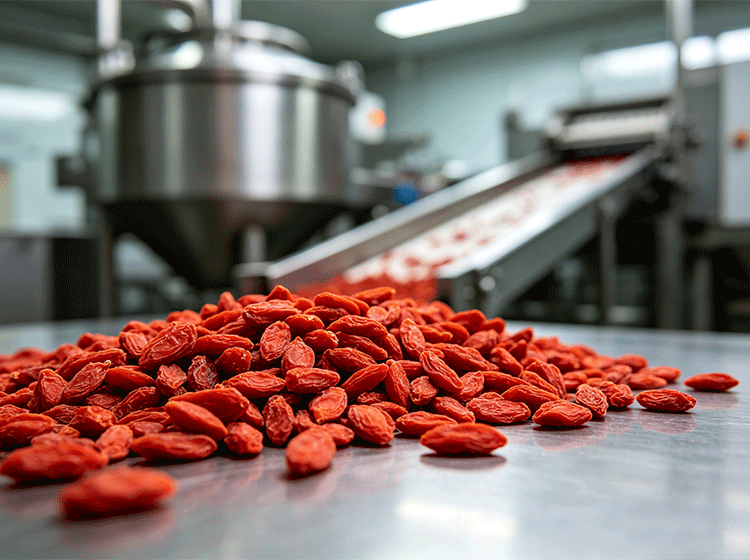
As September arrives, it is the harvesting season for goji berries.Bright red goji berries hang heavily from the branches as farmers are busy with the harvest.As a food and medicine homology product, goji berries have always been favored by consumers.In recent years, as people have increasingly emphasized health and wellness, the demand for goji berries has continued to rise.Young people are increasingly joining the health-conscious movement. “Goji berries steeped in a thermos” has not only become a popular internet buzzword but also a true reflection of the “punk wellness” lifestyle embraced by contemporary youth.

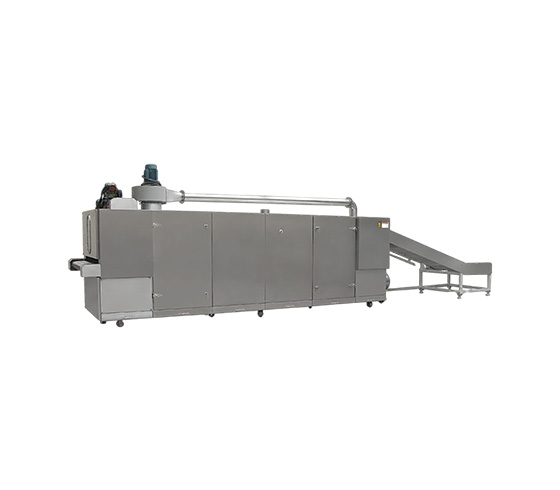
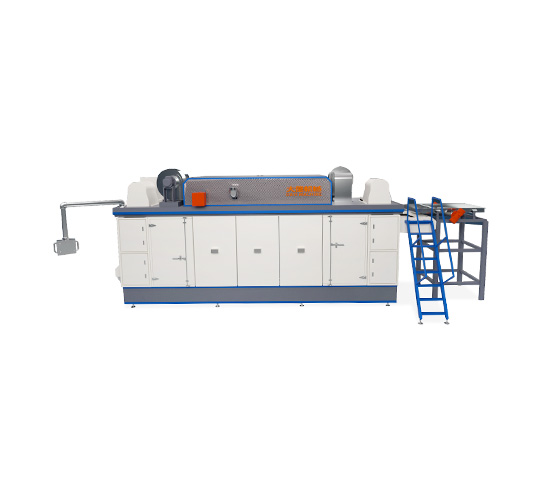
As a characteristic and advantageous industry in certain regions, goji berries are typically sold in dried form, with traditional drying methods mainly relying on natural sun-drying.This method is highly dependent on weather conditions, which directly determine the drying time and efficiency of goji berries, and its low yield cannot meet the demands of large-scale, industrialized development.Furthermore, during the natural sun-drying process of goji berries, they are highly susceptible to contamination from airborne dust, making it difficult to ensure product quality.With breakthrough advancements in food processing technology, the drying process for goji berries has shifted from traditional sun-drying to mechanical drying, significantly improving drying efficiency.

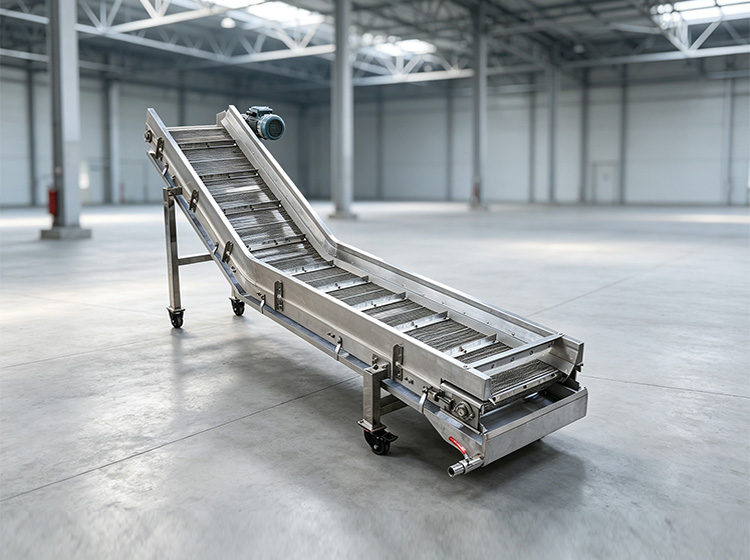
In addition, the cleaning of goji berries before drying is also crucial.Freshly harvested goji berries have a large amount of dust and harmful substances attached to their surface.Traditional cleaning methods are not only inefficient and unable to ensure cleanliness, but they also easily damage the skin of goji berries, significantly reducing their quality.Bubble washing machines are typically used to clean goji berries, as the gentle bubble action minimizes the risk of damage to the berries.The bubble cleaning machine utilizes an air pump to generate a large volume of bubbles, causing the goji berries in the tank to tumble, thereby achieving thorough cleaning.The conveying process employs dust-free and sun-proof technology.After preheating in the field, fresh fruits are transferred to a cold storage facility, followed by washing. Only after washing can they proceed to the drying process.The goji berry drying process consists of 14 steps.Before leaving the factory, goji berries must also undergo microbial testing.

With the growing health and wellness trend, goji berry producing regions need to accelerate the extension, strengthening, and integration of the goji berry industry chain by introducing processing equipment and technologies, thereby speeding up the development of the goji berry deep-processing industry.

What conditions should be considered during implementation or selection?

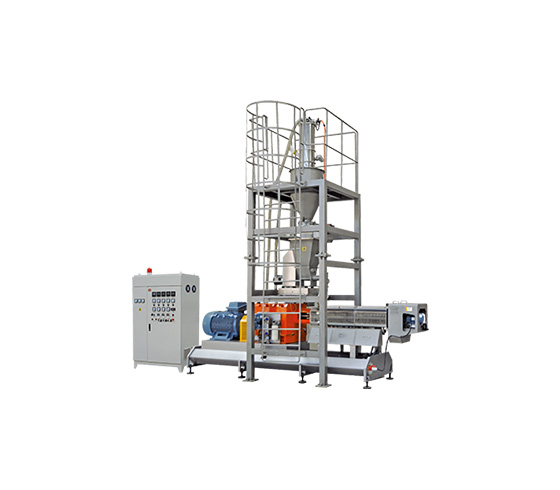
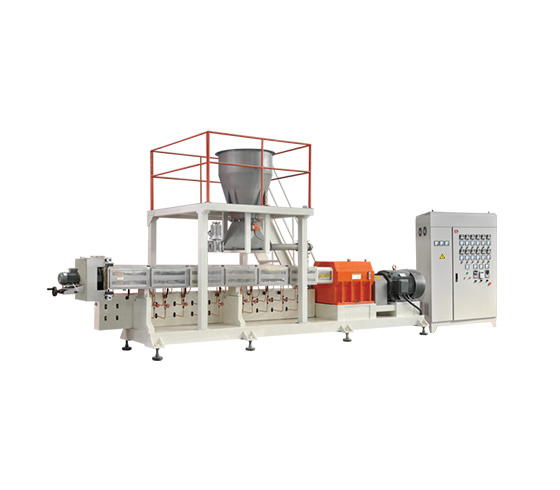
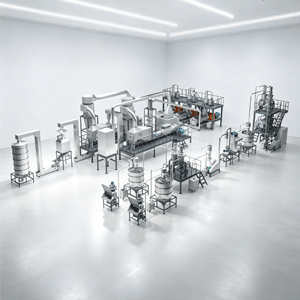
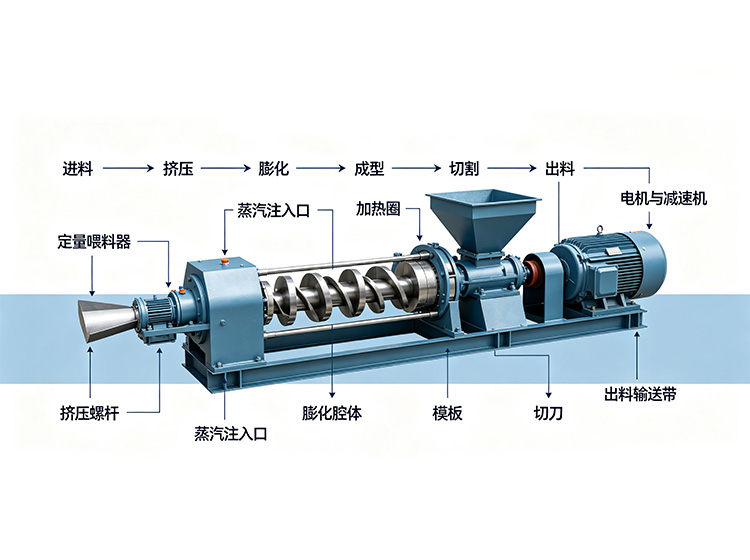
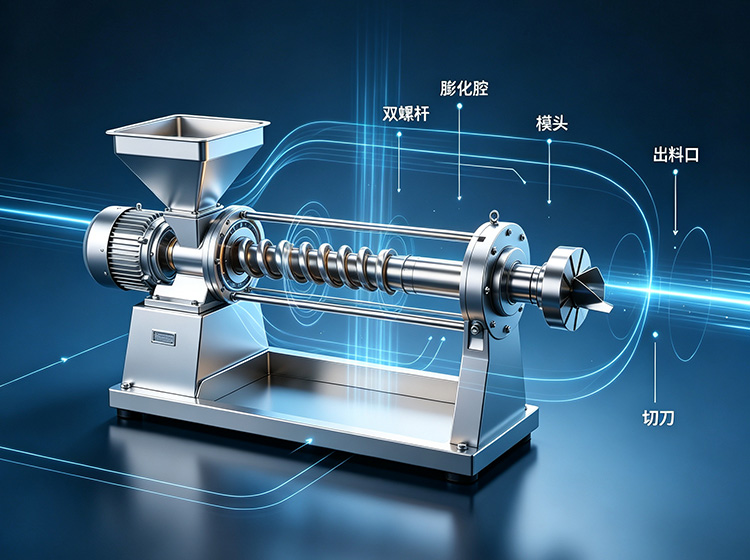
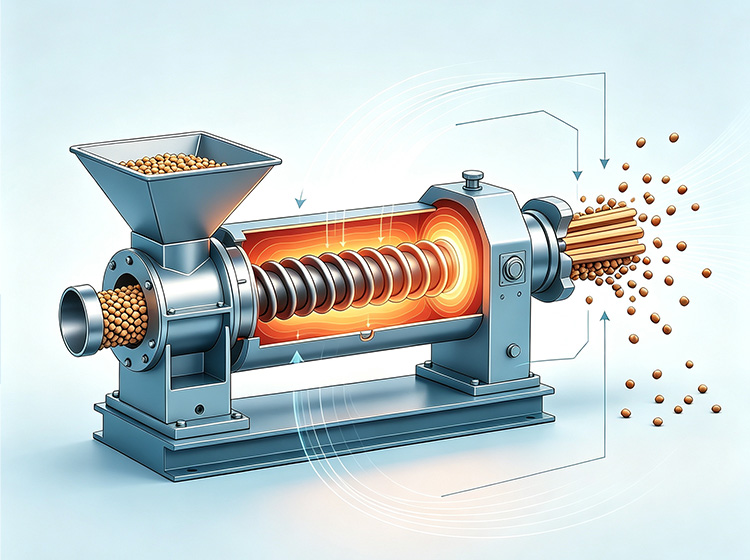
First, it is essential to clarify the product type, raw material state, formulation direction, and expected finished product requirements.For projects involving extrusion, forming, drying, frying, conveying, seasoning, or packaging, the processing capacity and cycle time of each stage must be matched to avoid discrepancies between individual equipment capacity and the overall line requirements.

Secondly, the installation plan should be evaluated in conjunction with the workshop's spatial layout and utility conditions, including power supply, water supply, steam, or gas.Equipment configuration should also take into account long-term operational factors such as cleaning, maintenance, safety protection, spare parts supply, and operator training.Any process or equipment capabilities mentioned in this document are for reference only in the context of solution discussions and preliminary assessments.Specific model numbers, power ratings, production capacities, temperatures, and times shall be subject to the formal technical proposal and the results of trial runs or on-site verification.

Frequently Asked Questions

Can the equipment be determined directly based on the standard configuration?

Not recommended.Different raw materials, product structures, target production capacities, and downstream processes can affect the equipment configuration.It is more prudent to confirm the product and process conditions before proceeding with the configuration assessment.

How to obtain more targeted advice?

It is recommended to prepare product images or sample information, raw material and formulation guidelines, target production capacity, existing workshop conditions, and planned downstream equipment configurations.Dayi Machinery can further discuss the applicable process routes and equipment configuration options based on this.

This article is compiled based on the materials provided by Dayi Machinery, titled "Food Processing Equipment and Goji Berries," with the aim of helping readers understand the relevant topics.For technical requirements related to specific projects, please refer to the actual product documentation and engineering confirmation results.