The automation manufacturing process of food production lines involves process, selection, or operational management issues related to food processing and production equipment.The actual solution should be confirmed based on raw material characteristics, target product specifications, production scale, and on-site conditions, and should not be determined solely by single equipment parameters.
Key Points in the Automated Manufacturing Process of Food Production Lines
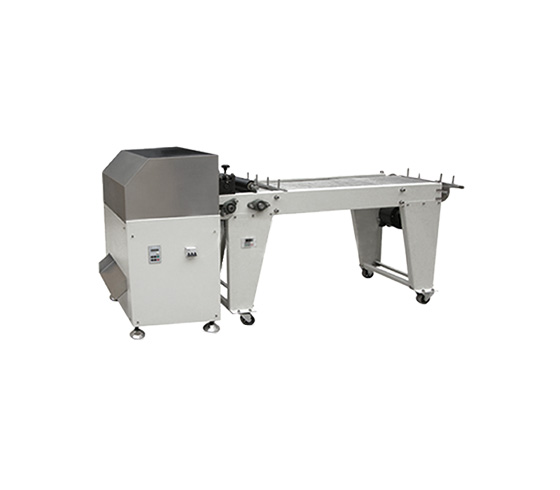
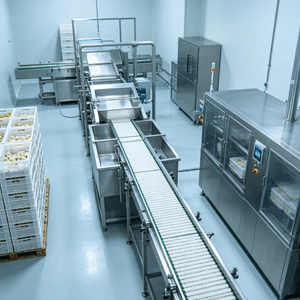
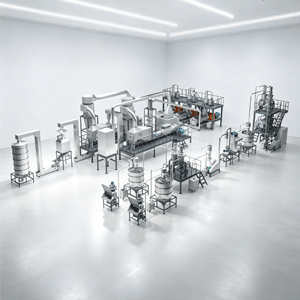
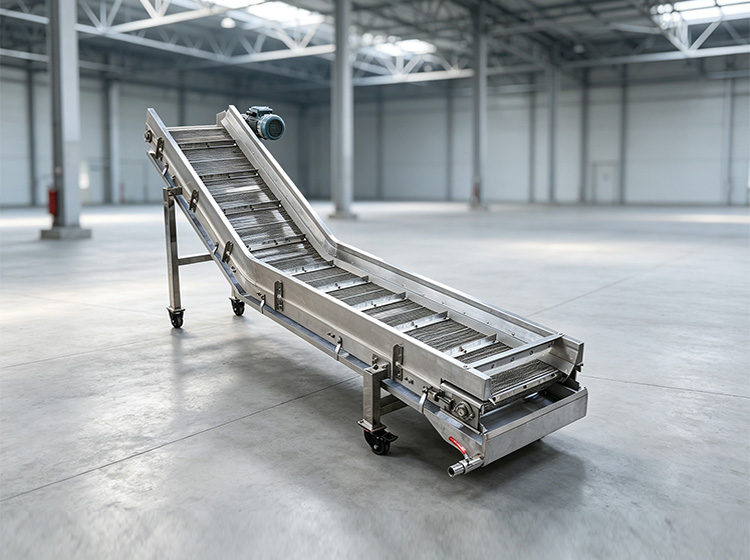
As economic consumption levels rise, people’s demands for quality of life become increasingly stringent, with food safety emerging as the top priority in food consumption.Therefore, in response to the trends of the times, the application and development of food industry automation technology have advanced rapidly, meeting the demands of large-scale production, enhancing the efficiency of food industrialization, and ensuring food quality and safety.Currently, the most widely used automated equipment in the food industry includes automated food packaging equipment, automated conveyor lines, and automatedEstablishBody warehouses.First, the origins of automated conveyor lines date back quite early; the modern conveyor line in the true sense began during the Industrial Revolution in the United Kingdom.Today, a wide range of conveyor lines are available, suitable for material handling in various industrial production processes.In the production workshop, warehouse, and packaging workshop, multiple roller conveyors, belt conveyors, and other equipment are installed and interconnected to form a complete conveying chain.
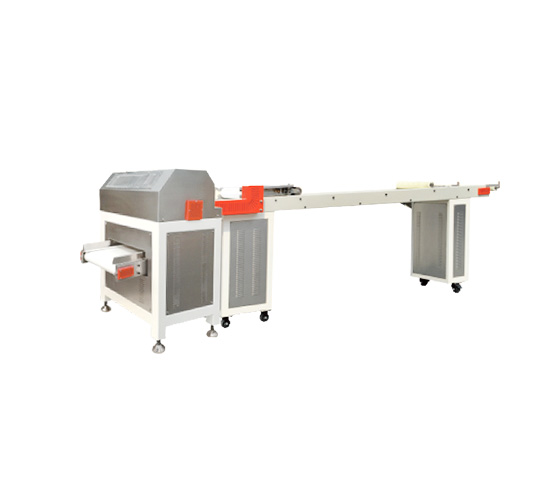
Secondly, from the perspective of automation technology application, the integration of food processing automation with conveying equipment automation, along with the introduction of MES systems, consolidates multiple specialized devices into a single unit. This simplifies production processes, reduces investment in production technology, lowers manufacturing costs, enhances production efficiency, and achieves industrial automation control and management.Designed for livestock and poultry slaughter and cutting conveyor lines, the equipment features waterproof and moisture-proof construction, making it suitable for operation in various environments. With stable performance and reliable safety, it enables automated, continuous operations for deboning, cutting, and conveying. It is widely used in food processing plants, slaughterhouses, meat processing facilities, and other similar locations.
Finally, the overall design of food automation conveying solutions can be planned based on factory layout or customized, manufactured, installed, and commissioned according to customer requirements.The conveying carriers include belt-type, roller-type, mesh belt-type, flat-top chain-type, and others.The frame materials include aluminum profiles, stainless steel, special rubber hinges, nylon wheels, and more.These materials and forms are widely adopted due to their broad applicability and the ability to perform multiple industrial operations simultaneously during the conveying process.The conveyor operates smoothly with low noise, ensuring precise synchronous conveying, which effectively enhances food production efficiency.
Automated food conveyor lines significantly enhance production efficiency in the food industry, reduce workers' physical labor intensity and labor costs, and also meet national requirements for the level of food machinery and equipment.Therefore, its future market prospects are very broad.
What conditions should be considered during implementation or selection?
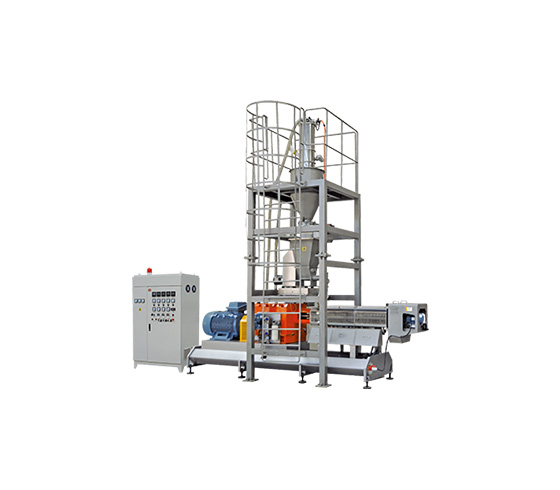
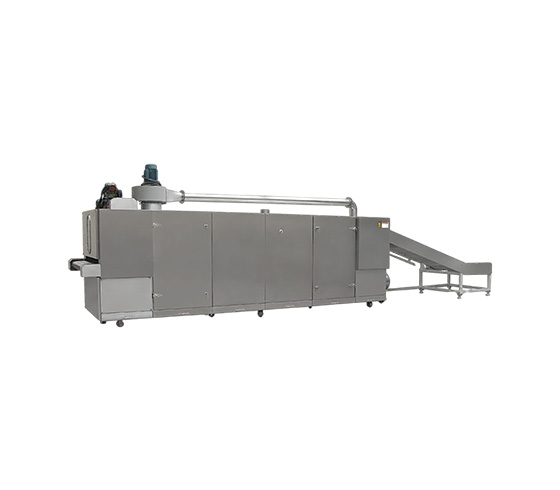
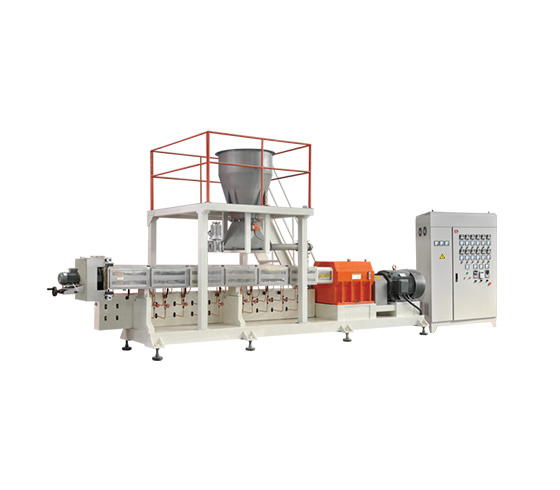
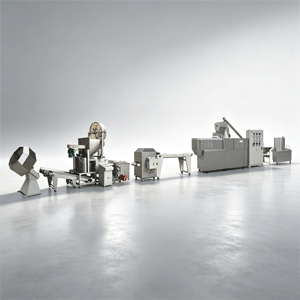
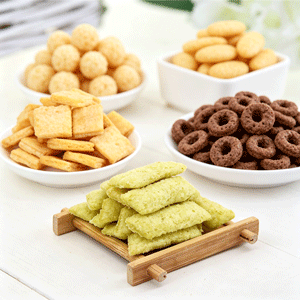
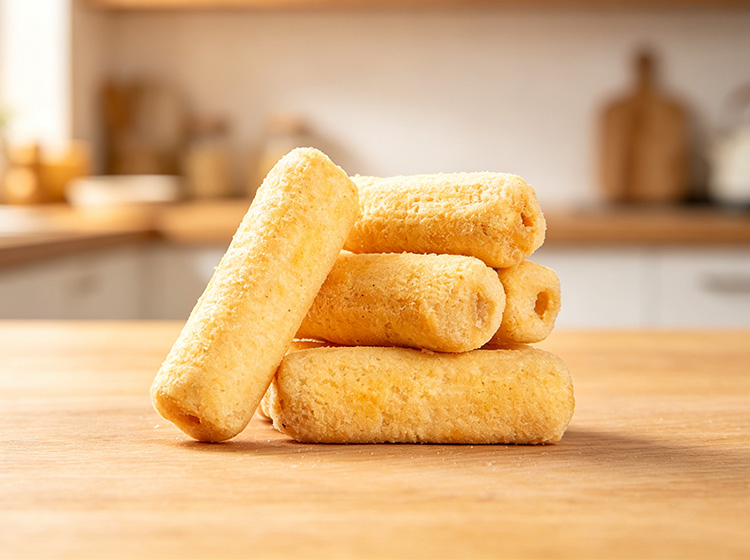
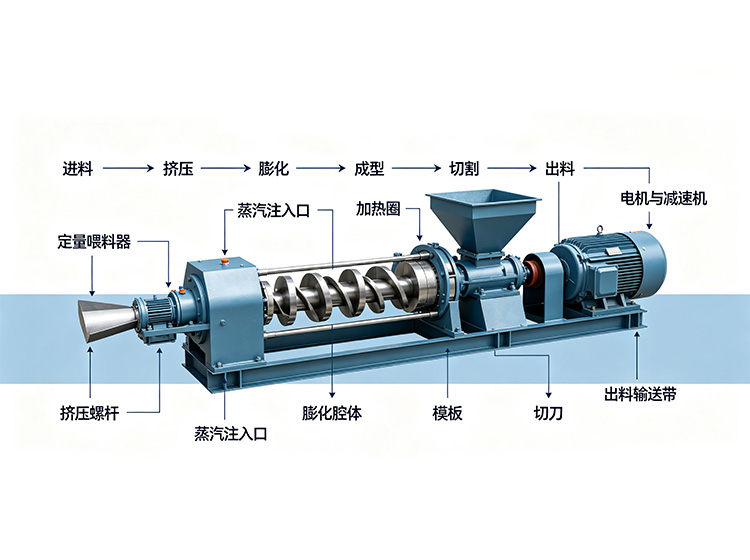
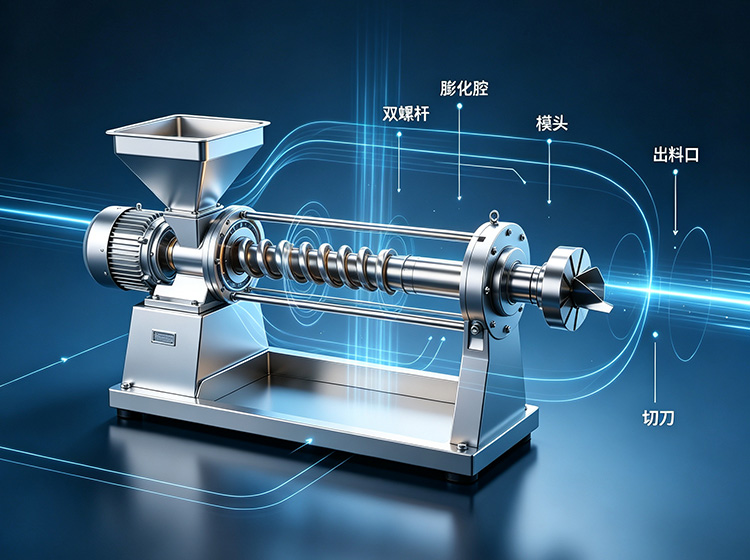
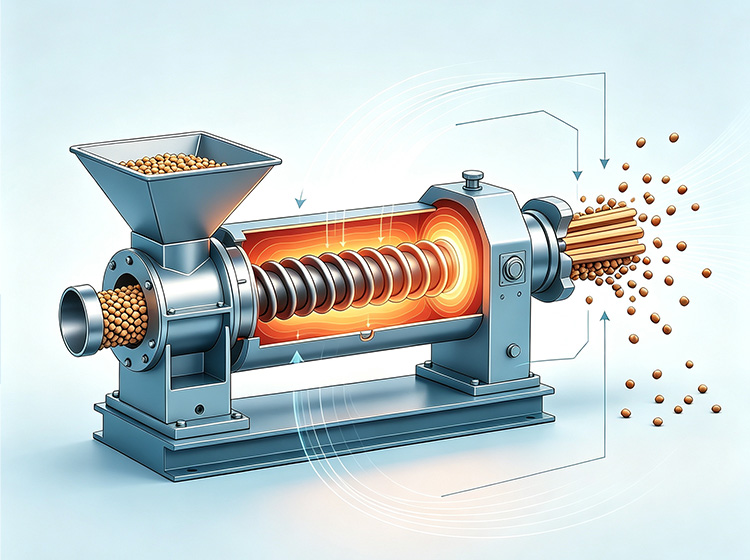
First, it is essential to clarify the product type, raw material state, formulation direction, and expected finished product requirements.For projects involving extrusion, forming, drying, frying, conveying, seasoning, or packaging, the processing capacity and cycle time of each stage must be matched to avoid discrepancies between individual equipment capacity and the overall line requirements.
Secondly, the installation plan should be evaluated in conjunction with the workshop's spatial layout and utility conditions, including power supply, water supply, steam, or gas.Equipment configuration should also take into account long-term operational factors such as cleaning, maintenance, safety protection, spare parts supply, and operator training.Any process or equipment capabilities mentioned in this document are for reference only in the context of solution discussions and preliminary assessments.Specific model numbers, power ratings, production capacities, temperatures, and times shall be subject to the formal technical proposal and the results of trial runs or on-site verification.
Frequently Asked Questions
Can the equipment be determined directly based on the standard configuration?
Not recommended.Different raw materials, product structures, target production capacities, and downstream processes can affect the equipment configuration.It is more prudent to confirm the product and process conditions before proceeding with the configuration assessment.
How to obtain more targeted advice?
It is recommended to prepare product images or sample information, raw material and formulation guidelines, target production capacity, existing workshop conditions, and planned downstream equipment configurations.Dayi Machinery can further discuss the applicable process routes and equipment configuration options based on this.
This article is compiled based on the document "Automated Manufacturing Process of Food Production Lines" provided by Dayi Machinery, with the aim of helping readers understand the relevant topics.For technical requirements related to specific projects, please refer to the actual product documentation and engineering confirmation results.