Food Production Line Cooking System

Published:2026-07-18

Food production line and cooking line involve process, equipment selection, or operation management issues related to food processing and production equipment.The actual solution must be confirmed based on raw material characteristics, target product, production scale, and site conditions—not solely on the parameters of a single piece of equipment.

Core Points of Food Production Lines and Cooking Lines

With the advancement and development of modern society, our lives are gradually keeping pace with the times.Today, with the advancement of high-tech, robots have replaced manual labor in production.Of course, the food industry—an indispensable part of our daily lives—has further expanded, with cooking lines being a key component.The introduction of the food cooking line saves time and labor, improving cooking efficiency.

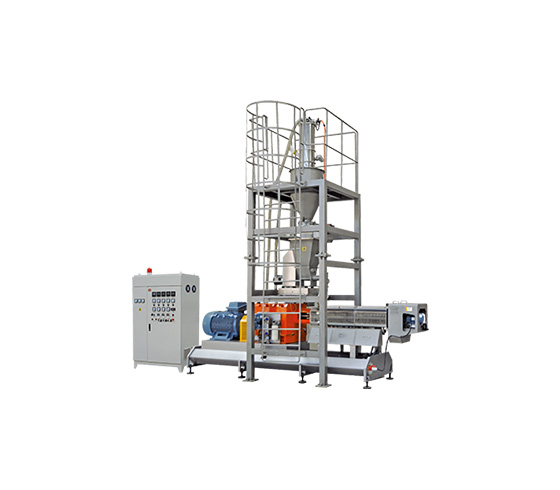
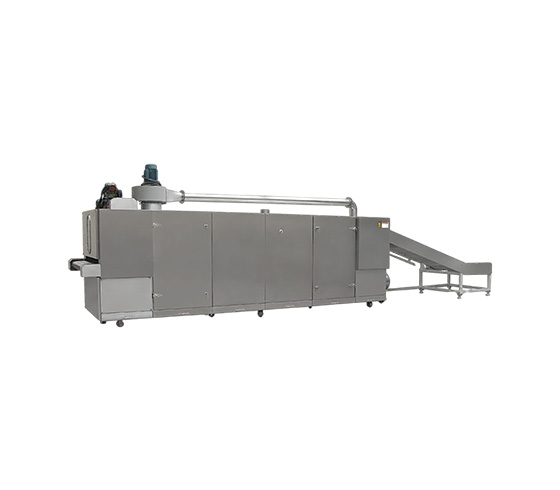
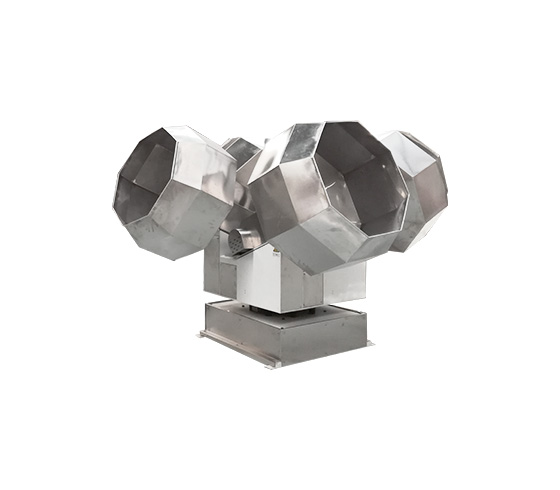
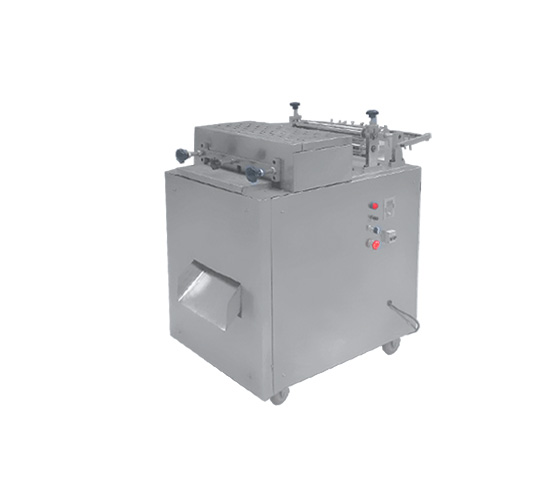
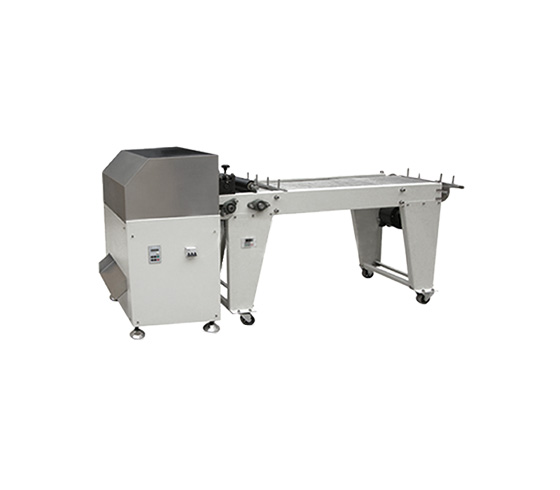
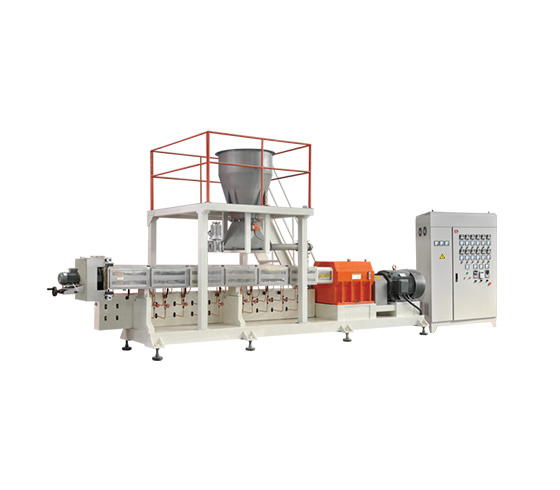
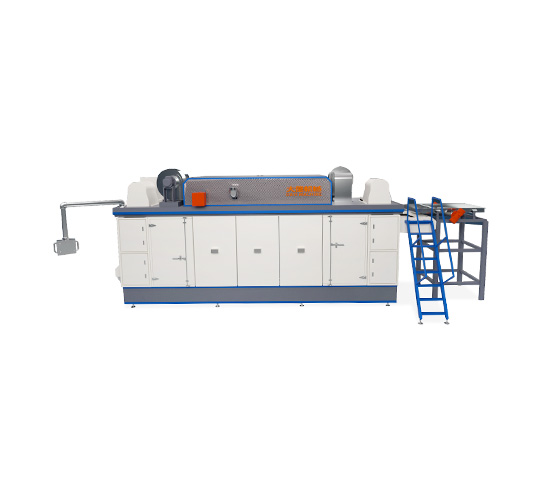
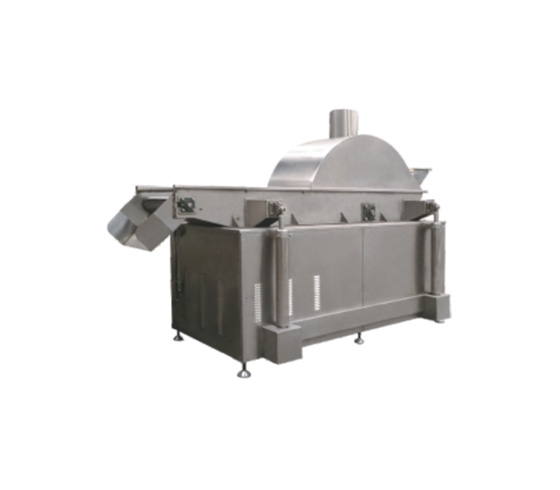
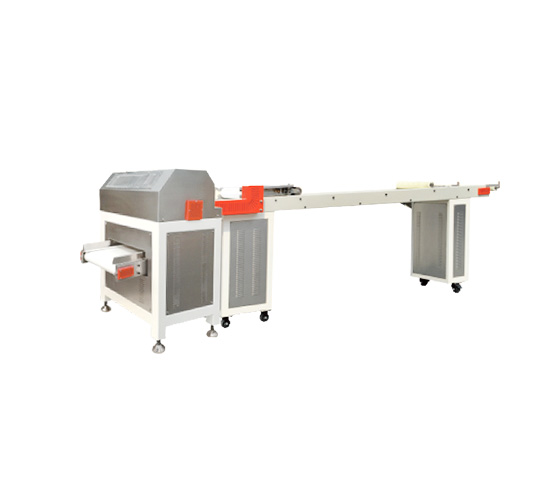
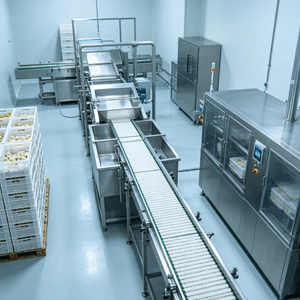
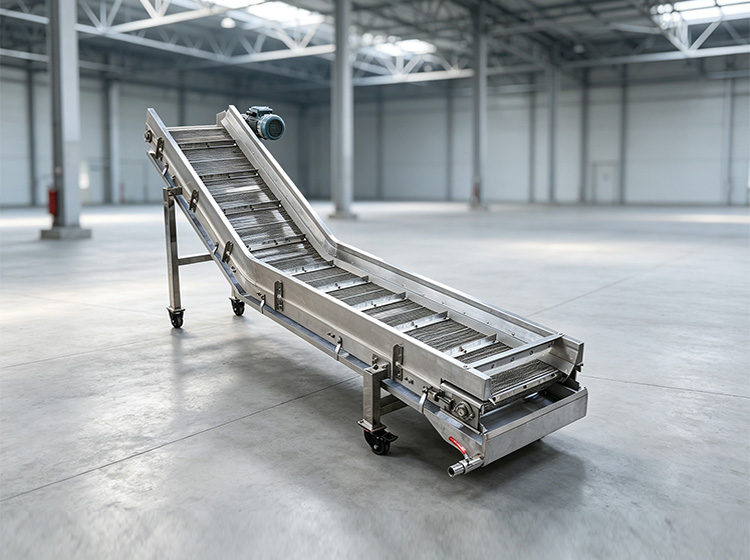
Food cooking line integrates cleaning and cooking functions.During production, operators only need to press the switch and feed the material to automatically complete the entire process, greatly improving work efficiency.This equipment is widely popular in some food processing fields.The food cooking line integrates cleaning and cooking functions, operates at high speed, and delivers ample power.Widely applied in food processing, fresh-cut vegetable processing, and other industries thanks to its energy-saving, reliable, and hassle-free features, it elevates food processing to a new level once again.

This equipment uses electric steam as its energy source and is designed and manufactured in accordance with thermodynamic principles and the processing requirements of various food products, enabling blanching treatment of products of different specifications.Its cleaning time and temperature can be automatically controlled; the blanching process is simple, water-saving, and energy-efficient.The food cooking line is manufactured from high-quality 304 stainless steel, and the cooking temperature and speed can be set according to process requirements.The entire machine operates smoothly, with low noise, minimal flexibility, high resistance to deformation, and easy maintenance.Water temperature is automatically controlled by a thermostat and can be adjusted via frequency conversion speed regulation.

What conditions should be considered during implementation or selection?

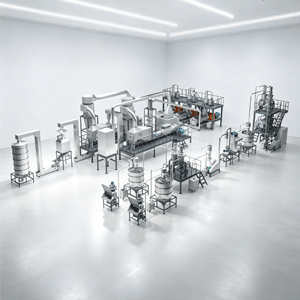
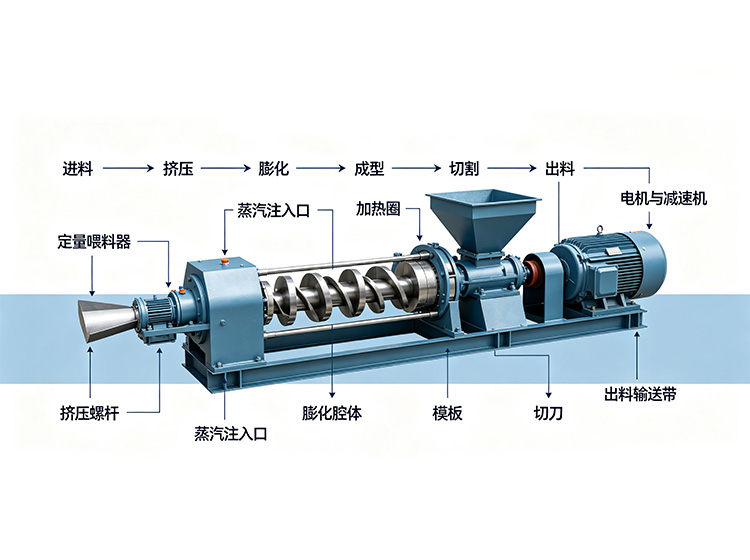
First, the product type, raw material condition, formulation direction, and expected finished product requirements must be clearly defined.For projects involving extrusion, forming, drying, frying, conveying, flavoring, or packaging, the processing capacity and cycle time of each stage must be matched to prevent mismatch between the capacity of individual equipment and the overall line requirements.

Secondly, the installation plan should be evaluated in conjunction with workshop space, power supply, water supply, steam, or gas utility conditions.Long-term usage factors—such as cleaning, maintenance, safety protection, spare parts availability, and operator training—should also be considered when configuring the equipment.Where the text involves processes or equipment capabilities, it is provided for reference only in scheme communication and preliminary assessment.Specific model numbers, power ratings, production capacities, temperatures, and times shall be subject to the official technical proposal and verification results from trial operation or on-site testing.

Frequently Asked Questions

Can the equipment be determined directly based on the standard configuration?

Not recommended.Different raw materials, product structures, target production capacities, and downstream processes affect equipment configurations.It is more prudent to first confirm the product and process conditions, then proceed with configuration evaluation.

How can I obtain more targeted advice?

It is recommended to prepare product images or sample information, raw material and formulation details, target production capacity, existing workshop conditions, and planned downstream equipment configuration.Dayi Machinery can further communicate the applicable process routes and equipment configuration ranges based on this.

This article is compiled based on the “Food Production Line—Cooking Line” documentation provided by Dayi Machinery, aiming to assist readers in understanding the relevant subject.Technical requirements for specific projects shall be subject to the actual product documentation and engineering confirmation results.