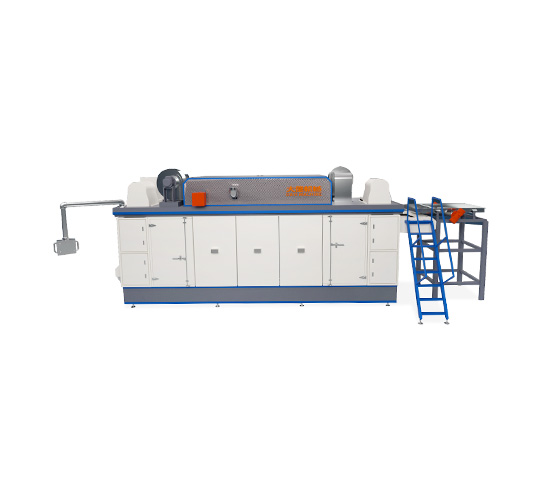
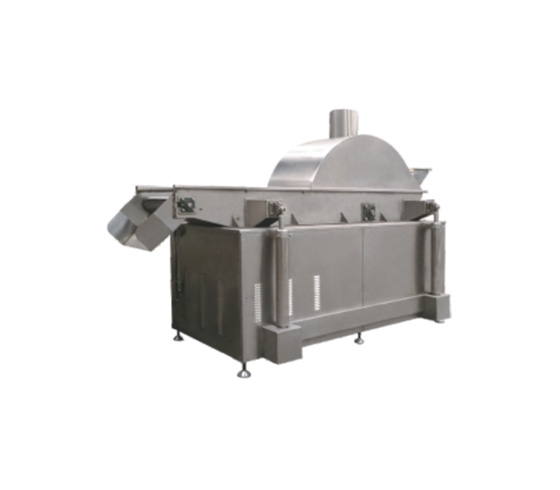
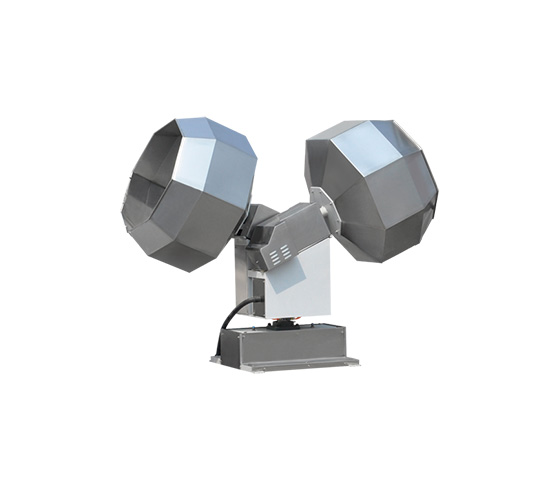
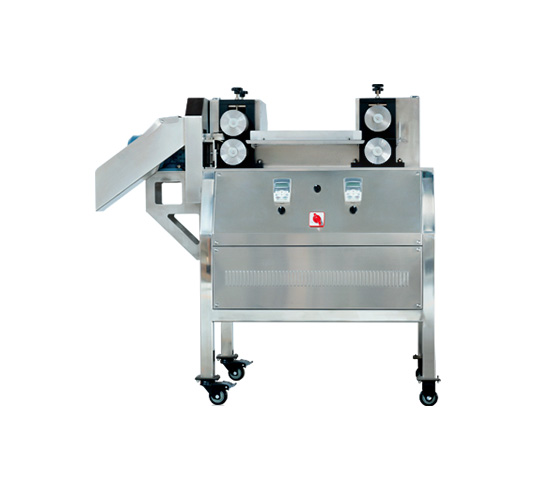
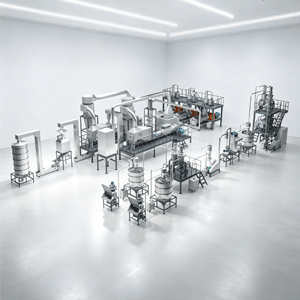
Introduction to the Organized Soy Protein Production Line covers process, equipment selection, and operational management issues related to food processing and production equipment.The actual solution should be confirmed based on raw material characteristics, target product specifications, production scale, and on-site conditions, and should not be determined solely by single equipment parameters.
Key Points of the Introduction to the Organized Soy Protein Production Line
Organized soy protein has a development history of several decades abroad, while its introduction in China began relatively late.As processing technology continues to advance, many people remain unfamiliar with it.The texture and appearance of this product are approaching those of meat, and it is being increasingly accepted by consumers.The continuous improvement of organized soy protein production lines has greatly promoted the development of the industry.The following provides a brief introduction to the organized soy protein production line and its processing characteristics.
Introduction to Organized Soy Protein Production Line Products
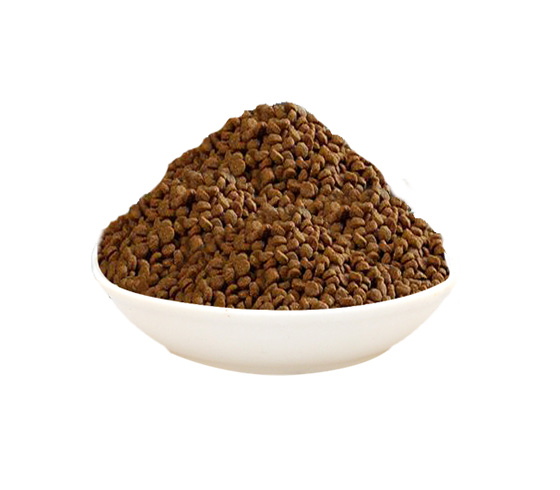
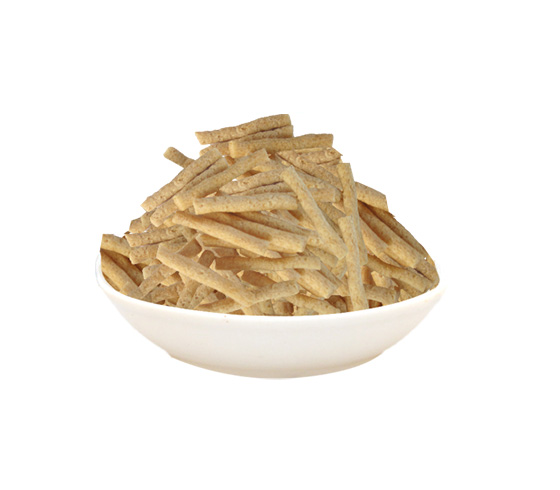
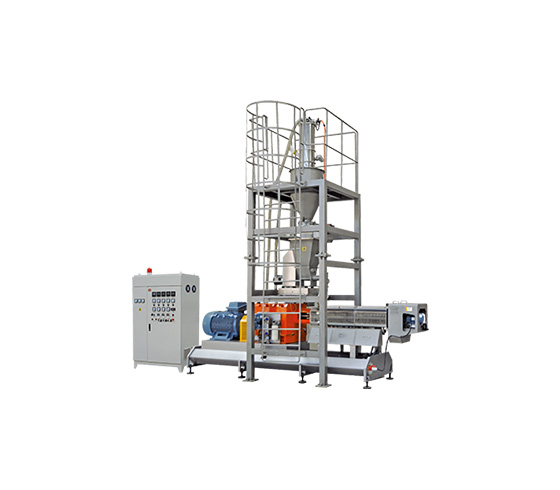
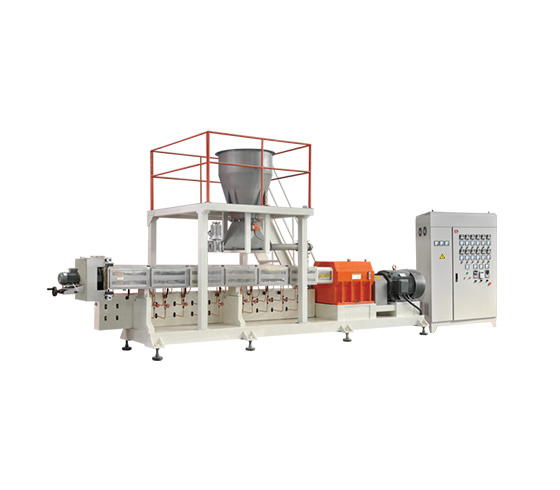
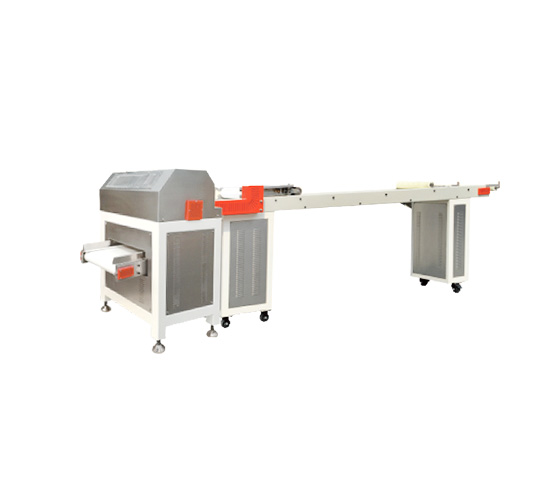
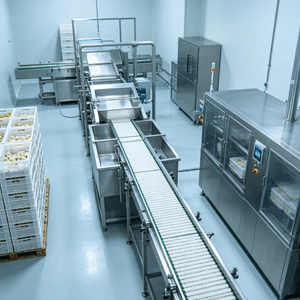
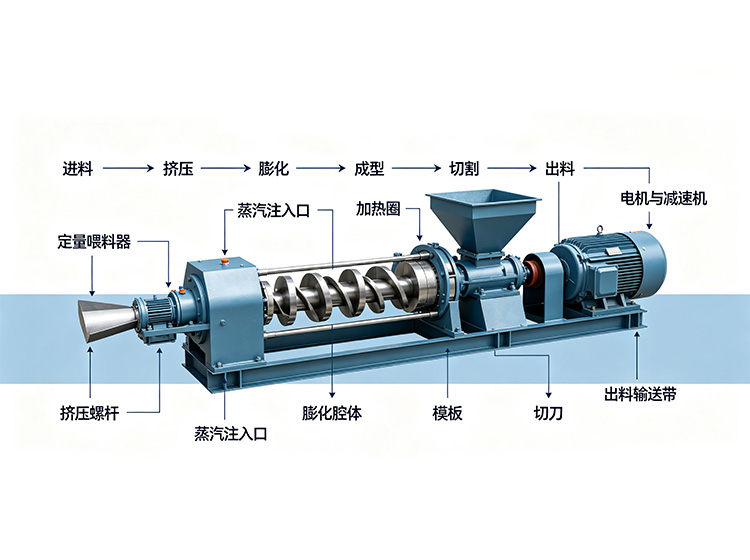
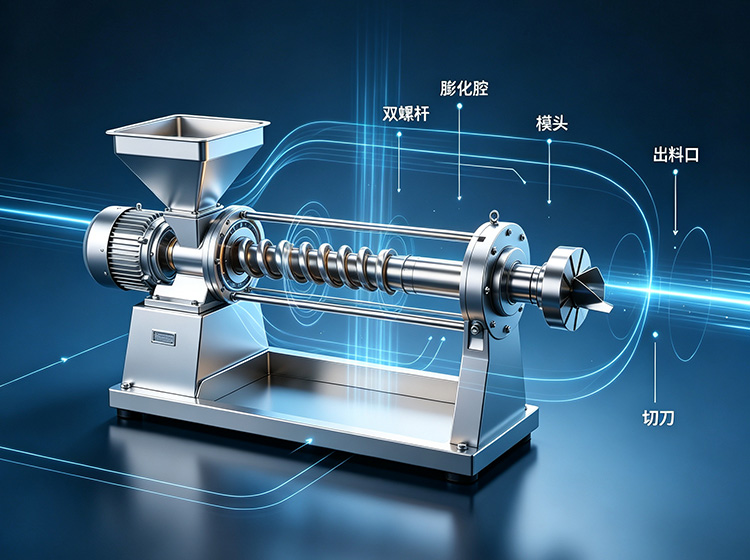
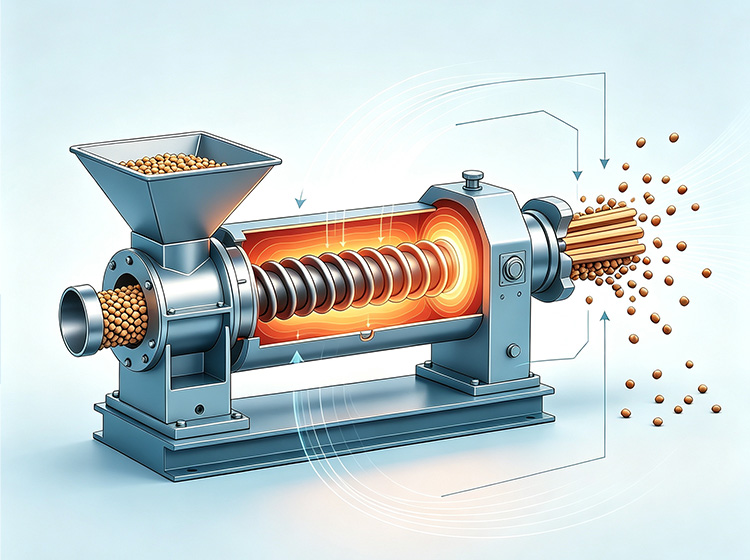
The plant-based textured protein food production line is a high-protein, high-fiber extrusion equipment launched by our company to meet domestic and international market demands, leveraging our years of experience in extrusion puffing technology.Under the impetus of NASA, the material undergoes high temperature, high pressure, and high composite protein action within the barrel.The produced products exhibit a strong meaty texture and high resilience under high-fiber conditions, making them highly favored by manufacturers.
Processing Characteristics of Organized Soy Protein Production Lines
Currently, textured vegetable protein (TVP) from soybeans is primarily produced using defatted soy flour, soy protein concentrate, and soy protein isolate as raw materials, through the combined mechanical and thermal effects of mixing, extrusion, and puffing.It is rich in nutrients and possesses functional properties, with the following characteristics:
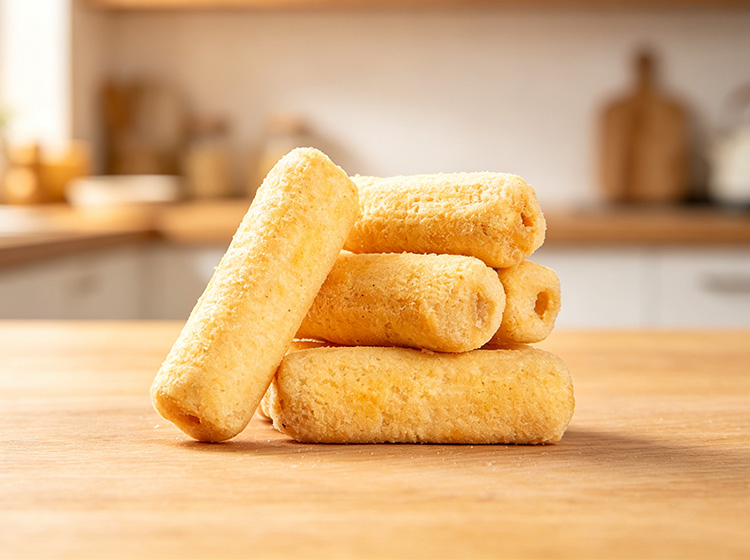
After treatment by the extrusion puffing machine, the protein molecules are arranged in an orderly manner, with a consistent structural orientation, forming a porous structure similar to meat, which exhibits excellent water retention and chewiness.
What is an organized soy protein production line?What are its processing characteristics?
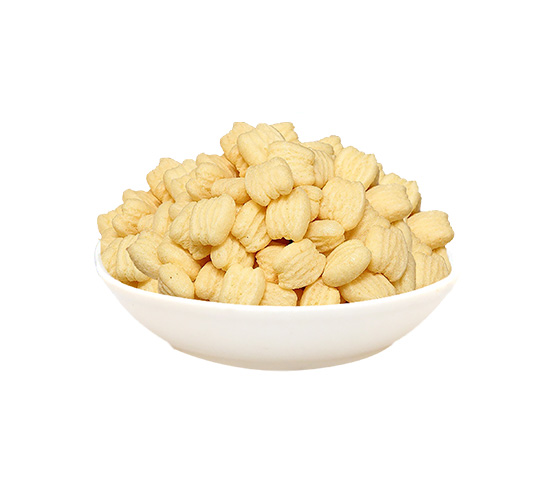
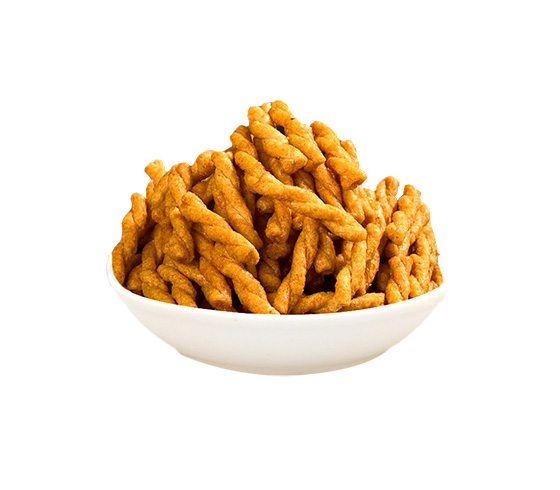
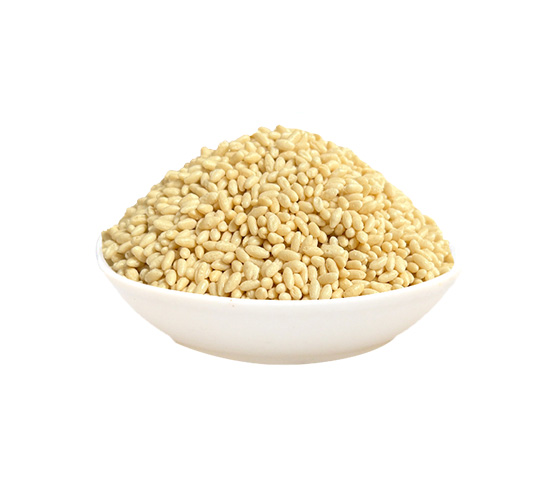
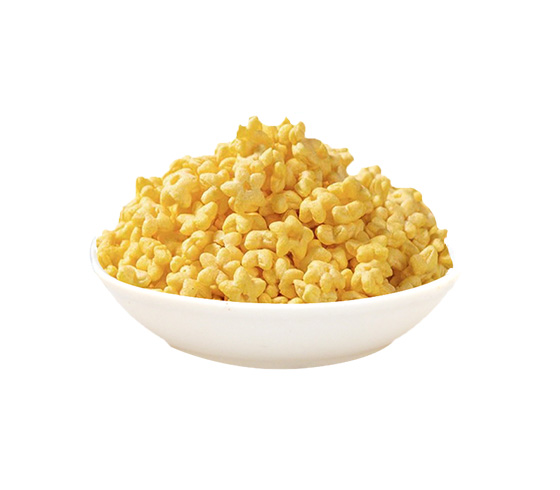
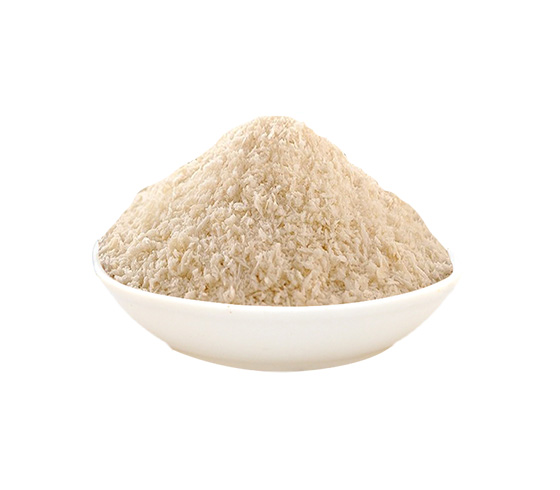
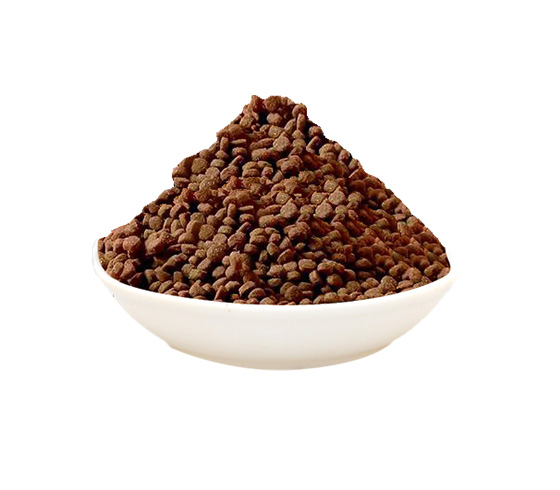
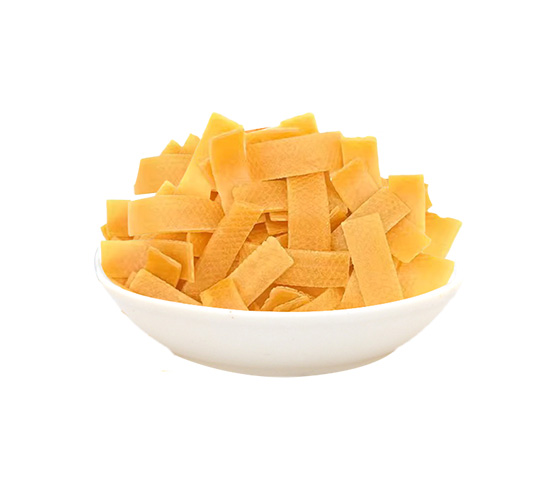
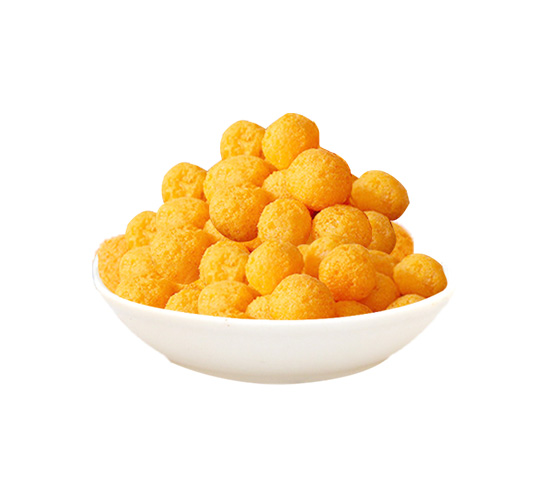
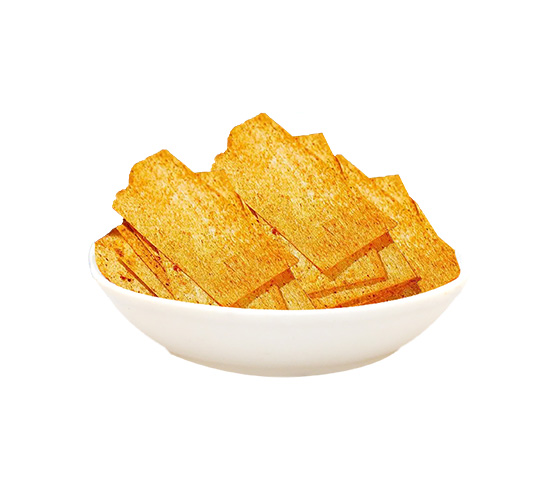
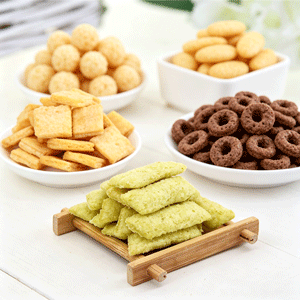
The short-time high-temperature, high-moisture, and high-pressure processing technology effectively removes various harmful substances present in soybeans, such as trypsin inhibitors, urease, saponins, and hemagglutinins, thereby enhancing the body's ability to absorb protein and significantly improving nutritional value.3. The rapid pressure reduction and puffing at the outlet during the extrusion process removes off-flavors from soybeans and reduces flatulence after consuming soy protein.4. Soy protein isolate has excellent water retention and provides a refreshing, non-greasy texture in food products.5. Easy to use: simply soak in water at room temperature for about 30 minutes to rehydrate, making it convenient to incorporate into various food products.6. Soy protein isolate is cholesterol-free, making it safe for individuals with cardiovascular diseases to consume.7. Soy protein isolate is an ideal plant-based protein source, containing all eight essential amino acids for humans (leucine, isoleucine, lysine, methionine, threonine, tryptophan, phenylalanine, and valine).8. Soy protein isolate exhibits diverse morphologies, including flakes, chunks, and granules;Colors range from natural to red, offering a wide variety of options and broad application scope.
As living standards improve, the demand for food continues to grow.Organized soy protein, as a widely popular ingredient for snack foods, offers broad prospects and is an excellent choice.The deep-processing production of organized soy protein is also poised for significant growth.The above is an introduction to the organized soy protein production line. We hope it will be helpful to everyone.
What conditions should be considered during implementation or selection?
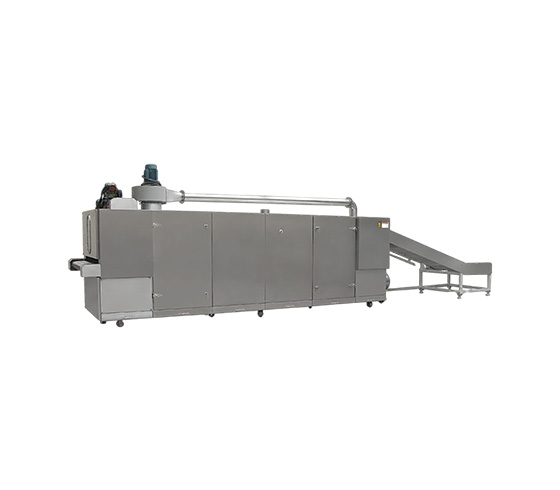
First, it is essential to clarify the product type, raw material state, formulation direction, and expected finished product requirements.For projects involving extrusion, forming, drying, frying, conveying, seasoning, or packaging, the processing capacity and cycle time of each stage must be matched to avoid discrepancies between individual equipment capacity and the overall line requirements.
Secondly, the installation plan should be evaluated in conjunction with the workshop's spatial layout and utility conditions, including power supply, water supply, steam, or gas.Equipment configuration should also take into account long-term operational factors such as cleaning, maintenance, safety protection, spare parts supply, and operator training.Any process or equipment capabilities mentioned in this document are for reference only in the context of solution discussions and preliminary assessments.Specific model numbers, power ratings, production capacities, temperatures, and times shall be subject to the formal technical proposal and the results of trial runs or on-site verification.
Frequently Asked Questions
Can the equipment be determined directly based on the standard configuration?
Not recommended.Different raw materials, product structures, target production capacities, and downstream processes can affect the equipment configuration.It is more prudent to confirm the product and process conditions before proceeding with the configuration assessment.
How to obtain more targeted advice?
It is recommended to prepare product images or sample information, raw material and formulation guidelines, target production capacity, existing workshop conditions, and planned downstream equipment configurations.Dayi Machinery can further discuss the applicable process routes and equipment configuration options based on this.
This article is compiled based on the "Introduction to Organized Soy Protein Production Line" provided by Dayi Machinery, with the aim of helping readers understand the relevant topics.For technical requirements related to specific projects, please refer to the actual product documentation and engineering confirmation results.