Guide to Selecting Textured Soy Protein Production Lines

Published:2026-07-18

Soy Protein Texturization Production Line Selection Guide addresses process, equipment selection, or operational management issues related to food processing and production equipment. Actual solutions must be confirmed based on raw material characteristics, target products, production scale, and site conditions—not solely on individual equipment parameters.

Core Points of the Textured Soy Protein Production Line Selection Guide

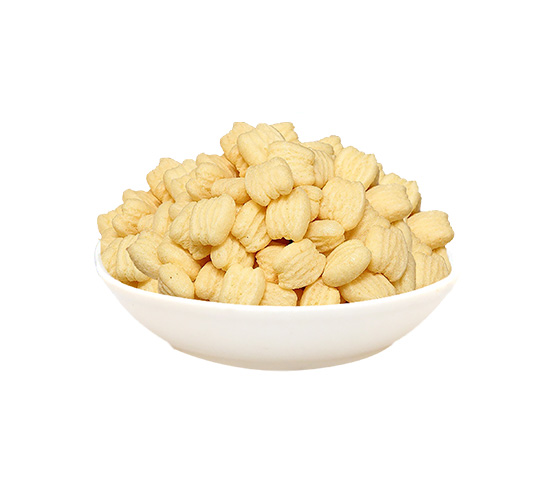
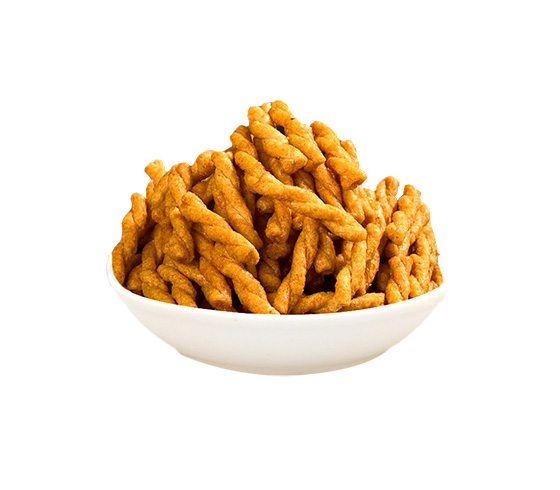
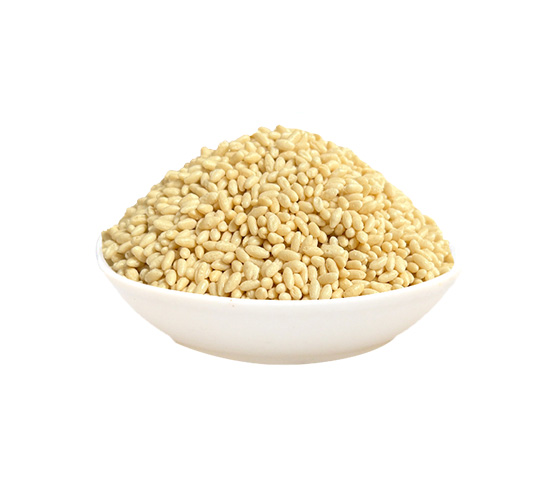
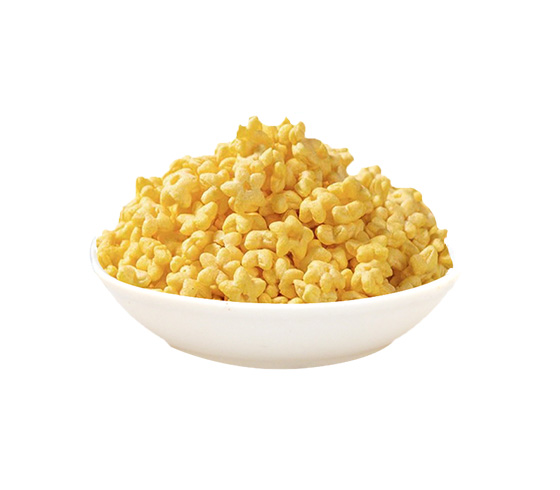
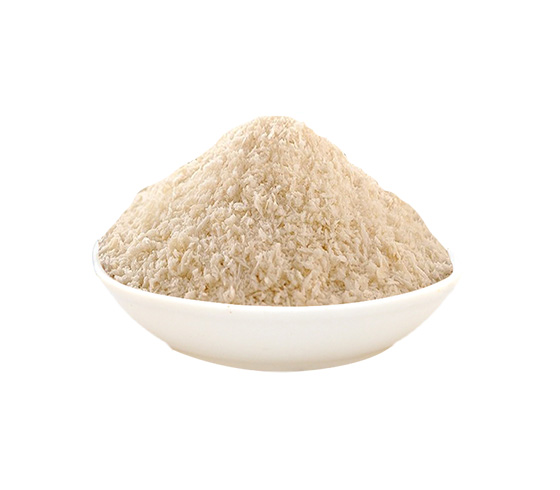
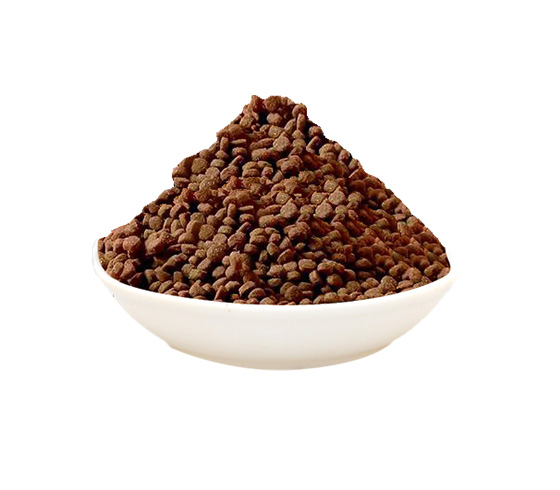
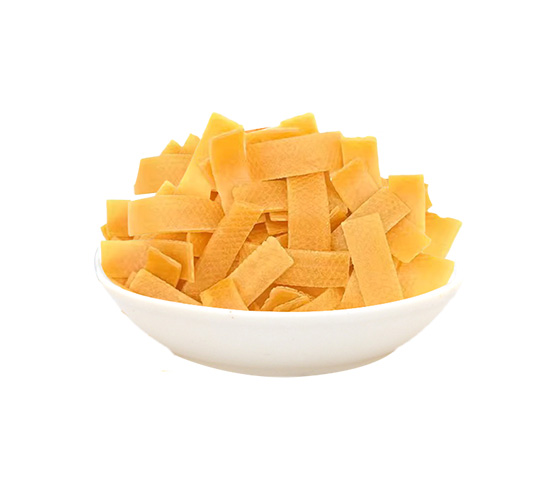
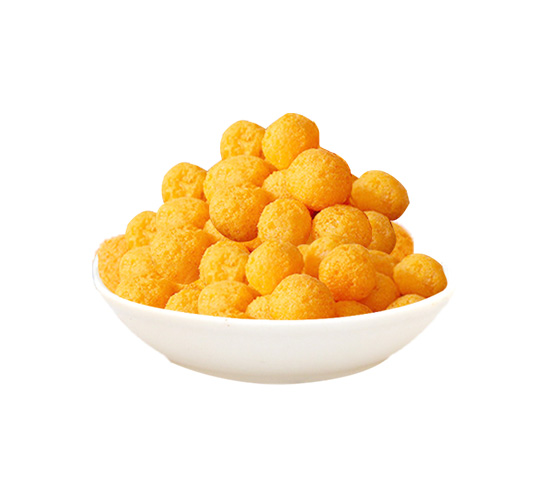
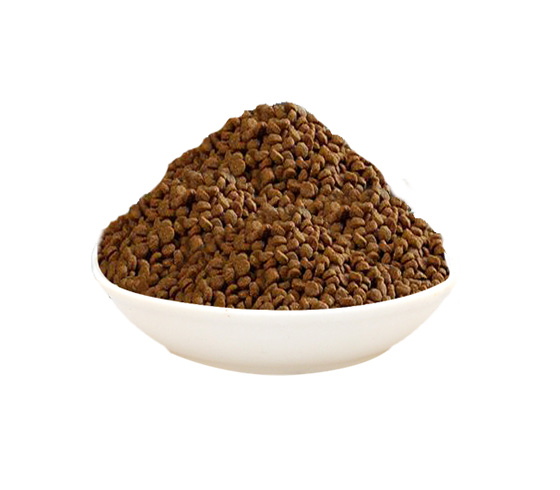
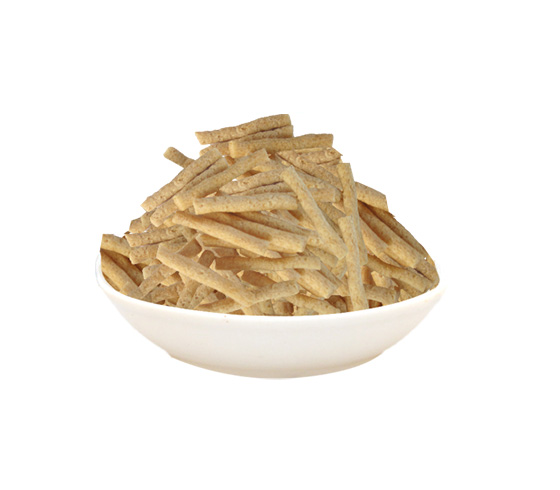
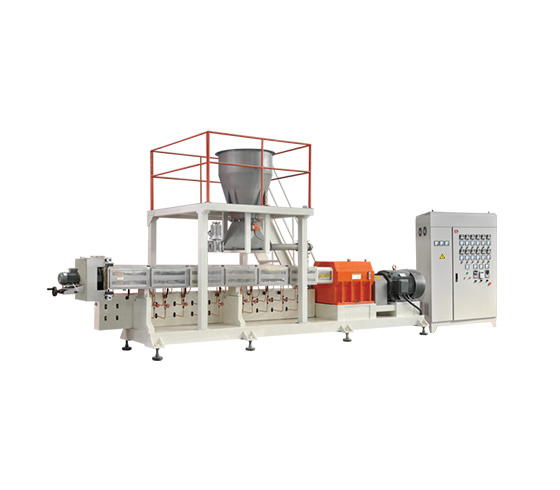
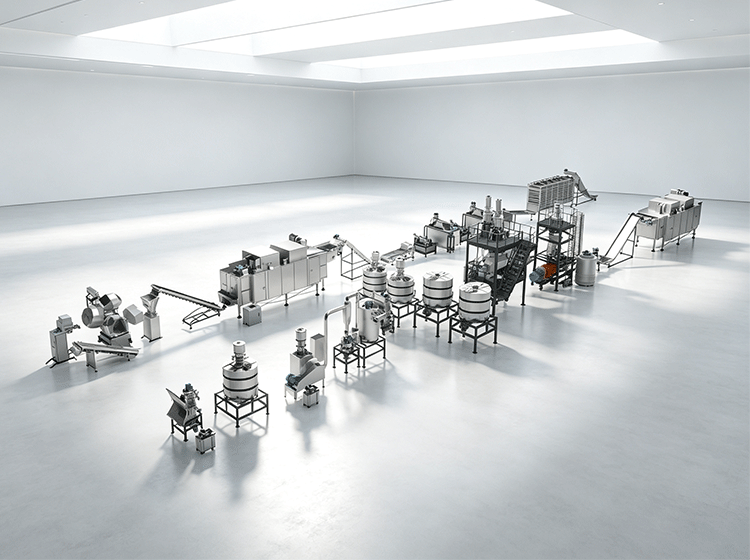
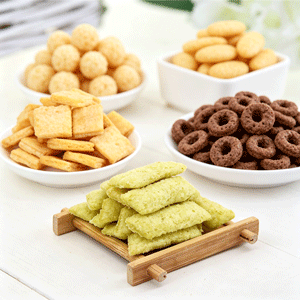
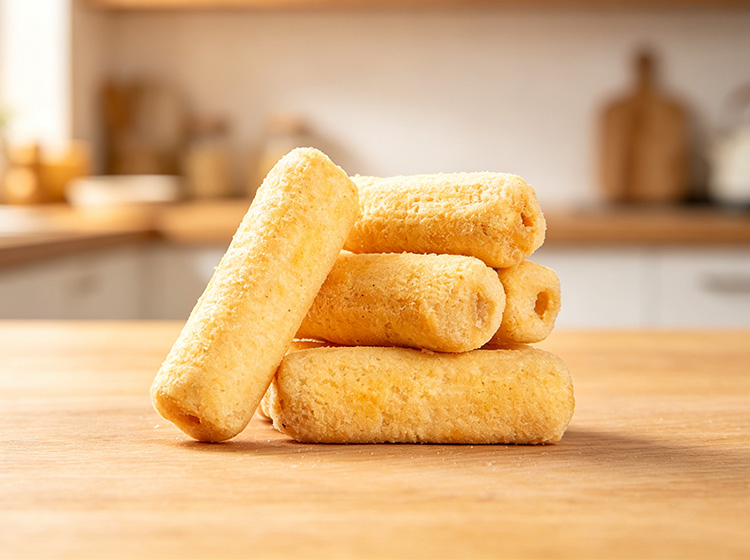
The textured soy protein production line uses low-temperature soybean meal, peanut meal, and other primary raw materials to produce textured protein, imitation meat, and other food products with specific strength and toughness. Product shapes include cylindrical, block, sheet, filament, and granular forms, widely applied in canned foods, seasonings, ham, and meat products.

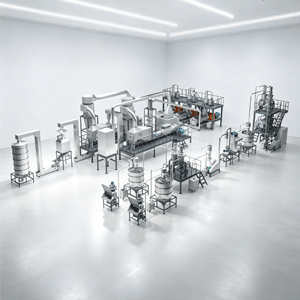
Subject: Selection Guide for Textured Soy Protein Production Lines; Process Flow of Textured Soy Protein Production Lines: Mixer: Thoroughly and uniformly mixes raw materials required for production with a specified amount of water.

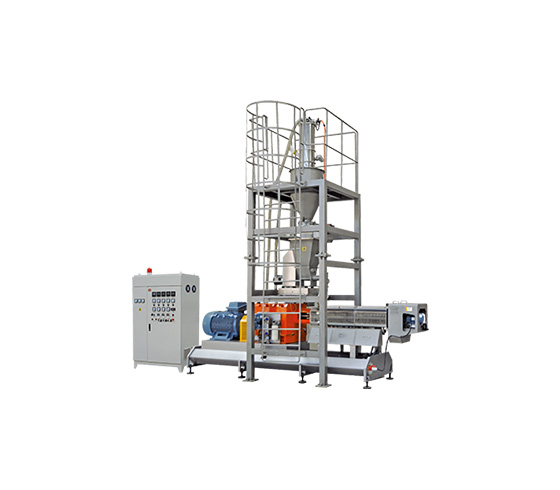
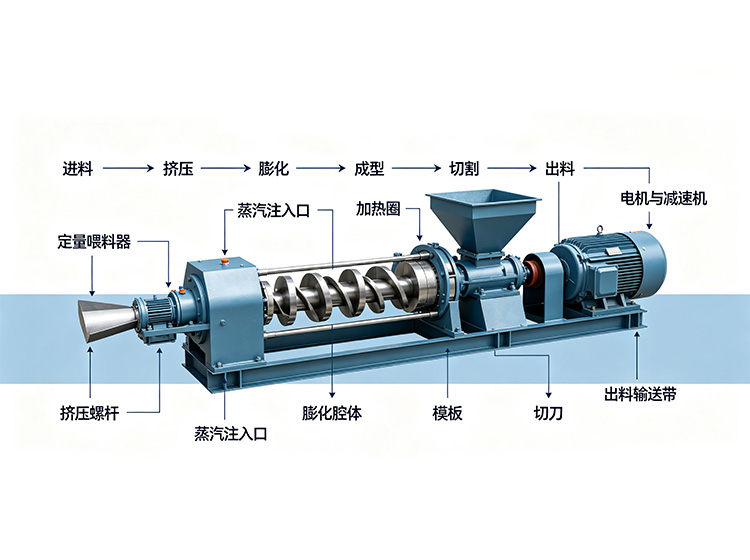
Subject: Selection Guide for Textured Soy Protein Production Lines; Textured Soy Protein Production Line Process Flow: Screw Feeder: Conveys the mixed raw material to the extrusion expander; the screw conveying process also provides secondary mixing, ensuring uniform and stable feeding.

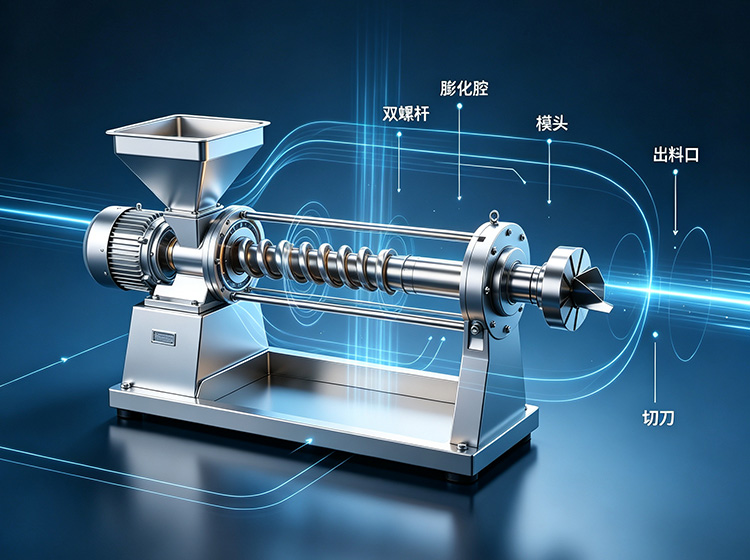
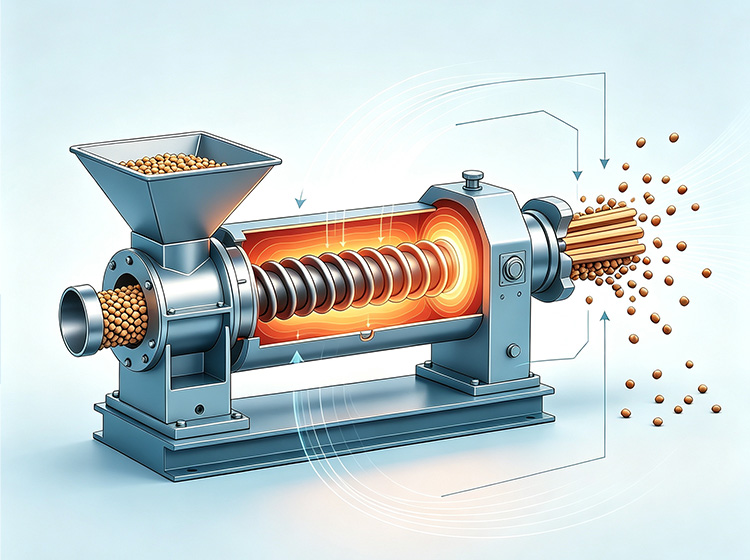
Subject: Selection Guide for Textured Soy Protein Production Lines; Textured Soy Protein Production Line Process Flow: Twin-Screw Main Extruder: Performs extrusion and puffing on input raw materials. This production line is equipped with twin-screw main extruders in multiple specifications, selectable according to actual production conditions.

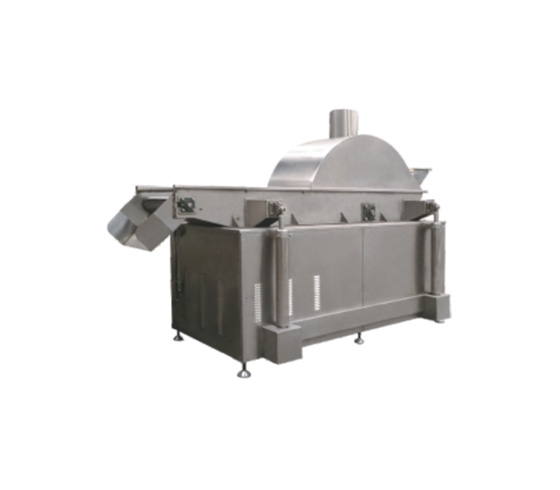
Subject: Selection Guide for Textured Soy Protein Production Lines; Textured Soy Protein Production Line Process Flow: Blower—transports the extruded product from the extruder into the oven; blower height is freely adjustable according to oven height. The oven offers multiple capacity options.

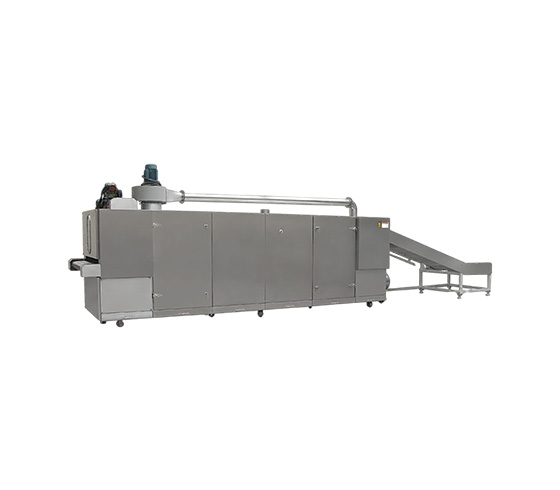
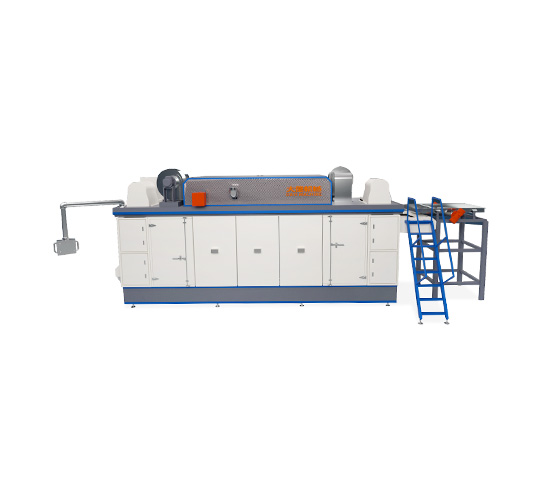
Subject: Selection Guide for Textured Soy Protein Production Lines; Textured Soy Protein Production Line Process Flow: Five-layer Electric Oven: Bakes the conveyed product to remove internal moisture, facilitating storage.

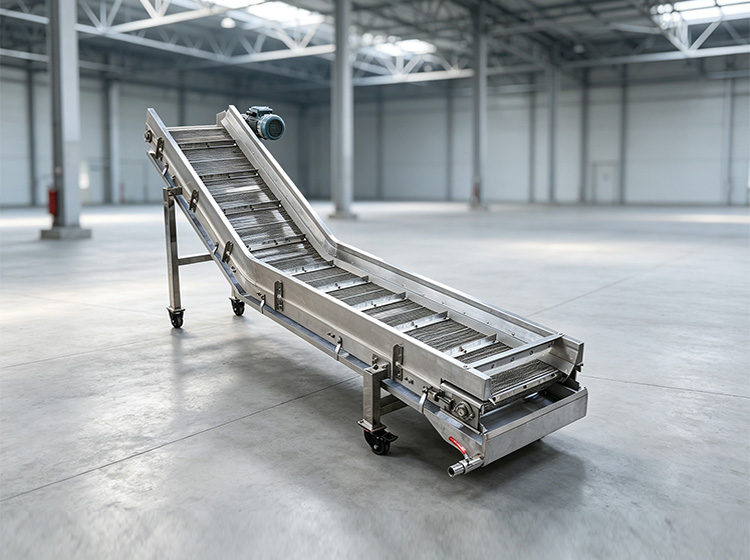
Subject: Selection Guide for Textured Soy Protein Production Lines; Process Flow of Textured Soy Protein Production Lines: Cooling Conveyor—Conveys the baked product during cooling and prepares it for packaging.

Subject: Selection Guide for Textured Soy Protein Production Lines; Main Equipment Parameters of Textured Soy Protein Production Lines: Model: SLG70-C; Installed Capacity: 5 kW; Power Consumption: 45 kW; Output Capacity: 300–500 kg/h; Overall Dimensions: 2073×2150×3070 mm; Model: SLG85-A; Installed Capacity: 13 kW; Power Consumption: 110 kW; Output Capacity: 400–500 kg/h; Overall Dimensions: 24000×3000×5300 mm; Model: SLG72; Installed Capacity: 304 kW; Power Consumption: 210 kW; Output Capacity: 250–300 kg/h; Overall Dimensions: 60260×6500×6497 mm

What conditions should be considered during implementation or selection?

First, the product type, raw material condition, formulation direction, and expected finished product requirements must be clearly defined. For projects involving extrusion, forming, drying, frying, conveying, flavoring, or packaging, the processing capacity and cycle time of each stage must be matched to avoid inconsistencies between the capacity of individual equipment and the overall line requirements.

Secondly, the installation plan should be evaluated in conjunction with workshop space, power supply, water supply, steam or gas utility conditions. Equipment configuration should also consider long-term usage factors such as cleaning, maintenance, safety protection, spare parts availability, and operator training. Where process parameters or equipment capabilities are mentioned in this document, they serve only as reference for preliminary discussion and initial assessment; specific model numbers, power ratings, production capacities, temperatures, and time settings shall be determined based on the formal technical proposal and confirmed through machine testing or on-site verification.

Frequently Asked Questions

Can the equipment be finalized directly based on the standard configuration?

Not recommended. Different raw materials, product structures, target production capacities, and downstream processes affect equipment configuration. It is more reliable to first confirm the product and process conditions, then conduct a configuration assessment.

How can I obtain more targeted advice?

We recommend preparing product images or sample information, raw material and formulation details, target production capacity, existing workshop conditions, and planned downstream equipment configuration. Based on this information, Dayi Machinery can further discuss suitable process routes and equipment configuration options.

This article is compiled based on Dayi Machinery’s “Selection Guide for Textured Soy Protein Production Lines” and aims to help readers understand the relevant topics; for specific project technical requirements, refer to the actual product documentation and engineering confirmation results.