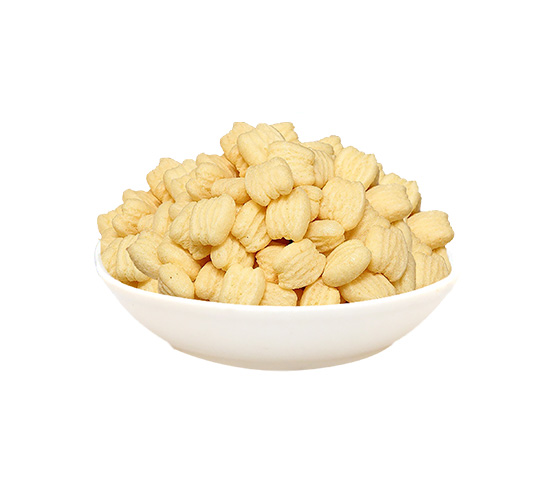
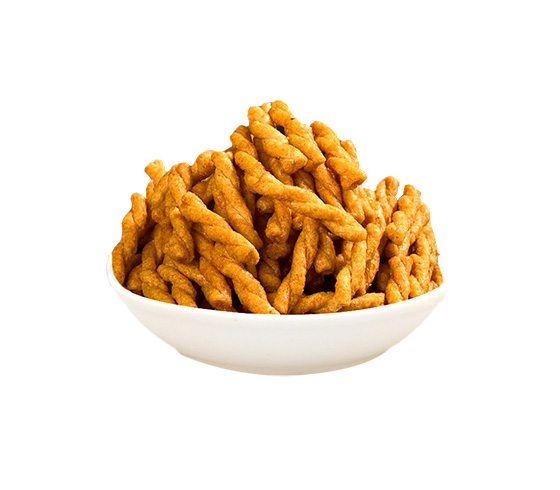
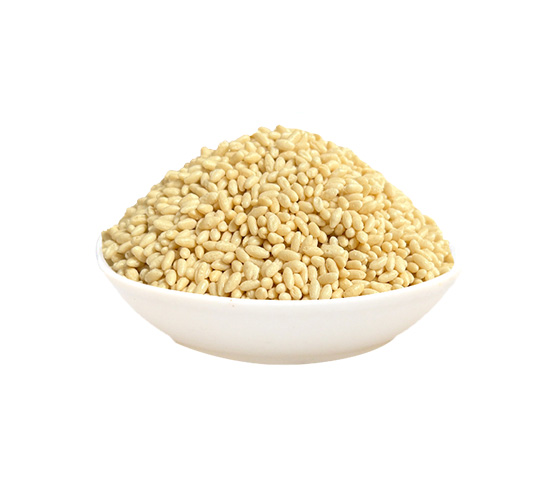
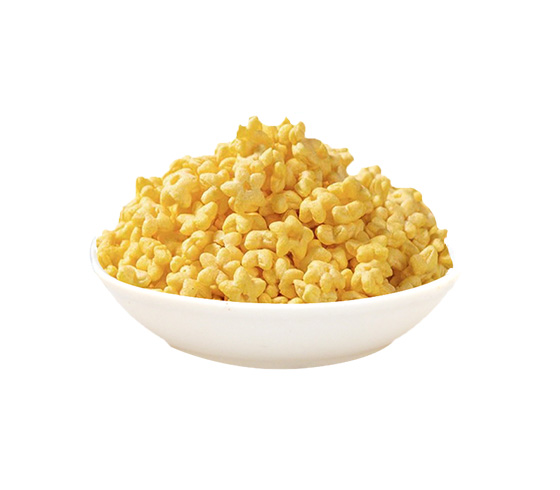
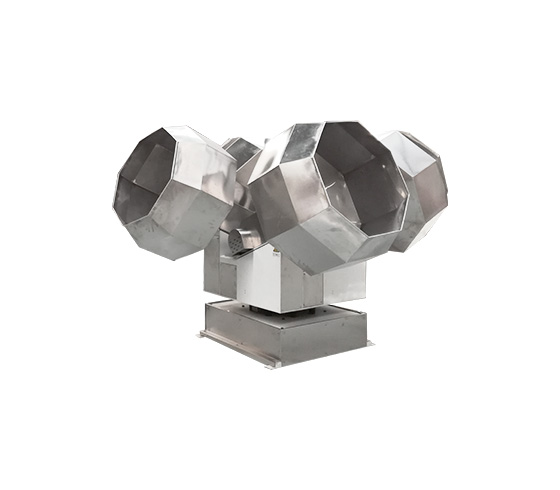
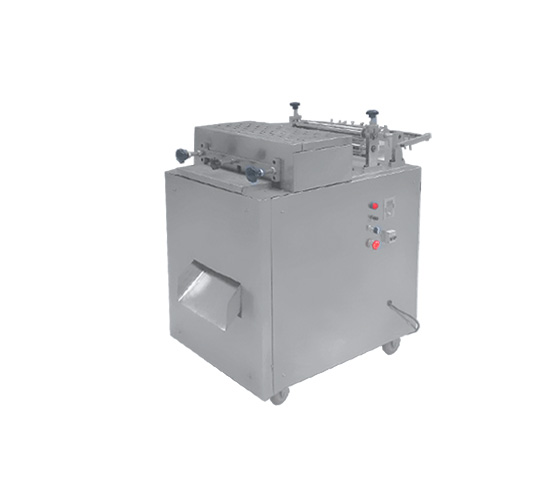
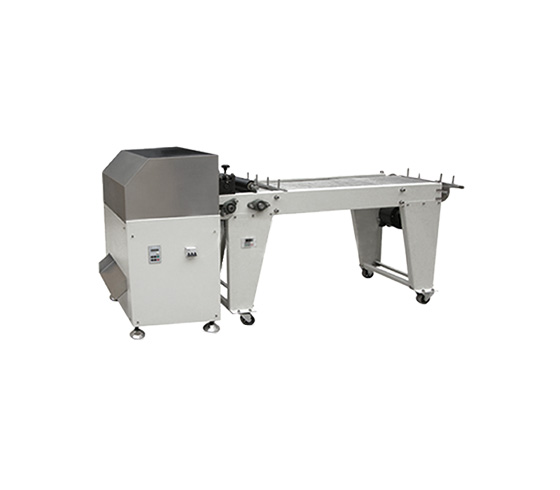
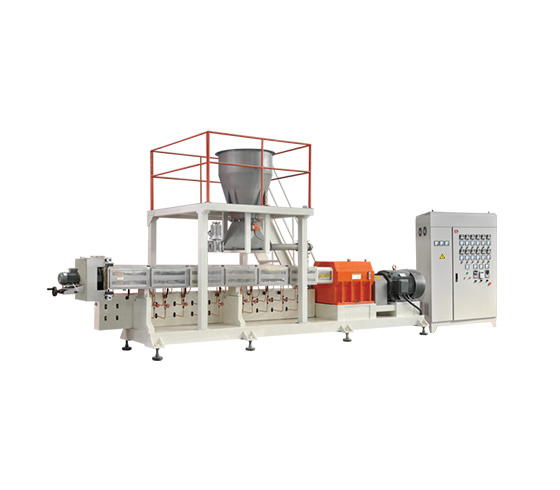
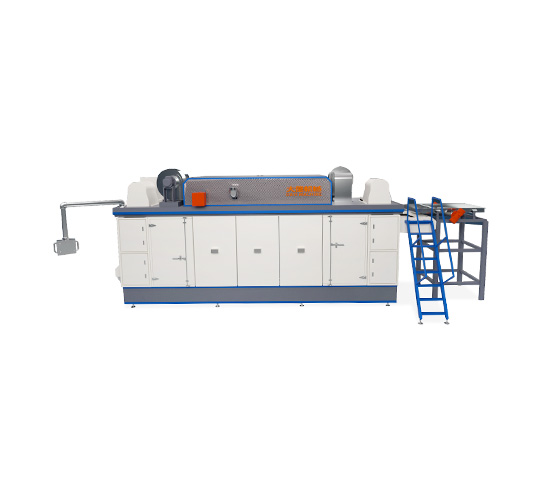
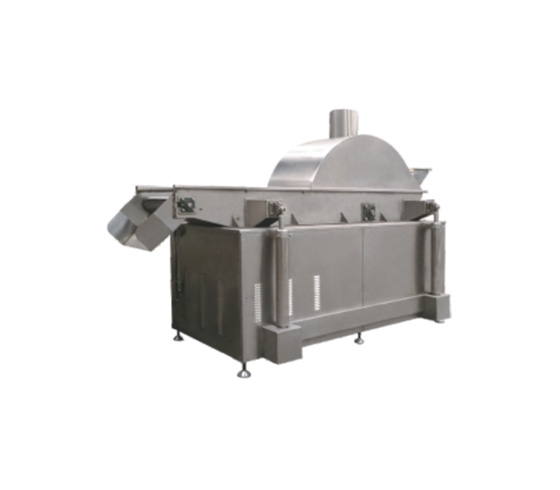
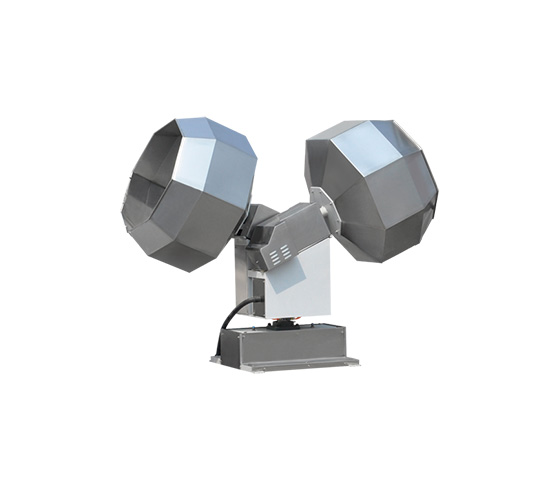
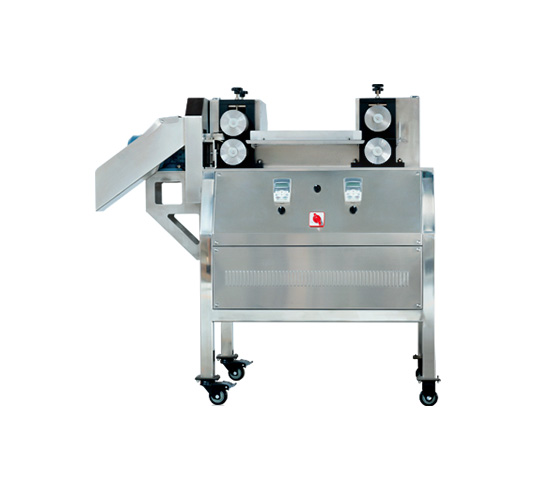
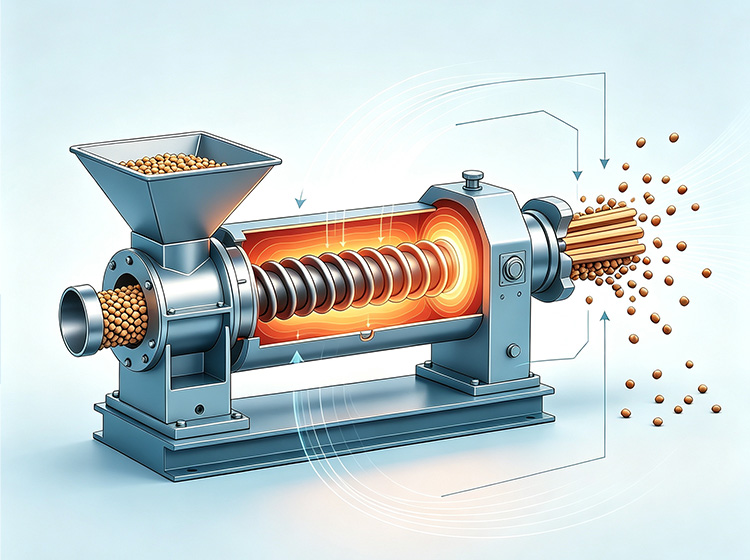
The production process for puffed snack foods involves issues related to the technology, equipment selection, and operational management of food processing and production equipment.The actual solution should be confirmed based on raw material characteristics, target product specifications, production scale, and on-site conditions, and should not be determined solely by single equipment parameters.
Key Points of the Production Process for Puffed Snack Foods
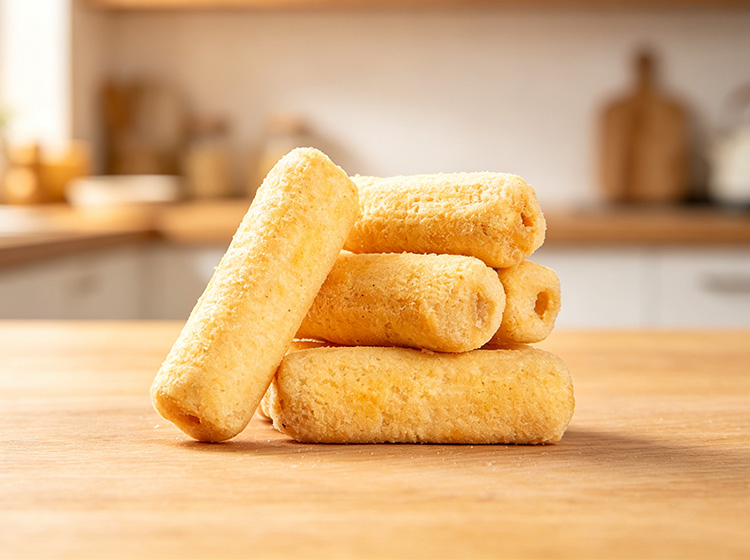
Subject: Production Process for Puffed Snack Foods;Types and Principles of Puffed Foods: Puffed foods, also known as extruded foods, popped foods, or light foods in foreign countries, are a new type of food that has developed internationally in recent years.It uses grains, beans, tubers, vegetables, and other raw materials as ingredients, and is processed through extrusion equipment. The products feature exquisite appearance, rich nutrition, crisp and delicious taste, and a wide variety of options.As a result, a distinct category of food systems has been uniquely established.
Subject: Production Process for Puffed Snack Foods;Types and Principles of Extruded Snacks: Due to the simple structure, easy operation, low investment, and rapid return on investment of the equipment used to produce these extruded snacks, the industry has developed extremely rapidly, demonstrating strong vitality.
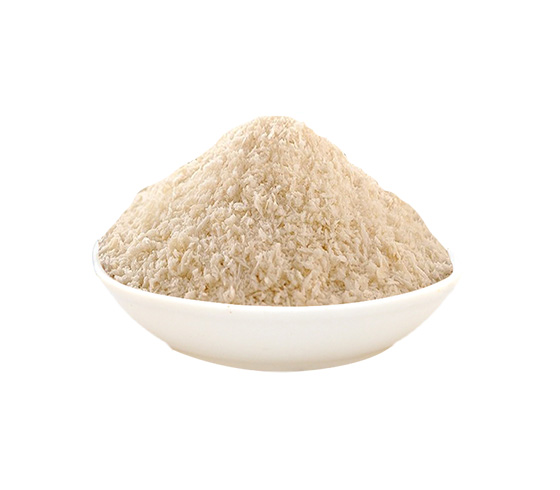
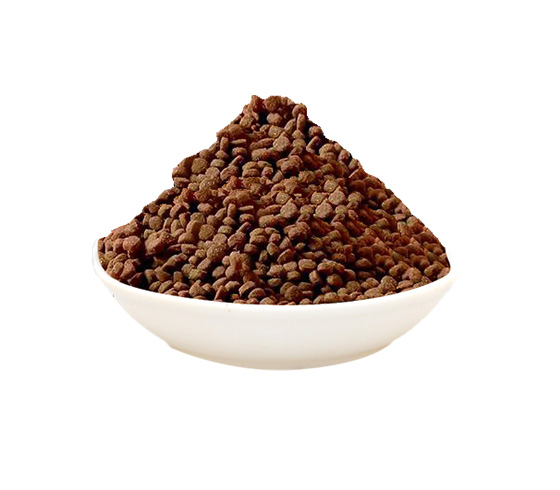
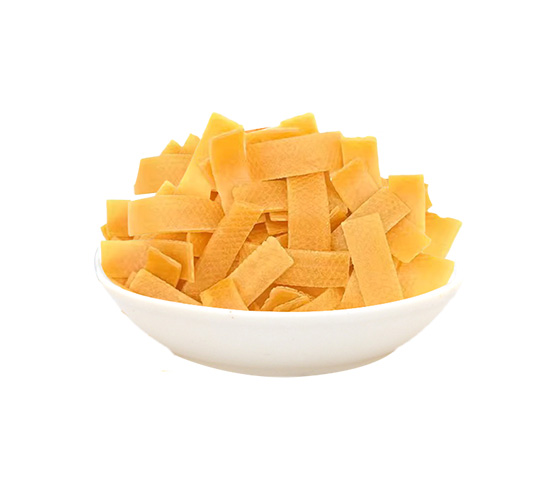
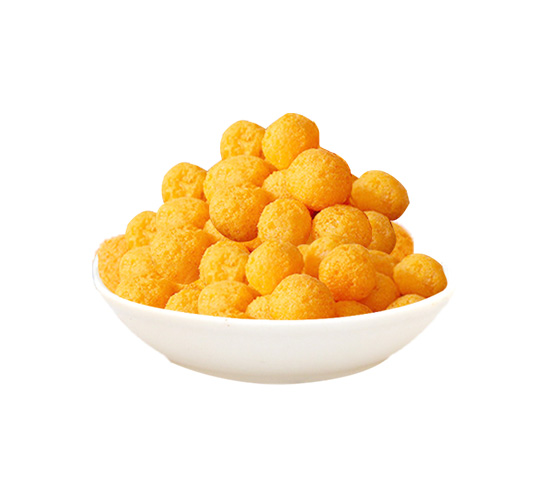
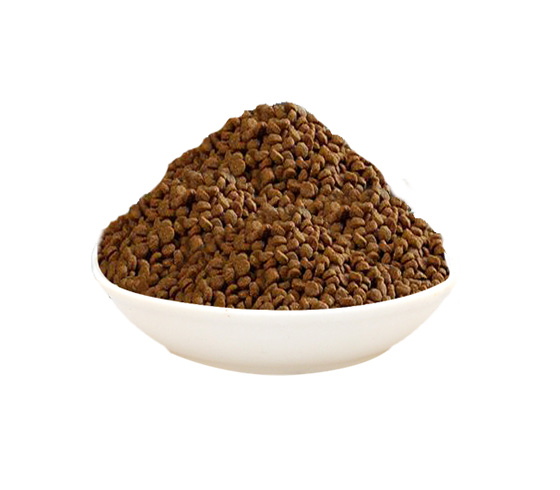
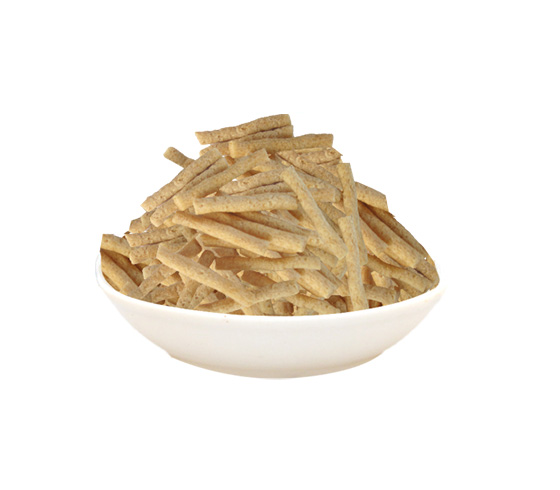
Subject: Production Process for Puffed Snack Foods;Types and Principles of Puffed Foods: Based on their applications and the Jinan Linyang puffed food machinery, puffed foods are mainly divided into the following three categories: the first category consists of snacks produced using extrusion puffing machines with corn and potatoes as raw materials;Second, plant protein-based textured protein foods (meat analogs) produced using extruders;Third, it refers to staple foods made from grains, legumes, or tubers, which are processed through extrusion.In addition to the trial production of indirect-heated extrusion puffing machines, various puffed food products were also developed using refined grain puffing powder.
Subject: Production Process for Puffed Snack Foods;Categories: Staple foods: biscuits, bread, steamed buns, pancakes, etc.2. Camellia oil products: Puffed tea noodles.3. Military rations: compressed biscuits.4. Pastry products: peachCrispy,FurnaceFruit, eight-piece pastries, flaky pastries, mooncakes, stamped cakes, egg rolls, etc.5. Snack category: rice puffs, cold cake, etc.6. Cold food items: fillings for ice cream bars and popsicles.
Subject: Production Process for Puffed Snack Foods;Categories: Among the aforementioned food products, some varieties, such as puffed millet tea, printed rice cakes, and compressed biscuits, are entirely made from puffed coarse grains.Additionally, certain varieties are blended with a specific proportion of expanded coarse grains.
Subject: Production Process for Puffed Snack Foods;Types: Although puffing technology is a physical processing technique, it has its own characteristics.Extrusion not only alters the shape and state of raw materials but also modifies their molecular structure and properties, leading to the formation of new substances.
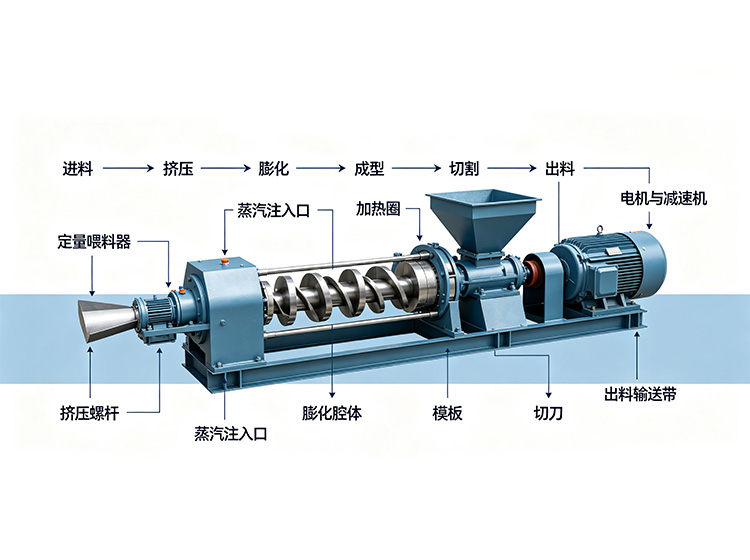
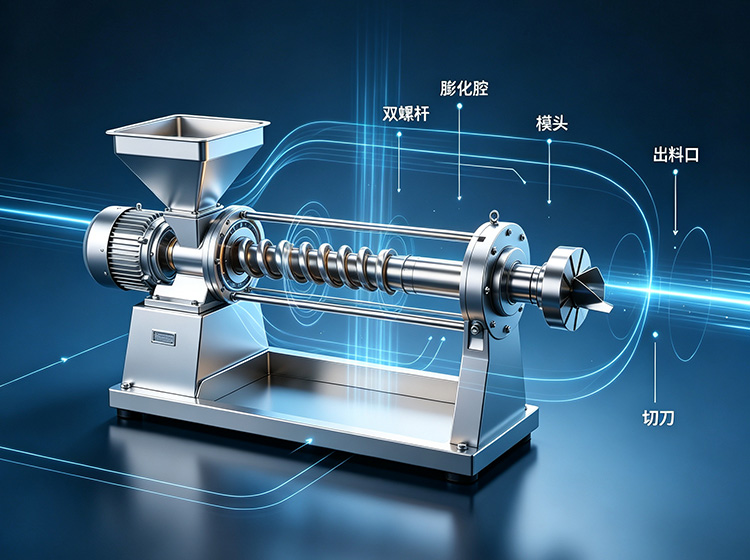
Subject: Production Process for Puffed Snack Foods;Principle: When grains are placed in an extrusion puffing machine, as heating and pressurization proceed, the moisture within the grains becomes superheated, and the grain kernels themselves become soft.When a certain high pressure is reached and the extruder cover is opened, the high pressure is rapidly released. At this point, the superheated moisture within the grains instantly vaporizes and undergoes a violent explosion, with the volume of water molecules expanding by approximately 2000 times.The molecular structure within the grains is disrupted, and insoluble long-chain starch is broken down into water-soluble short-chain starch, dextrins, and sugars, thereby reducing the insoluble components and increasing the water-soluble components in the puffed food.
Subject: Production Process for Puffed Snack Foods;Principle: See the table below for the changes in water-soluble extracts in foods before and after extrusion (%).
Subject: Production Process for Puffed Snack Foods;Principle: Corn: Before extrusion;Sorghum: Before Extrusion
Subject: Production Process for Puffed Snack Foods;Principle: Corn: 35;Sorghum: 3
Subject: Production Process for Puffed Snack Foods;Principle: Corn: 36;Sorghum: 86
Subject: Production Process for Puffed Snack Foods;Principle: Corn: 76;Sorghum: 24
Subject: Production Process for Puffed Snack Foods;Principle: Corn: 76;Sorghum: 63
Subject: Production Process for Puffed Snack Foods;Principle: After extrusion, in addition to an increase in water-soluble substances, a portion of the starch is converted into dextrins and sugars.The extrusion process alters the physical state and properties of raw materials and generates new substances, meaning that the chemical properties of the product are changed through this physical extrusion method.This phenomenon presents new challenges for theoretical research in food processing.
Subject: Production Process for Puffed Snack Foods;Principle: The process of breaking down starch into dextrins and sugars in food typically occurs in the human digestive system. When food is ingested into the mouth, salivary amylase catalyzes the cleavage of starch into dextrins and maltose, which are ultimately converted into glucose and absorbed by the body.Extrusion technology acts like amylase, breaking down starch before the food enters the mouth.In this sense, extrusion equipment effectively extends the human digestive system.This enhances the human body's digestion of food and improves the digestibility and absorption rate of puffed foods.Therefore, extrusion technology can be regarded as a highly scientific and ideal food processing technology.
Subject: Production Process for Puffed Snack Foods;Principle: Another characteristic of extrusion technology is its ability to achieve complete alpha gelatinization of starch.In the past, thermal processing techniques such as baking and steaming could not only cook food but also convert raw starch (i.e., β-starch) in food into α-starch.However, after these products are stored for a period of time, the gelatinized α-starch will retrograde back into β-starch, a phenomenon known as “retrogradation” or “staling.”This is a common phenomenon in all starchy foods.Once these foods undergo “aging,” their texture becomes hard, their taste deteriorates, and their digestibility decreases.This is due to incomplete starch gelatinization.
Subject: Production Process for Puffed Snack Foods;Principle: Extrusion technology enables complete alpha-gelatinization of starch, and products that have been converted to alpha-starch do not retrograde into beta-starch upon storage. As a result, the food maintains a soft texture, excellent flavor, and high digestibility. This is another advantage of extrusion technology over other physical processing methods, opening up a new processing field for the refinement of coarse grains.
Subject: Production Process for Puffed Snack Foods;Advantages: Improved texture and flavor: After puffing, the coarse and rigid structural organization of whole grains is broken down, making the grain particles no longer visible and eliminating the coarse texture.The finished product has a soft and fluffy texture, improved flavor, and is delicious.2. Convenience: After puffing, coarse grains become ready-to-eat and can be directly mixed with boiling water, made into compressed foods, or slightly processed to produce various food products.Suitable as a snack between meals, saving time.As long as the grain sector, factories, mines, enterprises, government agencies, and schools supply puffed powder, it can be processed and prepared in households or collective cafeterias, making it a genuine convenience food.3. High Nutrient Retention and Digestibility: The nutrient retention rates during the extrusion process are shown in Table 1-3.As shown in the table, both the nutrient retention rate and digestibility of puffed foods are high, indicating that the puffing process does not compromise the nutritional value of the food and that its digestibility is higher than that of non-puffed foods.4. Easy to store: After extrusion, the grain undergoes a high-temperature sterilization process, reducing the moisture content of the extruded powder to below 10%.Such low moisture content restricts the growth of pests and molds, enhances storage stability, and is suitable for long-term preservation. It is also well-suited for the production of military rations to improve their edible quality.
Subject: Production Process for Puffed Snack Foods;Advantages: Low cost. Using an indirect-heating extrusion puffing machine, the processing fee for converting 1 kg of corn into puffing powder is approximately 0.06 RMB, resulting in a price of 0.26 RMB per kg of puffed corn powder.In China, if workers in all regions consume an additional 10 kg of coarse grains per month, the resulting increase in expenditure per person is only 6 yuan, which is well within their economic capacity.If a continuous automatic extrusion puffing machine is developed in the future, processing costs can be further reduced.
Subject: Production Process for Puffed Snack Foods;Advantages: DAYI was established in 1996 and is a professional manufacturer and model enterprise of advanced and efficient extruded food machinery in this field.DAYI Company has assembled an expert team with twenty years of experience in the extrusion machinery industry. The team is not only committed to continuous research and development of extrusion technology but also actively explores food processing techniques to help customers produce innovative food products.
What conditions should be considered during implementation or selection?
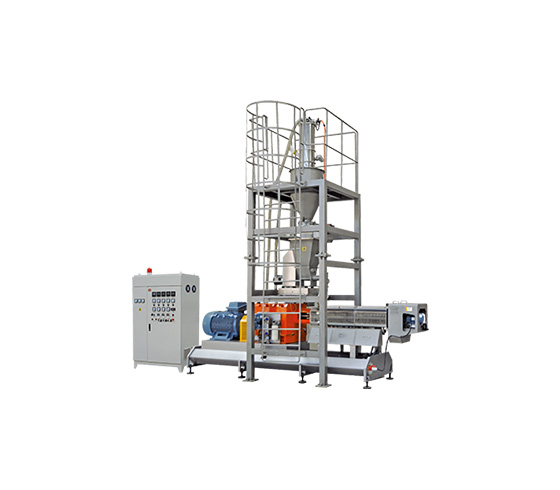
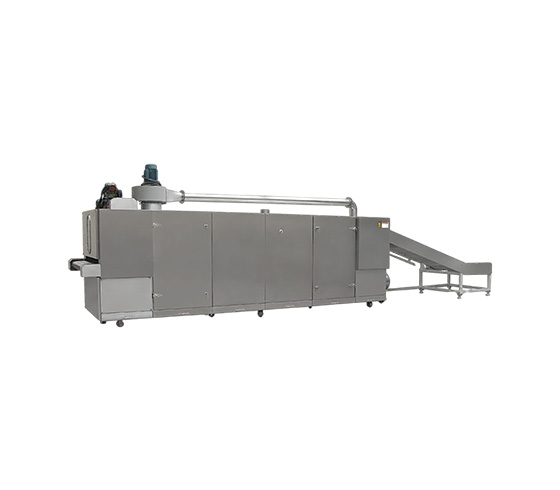
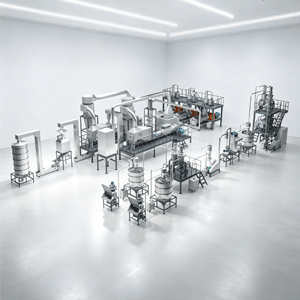
First, it is essential to clarify the product type, raw material state, formulation direction, and expected finished product requirements.For projects involving extrusion, forming, drying, frying, conveying, seasoning, or packaging, the processing capacity and cycle time of each stage must be matched to avoid discrepancies between individual equipment capacity and the overall line requirements.
Secondly, the installation plan should be evaluated in conjunction with the workshop's spatial layout and utility conditions, including power supply, water supply, steam, or gas.Equipment configuration should also take into account long-term operational factors such as cleaning, maintenance, safety protection, spare parts supply, and operator training.Any process or equipment capabilities mentioned in this document are for reference only in the context of solution discussions and preliminary assessments.Specific model numbers, power ratings, production capacities, temperatures, and times shall be subject to the formal technical proposal and the results of trial runs or on-site verification.
Frequently Asked Questions
Can the equipment be determined directly based on the standard configuration?
Not recommended.Different raw materials, product structures, target production capacities, and downstream processes can affect the equipment configuration.It is more prudent to confirm the product and process conditions before proceeding with the configuration assessment.
How to obtain more targeted advice?
It is recommended to prepare product images or sample information, raw material and formulation guidelines, target production capacity, existing workshop conditions, and planned downstream equipment configurations.Dayi Machinery can further discuss the applicable process routes and equipment configuration options based on this.
This article is compiled based on the "Puffed Snack Food Production Process" document provided by Dayi Machinery, with the aim of helping readers understand the relevant topics.For technical requirements related to specific projects, please refer to the actual product documentation and engineering confirmation results.