Large-Scale Corn Flake Breakfast Cereal Production Line

Published:2026-07-18

The large-scale corn flake breakfast cereal production line involves process design, equipment selection, and operational management of food processing and production equipment. The actual solution must be confirmed based on raw material characteristics, target product specifications, production capacity, and site-specific conditions—not solely on the parameters of a single piece of equipment.

Core Points of the Large-Scale Corn Flakes Breakfast Cereal Production Line

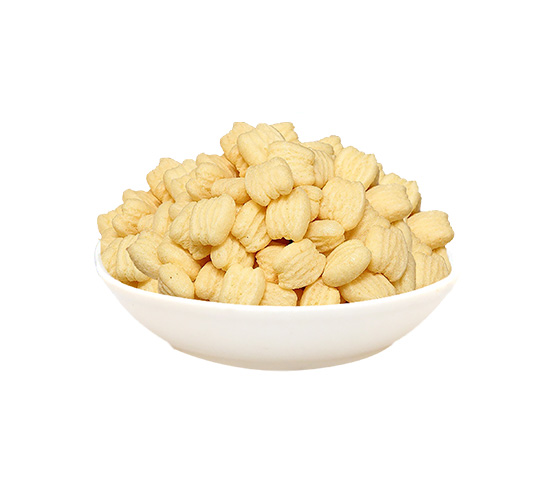
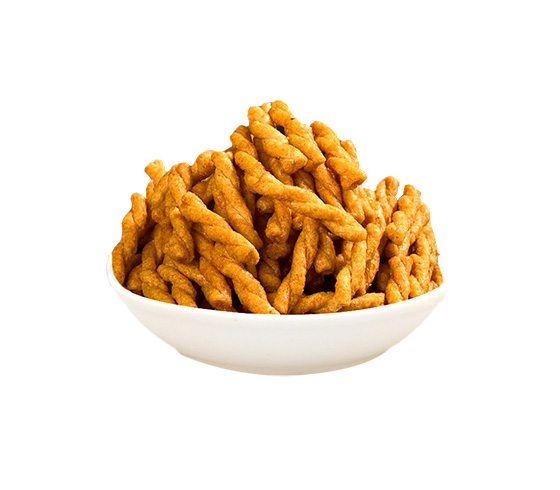
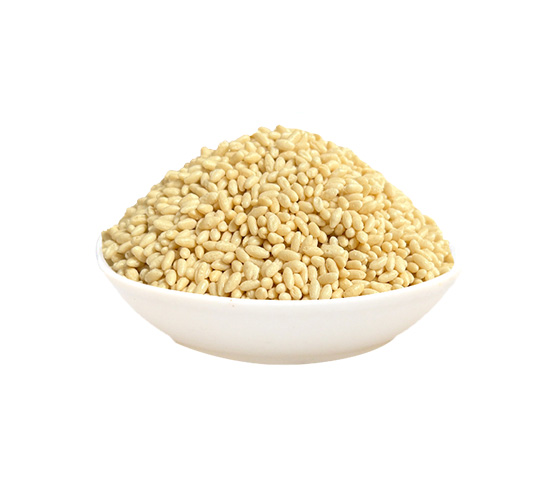
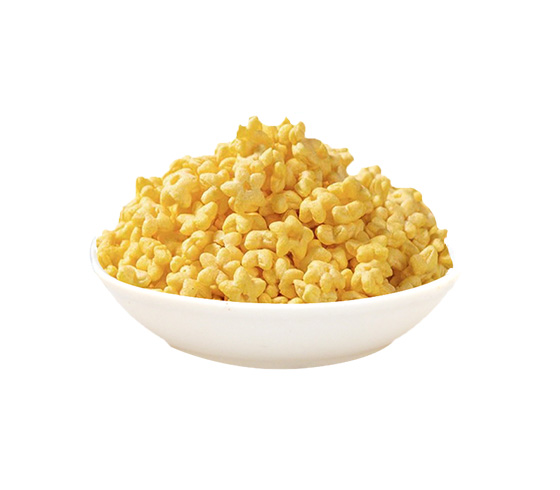
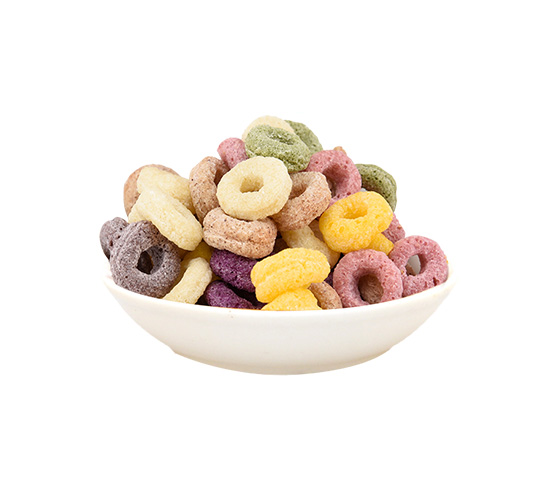
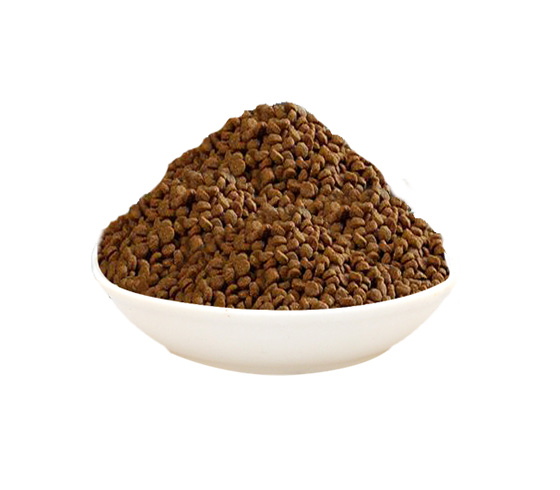
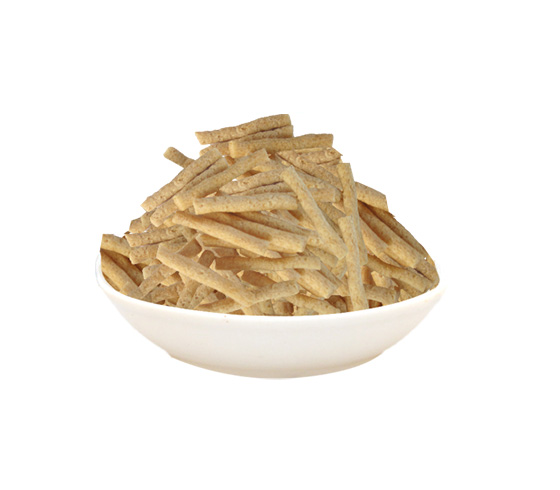
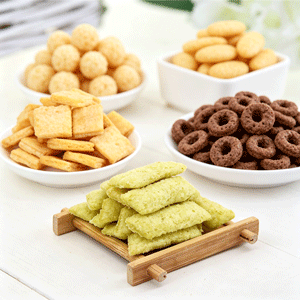
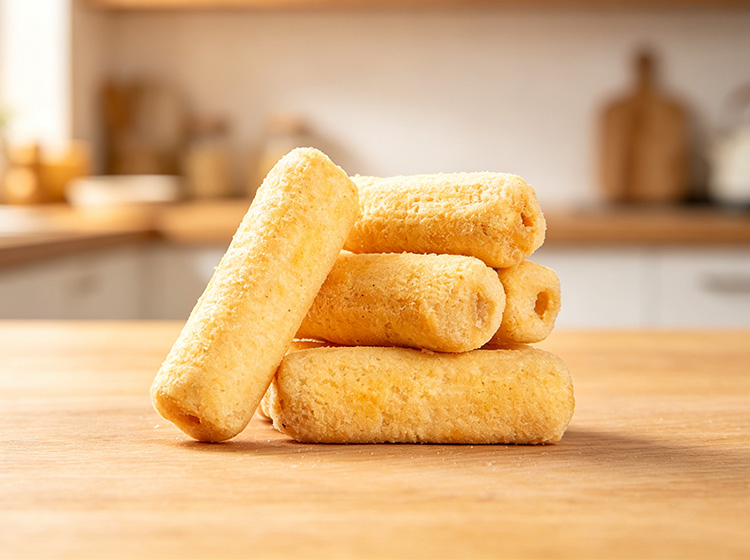
The products manufactured by this breakfast cereal production line are crispy-textured foods with a rich, grainy flavor. Breakfast cereal corn flakes are processed using an extrusion puffer with a special structure, which—compared to traditional production methods—further enhances output, product quality, and raw material adaptability, and facilitates the fortification of trace elements such as vitamins and minerals. This production line features multiple machine model options, flexible equipment configuration, broad raw material compatibility, diverse product varieties, and simple operation. By replacing different dies and adjusting production parameters, it can produce various popular puffed food items available on the market, making it suitable for all types of food manufacturing enterprises.

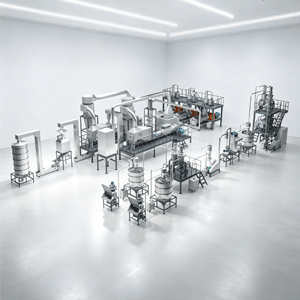
Below is an introduction to the processing flow of the breakfast cereal production line developed by our company:

Mixer: Mixes raw materials required for production with a specified amount of water to prepare the material needed for production.

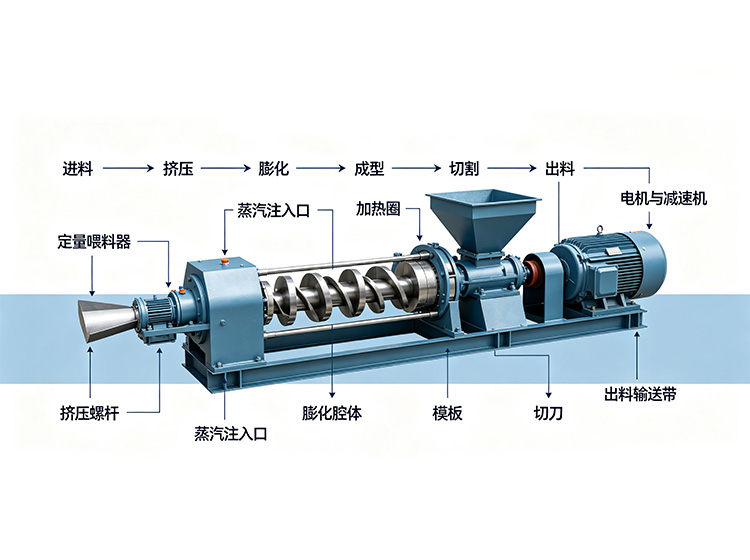
Screw Feeder: Transfers the mixed material to the feed hopper of the extrusion expander. Screw-rod feeding ensures stable feeding and prevents material spillage. The screw rod also provides secondary mixing of the material, ensuring greater uniformity.

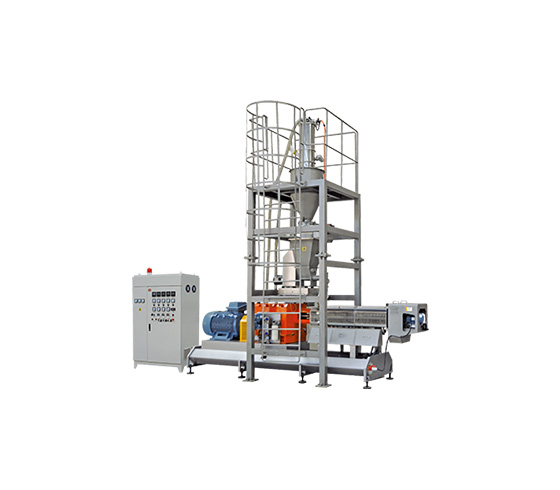
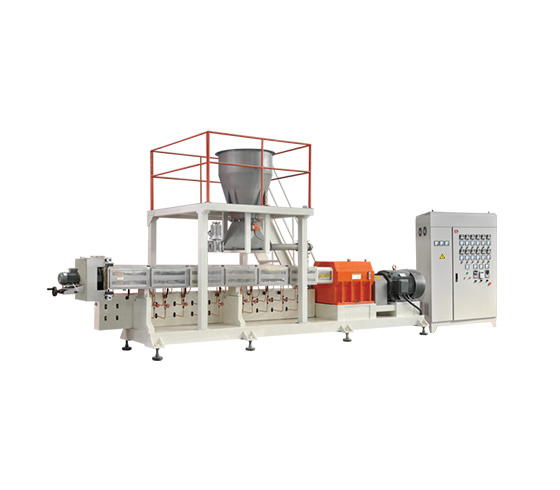
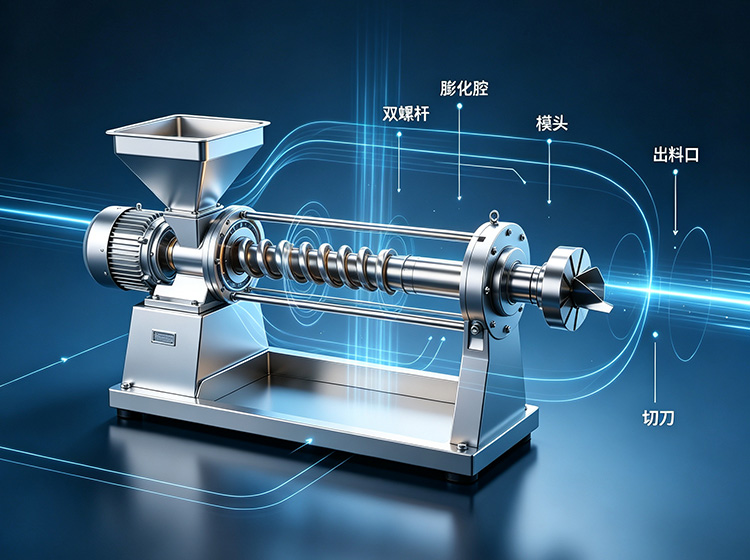
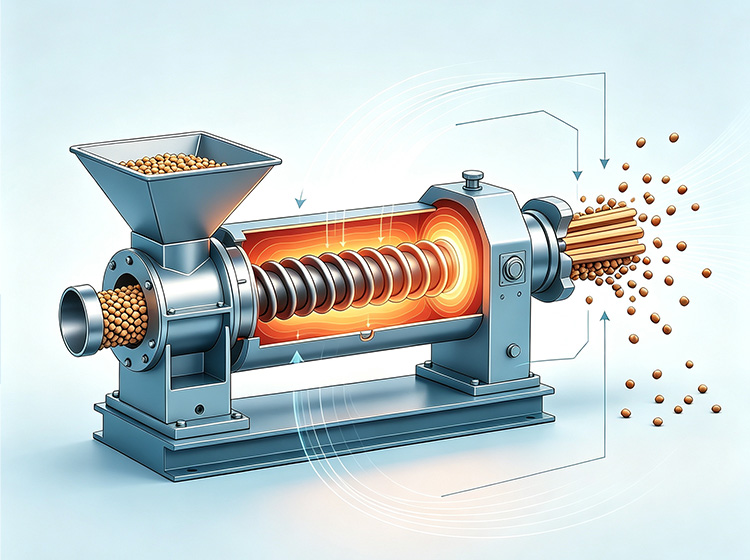
Twin-screw main unit: Performs puffing treatment on the conveyed material; the high-temperature, high-pressure environment alters the material’s internal molecular structure. The puffed material is extruded and shaped by the extrusion puffer.

Fan: Conveys the extruded semi-finished product to the next machine.

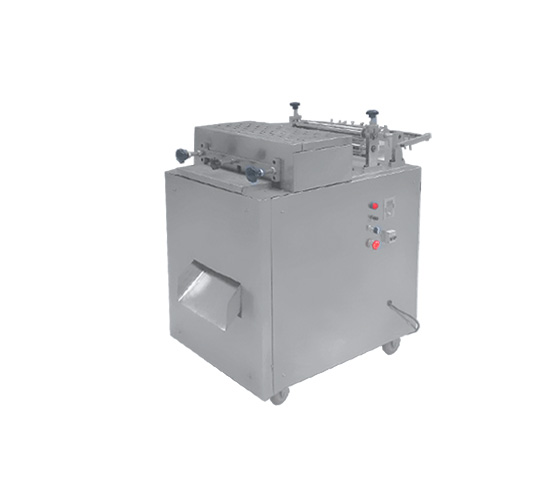
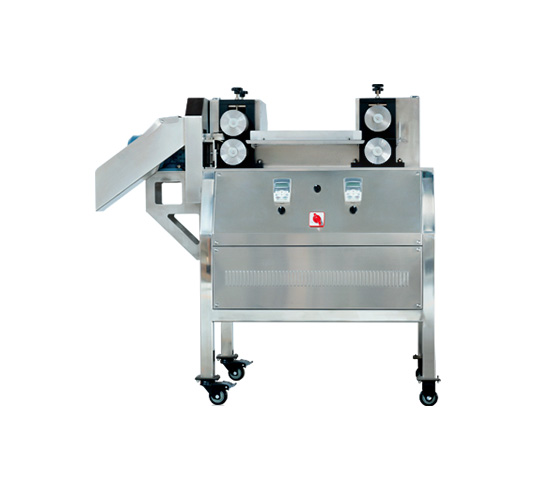
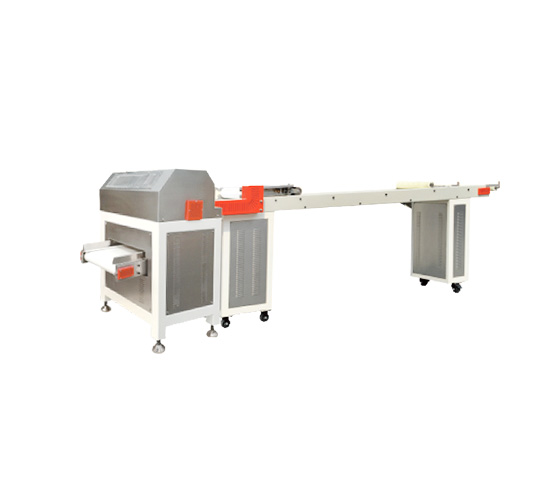
Tablet Press: Compresses the extruded products from the extrusion puffed food machine into various shapes, including round, irregular, and oval.

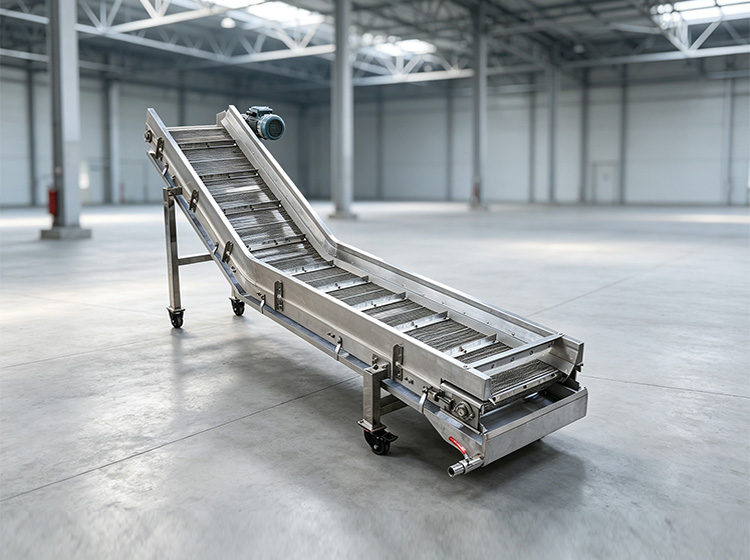
Large Elevator: Responsible for conveying products to the oven; its height can be freely adjusted according to the oven height.

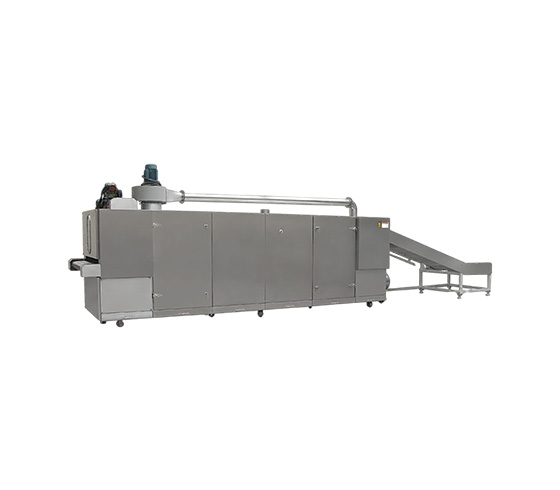
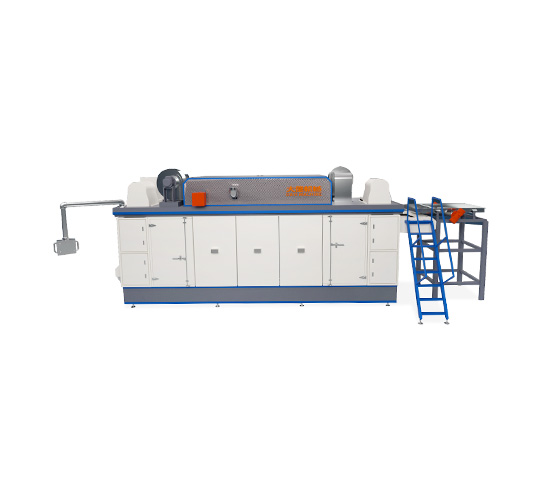
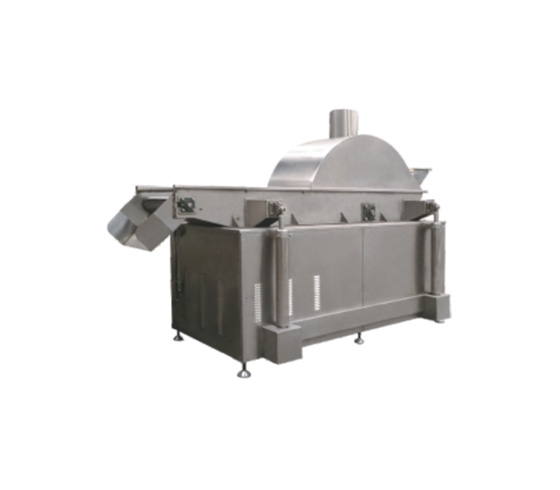
Three-layer oil-fired oven: responsible for drying and baking products to achieve a crispy texture and reduce internal moisture.

Large Elevator: Transfers products to the next machine; elevator height is freely adjustable.

High-Temperature Rotary Oven: Products are baked here to achieve a crispy texture.

Elevator: Conveys products.

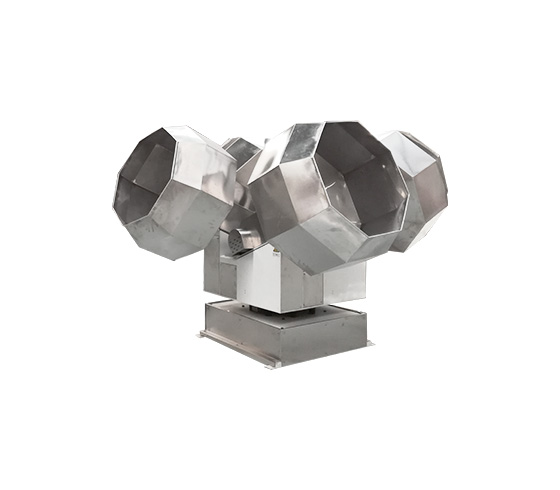
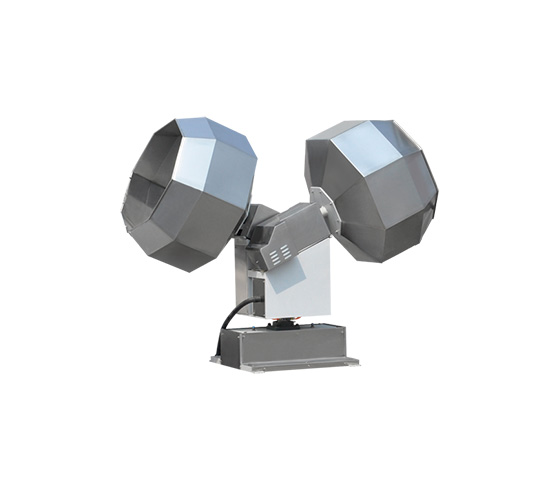
Seasoning Line: Used for seasoning products; the flavor of the seasoning can be customized according to production requirements. Our company also offers a variety of seasoning equipment with different configurations and capacities.

Vibratory Feeder: Evenly spreads and conveys seasoned products into the oven to prevent product sticking.

Extended Three-Layer Fuel-Fired Oven: Re-bakes products to enhance the integration of seasonings with the product, resulting in a crispier and richer taste.

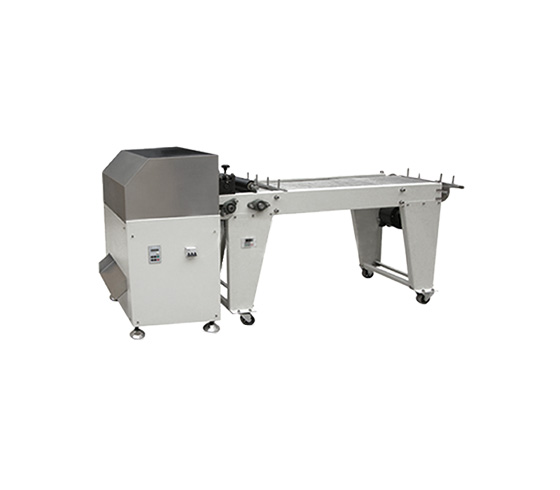
Cooling Conveyor: Cools baked products and conveys them to the packaging process.

This breakfast cereal production line offers multiple configuration options, allowing customers to select the configuration best suited to their production requirements. Our company provides high-quality pre-sales and after-sales services. Below are the main host equipment configuration parameters of this production line:

Model: SLG65-CJ; Installed Power: 97 kW; Power Consumption: 56 kW; Capacity: 100–160 kg/h; Dimensions: 4700 × 2000 × 2600 mm

Model: SLG70-A; Installed Capacity: 06 kW; Power Consumption: 82 kW; Production Capacity: 200–250 kg/h; Dimensions: 4860×2000×2800 mm

Model: SLG85-A; Installed Capacity: 06 kW; Power Consumption: 123 kW; Production Capacity: 350–400 kg/h; Dimensions: 4940 × 2000 × 3000 mm

What conditions should be considered during implementation or selection?

First, clarify the product type, raw material condition, formulation direction, and expected finished product requirements. For projects involving extrusion, forming, drying, frying, conveying, flavoring, or packaging, the processing capacity and cycle time of each stage must be matched to avoid inconsistencies between the capacity of individual equipment and the overall line requirements.

Next, the installation plan should be evaluated in conjunction with workshop space, power supply, water supply, steam or gas utility conditions. Equipment configuration should also consider long-term usage factors such as cleaning, maintenance, safety protection, spare parts availability, and operator training. Where process or equipment capabilities are mentioned in this document, they serve only as reference for preliminary discussion and initial assessment; specific model numbers, power ratings, production capacities, temperatures, and time parameters shall be based on the formal technical proposal and confirmed through trial operation or on-site verification.

Frequently Asked Questions

Can the equipment be determined directly based on the standard configuration?

Not recommended. Different raw materials, product structures, target production capacities, and downstream processes affect equipment configuration. It is more reliable to first confirm the product and process conditions, then conduct a configuration assessment.

How can I obtain more targeted recommendations?

We recommend preparing product images or sample information, raw material and formulation details, target production capacity, existing workshop conditions, and planned downstream equipment configuration. Based on this information, Dayi Machinery can further discuss suitable process routes and equipment configuration options.

This article is compiled based on Dayi Machinery’s “Large-Scale Corn Flake Breakfast Cereal Production Line” documentation, intended to assist readers in understanding the relevant subject matter; for technical requirements pertaining to specific projects, please refer to the actual product documentation and engineering confirmation results.