Introduction and Value of Textured Soy Protein

Published:2026-07-18

Introduction to and Value of Soybean Textured Vegetable Protein (TVP) — Process, equipment selection, and operational management issues related to food processing and production equipment. Actual solutions must be confirmed based on raw material characteristics, target products, production scale, and on-site conditions; judgments must not be made solely on the basis of a single equipment parameter.

Core Points on Introduction and Value of Soybean Textured Vegetable Protein

Product Forming

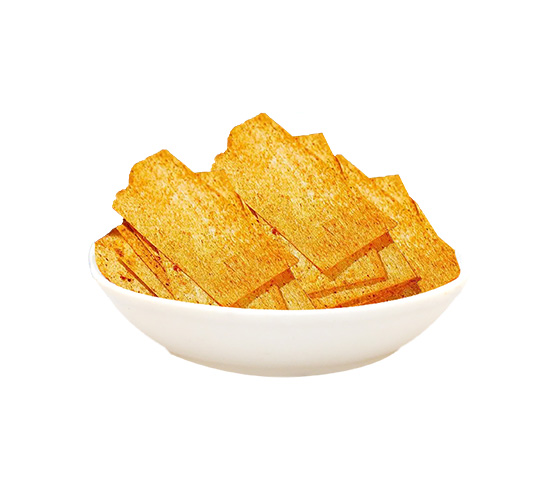
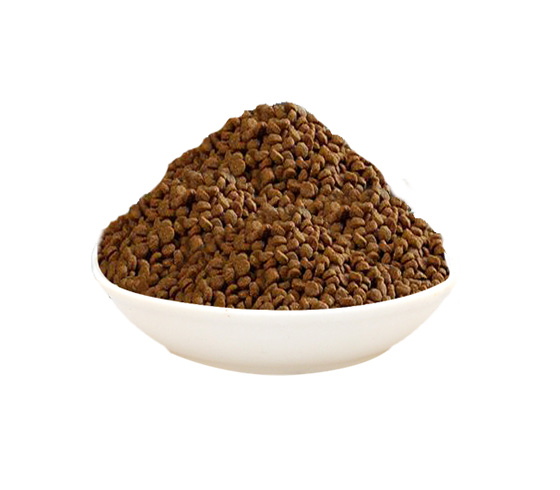
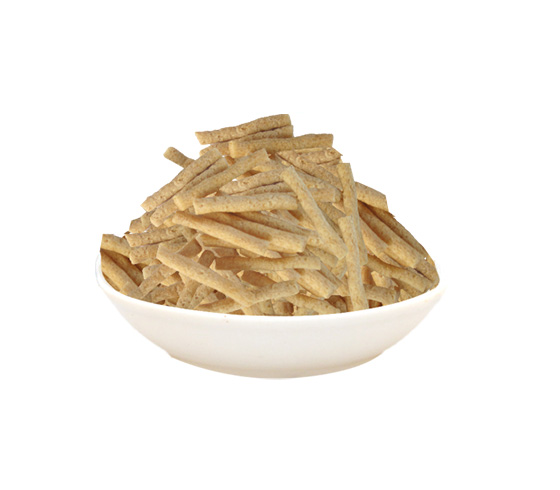
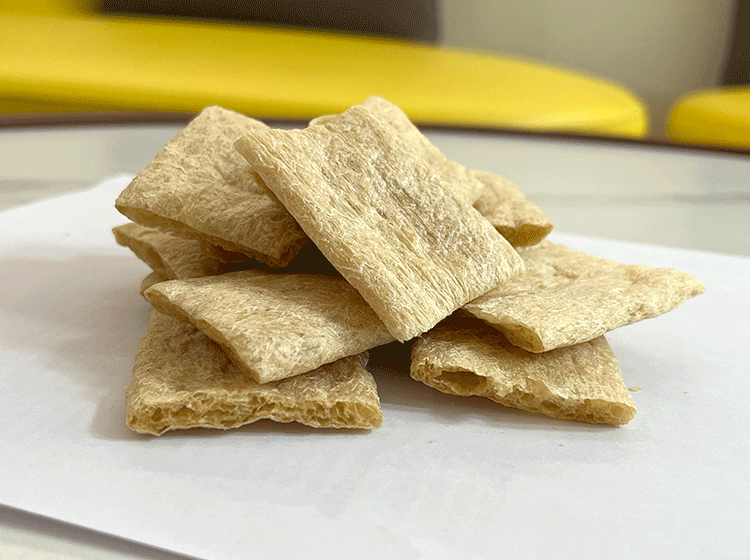
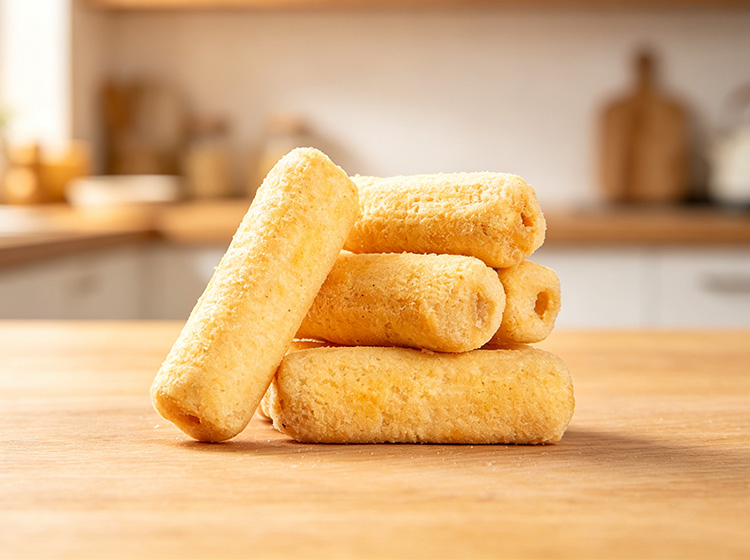
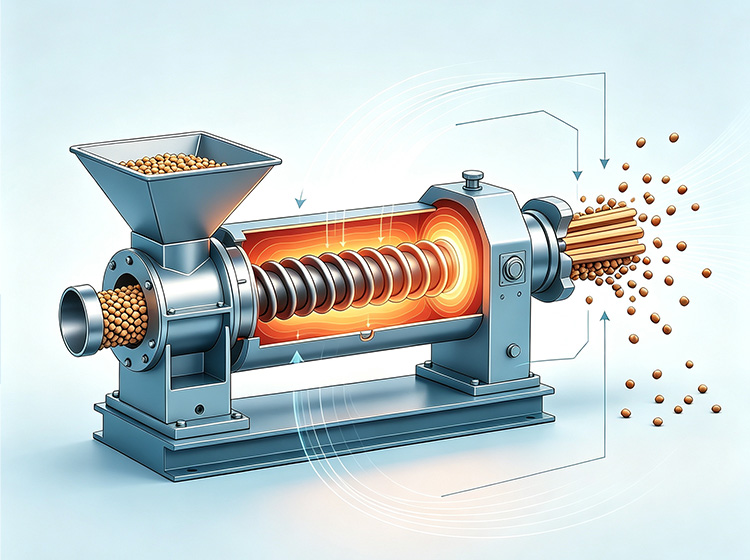
High-density textured vegetable protein (TVP) is manufactured using multiple pure natural plant proteins sourced both domestically and internationally, processed under high pressure and high temperature via a specialized technique. During this process, the plant proteins undergo instantaneous physical reactions, causing highly concentrated aggregation and reorganization of proteins, which automatically align according to the characteristics of each protein type to form a high-density fibrous structure—ultimately yielding various flavored vegetarian meat products.

Food Safety: Introduction to and Value of Soybean Textured Vegetable Protein (TVP) Raw material is 100% natural plant protein, processed under high pressure and high temperature, fully compliant with food safety requirements, with a long shelf life.

Product Value

Light specific gravity and large volume (volume is more than 5 times that of cooked meat). Adding just 1/5 high-density fibrous protein to the product achieves the same dispersion effect as cooked meat, thereby significantly reducing costs and enhancing product appeal.

Nutritional Value

The plant-based protein content is 60–85%, which is 3–5 times that of fresh meat, making it one of the highest-protein food raw materials available.

Shelf Life

Dry products can be stored for 360 days at room temperature (no refrigeration required), reducing storage costs.

Convenience

No secondary processing required; can be directly added as an ingredient to prevent secondary contamination, reduce processing steps, and lower processing costs.

Water Absorption Capacity and Water Absorption Time

The dry product’s water absorption rate can reach 3–5 times (capable of absorbing water, broth, and oil), and full absorption is achieved within 4–6 minutes.

Product Structure and Configuration

In the form of whole meat shreds (comparable to lean pork shreds, streaky pork shreds, and chicken leg meat), block-shaped soybean textured vegetable protein features a compact structure, high tensile strength, chewy texture, and excellent mouthfeel.

Cost Comparison

The price of wet product (with moisture content identical to cooked meat) is 80–91% lower than that of meat.

What conditions should be considered during implementation or selection?

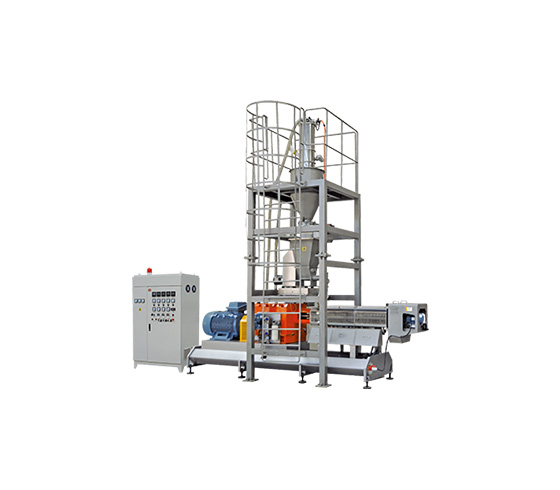
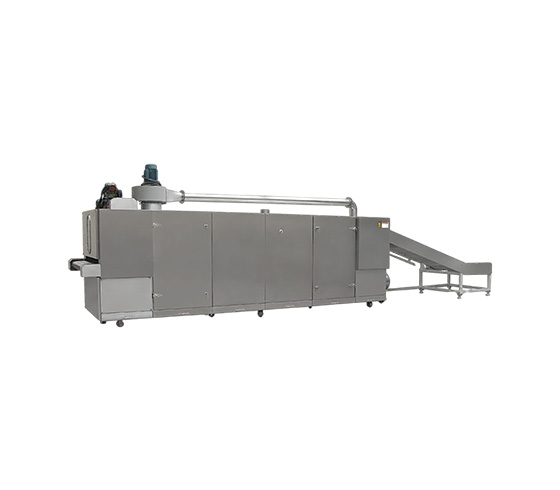
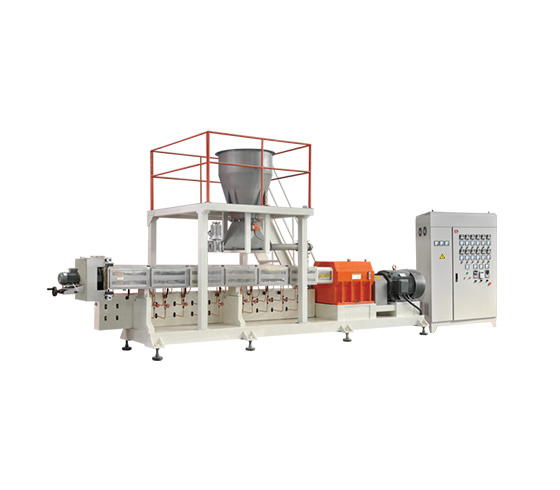
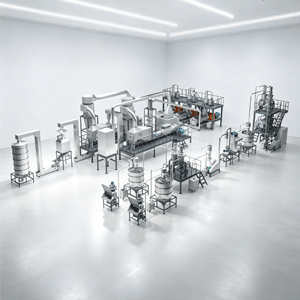
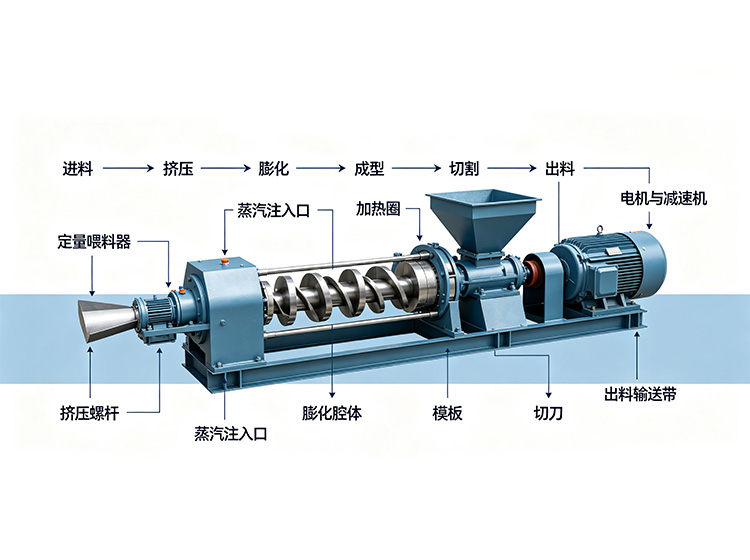
First, clarify the product type, raw material condition, formulation direction, and expected finished product requirements. For projects involving extrusion, forming, drying, frying, conveying, flavoring, or packaging, the processing capacity and cycle time of each stage must be matched to avoid mismatches between individual equipment capacity and overall line requirements.

Secondly, the installation plan should be evaluated in conjunction with workshop space, power supply, water supply, steam or gas utility conditions. Equipment configuration should also consider long-term usage factors such as cleaning, maintenance, safety protection, spare parts availability, and operator training. Where process parameters or equipment capabilities are mentioned herein, they serve only as reference for preliminary discussion and initial assessment; specific model numbers, power ratings, production capacities, temperatures, and time settings shall be determined based on the formal technical proposal and confirmed through machine testing or on-site verification.

Frequently Asked Questions

Can the equipment be determined directly based on the standard configuration?

Not recommended. Different raw materials, product structures, target production capacities, and downstream processes affect equipment configuration. It is more reliable to first confirm the product and process conditions, then conduct a configuration assessment.

How can I obtain more targeted recommendations?

We recommend preparing product images or sample information, raw material and formulation details, target production capacity, existing workshop conditions, and planned downstream equipment configuration. Based on this information, Dayi Machinery can further discuss suitable process routes and equipment configuration options.

This article is compiled based on Dayi Machinery’s “Introduction and Value of Soybean Textured Vegetable Protein (TVP)”, aiming to assist readers in understanding the relevant topic; for technical requirements concerning specific projects, refer to the actual product documentation and engineering confirmation results.