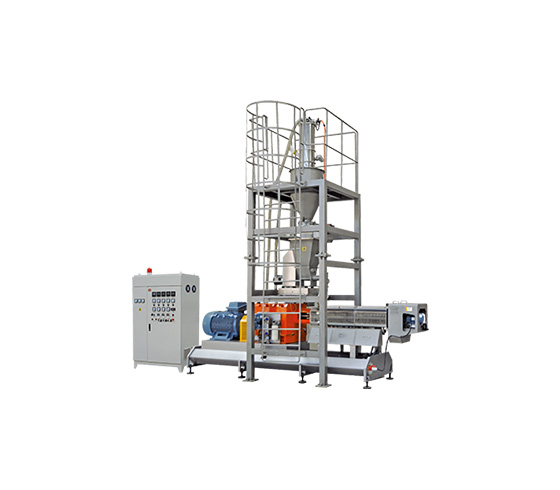
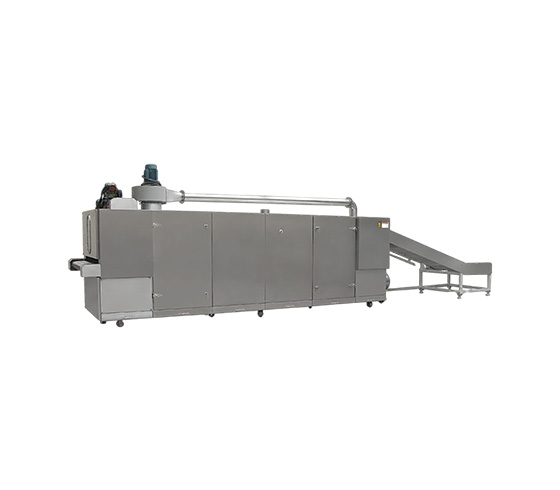
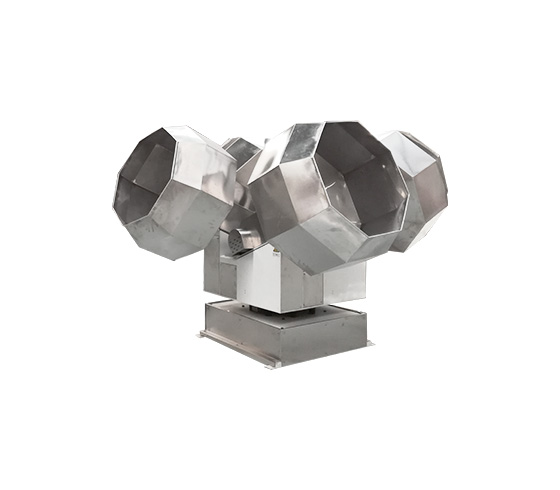
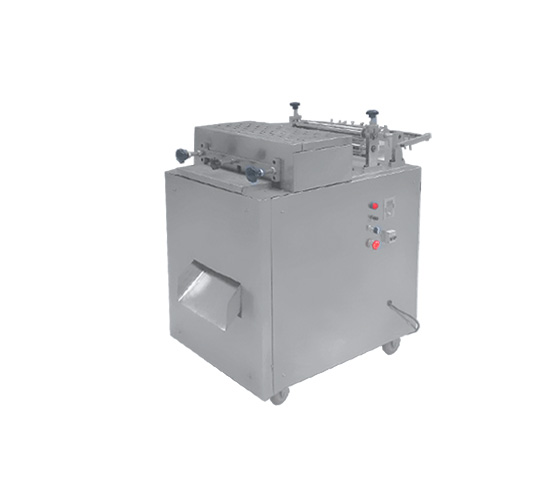
The working principle of large-scale pneumatic extrusion puffing machines involves process, selection, or operational management issues related to food processing and production equipment.The actual solution should be confirmed based on raw material characteristics, target product specifications, production scale, and on-site conditions, and should not be determined solely by single equipment parameters.
Core Principles of the Working Mechanism of Large-Scale Airflow Extrusion Puffing Machines
Today, we introduce a new type of large-scale equipment—the large-scale pneumatic extrusion puffing machine.What is a large-scale pneumatic extrusion puffing machine?What is its working principle?
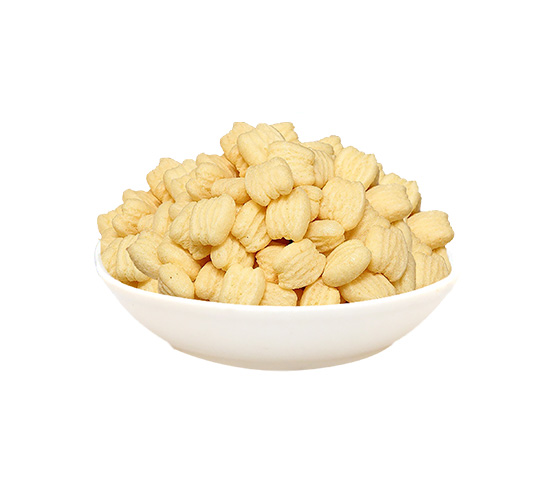
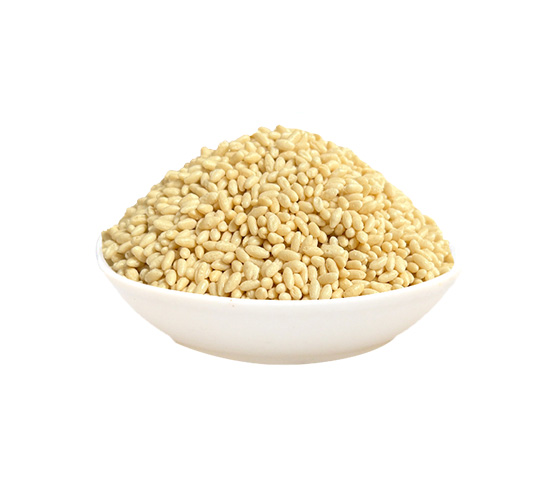
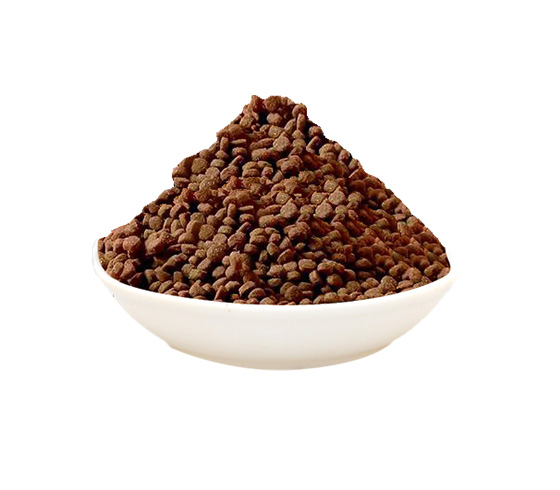
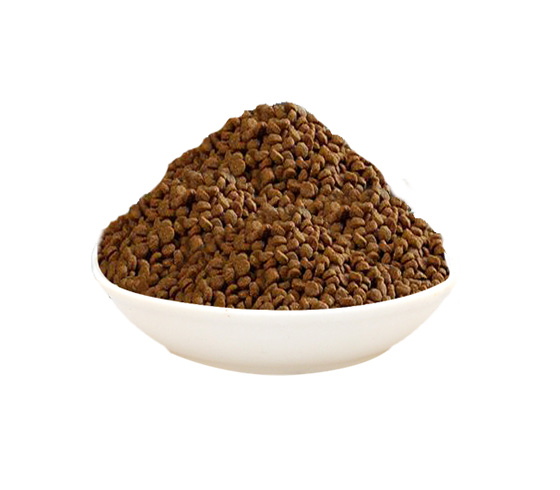
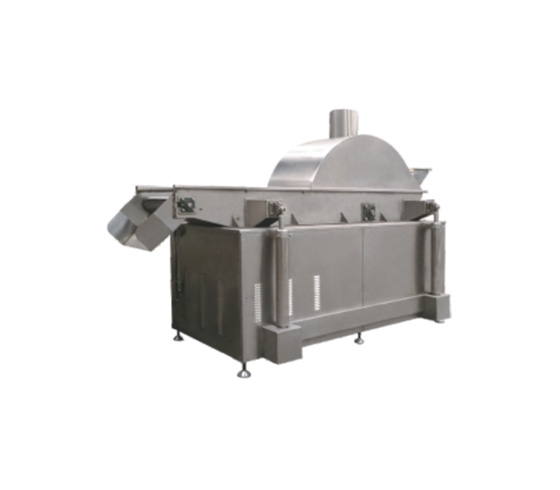
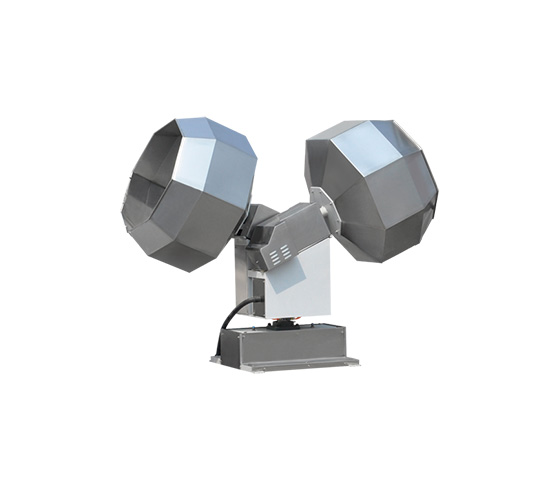
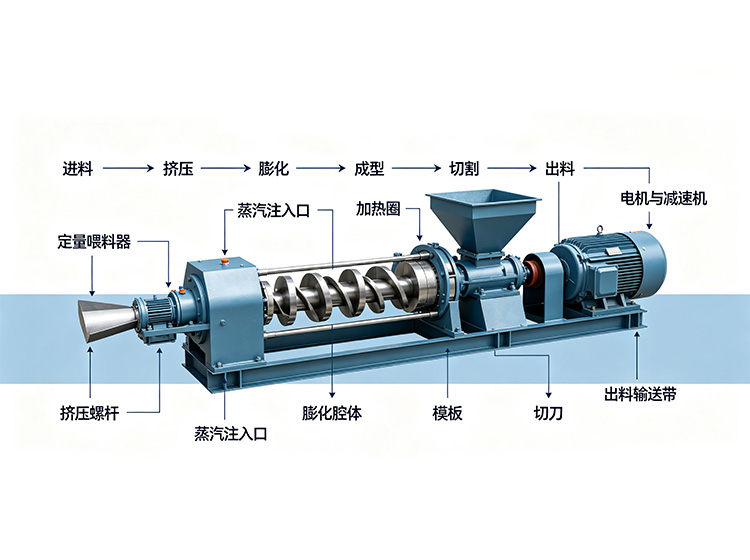
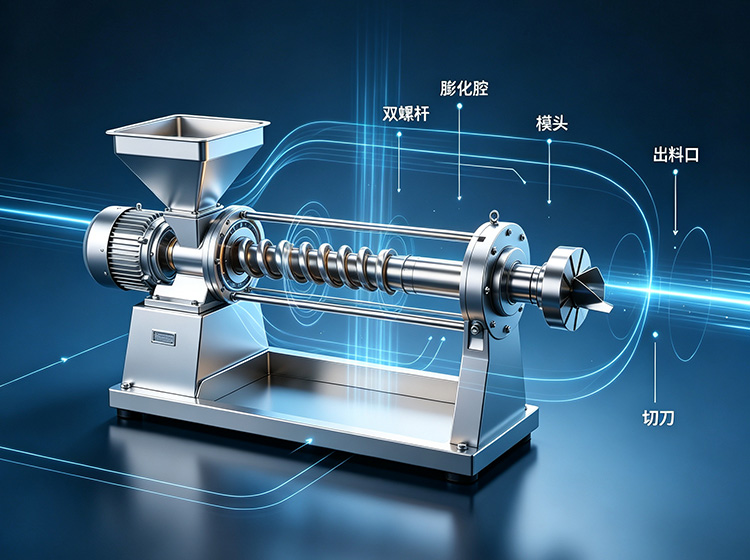
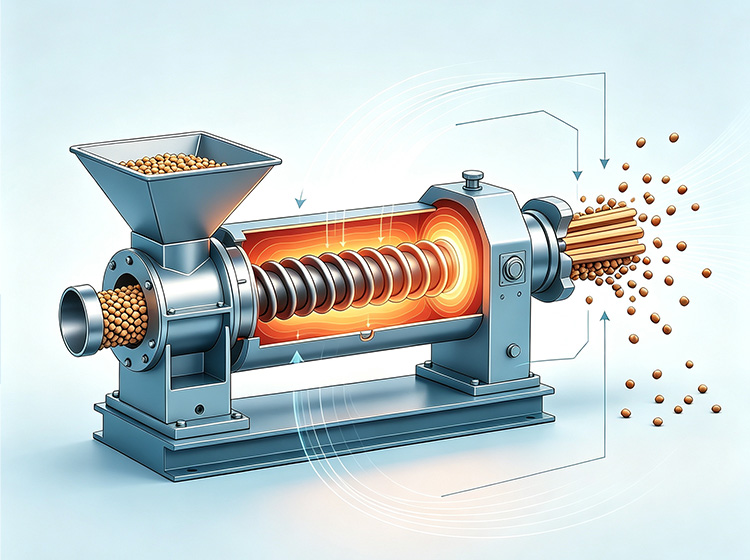
The large-scale pneumatic extrusion puffing machine is a grain extrusion puffing equipment, composed of an extrusion tank, heating device, rotating device, safety maintenance device, shock absorption device, frame, and base.This equipment has undergone technical upgrades based on the traditional cannon-type puffing tank.Compared with traditional small-scale pneumatic expansion tanks, its production capacity has increased by 4-6 times, and its safety factor has also been significantly improved.At the same time, the equipment reduces the labor intensity of operators and decreases energy consumption.It has been confirmed that starchy materials such as rice, millet, wheat, highland barley, tartary buckwheat, corn, sorghum, barley, buckwheat, and beans can all be processed through extrusion.
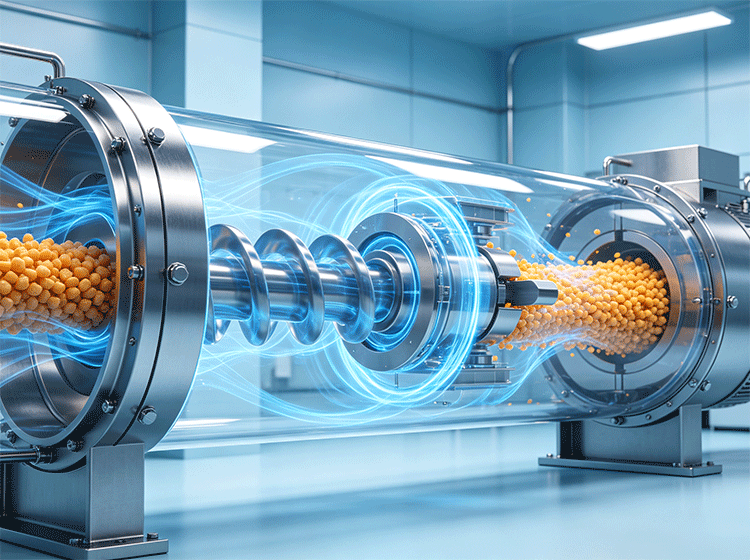
Working principle of pneumatic expansion: A certain amount of material is placed in a sealed cast steel tank with a lid, heated using liquefied petroleum gas, natural gas, or coal, and the tank is rotated intermittently at a certain speed to ensure uniform heating of the material.The temperature inside the tank gradually rises. When it exceeds 100°C, moisture on the surface of the material escapes and vaporizes, creating a certain pressure within the tank.When the moisture content of the material is controlled at around 5% to 8%, the pressure inside the tank will reach 0.8 to 1.25 MPa (the pressure varies depending on the material).At this point, the material in the tank has basically been fully cooked.If the can lid is opened suddenly, the material is instantly released from a high-temperature, high-pressure state to a normal-temperature, normal-pressure environment. Air is introduced at the sites of moisture loss, causing the volume to increase and the structure to change: raw starch (beta-starch) converts to cooked starch (alpha-starch), with the volume expanding several times to ten times.At the moment of release, the airflow jets out from the extruder outlet, causing the material to expand instantaneously. The air is violently torn apart, generating a loud noise that can reach approximately 100 decibels.
Jinan Dayi Machinery Technology Co., Ltd. is located in the beautiful spring city of Jinan.The company has long been engaged in the research and development of food production line machinery and production processes, adopting standardized production technologies, upholding the concept of automated control operations, and focusing on the development of stable and reliable production equipment.Our company's design team possesses extensive experience in equipment design, R&D, commissioning, and production, and is supported by dedicated on-site engineering personnel who handle production and commissioning tasks, enabling us to provide you with standardized design, production, and commissioning processes.
What conditions should be considered during implementation or selection?
First, it is essential to clarify the product type, raw material state, formulation direction, and expected finished product requirements.For projects involving extrusion, forming, drying, frying, conveying, seasoning, or packaging, the processing capacity and cycle time of each stage must be matched to avoid discrepancies between individual equipment capacity and the overall line requirements.
Secondly, the installation plan should be evaluated in conjunction with the workshop's spatial layout and utility conditions, including power supply, water supply, steam, or gas.Equipment configuration should also take into account long-term operational factors such as cleaning, maintenance, safety protection, spare parts supply, and operator training.Any process or equipment capabilities mentioned in this document are for reference only in the context of solution discussions and preliminary assessments.Specific model numbers, power ratings, production capacities, temperatures, and times shall be subject to the formal technical proposal and the results of trial runs or on-site verification.
Frequently Asked Questions
Can the equipment be determined directly based on the standard configuration?
Not recommended.Different raw materials, product structures, target production capacities, and downstream processes can affect the equipment configuration.It is more prudent to confirm the product and process conditions before proceeding with the configuration assessment.
How to obtain more targeted advice?
It is recommended to prepare product images or sample information, raw material and formulation guidelines, target production capacity, existing workshop conditions, and planned downstream equipment configurations.Dayi Machinery can further discuss the applicable process routes and equipment configuration options based on this.
This article is compiled based on the document "Working Principle of Large Airflow Extrusion Puffing Machine" provided by Dayi Machinery, with the aim of helping readers understand the relevant topics.For technical requirements related to specific projects, please refer to the actual product documentation and engineering confirmation results.