Nutritional Powder Production Line

Published:2026-07-18

The nutritional powder production line involves process, equipment selection, or operational management issues related to food processing and production equipment. Actual solutions must be confirmed based on raw material characteristics, target products, production scale, and site conditions—not solely on individual equipment parameters.

Core Points of the Nutritional Powder Production Line

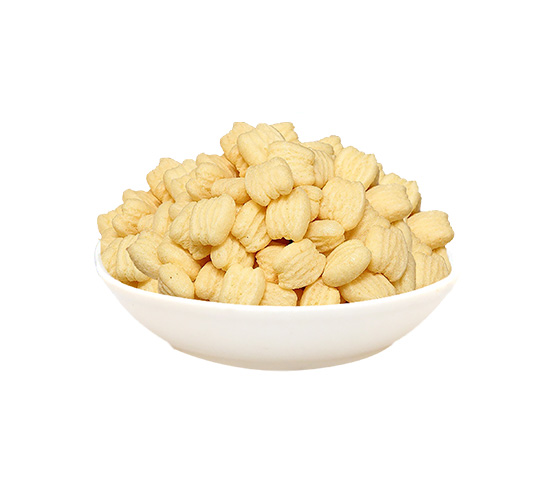
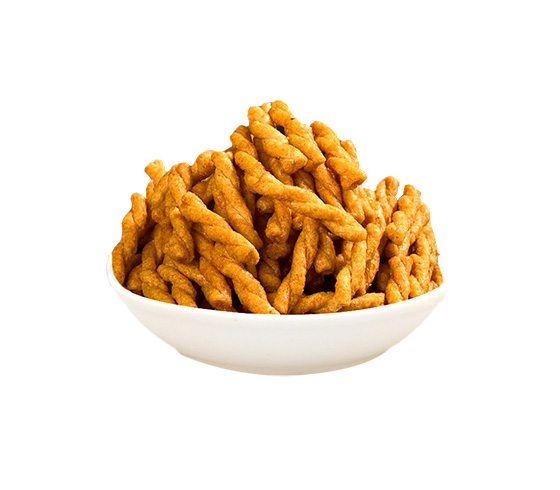
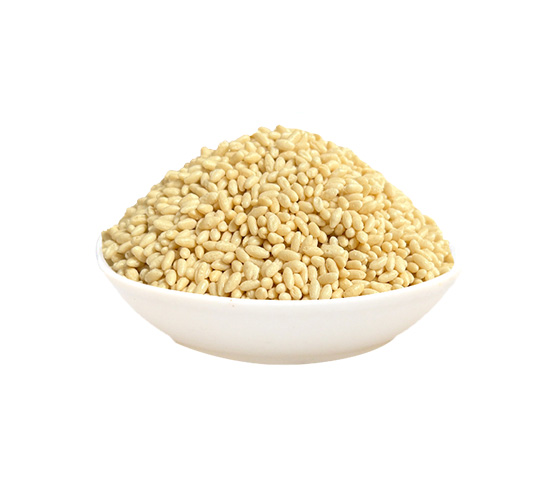
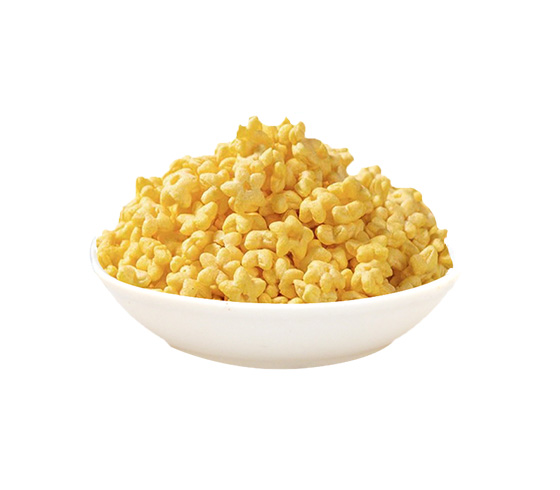
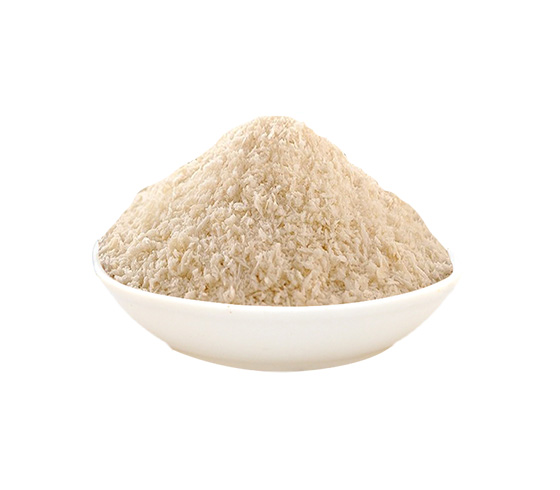
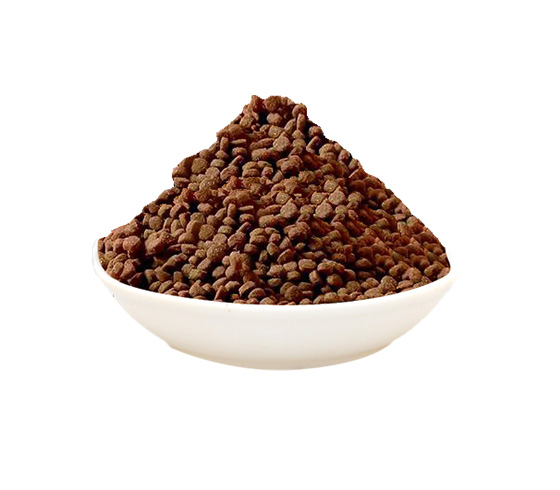
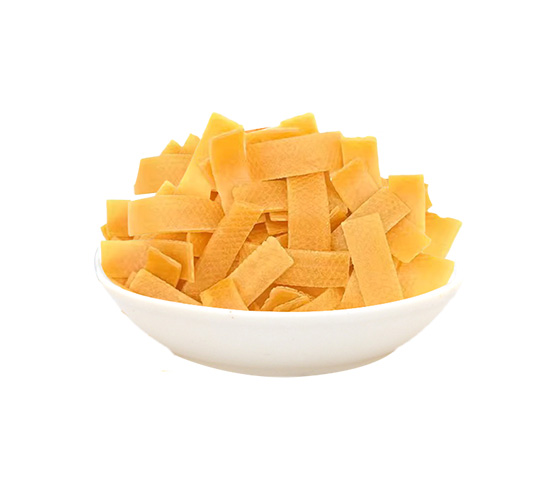
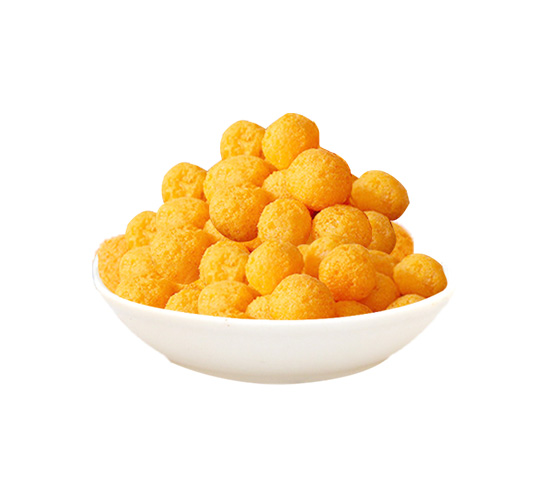
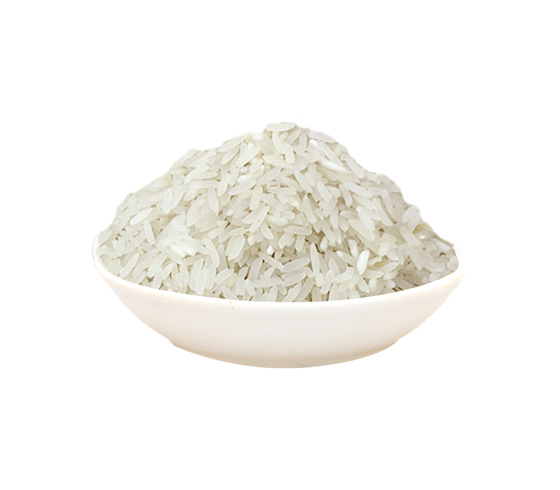
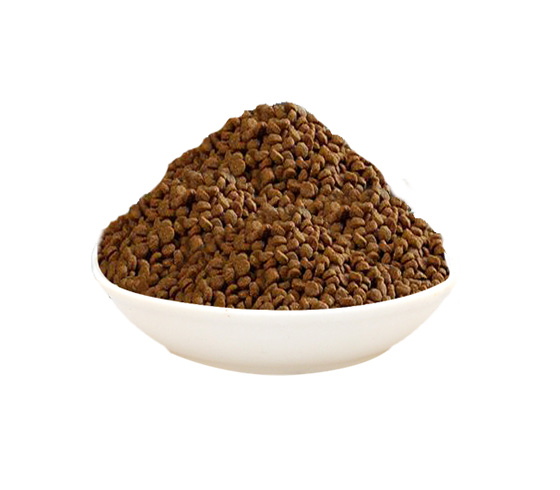
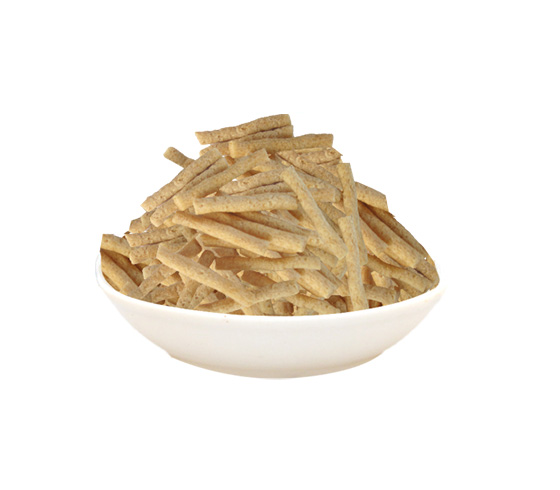
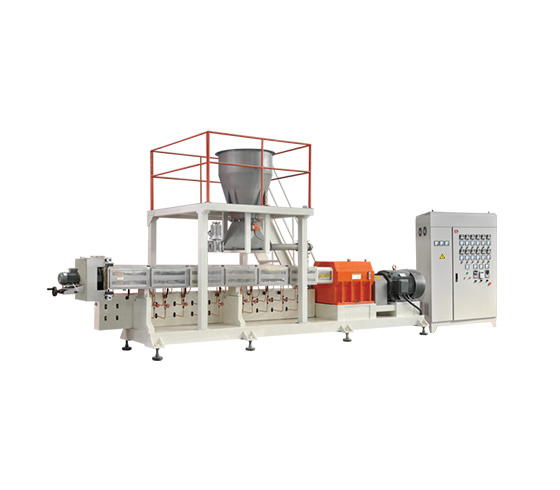
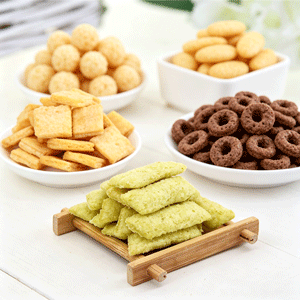
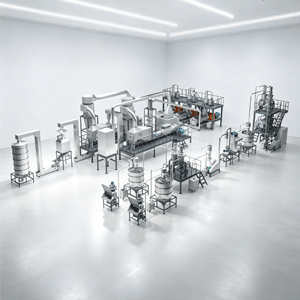
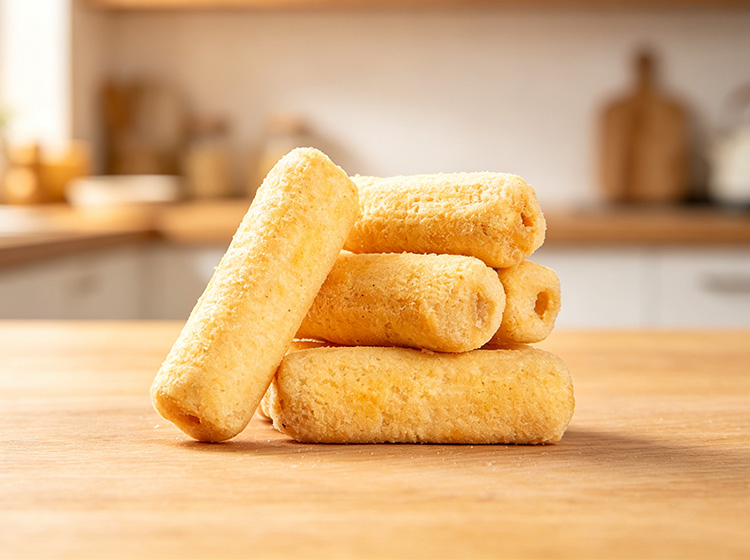
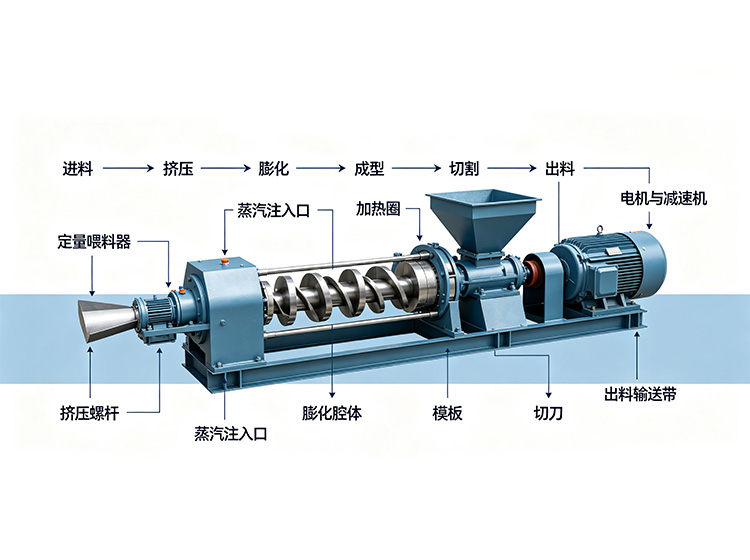
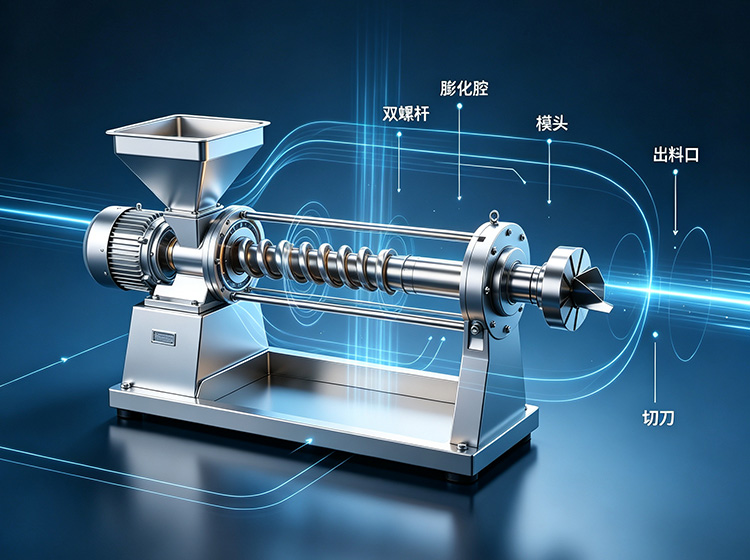
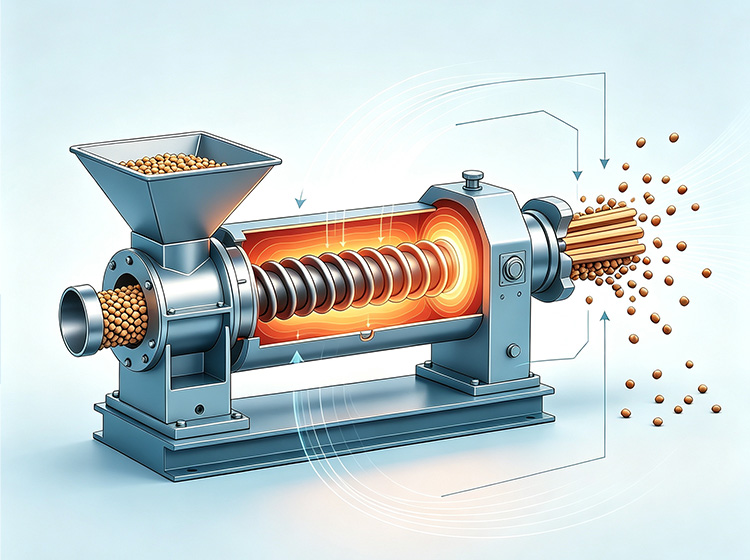
Our company’s developed nutritional powder production line represents another innovative extension of twin-screw extrusion puffing technology. Traditional manual roasting methods suffer from low efficiency, poor hygiene conditions, and difficulty in quality control—resulting in limited raw material options. Twin-screw extrusion puffing technology overcomes these shortcomings, enabling processing of diverse raw materials—including rice flour, corn flour, soybean flour, buckwheat, and oatmeal. Additionally, this technology allows for the fortification of multiple nutrients, producing multifunctional, nutritious, and healthy food products such as cereal weight-loss powder, black sesame powder, buckwheat powder, and adzuki bean–coix seed rice flour.

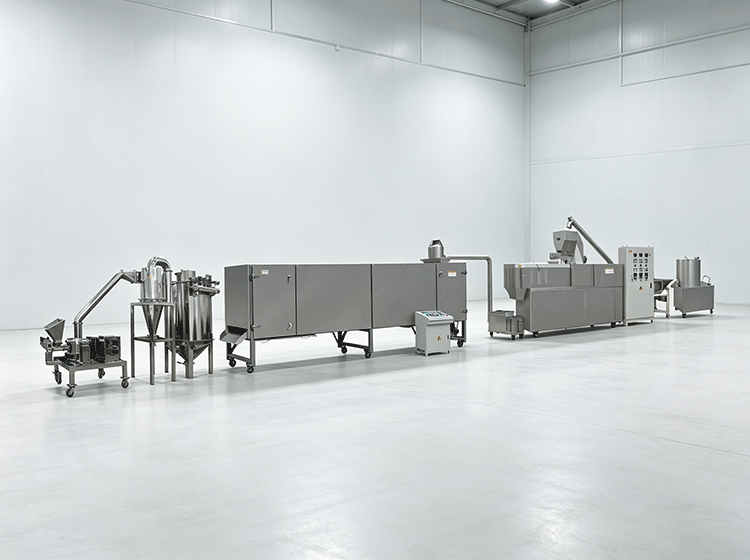
This nutritional powder production line manufactures a wide variety of products. Below is an introduction to the process flow components of this production line:

Mixer: Select different mixer models according to production line capacity.

Screw Feeder: Utilizes screw mixing and conveying to ensure uniform secondary mixing of materials, enabling convenient and rapid feeding.

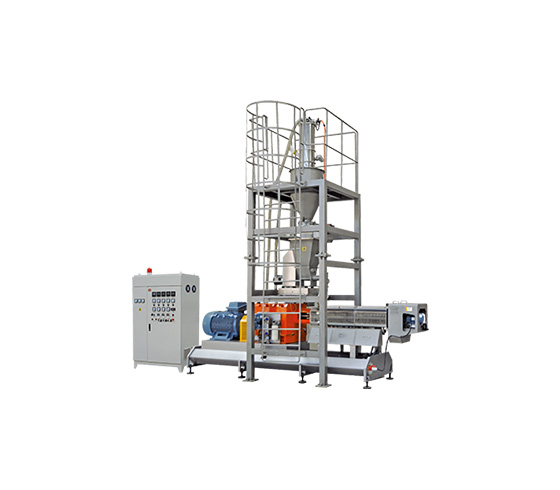
Twin-Screw Extrusion Expander: Select different main machine models according to production line configuration; output capacity ranges from 100 kg/h to 500 kg/h; raw materials include corn flour, rice flour, wheat and barley flour, and other cereals.

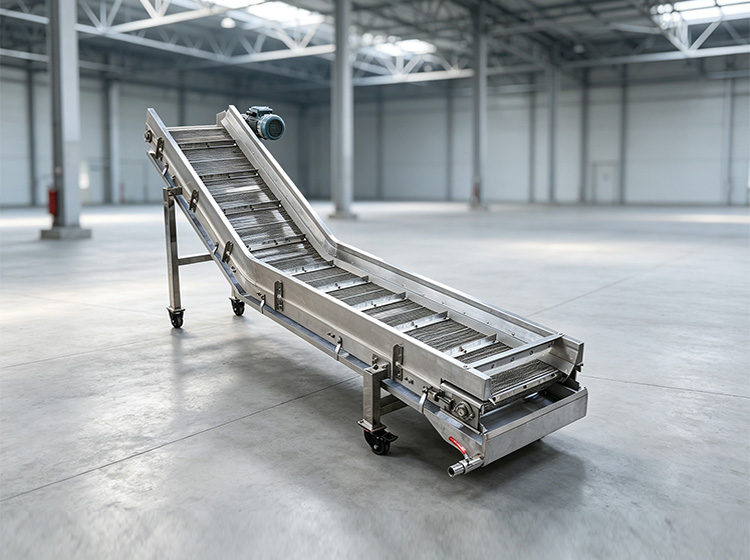
Pneumatic conveyor or elevator: conveys semi-finished products to the oven; the height of the pneumatic conveyor or elevator is determined according to the oven.

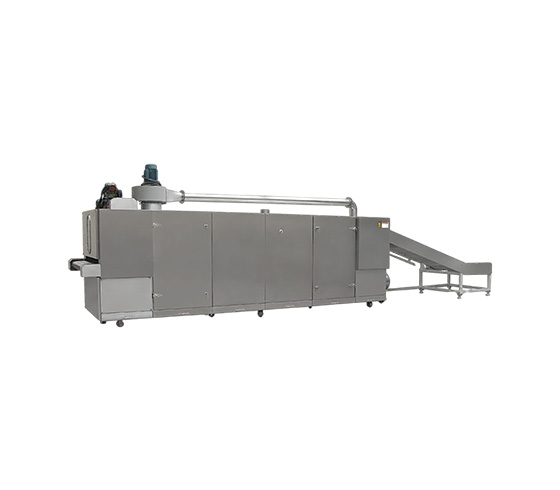
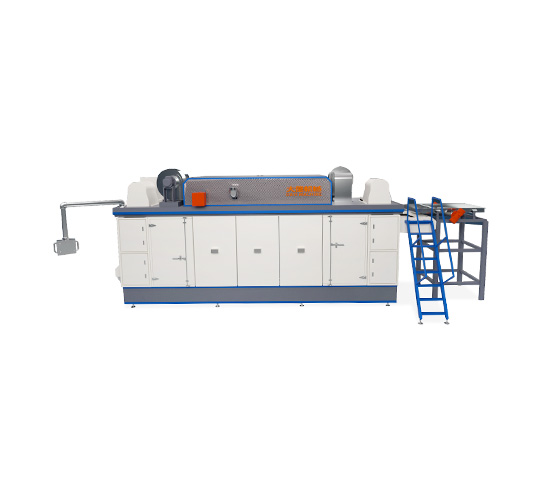
Multi-layer oven: Most use electrically heated ovens, with temperature adjustable between 0–200 ℃ via the control cabinet. Stainless steel mesh cloth and stainless steel mesh conveyor belts are used internally; baking time can be adjusted according to operating speed.

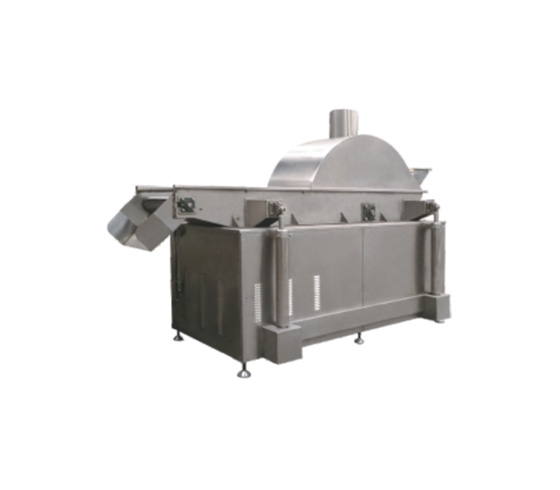
Cooling Conveyor: After drying, the granules retain a certain temperature and must be cooled to room temperature to ensure packaging quality.

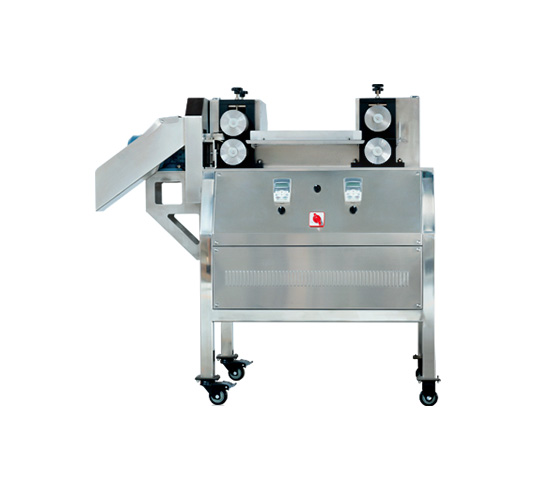
Grinding Equipment: Grinds materials to be processed into powder according to actual requirements.

This nutritional powder production line primarily uses millet and rice as raw materials, with optional additions of white sugar, vegetables, fruits, eggs, meat, etc., and is fortified with minerals such as calcium, phosphorus, iron, and zinc, as well as vitamins. After undergoing dry extrusion puffing processes—including starch gelatinization and modification—the product overcomes the poor absorbability of polyphenolic compounds naturally present in the raw materials and offers excellent digestibility and absorption. This product is highly popular among consumers of all age groups, and its convenient, quick preparation method is widely appreciated.

What conditions should be considered during implementation or selection?

First, the product type, raw material condition, formulation direction, and expected finished product requirements must be clearly defined. For projects involving extrusion, forming, drying, frying, conveying, flavoring, or packaging, the processing capacity and cycle time of each stage must be matched to avoid inconsistencies between the capacity of individual equipment and the overall line requirements.

Secondly, the installation plan should be evaluated in conjunction with workshop space, power supply, water supply, steam or gas utility conditions. Equipment configuration should also consider long-term usage factors such as cleaning, maintenance, safety protection, spare parts availability, and operator training. Any process or equipment capability referenced herein is intended solely for preliminary discussion and initial assessment; specific model numbers, power ratings, production capacities, temperatures, and time parameters shall be determined based on the formal technical proposal and confirmed through machine testing or on-site verification.

FAQ

Can the equipment be finalized based on the standard configuration?

Not recommended. Different raw materials, product structures, target production capacities, and downstream processes affect equipment configuration. It is more reliable to first confirm the product and process conditions, then conduct a configuration assessment.

How can I obtain more targeted recommendations?

We recommend preparing product images or sample information, raw material and formulation details, target production capacity, existing workshop conditions, and planned downstream equipment configuration. Based on this information, Dayi Machinery can further discuss suitable process routes and equipment configuration options.

This article is compiled based on Dayi Machinery’s “Nutritional Powder Production Line” documentation, intended to assist readers in understanding the relevant subject matter; for technical requirements pertaining to specific projects, refer to the actual product documentation and engineering confirmation results.