Nutrition-Fortified Rice Production Line Selection Guide addresses process, equipment selection, or operational management issues related to food processing and production equipment. Actual solutions must be confirmed based on raw material characteristics, target products, production capacity, and site-specific conditions—not solely on individual equipment parameters.
Core Points of the Nutritional Rice Production Line Selection Guide
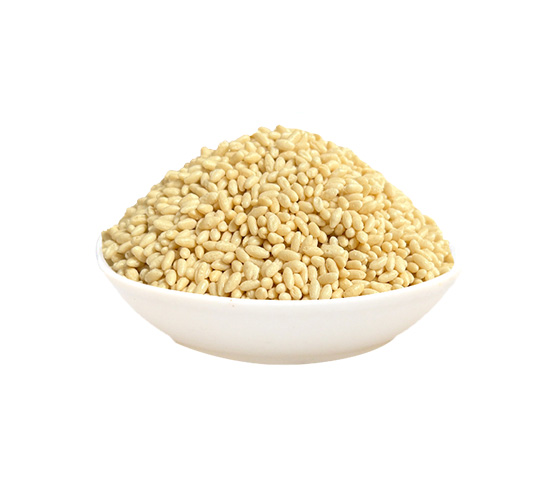
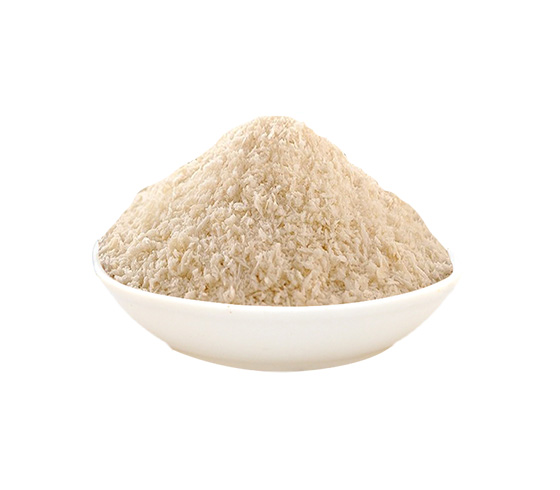
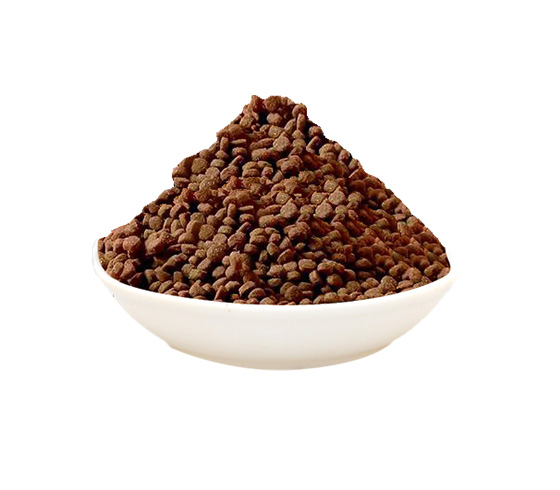
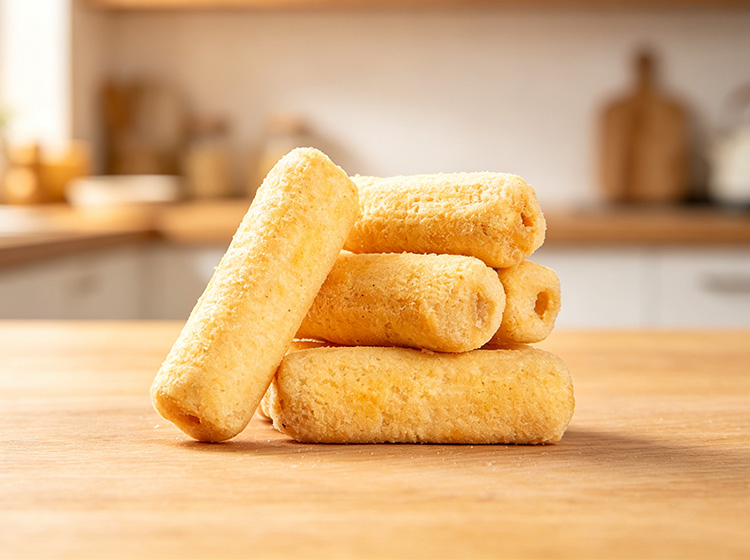
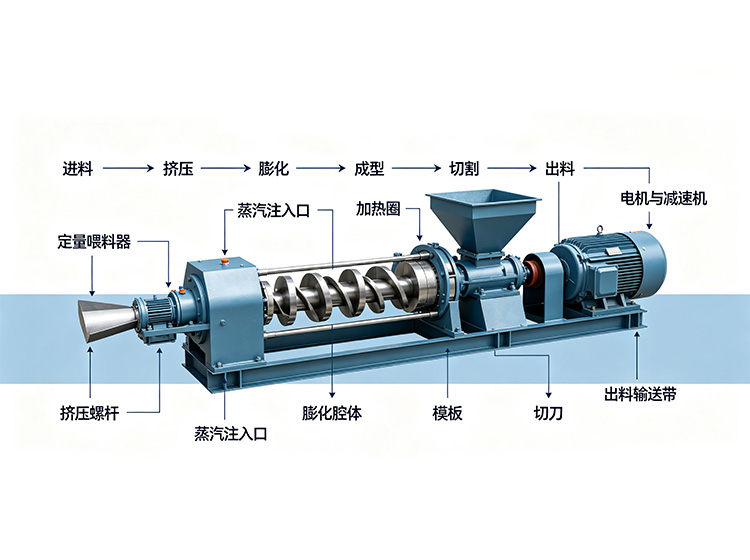
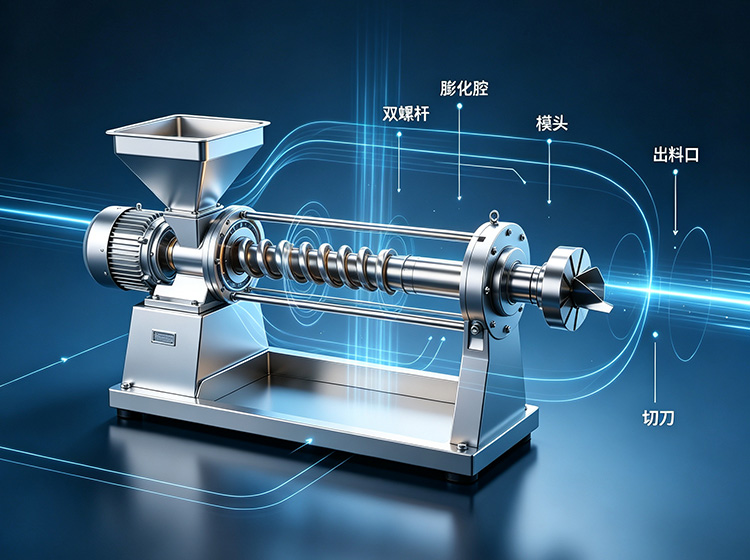
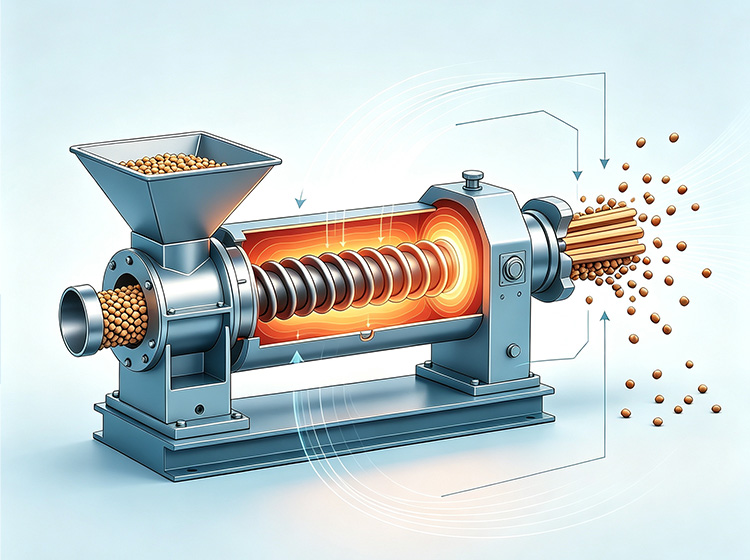
The Fortified Rice Production Line uses rice flour as the primary raw material and allows for optional addition of multiple vitamins and minerals according to requirements. The material is extruded and puffed by a twin-screw extruder into rice grain-shaped pellets, then dried to the desired moisture content; it is ready to eat after boiling for approximately 10 minutes. Extrusion puffing technology enables micronutrient fortification of rice, with nutrients stabilized within the rice grains to prevent loss. This product is highly popular among consumers for its convenience, speed of preparation, and high nutritional value.
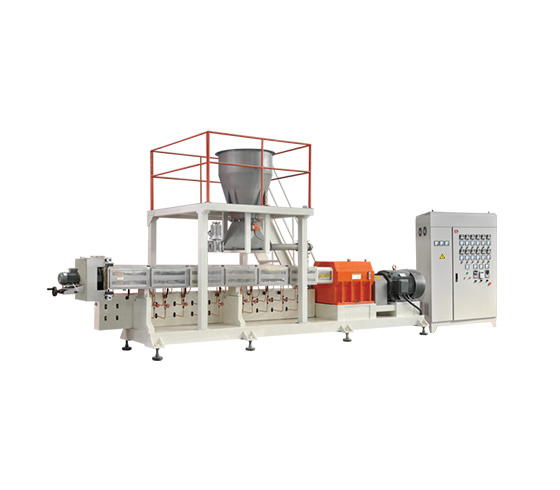
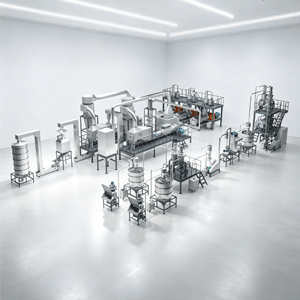
Our company’s developed nutritious rice production line offers multiple configurations, allowing customers to freely select suitable equipment according to production requirements. Below are introductions to three primary configurations of this production line:
Model: SLG65-CJ; Installed Power: 52 kW; Power Consumption: 8 kW; Capacity: 100–150 kg/h; Dimensions: 1620×1200×2200 mm
Model: SLG75-A; Installed Power: 24 kW; Power Consumption: 7 kW; Capacity: 200–300 kg/h; Dimensions: 1978×2100×2300 mm
Model: SLG72-E; Installed Power: 77 kW; Power Consumption: 84 kW; Capacity: 700–900 kg/h; Dimensions: 5990×900×7000 mm
Nutrition Rice Production Line Process Flow Composition:
Rice Flour Mixer: Mix rice flour with certain additives separately or collectively, and add a specified amount of water to achieve thorough and uniform mixing.
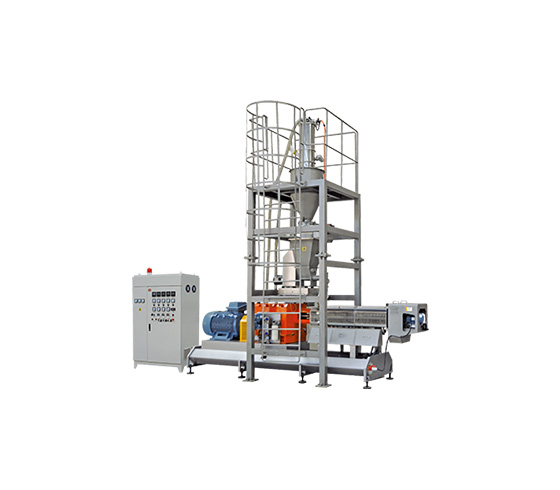
Spiral Feeder: Uses a motor as the spiral conveying power source to deliver the mixed raw materials to the feeding hopper of the extrusion expander, ensuring convenient and efficient feeding.
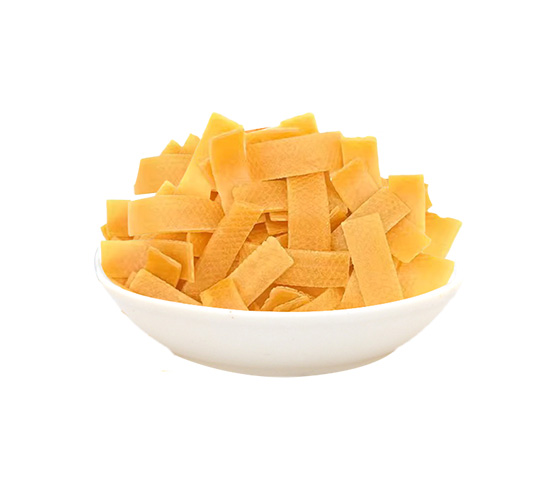
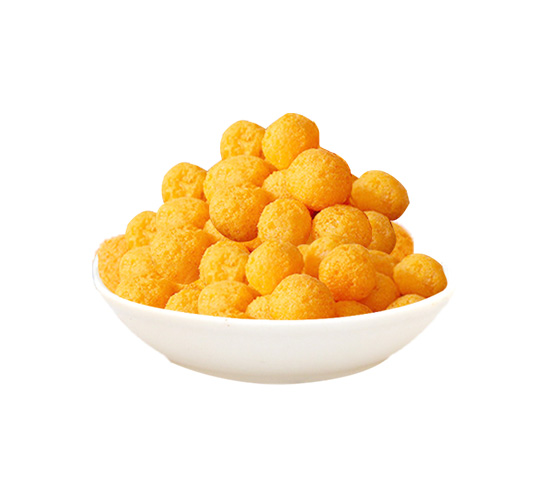
Twin-screw main unit: Equipped with a dedicated control cabinet for extruding rice grains under high pressure; rice grains of different shapes can be produced by adjusting process parameters and changing dies.
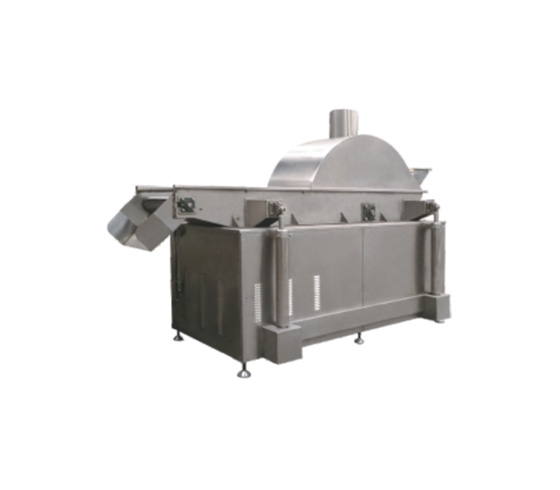
Cooling Vibrating Screen: The extruded pellets, which are at a certain temperature and possess tackiness, are cooled and spread out via the vibrating screen to prevent agglomeration.
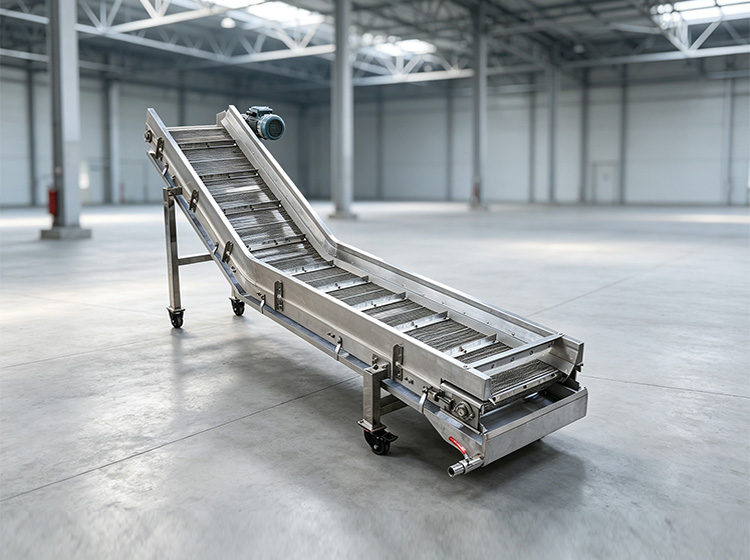
Elevator: Transports products to the oven; lifting height is determined according to the oven.
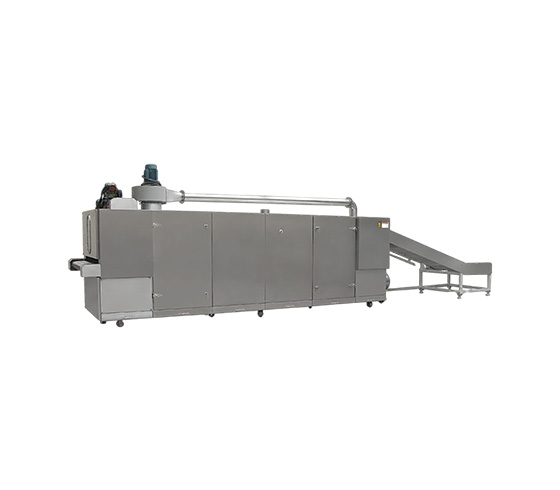
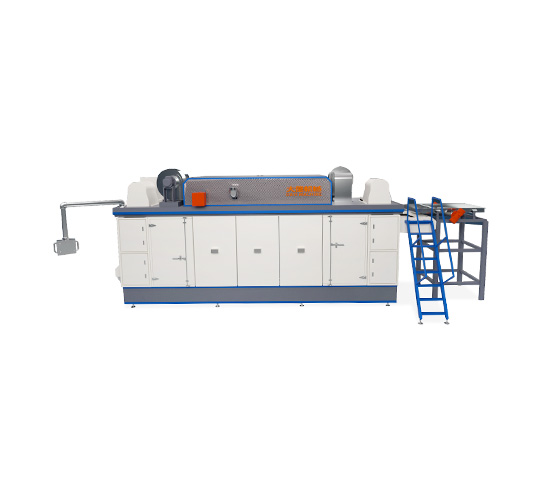
Multi-layer electric oven: This oven is an electrically heated oven with temperature adjustable from 0–200 °C via the control cabinet. It features a stainless-steel double-layer mesh belt inside; baking time can be adjusted by conveyor speed to reduce particle moisture content and extend shelf life.
Cooling Conveyor: After drying, the granules retain a certain temperature and must be cooled to room temperature to ensure packaging quality.
What conditions should be considered during implementation or selection?
First, clarify the product type, raw material condition, formulation direction, and expected finished product requirements. For projects involving extrusion, forming, drying, frying, conveying, flavoring, or packaging, the processing capacity and cycle time of each stage must be matched to avoid inconsistencies between individual equipment capacity and overall line requirements.
Next, the installation plan should be evaluated based on workshop space, power supply, water supply, steam or gas availability, and other utility conditions. Equipment configuration must also account for long-term operational factors such as cleaning, maintenance, safety protection, spare parts availability, and operator training. Any process parameters or equipment capabilities mentioned herein are intended solely for preliminary discussion and initial assessment; specific model numbers, power ratings, production capacities, temperatures, and time settings shall be determined strictly in accordance with the formal technical proposal and verified through machine testing or on-site validation.
FAQ
Can the equipment be determined directly based on the standard configuration?
Not recommended. Different raw materials, product structures, target production capacities, and downstream processes affect equipment configuration. It is more reliable to first confirm the product and process conditions, then conduct a configuration assessment.
How can I obtain more targeted recommendations?
We recommend preparing product images or sample information, raw material and formulation details, target production capacity, existing workshop conditions, and planned downstream equipment configuration. Based on this information, Dayi Machinery can further discuss suitable process routes and equipment configuration options.
This article is compiled based on Dayi Machinery’s “Nutrition Rice Production Line Selection Guide” and aims to help readers understand the relevant topics; for technical requirements of specific projects, please refer to the actual product documentation and engineering confirmation results.