Challenges in Deep-Processing Equipment for Lotus Root Foods

Published:2026-07-18

The challenges to be addressed in deep-processing equipment for lotus root products involve process design, equipment selection, and operational management of food processing and production machinery.The actual solution should be confirmed based on raw material characteristics, target product specifications, production scale, and on-site conditions, and should not be determined solely by single equipment parameters.

Key Points on the Challenges to Be Overcome in Deep Processing Equipment for Lotus Root Products

In August, a large volume of lotus roots hits the market, offering food enthusiasts a culinary feast.It is reported that a young entrepreneur in Jiangsu has developed more than 50 lotus root-based food products, opened a specialty lotus root restaurant, and completed the construction of a lotus root starch factory and a central kitchen this year to explore deep-processing technologies.

Lotus root is a treasure trove of benefits, serving both medicinal and dietary purposes.Dried lotus leaves can be used to make tea, lotus flowers are suitable for ornamental purposes, lotus pods produce seeds with a delicious flavor, and mature lotus roots serve as high-quality vegetable raw materials.China has numerous regions suitable for lotus root cultivation, and the industrialization of lotus root production will help rural areas embark on a path to prosperity.

Hubei Province is rich in lotus root resources and is renowned as one of the “Eight Aquatic Delicacies.”It is understood that the lotus root planting area in Honghu, Hubei, reaches 210,000 mu, with a total output of 300,000 tons.Since 2018, Honghu has leveraged four national geographical indication products—“Honghu Lotus Seeds,” “Honghu Lotus Shoots,” “Honghu Lotus Roots,” and “Honghu Lotus Leaf Tea”—to comprehensively build the “Honghu Lotus Roots” regional public brand. It has also established a reward mechanism for the lotus root industry to promote its sustained development and foster the growth of the entire industry chain.Huagui Food Group upgraded and expanded six deep-processing production lines for lotus roots, developed over 60 products including pickled lotus root shoots, bagged lotus root soup, wild lotus juice, and lotus leaf coffee, and achieved an annual output value of 1.8 billion yuan, becoming the leading enterprise in China's lotus root industry.Liancheng Company, in collaboration with Huazhong Agricultural University, has developed instant lotus root starch, breaking through the cumbersome bottlenecks of traditional lotus root starch preparation and making it as convenient to brew as milk tea, with monthly sales reaching up to 700,000 cups.

According to industry insiders, the first challenge in deep processing of lotus roots is to solve the preservation problem of fresh lotus roots, which are prone to oxidation and spoilage.To overcome the challenges of preserving fresh lotus roots, the primary task is to initiate supporting cold chain construction projects to ensure the storage conditions and freshness of the fresh lotus roots.The development of the deep-processing industry for lotus roots has also driven the construction of cold storage facilities in surrounding areas.Hubei Jiazhen Agriculture was officially completed and put into production in 2015. It is a modern “one-stop” enterprise integrating lotus root planting, purchasing, primary and deep processing, and sales, offering 12 series with more than 20 varieties.In 2017, Jiazhen Agriculture constructed its first quick-freezing warehouse for storing quick-frozen lotus rootPinch and lotus root balls;In 2018, three additional 100-ton prefabricated cold storage facilities were constructed to store fresh lotus roots, lotus root strips, and pre-packaged processed products.As lotus root processing volumes continued to increase, the company successively expanded its cold storage projects in 2019 and 2020.Currently, the cold storage capacity has reached 1,050 tons, significantly extending the shelf life of lotus roots and ensuring year-round continuous production and sales of processed products.

What conditions should be considered during implementation or selection?

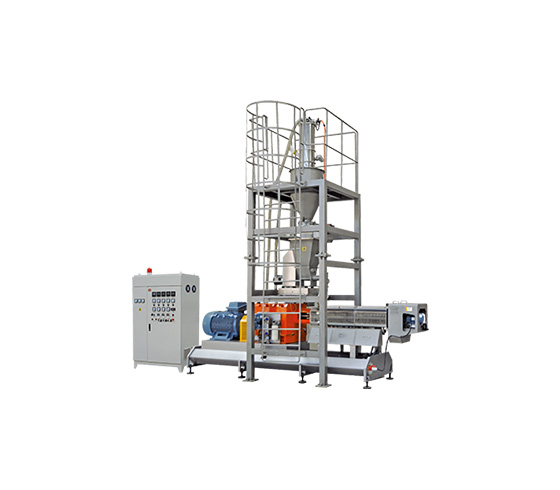
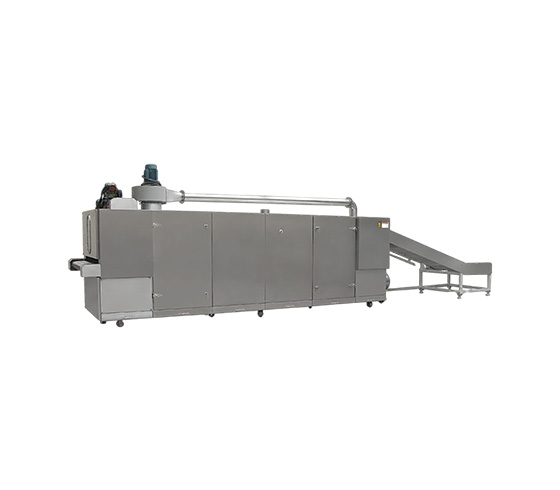
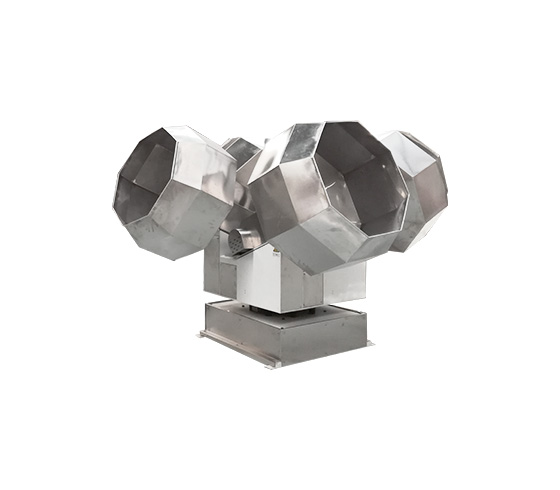
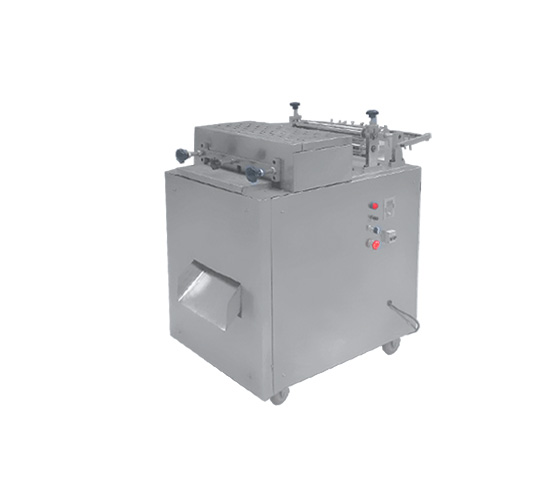
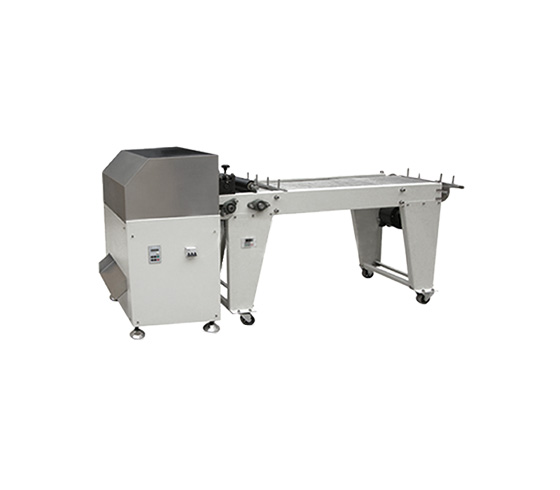
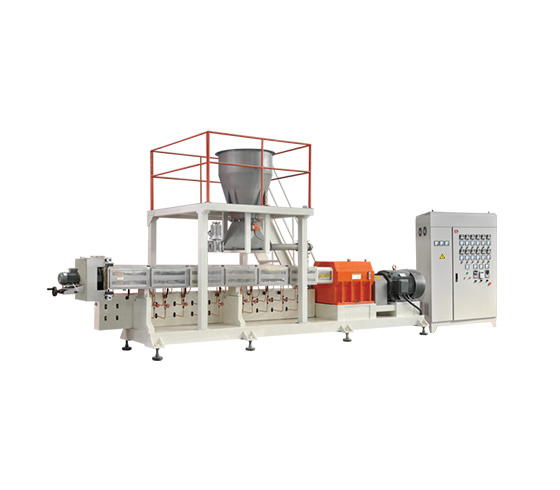
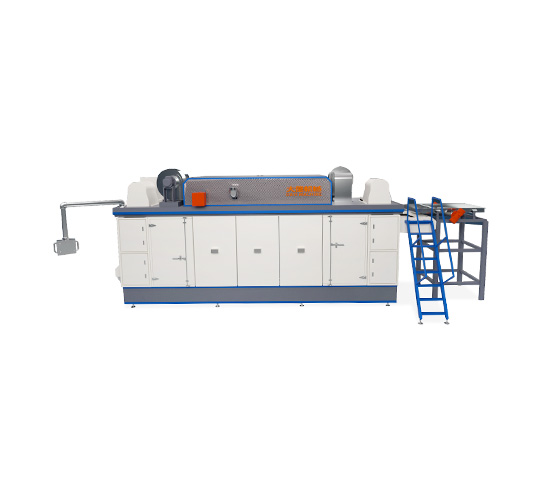
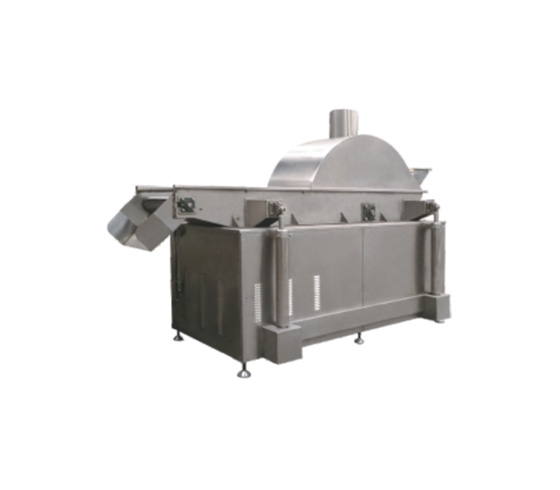
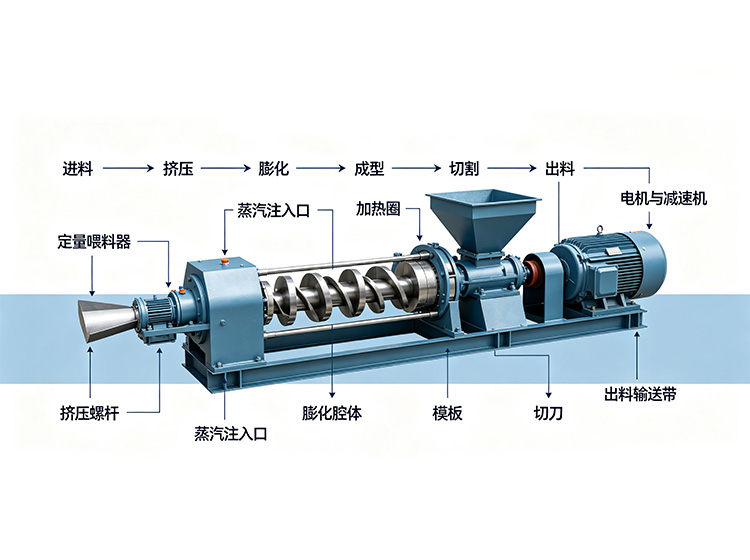
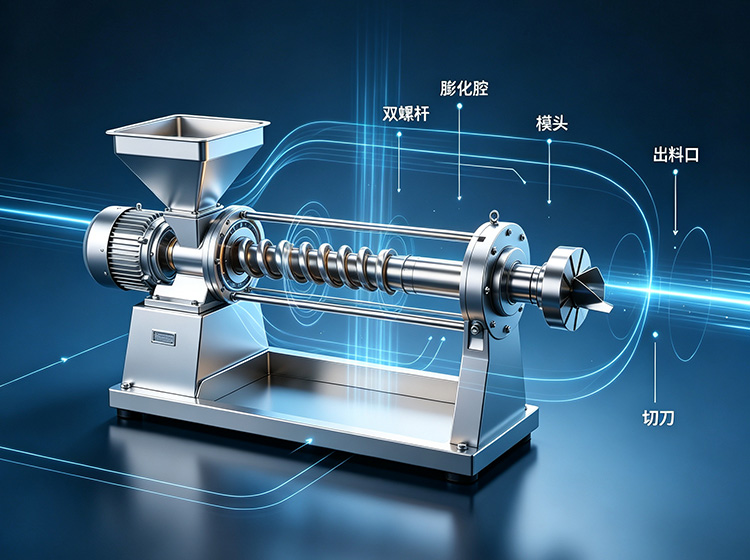
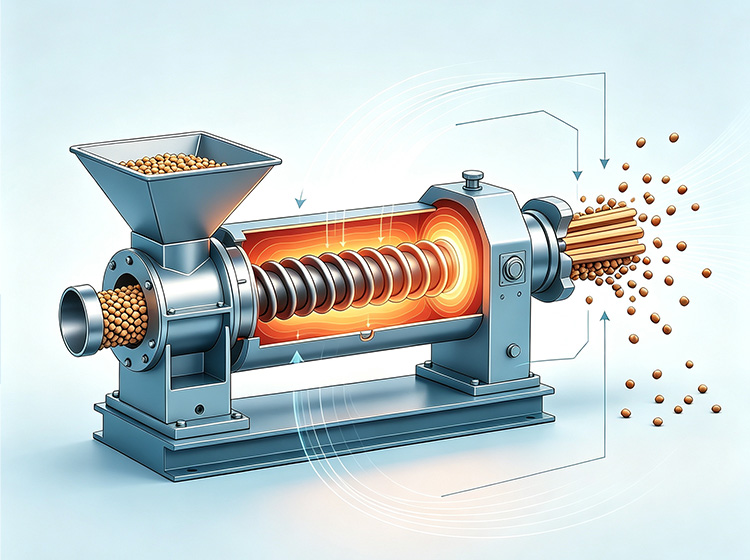
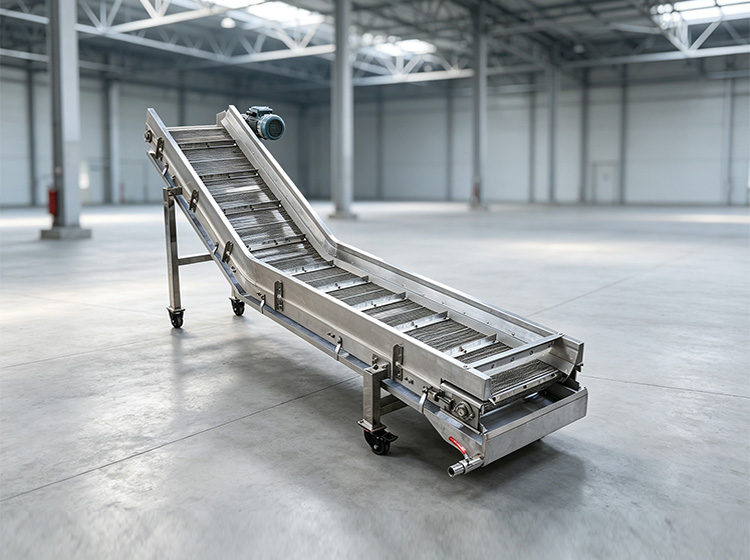
First, it is essential to clarify the product type, raw material state, formulation direction, and expected finished product requirements.For projects involving extrusion, forming, drying, frying, conveying, seasoning, or packaging, the processing capacity and cycle time of each stage must be matched to avoid discrepancies between individual equipment capacity and the overall line requirements.

Secondly, the installation plan should be evaluated in conjunction with the workshop's spatial layout and utility conditions, including power supply, water supply, steam, or gas.Equipment configuration should also take into account long-term operational factors such as cleaning, maintenance, safety protection, spare parts supply, and operator training.Any process or equipment capabilities mentioned in this document are for reference only in the context of solution discussions and preliminary assessments.Specific model numbers, power ratings, production capacities, temperatures, and times shall be subject to the formal technical proposal and the results of trial runs or on-site verification.

Frequently Asked Questions

Can the equipment be determined directly based on the standard configuration?

Not recommended.Different raw materials, product structures, target production capacities, and downstream processes can affect the equipment configuration.It is more prudent to confirm the product and process conditions before proceeding with the configuration assessment.

How to obtain more targeted advice?

It is recommended to prepare product images or sample information, raw material and formulation guidelines, target production capacity, existing workshop conditions, and planned downstream equipment configurations.Dayi Machinery can further discuss the applicable process routes and equipment configuration options based on this.

This article is compiled based on the document “Challenges to Be Overcome in Deep Processing Equipment for Lotus Root Products” provided by Dayi Machinery, with the aim of helping readers understand the relevant topics.For technical requirements related to specific projects, please refer to the actual product documentation and engineering confirmation results.