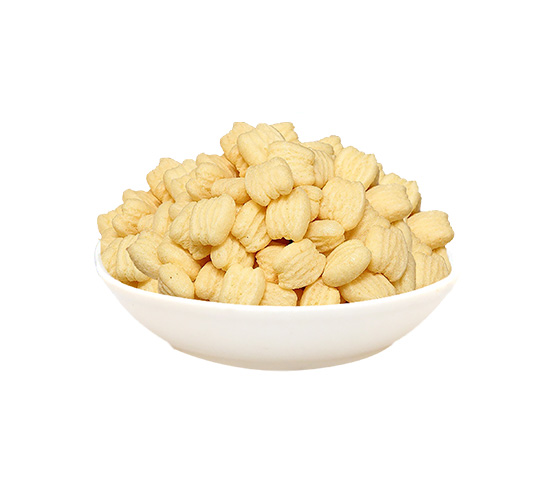
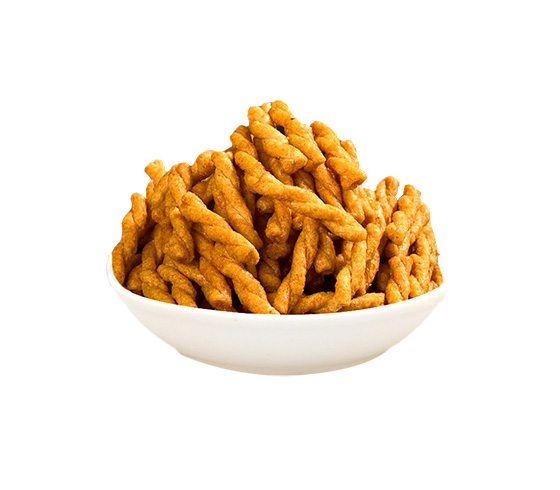
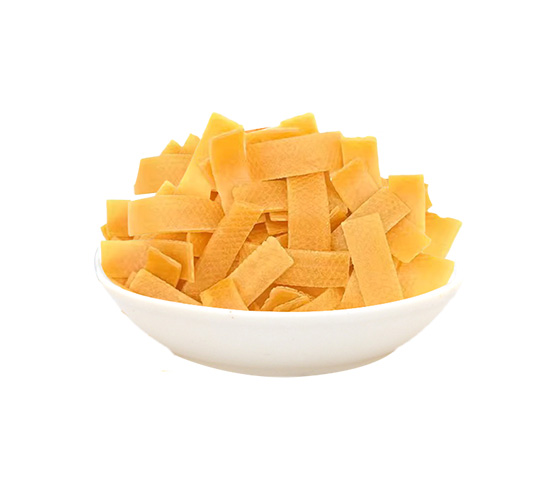
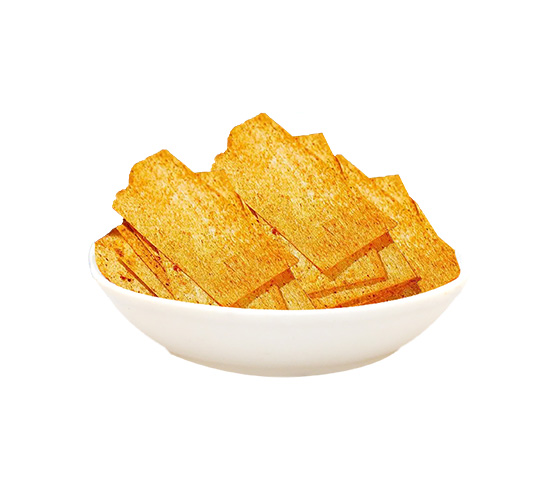
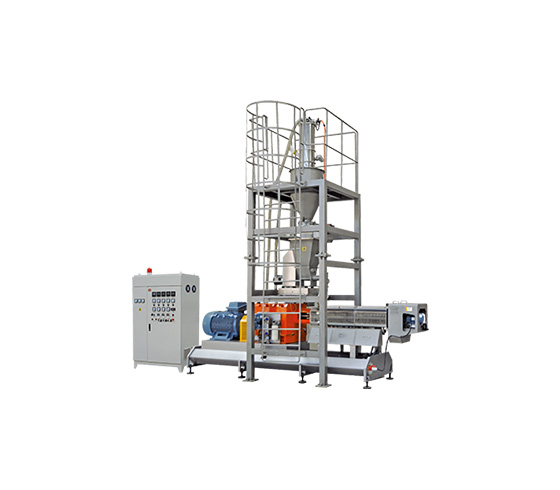
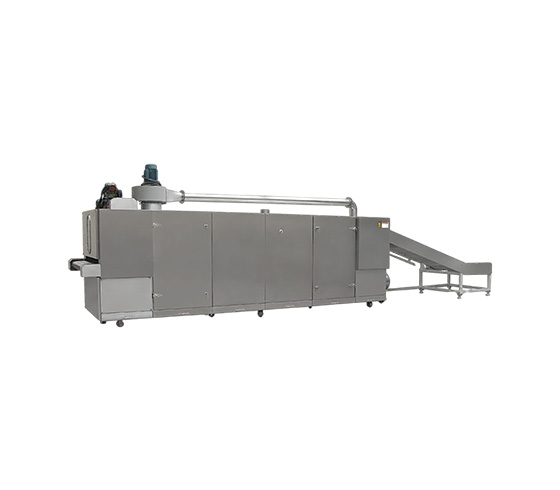
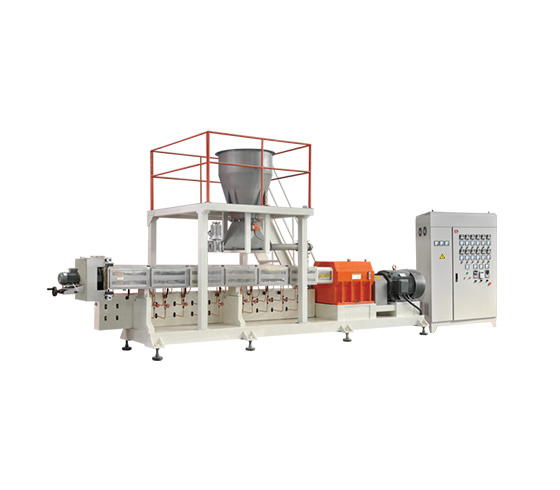
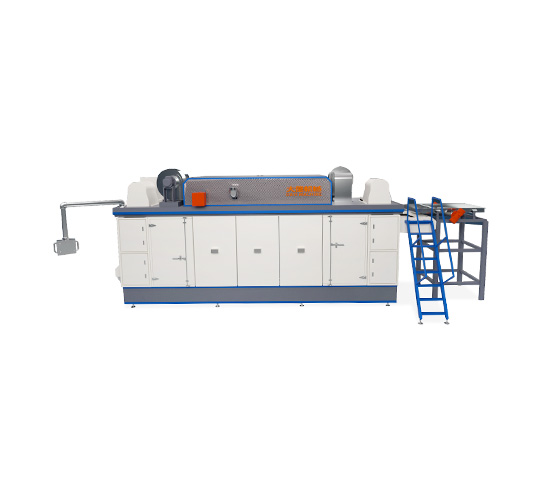
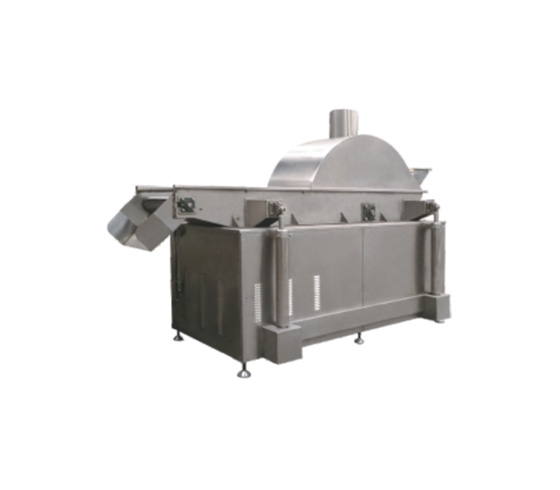
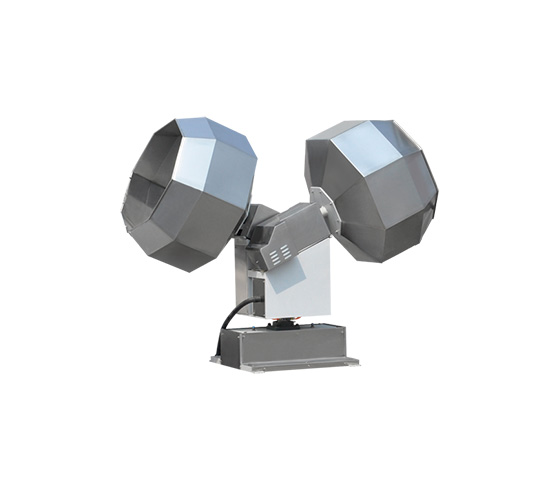
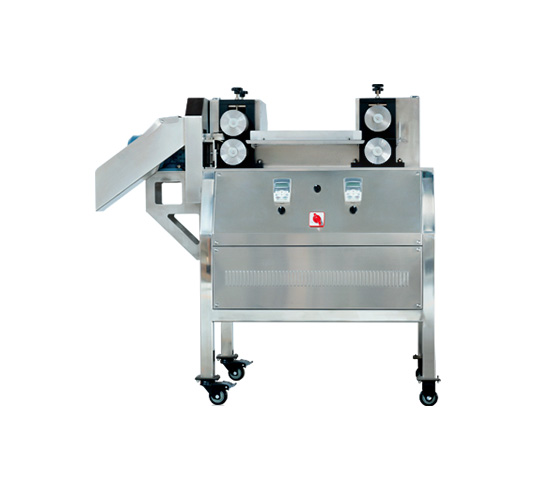
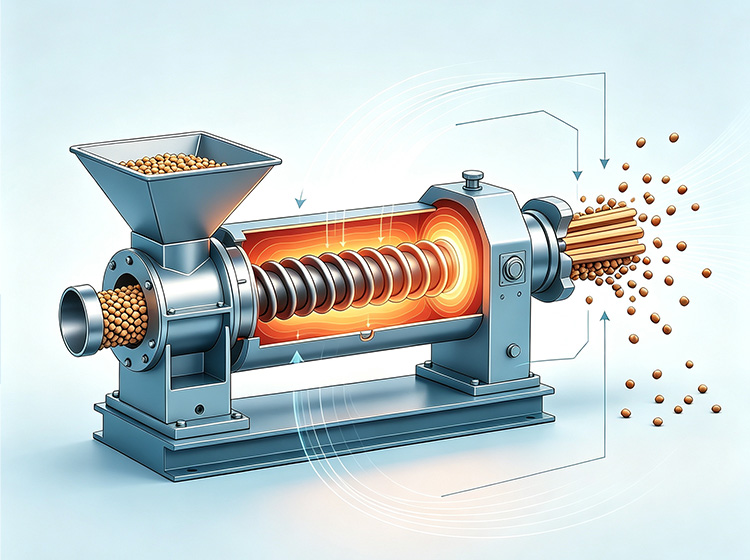
The research directions for food screw extrusion puffing machines involve process, equipment selection, or operational management issues in food processing and production equipment.The actual solution should be confirmed based on raw material characteristics, target product specifications, production scale, and on-site conditions, and should not be determined solely by single equipment parameters.
Core Focus Areas in the Research and Development of Food Screw Extrusion Puffing Machines
Screw extruders were first applied in the plastics industry. Their theoretical research began early, leading to the development of various mathematical models that describe the fundamental principles of flow and heat transfer during extrusion. These models have been utilized to achieve precise simulation-based design of extruders.The application of extrusion technology in the food industry lags slightly behind that in the plastics industry, primarily due to the complexity of food raw materials.Models suitable for simple plastic extrusion systems cannot be directly applied to simulate food systems.Therefore, the challenges encountered by food engineers during the development process are primarily resolved through practical experience.However, as early as the early 1970s, simulation and optimization technologies were applied to the field of food extrusion.By referencing engineering and scientific principles, models and simulation systems that closely approximate real-world food systems have been established.This is of great significance in guiding people to deepen their understanding of this complex process, improving the application efficiency of extrusion puffing machine technology, and ultimately mastering the basic principles of extrusion to guide the further development of this technology.
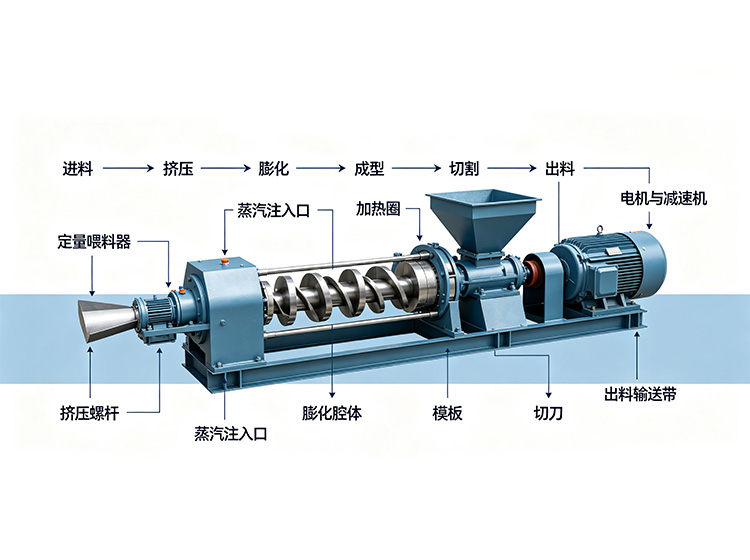
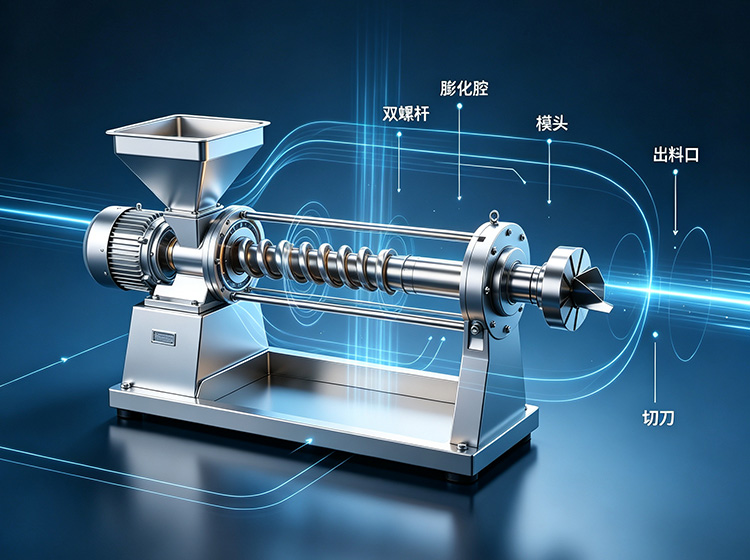
Subject: Research Directions for Food Screw Extrusion Puffing Machines;Optimization of structural parameters for screw extruders: The performance of extruders largely depends on the design of the screw.Screw parameters are numerous and their interrelationships are complex; the determination of these parameters is closely related to the performance of the processed material and the quality of the final product.How to correctly establish the mathematical models between them is one of the current research directions.Currently, screw design primarily relies on empirical methods, largely referencing the design approaches used for plastic extrusion and puffing machines.In the field of food extrusion puffing machines, mature design methods are still lacking.
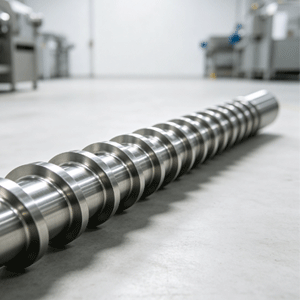
Subject: Research Directions for Food Screw Extrusion Puffing Machines;Analysis of Wear Resistance of Screw and Barrel: The screw, barrel, and discharge die of the screw extrusionSwellingTransform machine are all wear-prone components.To enhance the service life, operational stability, and product quality of extrusion puffing machines, it is essential to conduct in-depth research on wear mechanisms and to manufacture these components using high-quality wear-resistant materials.Currently, research in this field is relatively limited.To establish a research model for the wear mechanism of the screw and barrel in food extrusion puffing machines, it is necessary to proceed from the following aspects:
Subject: Research Directions for Food Screw Extrusion Puffing Machines;Analysis of Wear Resistance of Screw and Barrel: Study the wear patterns of the barrel and screw;2. Select materials that are both wear-resistant and compliant with food hygiene requirements;3. Conduct wear tests, analyze the wear results, and propose measures to reduce wear.
What conditions should be considered during implementation or selection?
First, it is essential to clarify the product type, raw material state, formulation direction, and expected finished product requirements.For projects involving extrusion, forming, drying, frying, conveying, seasoning, or packaging, the processing capacity and cycle time of each stage must be matched to avoid discrepancies between individual equipment capacity and the overall line requirements.
Secondly, the installation plan should be evaluated in conjunction with the workshop's spatial layout and utility conditions, including power supply, water supply, steam, or gas.Equipment configuration should also take into account long-term operational factors such as cleaning, maintenance, safety protection, spare parts supply, and operator training.Any process or equipment capabilities mentioned in this document are for reference only in the context of solution discussions and preliminary assessments.Specific model numbers, power ratings, production capacities, temperatures, and times shall be subject to the formal technical proposal and the results of trial runs or on-site verification.
Frequently Asked Questions
Can the equipment be determined directly based on the standard configuration?
Not recommended.Different raw materials, product structures, target production capacities, and downstream processes can affect the equipment configuration.It is more prudent to confirm the product and process conditions before proceeding with the configuration assessment.
How to obtain more targeted advice?
It is recommended to prepare product images or sample information, raw material and formulation guidelines, target production capacity, existing workshop conditions, and planned downstream equipment configurations.Dayi Machinery can further discuss the applicable process routes and equipment configuration options based on this.
This article is compiled based on the document "Research Directions for Food Screw Extrusion Puffing Machines" provided by Dayi Machinery, with the aim of helping readers understand the relevant topics.For technical requirements related to specific projects, please refer to the actual product documentation and engineering confirmation results.