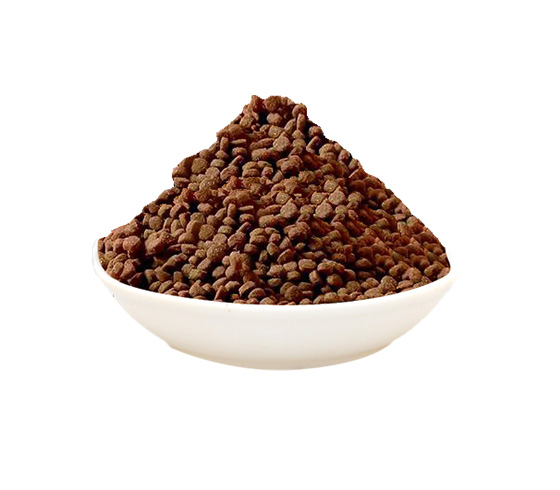
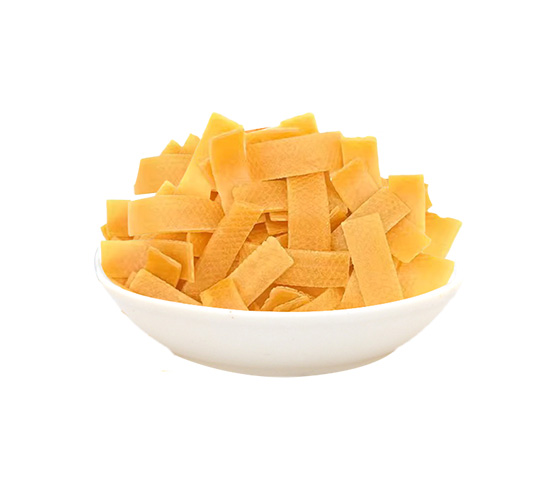
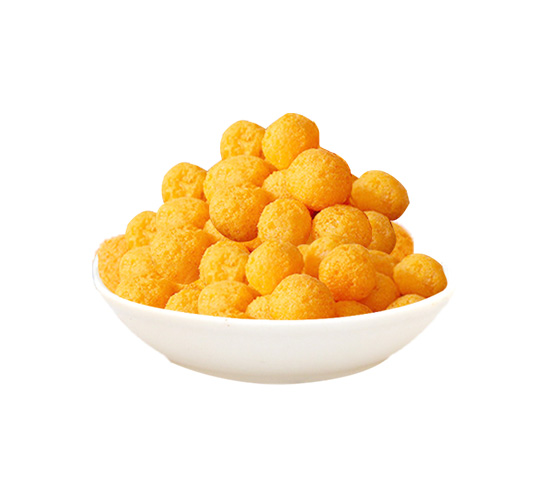
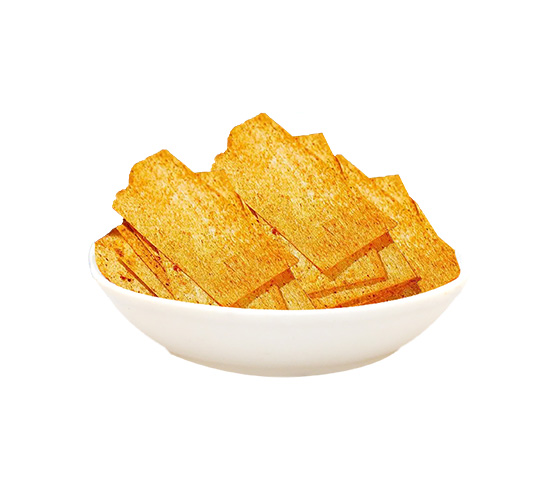
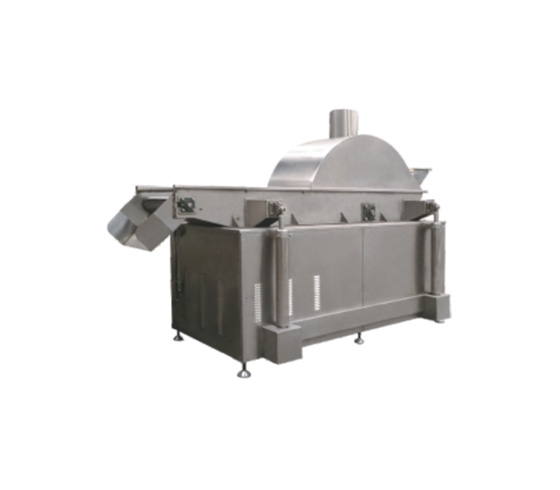
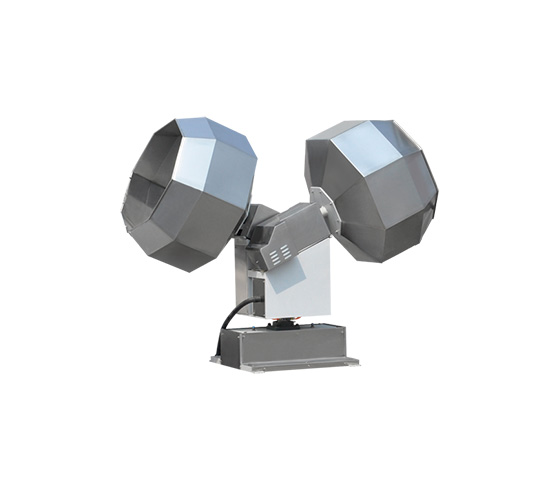
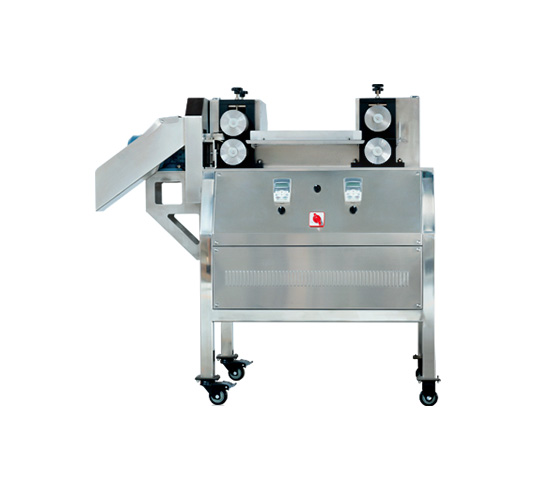
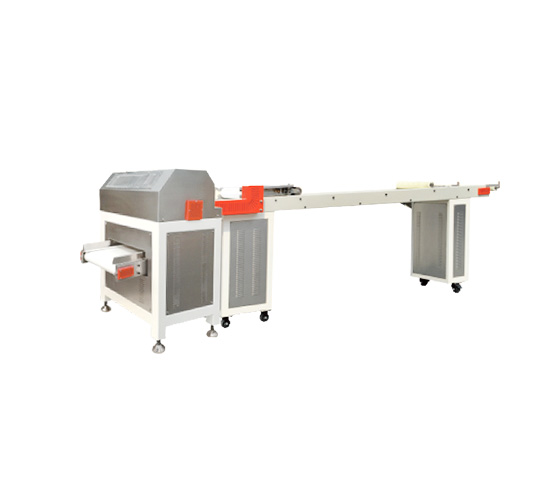
Automation production lines in the food industry are accelerating innovation, involving process, equipment selection, or operational management issues related to food processing and production equipment.The actual solution must be confirmed based on raw material characteristics, target product, production scale, and site conditions—not solely on the basis of a single equipment parameter.
Core Points for Accelerating Innovation in Automated Production Lines for the Food Industry
In recent years, against the backdrop of consumption upgrading, the food industry—which has experienced rapid growth—has gradually shifted its focus from “quantity” to “quality.”To meet the multifaceted requirements for enhancing product quality and safety, as well as the overarching goal of high-quality development, technological upgrading of existing plants through the introduction of a series of food production machinery—driving automation, digitalization, and intelligent transformation on the production side—has become an established trend.Today, the production workshops of many food brands have taken on a completely new look.
Subject: Accelerated Innovation in Automated Production Lines for the Food IndustryNutritional Powder and Infant Food Production Line: As the saying goes, “Food is the paramount necessity of the people.”From the development of the food processing industry to meet people’s basic needs for clothing and food, to street-side food retailing, to the emergence of small-scale food workshops, and subsequently to the flourishing of the food industry, various categories have emerged—including edible oil, pastries, confectionery, meat products processing, and snack foods.The food industry has become an indispensable part of people’s daily lives and social-economic development.
Subject: Accelerated Innovation in Automated Production Lines for the Food IndustryNutrition Powder and Infant Food Production Line: However, the food industry has inevitably faced certain issues during its rapid development over a long period.For example, food production processes often involve substantial manual labor, with repetitive and tedious procedures being relatively simple yet labor-intensive.In addition, non-standard operating procedures and lapses in personal hygiene can also affect food quality.This is also a key point of particular concern to consumers in food consumption.Although food production is gradually becoming mechanized with the continuous optimization of food production technology, many challenges remain regarding food safety.Moreover, product innovation amid product homogenization and capacity expansion under large-scale production are also major challenges facing the sustained growth of the food industry.
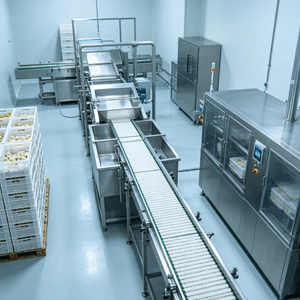
Subject: Automated Production Lines in the Food Industry Accelerate InnovationNutritional Powder and Infant Food Production Line: As people’s income levels and material living standards continue to rise, food consumption is shifting from “having enough to eat” to “eating well,” and food production and processing are transitioning from purely manual operations to semi-mechanized and fully mechanized processes.Entering a new era of modern development, the trend toward intelligent manufacturing is becoming increasingly clear, supported by emerging technologies such as artificial intelligence and the Internet of Things.The food processing industry is advancing further toward automation, intelligence, and digitization.Many large food enterprises’ production workshops now feature a more open, transparent, and clean, well-organized environment; smooth operation of production lines has provided the entire industry with a “new model” and pointed the way toward new directions.
Subject: Accelerated Innovation in Automated Production Lines for the Food IndustryTortilla Chip and Doritos-Style Chip Production Line: Taking dairy production as an example, with the integrated industrial chain development model—covering forage cultivation, dairy farming, dairy processing, dairy R&D, cold-chain logistics, and sales—becoming increasingly stable, high-quality upstream milk supply will be effectively controlled.Storage, transportation, and rapid entry into processing of raw milk are bringing new changes to the production of milk powder, fresh milk, and other dairy products.Facing the secondary packaging challenges in diversified dairy product processing—such as the development and implementation of intelligent packaging production lines for liquid foods, and robotic applications integrating high-speed filling and sorting technology with trapezoidal floating-structure suction cup gripping technology—significantly enhances efficiency, stability, and accuracy in dairy product traceability, gripping, and packaging, enabling flexible, adaptable production.
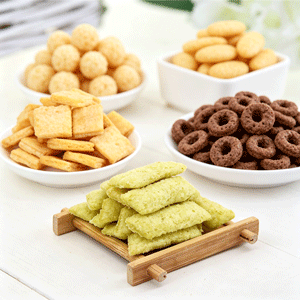
Subject: Accelerated Innovation in Automated Production Lines for the Food IndustryTortilla Chip and Doritos-Style Chip Production Line: Taking snack food production as an example, confectionery and puffed snacks were representative categories historically produced by small workshops—and remain resilient food categories within the continuously growing snack food industry.In the food industry, they are shifting toward intelligent production processes.Among these, categories that appear unremarkable yet accelerate transformation and expansion also warrant attention.For example, a comprehensive food enterprise currently operates 31 production bases nationwide, equipped with thousands of production lines and an automated management system covering the processing of toffee, snow cakes, and small steamed buns. Its production workshops have achieved a high level of automation and intelligence, earning it the title of “amusement park” of the snack industry.
Subject: Accelerated Innovation in Automated Production Lines for the Food IndustryTriangular and Doritos-style potato chip production line: The food industry has, over its long development history, essentially undergone four stages of development.Whether driven by current market demand changes or the urgent need for industry development breakthroughs, production automation and intelligent transformation have become an important development path.For the food industry—still dominated by small and medium-sized enterprises—the advancement of industrial integration and transformation requires not only proactive adaptation by enterprises within the sector but also timely policy support.
What conditions should be considered during implementation or selection?
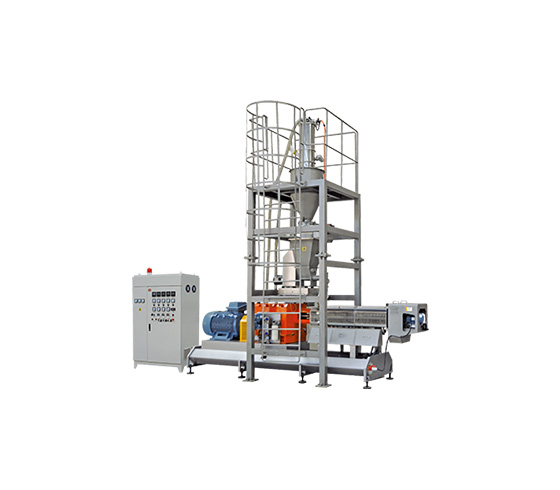
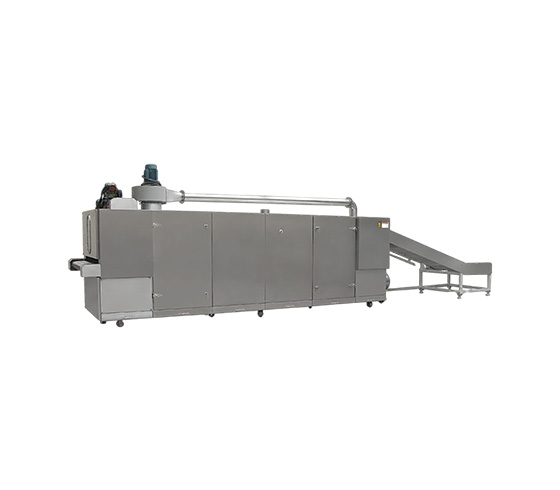
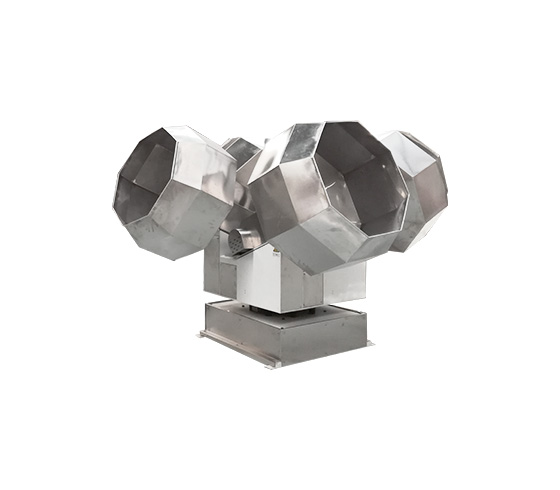
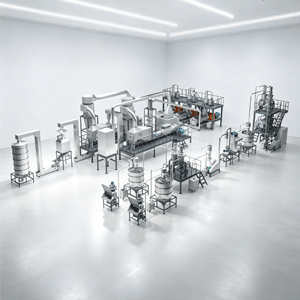
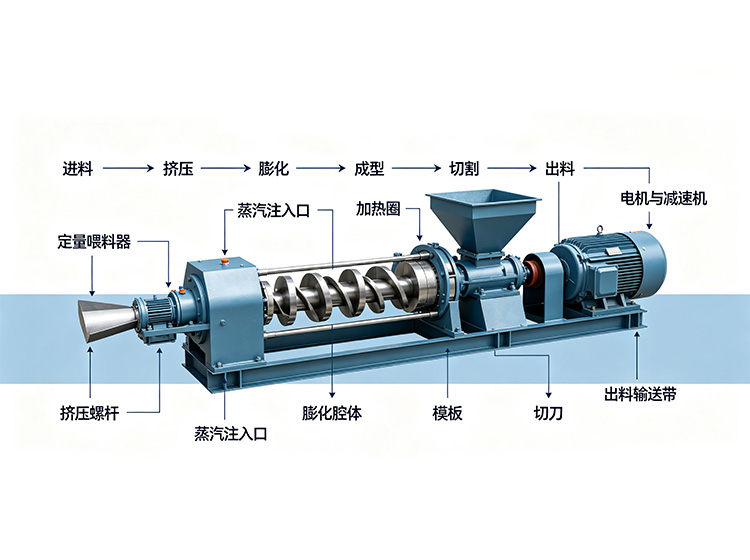
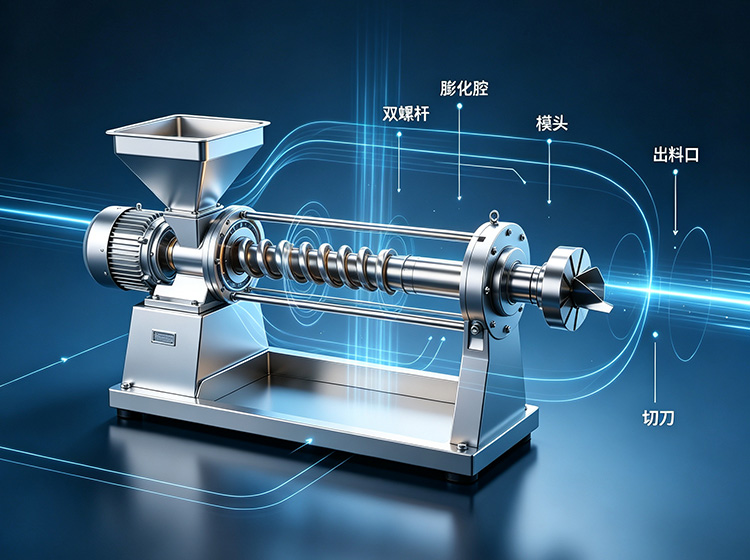
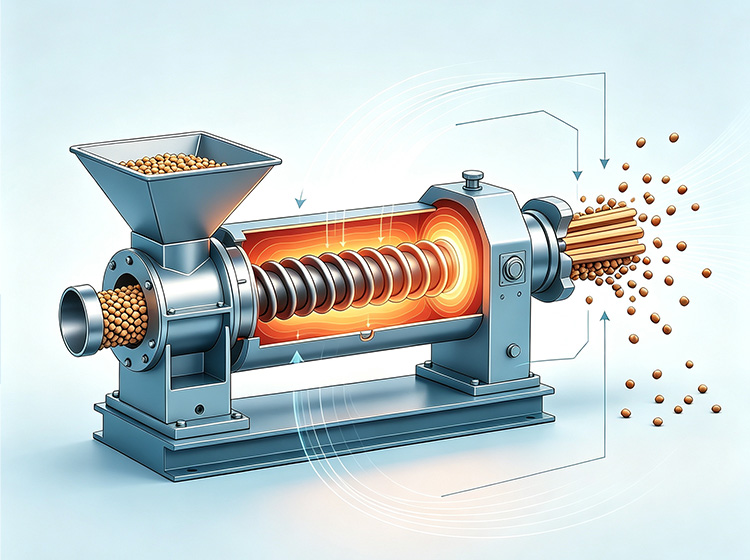
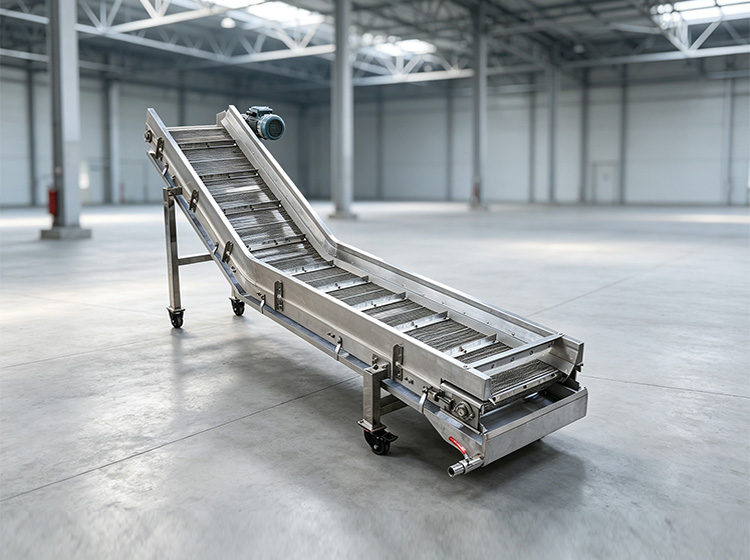
First, the product type, raw material condition, formulation direction, and expected finished product requirements must be clearly defined.For projects involving extrusion, forming, drying, frying, conveying, flavoring, or packaging, the processing capacity and cycle time of each stage must be matched to avoid inconsistencies between the capacity of individual equipment and the overall line requirements.
Secondly, the installation plan should be evaluated in conjunction with workshop space, power supply, water supply, steam, or gas utility conditions.Long-term usage factors such as cleaning, maintenance, safety protection, spare parts supply, and operator training should also be considered in equipment configuration.Where the text involves processes or equipment capabilities, it is provided for reference only in scheme communication and preliminary assessment.Specific model numbers, power ratings, production capacities, temperatures, and times shall be subject to the official technical proposal and results of trial operation or on-site verification.
FAQ
Can the equipment be finalized based on the standard configuration?
Not recommended.Different raw materials, product structures, target production capacities, and downstream processes affect equipment configuration.It is more prudent to first confirm the product and process conditions, then proceed with configuration evaluation.
How can I obtain more targeted recommendations?
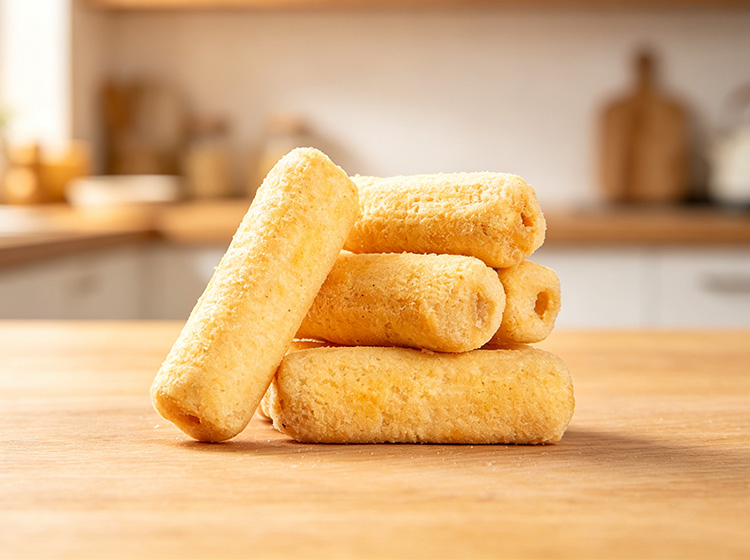
It is recommended to prepare product images or sample information, raw material and formulation details, target production capacity, existing workshop conditions, and planned downstream equipment configuration.Dayi Machinery can further communicate the applicable process routes and equipment configuration ranges based on this.
This article is compiled based on Dayi Machinery’s “Accelerating Innovation in Automated Production Lines for the Food Industry” documentation, aiming to help readers understand the relevant topic.Technical requirements for specific projects shall be subject to the actual product documentation and engineering confirmation results.