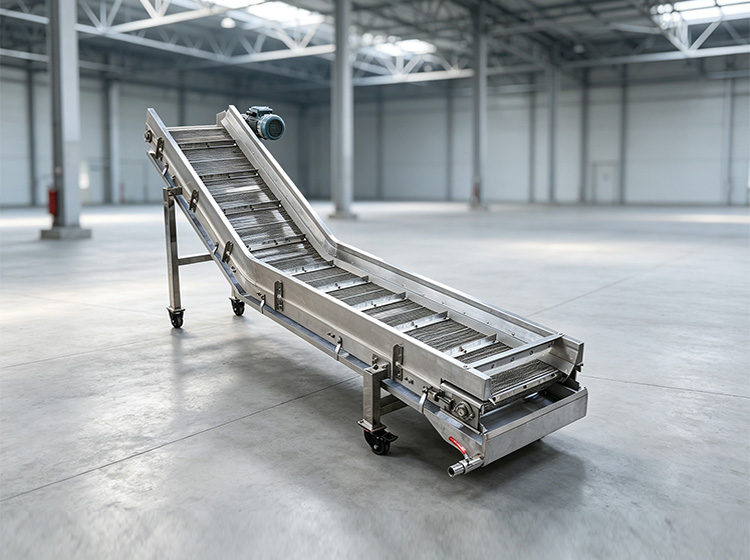
Food Equipment Selection Guide addresses process, selection, or operational management issues related to food processing and production equipment.The actual solution must be confirmed based on raw material characteristics, target product, production scale, and site conditions—not solely on the parameters of a single piece of equipment.
Core Points of the Food Equipment Selection Guide
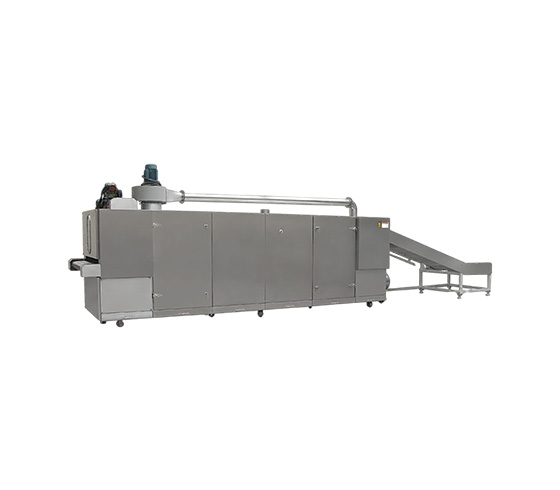
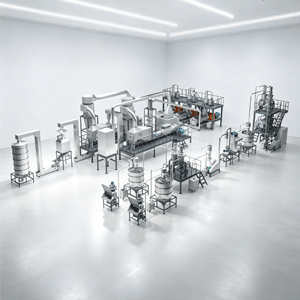
Unit production capacity refers to the ability of mechanical equipment to produce food products, i.e., the production rate of a specific food.For example, how many mooncakes per hour can a tunnel oven bake?Food production is typically a continuous process, with multiple machines and equipment always configured along the production line to complete the manufacturing of a single product.For example, the mooncake production line consists of equipment for ingredient metering, mixing, blending, forming, baking, and packaging, with various conveying and auxiliary equipment installed between these units.The production capacity of each machine must be balanced and consistent; otherwise, the production capacity of some machines will not be fully utilized, while other sections will suffer from insufficient capacity.The capacity of the entire production line can only be determined by the equipment with the lowest capacity in the line.
Consumption Coefficient: The consumption coefficient refers to the amount of raw materials and energy consumed by mechanical equipment to produce a unit weight or volume of product, including raw materials, fuel, steam, water, electrical energy, lubricants, part wear, and machine depreciation.The consumption coefficient is closely related not only to the adopted process route but also to the design of the mechanical equipment.For example, operations commonly involved in food production—such as evaporation, drying, and baking—all require substantial thermal energy.Adopting different heat sources and structures in machine design may yield varying technical and economic indicators.In general, the lower the consumption coefficient, the better.
Equipment Price: The price of mechanical equipment directly affects the investment scale of food factories.In general, if the same or similar process results can be achieved, equipment with a lower price should be selected.However, sometimes equipment with more complex structures and higher prices delivers superior performance, ensuring higher quality of food products and enabling automated operation and control; thus, after a comprehensive economic analysis, the higher price may be acceptable.
Operating costs include labor wages, operation and maintenance, and major repair costs.Management expenses account for a considerable proportion of production costs, but they are not an isolated factor.Some machines are relatively simple, with low equipment and maintenance costs, but using labor in production may not be cost-effective.Conversely, adopting a highly automated production line may increase the initial investment but could reduce operating costs.
Total Product Cost: This is a comprehensive reflection of all economic benefits in production and serves as the fundamental starting point for food factories selecting food machinery.
What conditions should be considered during implementation or selection?
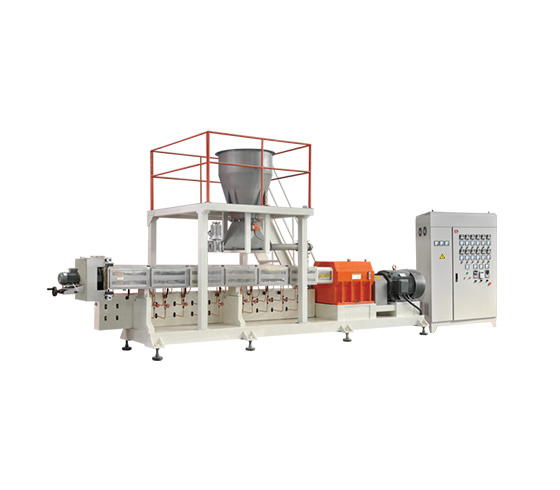
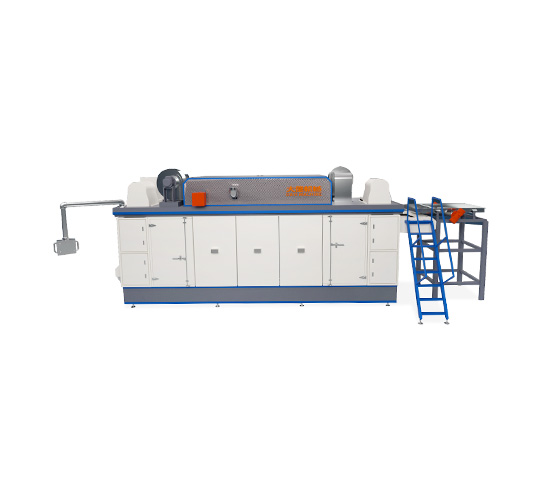
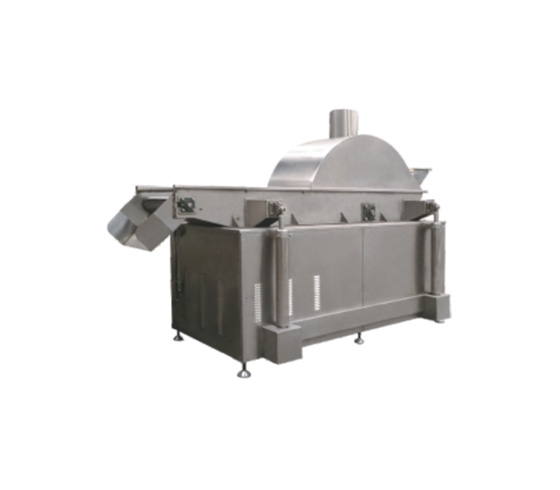
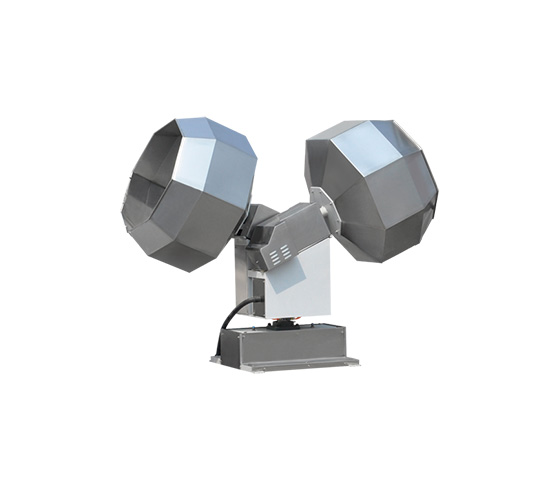
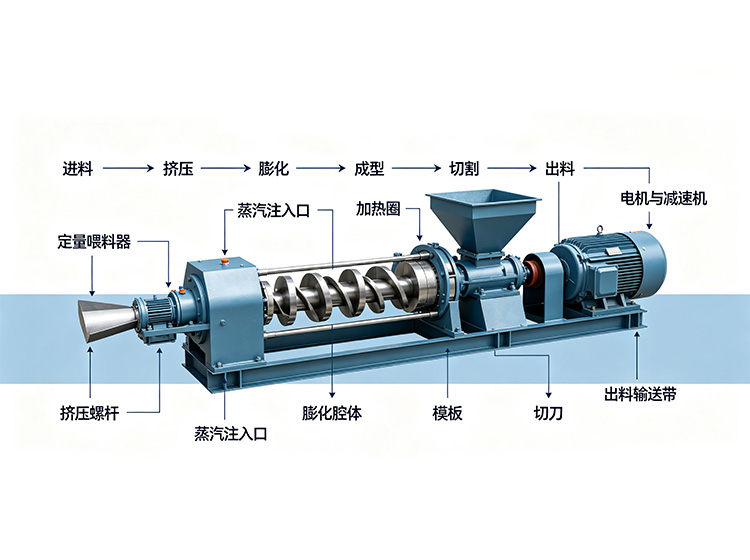
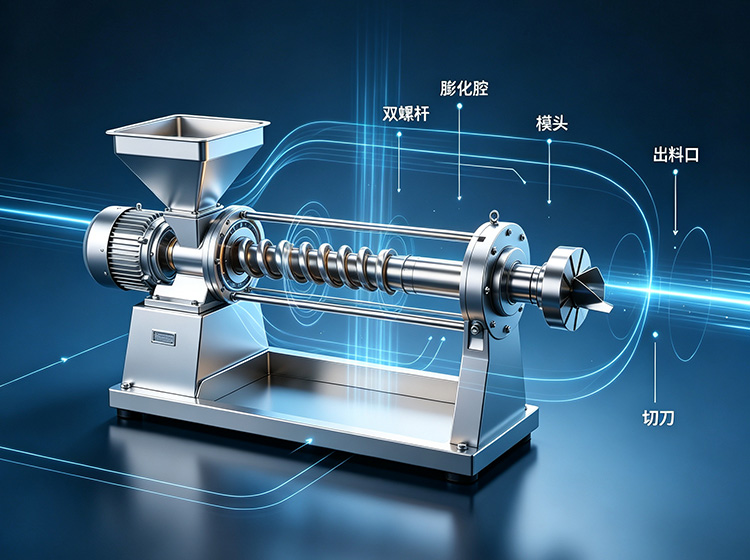
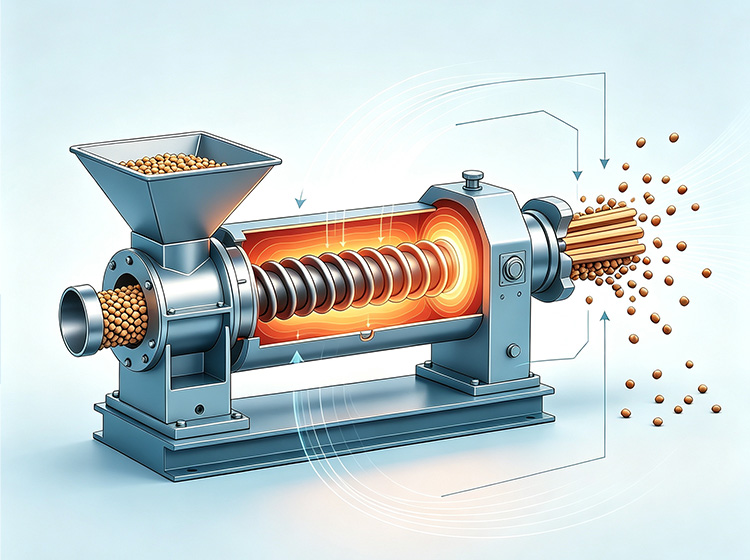
First, the product type, raw material condition, formulation direction, and expected finished product requirements must be clearly defined.For projects involving extrusion, forming, drying, frying, conveying, flavoring, or packaging, the processing capacity and cycle time of each stage must be matched to prevent mismatch between the capacity of individual equipment and the overall line requirements.
Secondly, the installation plan should be evaluated in conjunction with workshop space, power supply, water supply, steam, or gas utility conditions.Long-term usage factors such as cleaning, maintenance, safety protection, spare parts supply, and operator training should also be considered in equipment configuration.Where the text involves processes or equipment capabilities, it is provided for reference only in scheme communication and preliminary assessment.Specific model numbers, power ratings, production capacities, temperatures, and time settings shall be subject to the official technical proposal and verification results from trial operation or on-site testing.
FAQ
Can the equipment be directly confirmed based on the standard configuration?
Not recommended.Different raw materials, product structures, target production capacities, and downstream processes affect equipment configurations.It is safer to first confirm the product and process conditions, and then proceed with configuration evaluation.
How can I obtain more targeted recommendations?
It is recommended to prepare product images or sample information, raw materials and formulation details, target production capacity, existing workshop conditions, and planned downstream equipment configuration.Dayi Machinery can further communicate the applicable process routes and equipment configuration ranges based on this.
This article is compiled based on Dayi Machinery’s “Food Equipment Selection Guide” to assist readers in understanding the relevant topics.Technical requirements for specific projects shall be subject to the actual product documentation and engineering confirmation results.