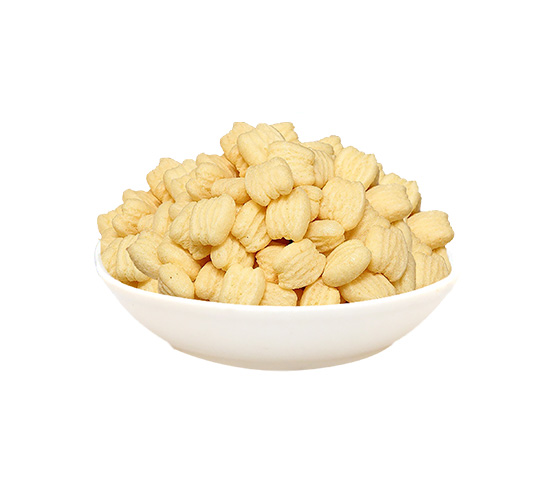
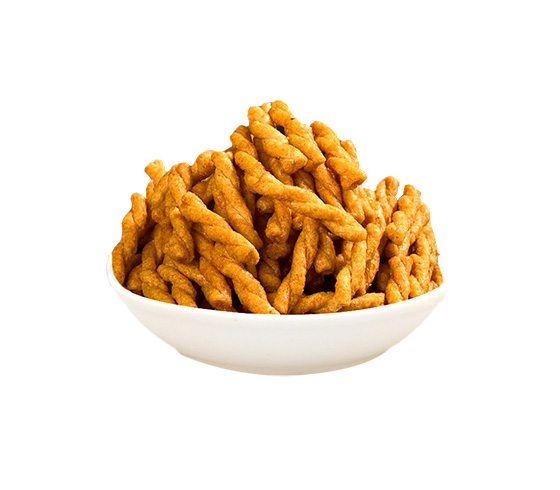
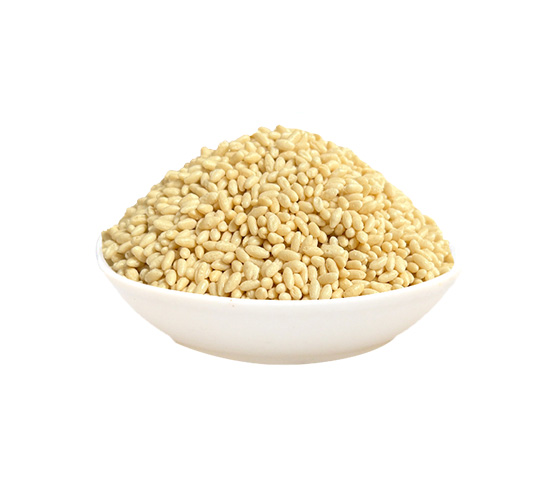
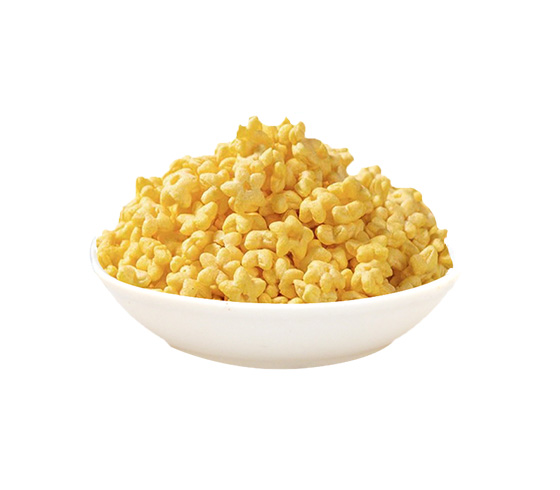
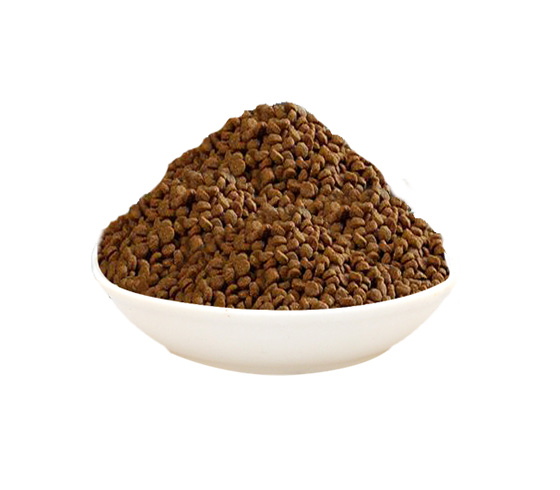
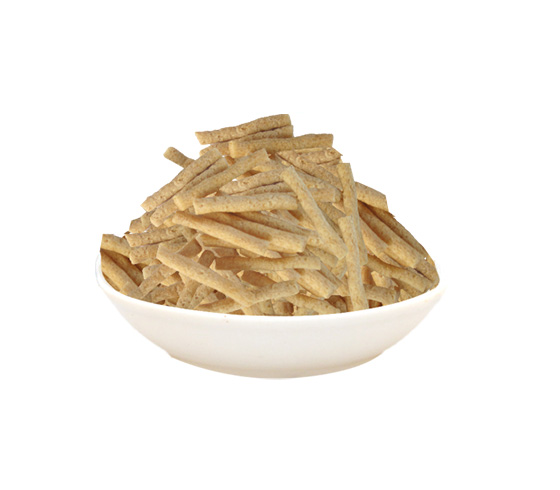
The texturized vegetable protein (TVP) production line involves process, equipment selection, or operational management issues related to food processing and production equipment.The actual solution should be confirmed based on raw material characteristics, target product specifications, production scale, and on-site conditions, and should not be determined solely by the parameters of a single piece of equipment.
Key Points of the Textured Vegetable Protein Production Line
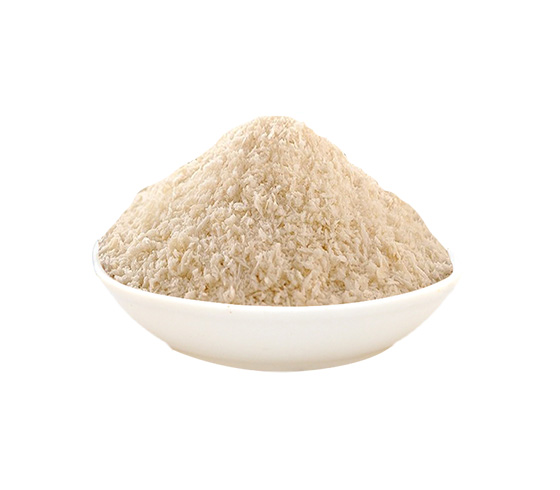
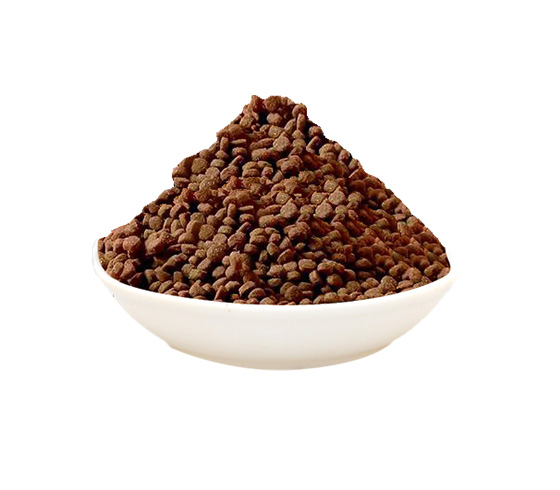
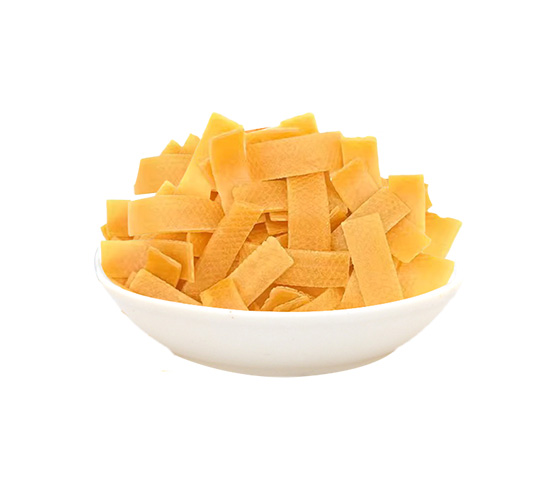
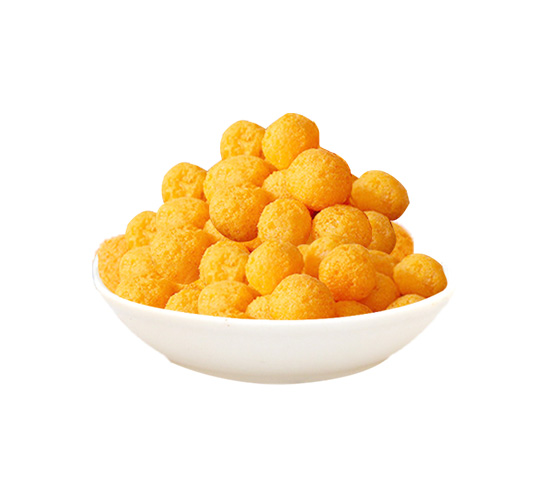
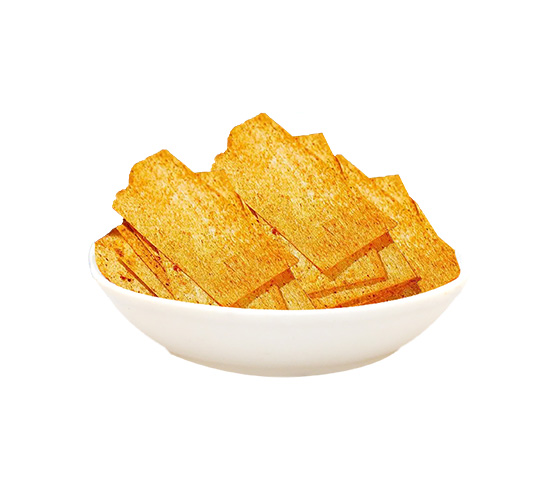
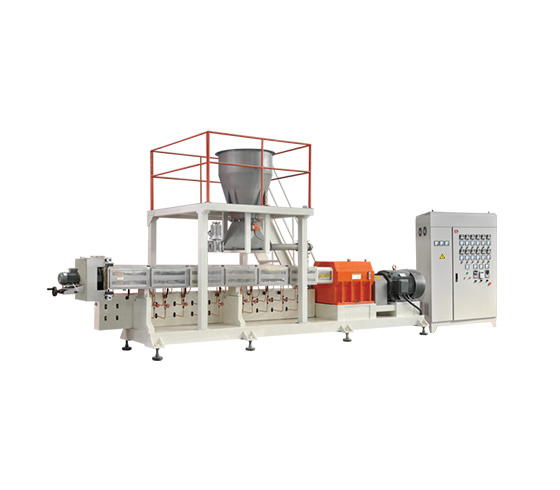
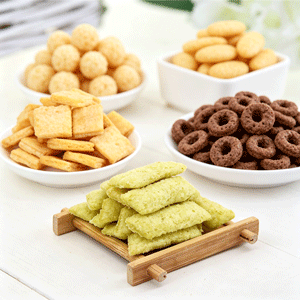
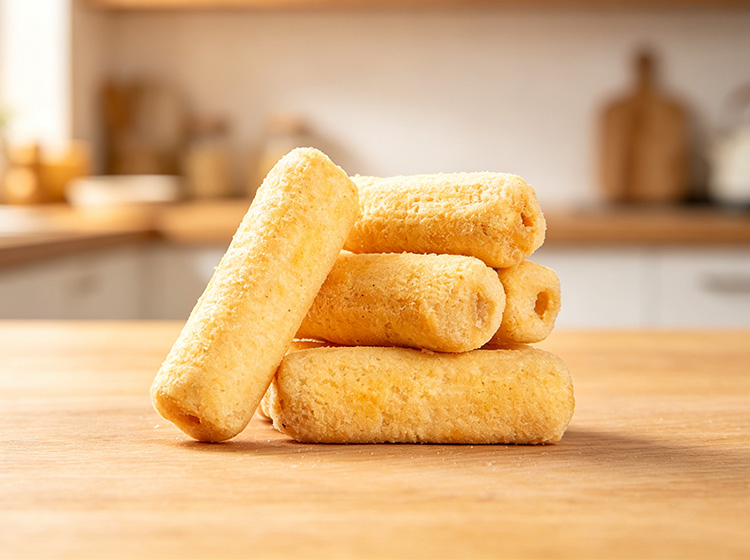
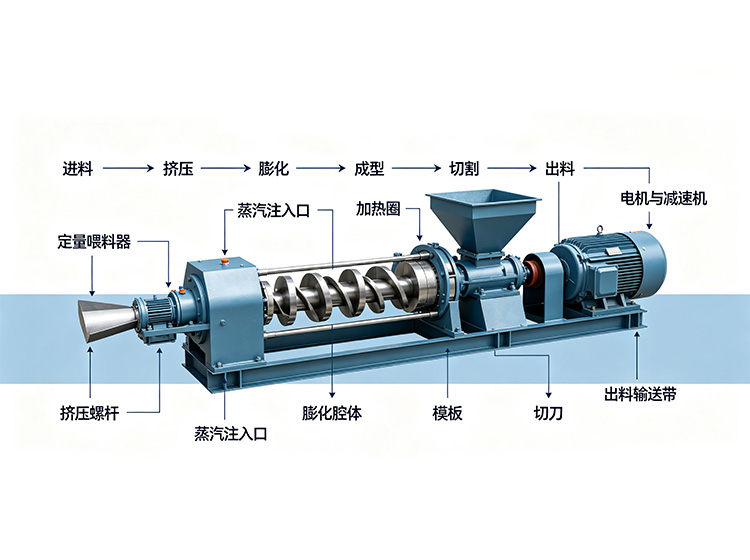
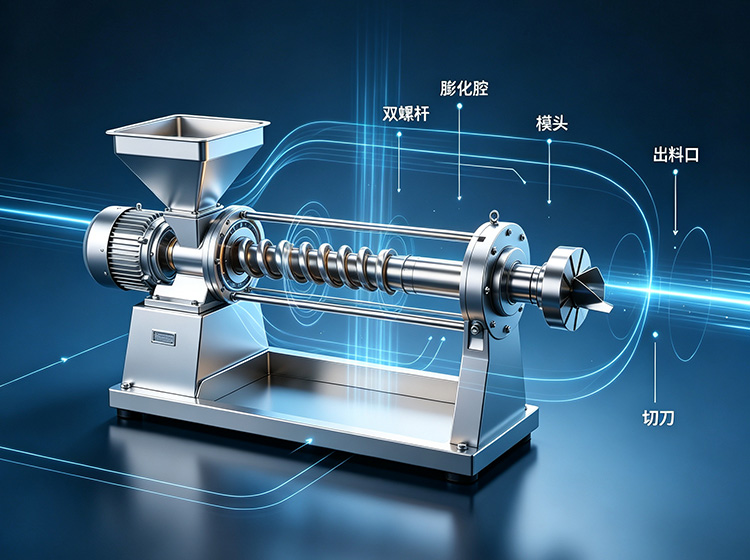
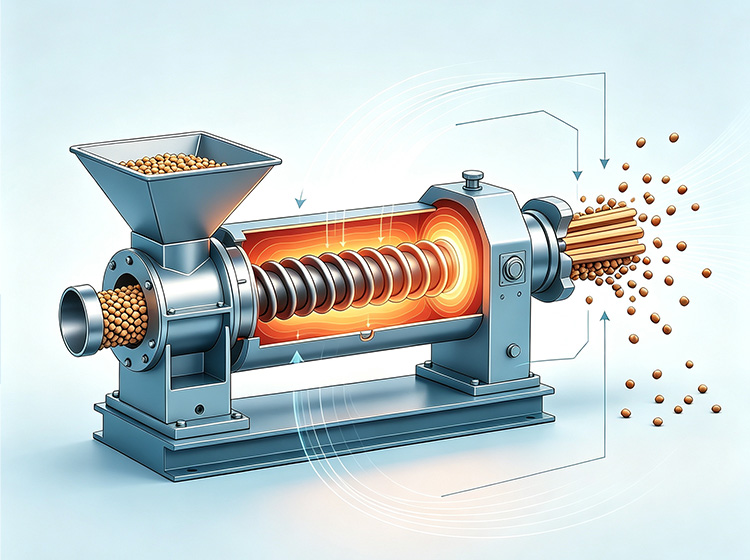
The texturized vegetable protein (TVP) produced by twin-screw extruders uses low-temperature soybean meal, soy protein isolate, and wheat gluten as primary raw materials.The material undergoes extrusion, forced conveying, crushing and kneading, mixing and homogenization, as well as shear extrusion within the twin-screw extrusion puffing machine.Meanwhile, during the continuous processing under high temperature and high pressure, as well as sterilization, protein molecules undergo modification to form a new layered fibrous structure, endowing the product with high strength and toughness, and a texture and mouthfeel similar to meat.Furthermore, by adjusting the extrusion die and auxiliary equipment, a variety of product shapes can be produced, including cylindrical, block, sheet, strip, granular, pudding-like, and crumbly forms.Textured vegetable protein (TVP) produced by twin-screw extrusion puffing machines exhibits excellent oil retention, strong flavor preservation, and high resistance to high-temperature stewing. Consequently, it is widely used in the production of meat analogs, fast food items, fillings, seasonings, and other applications, enabling the creation of various flavored vegetarian snacks and dishes.
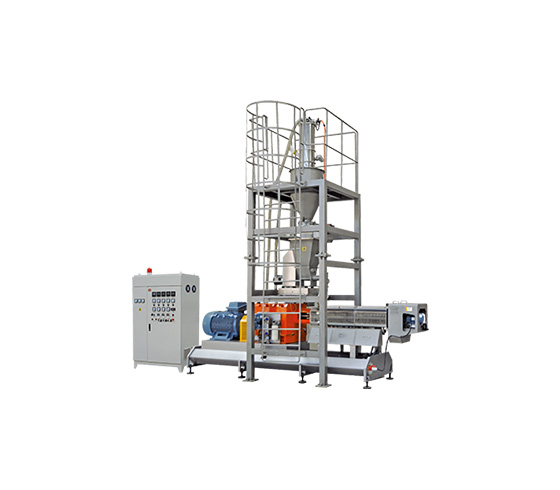
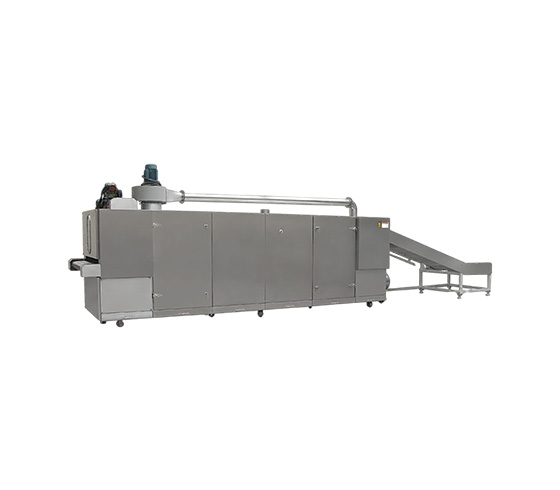
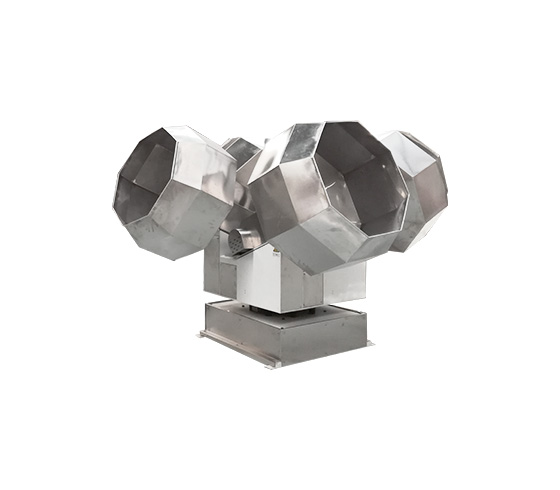
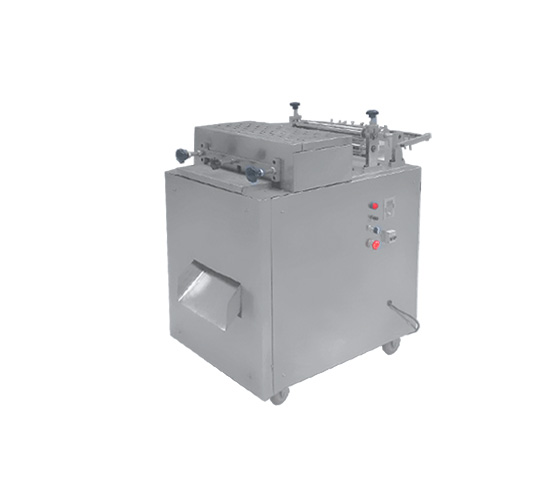
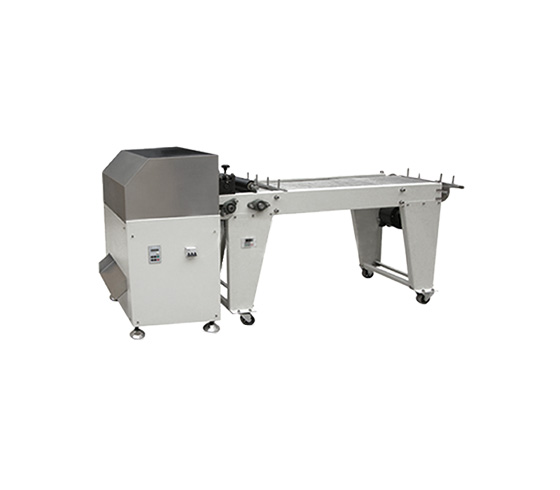
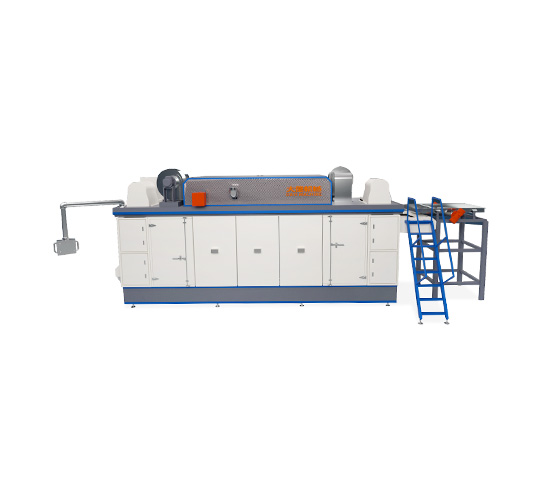
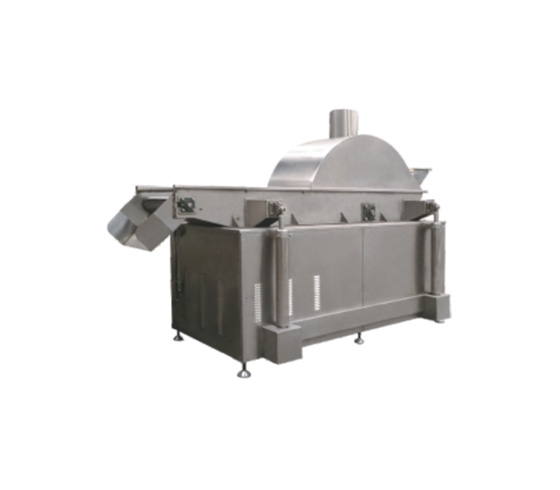
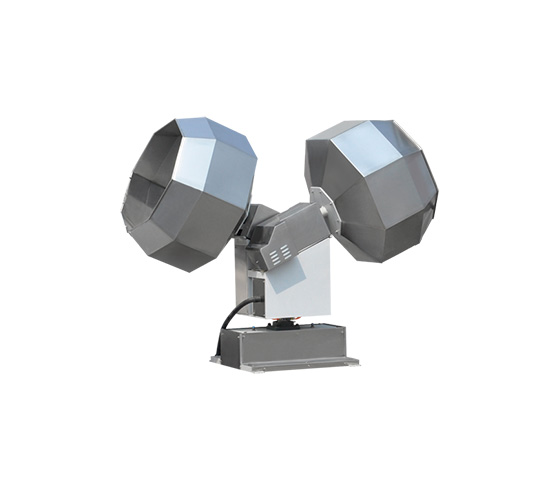
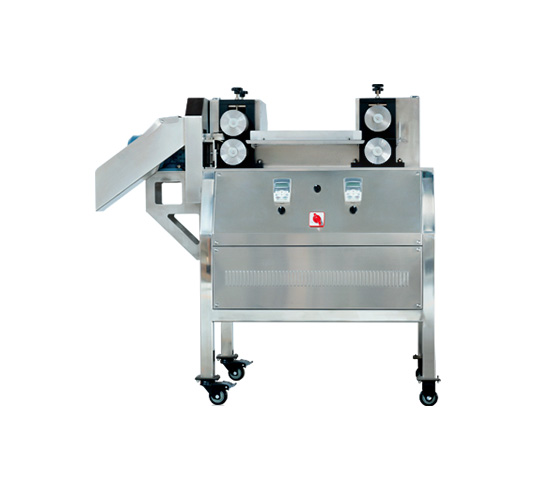
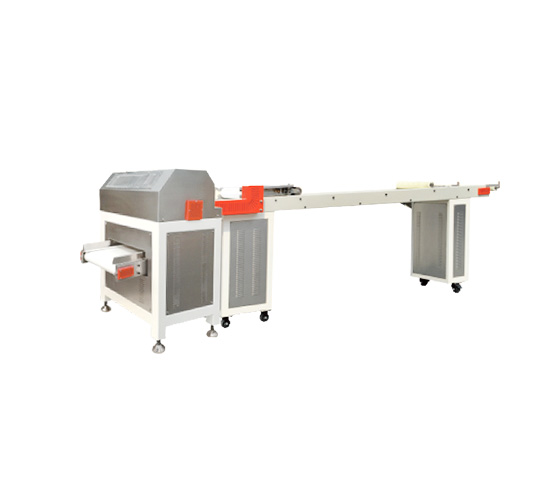
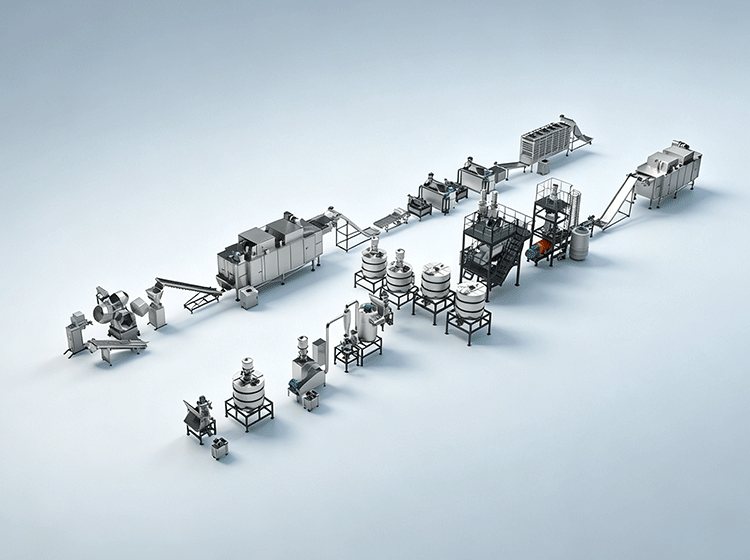
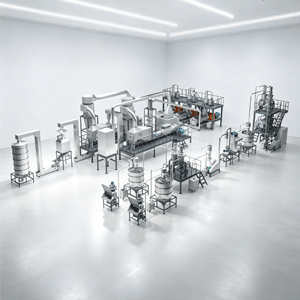
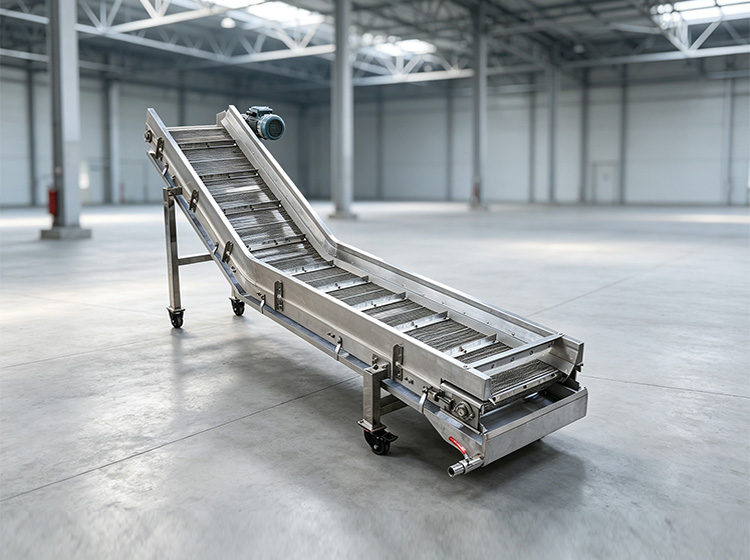
Yili Machinery's textured vegetable protein (TVP) production line employs advanced twin-screw extrusion technology, with the screws featuring a segmented modular design.The barrel is also designed in a modular configuration, equipped with water injection ports, exhaust ports, and other features. Each section is fitted with independent heating and temperature control systems, enabling precise, segment-specific temperature regulation.The operating system features a PLC touchscreen intelligent control system and central control buttons.The direct connection design between the motor and the power distribution cabinet effectively reduces energy loss.The equipment is equipped with imported bearing assemblies, offering strong wear resistance and high load-bearing capacity.The screw assembly is made of high-strength steel. Its modular screw design features a simple structure, long service life, and easy maintenance.The main unit is equipped with a water injection cooling system to ensure that the equipment does not easily overheat during long-term operation.This production line features mature technology, a simple structure, and easy maintenance, achieving fully automated, high-precision, and high-quality production.The production line configuration includes mixers, vacuum feeders, twin-screw extruders, water injection machines, water towers, fryers, cooling conveyors, and other equipment. We offer various production line configurations that can be customized and selected according to specific requirements.
Production process flow: Powder mixer → Screw feeder → Main machine → Cutting machine → Fan → Oven → Cooling conveyor belt.
What conditions should be considered during implementation or selection?
First, it is essential to clarify the product type, raw material state, formulation direction, and expected finished product requirements.For projects involving extrusion, forming, drying, frying, conveying, seasoning, or packaging, the processing capacity and cycle time of each stage must be matched to avoid discrepancies between individual equipment capacity and the overall line requirements.
Secondly, the installation plan should be evaluated in conjunction with the workshop's spatial layout and utility conditions, including power supply, water supply, steam, or gas.Equipment configuration should also take into account long-term operational factors such as cleaning, maintenance, safety protection, spare parts supply, and operator training.Any process or equipment capabilities mentioned in this document are for reference only in the context of solution discussions and preliminary assessments.Specific model numbers, power ratings, production capacities, temperatures, and times shall be subject to the official technical proposal and the results of trial runs or on-site verification.
Frequently Asked Questions
Can the equipment be determined directly based on the standard configuration?
Not recommended.The equipment configuration is influenced by different raw materials, product structures, target production capacities, and downstream processes.It is more prudent to confirm the product and process conditions before proceeding with the configuration assessment.
How to obtain more targeted advice?
It is recommended to prepare product images or sample information, raw material and formulation guidelines, target production capacity, existing workshop conditions, and planned downstream equipment configurations.Dayi Machinery can further discuss the applicable process routes and equipment configuration options based on this.
This article is compiled based on the "Textured Vegetable Protein Production Line" documentation provided by Dayi Machinery, with the aim of helping readers better understand the relevant topics.For technical requirements related to specific projects, please refer to the actual product documentation and engineering confirmation results.