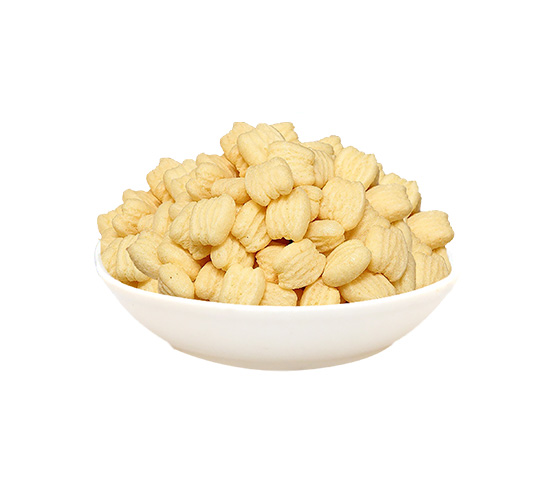
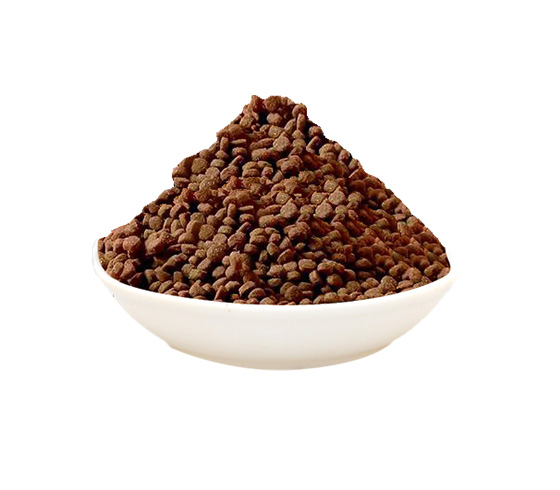
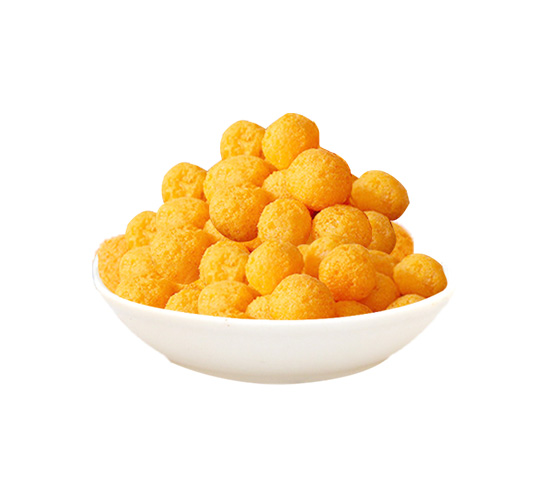
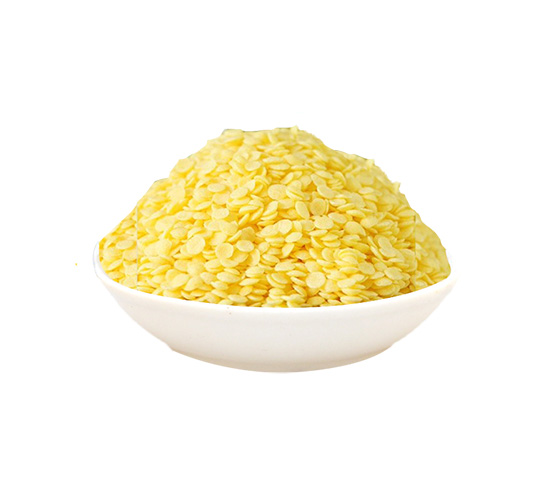
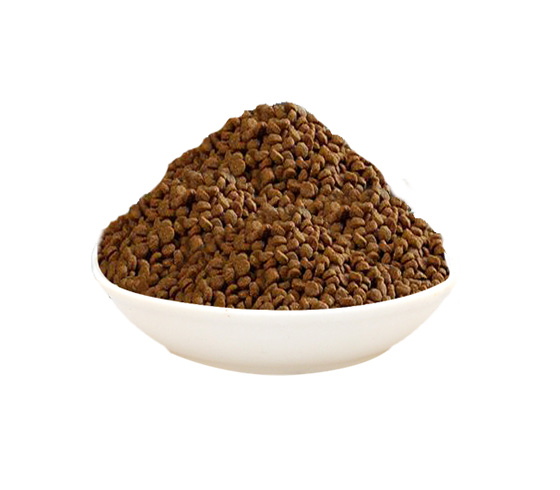
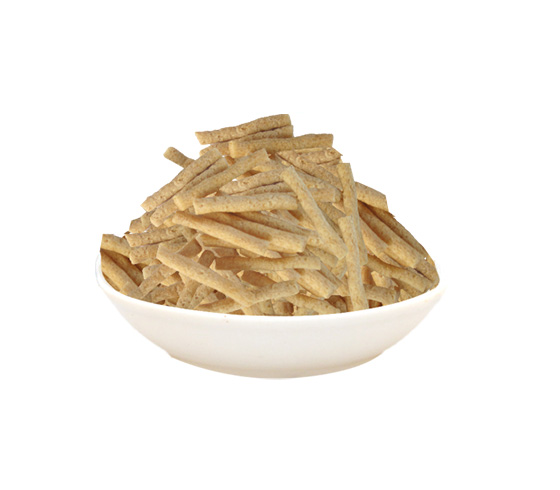
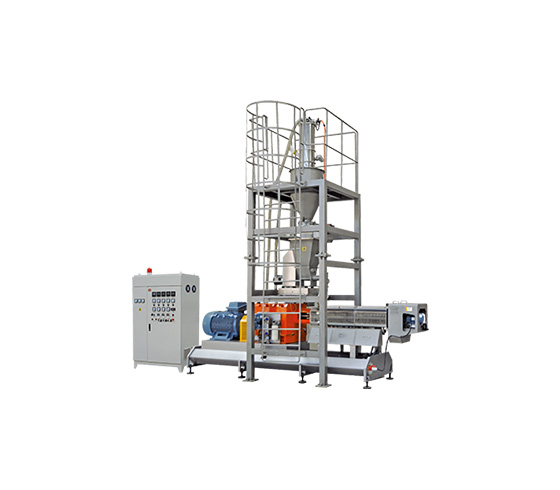
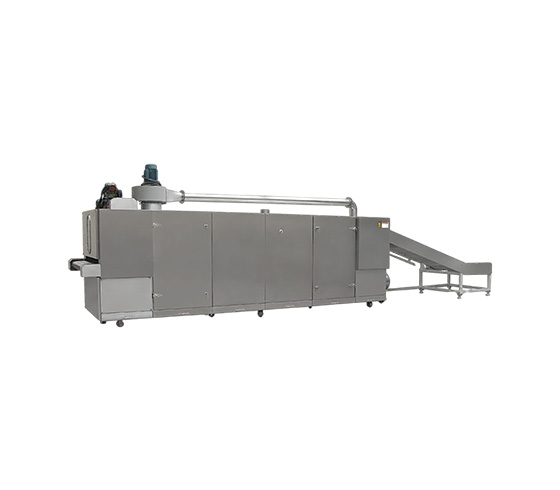
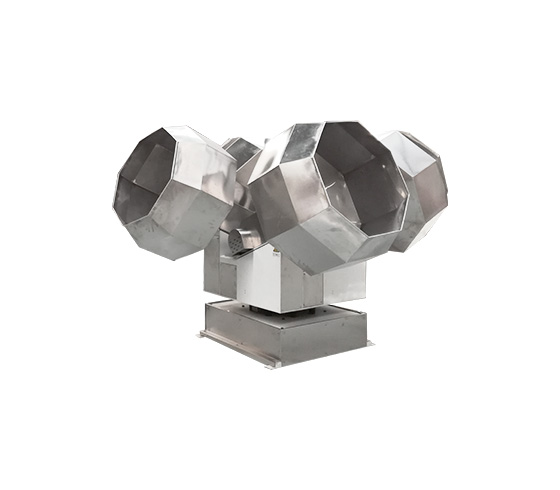
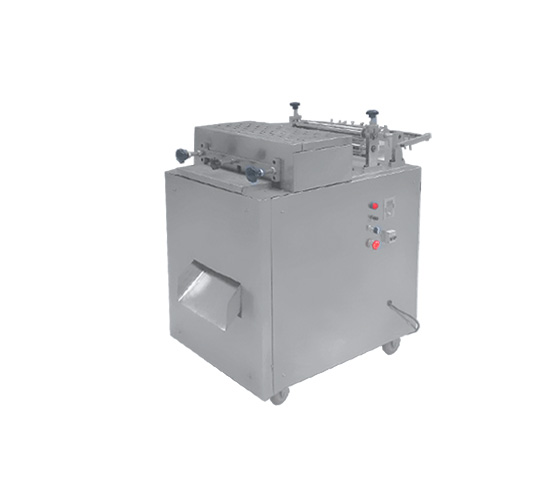
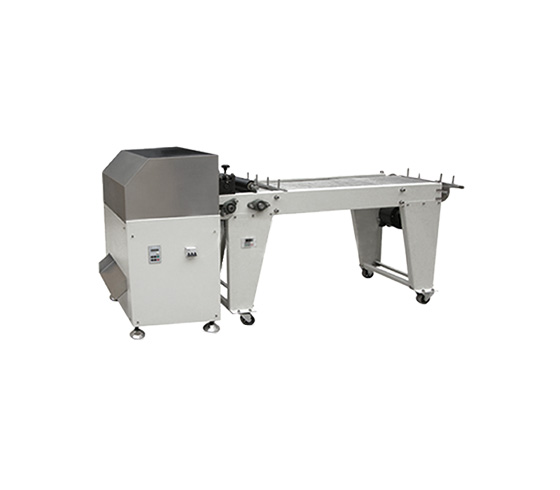
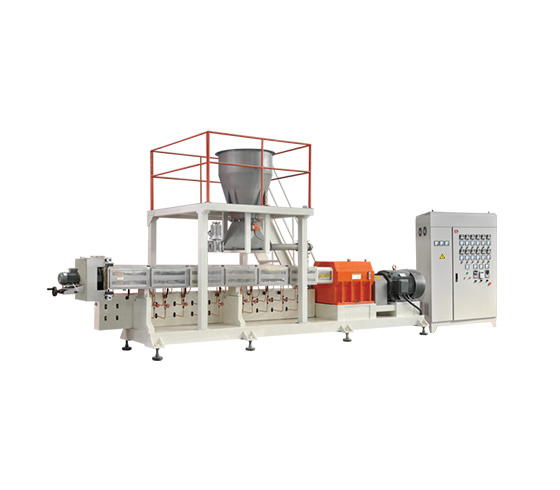
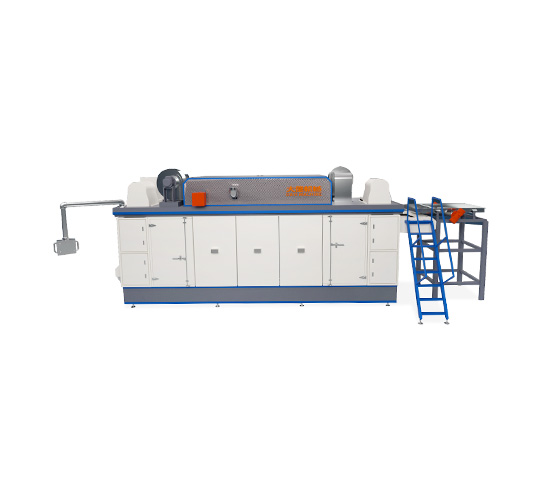
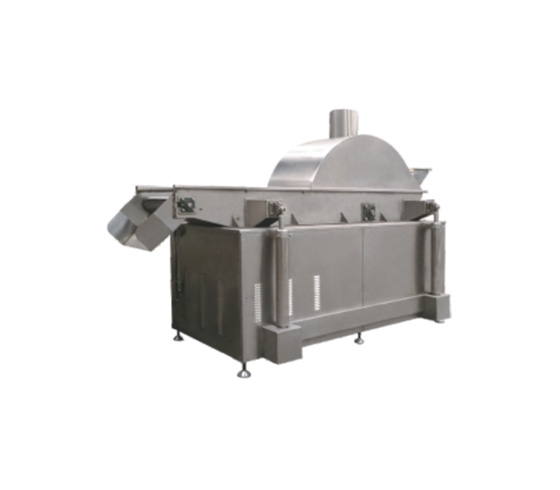
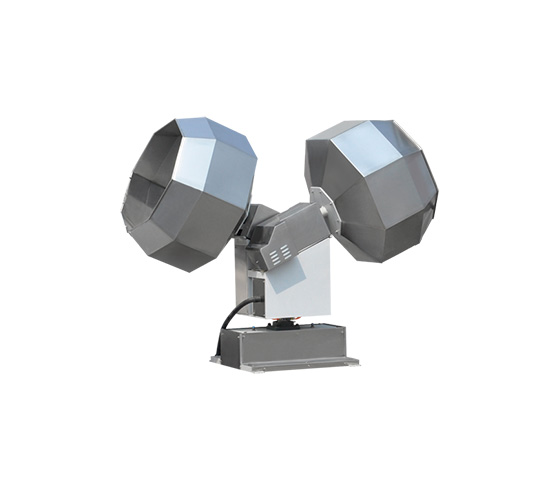
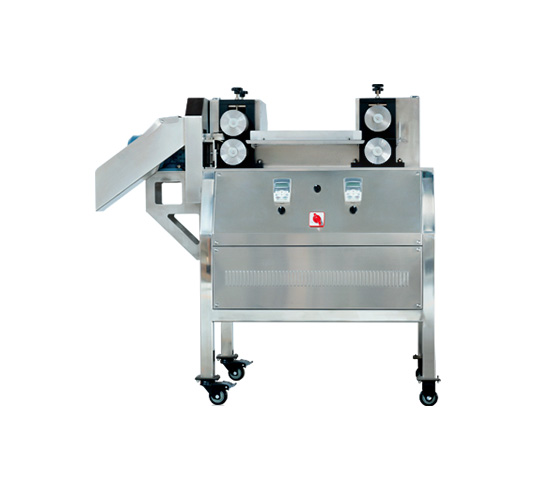
Key considerations in the development of food machinery during the industrial era involve the processes, equipment selection, and operational management of food processing and production equipment.The actual solution should be confirmed based on raw material characteristics, target product specifications, production scale, and on-site conditions, and should not be determined solely by the parameters of a single piece of equipment.
Key Considerations for the Development of Food Machinery in the Industrial Era
The rapidly advancing Industry 4.0 era has profoundly impacted the development of various industries.Smart manufacturing has become a key term and an important direction for development.It is evident that in recent years, China's food industry has been accelerating its transition toward automated, intelligent, and digitalized production.To this end, more flexible and personalized production lines are employed to enhance food production efficiency and quality, strengthen product market competitiveness, and meet consumer demands.On the other hand, this also responds to the development goals of carbon neutrality and carbon peak, promoting the healthy and sustainable development of the food industry.
China's food industry is large in overall scale, but a detailed examination reveals that the prevailing situation of "numerous, small, scattered, and disorganized" operations continues to constrain industry development.After all, achieving high efficiency and low cost in food production makes scale an unavoidable consideration.Furthermore, driven by the trend of consumption upgrading, consumers' demand for food quality and variety has further increased.As the food industry accelerates its scale expansion, accelerating the integration of industrial resources, increasing industry concentration, and enhancing production process capabilities will inevitably become key priorities.
Looking at the development of China’s food industry in recent years, relevant government departments in Guangzhou have actively promoted the integration of resources within the food sector, driving the growth and expansion of the food industry in the Guangdong-Hong Kong-Macao Greater Bay Area.The establishment in Yanjin County, northern Henan Province, of a specialized industrial park focused on flour and flour-based product processing, leveraging local resource advantages and targeting the development of the entire industry chain and industrial clusters, underscores the high priority that various regions place on the development of the food industry.In addition, companies such as Panpan Food and Ligao Food have accelerated the integration of resources across the entire industry chain, promoting the scale and intelligent development of the food industry chain.
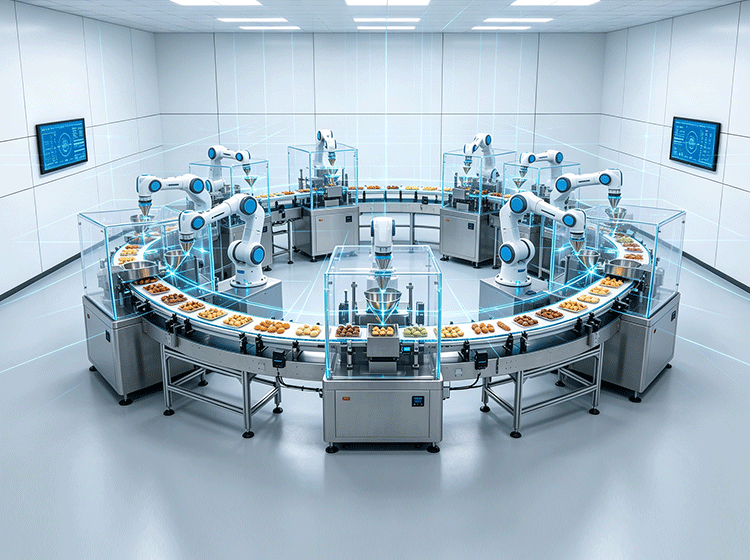
As the industry moves toward large-scale development, the iterative upgrading of technological equipment plays a crucial role in its transformation and upgrading.Initially, the improvement in automation levels we mentioned may have been limited to using standalone equipment in certain stages of food production to “replace human labor with machines,” aiming to enhance production efficiency at key stages.To date, whether driven by the continuous emergence of new food products and packaging or by the rising labor costs and recruitment challenges following the decline of the demographic dividend, the level of automation and intelligence in production workshops has been further enhanced.This has become an important means of meeting the demands of flexible production, promoting quality improvement and efficiency enhancement in the industry, and achieving energy conservation and emission reduction.
It is therefore no surprise that an increasing number of food processing machinery and equipment are being adopted by small and medium-sized food processing plants, while large food enterprises are accelerating the construction of “dark factories” and “lighthouse projects.”As of now, well-known brands such as Tsingtao Brewery, Menglong Ice Cream, and Juewei Duck Neck have completed the construction and operation of their flexible production lines, significantly enhancing the manufacturing capabilities across various segments of the food industry.
However, as the level of automation and intelligent production in the food industry continues to improve, bringing numerous benefits, food safety remains an inviolable red line.Recent reports indicate that propylene glycol was detected in a certain milk product.According to its statement, this was due to residual flavored milk in the product tank line not being effectively cleaned during the production switch from flavored milk to pure milk, resulting in the presence of propylene glycol in the pure milk.
This incident serves as a reminder to the food industry that, while enhancing production quality and output, it must pay greater attention to food safety and achieve a balanced approach across multiple priorities.In the food industry in particular, full-line equipment suitable for rapid changeovers among multiple product types and forms, as well as for collaborative production, has been widely adopted.Strengthening food safety monitoring through modern means remains a key focus area for the industry amid rapid development in the current and future landscape.
What conditions should be considered during implementation or selection?
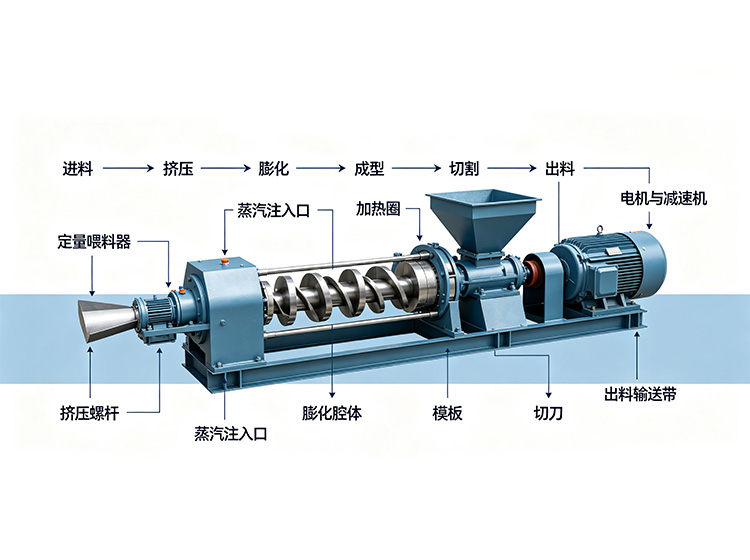
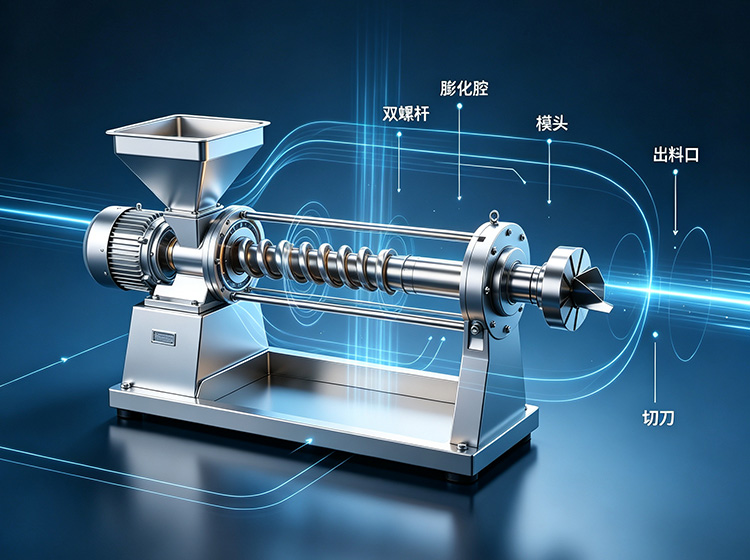
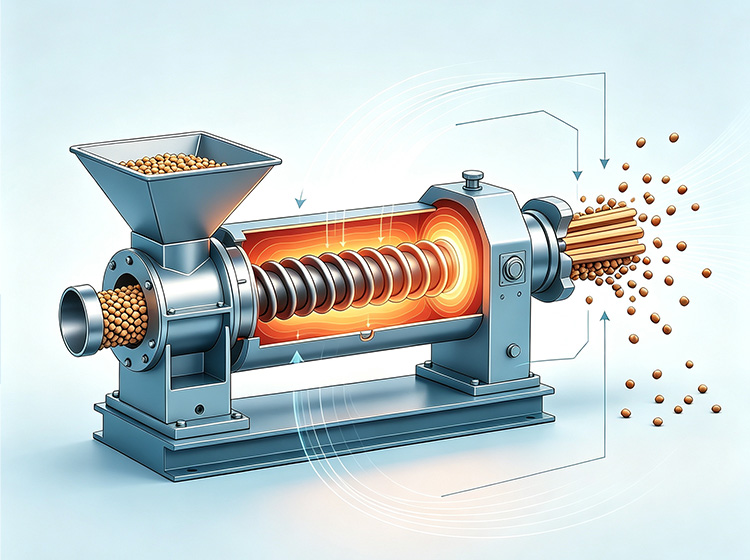
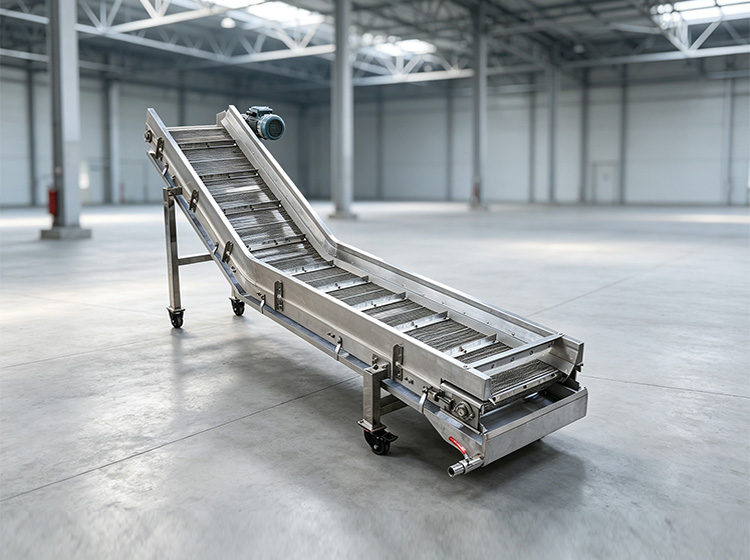
First, it is essential to clarify the product type, raw material state, formulation direction, and expected finished product requirements.For projects involving extrusion, forming, drying, frying, conveying, seasoning, or packaging, the processing capacity and cycle time of each stage must be matched to avoid discrepancies between individual equipment capacity and the overall line requirements.
Secondly, the installation plan should be evaluated in conjunction with the workshop's spatial layout and utility conditions, including power supply, water supply, steam, or gas.Equipment configuration should also take into account long-term operational factors such as cleaning, maintenance, safety protection, spare parts supply, and operator training.Any process or equipment capabilities mentioned in this document are for reference only in the context of solution discussions and preliminary assessments.Specific model numbers, power ratings, production capacities, temperatures, and times shall be subject to the official technical proposal and the results of trial runs or on-site verification.
Frequently Asked Questions
Can the equipment be determined directly based on the standard configuration?
Not recommended.The equipment configuration is influenced by different raw materials, product structures, target production capacities, and downstream processes.It is more prudent to confirm the product and process conditions before proceeding with the configuration assessment.
How to obtain more targeted advice?
It is recommended to prepare product images or sample information, raw material and formulation guidelines, target production capacity, existing workshop conditions, and planned downstream equipment configurations.Dayi Machinery can further discuss the applicable process routes and equipment configuration options based on this.
This article is compiled based on the document "Precautions for the Development of Food Machinery in the Industrial Age" provided by Dayi Machinery, with the aim of helping readers understand the relevant topics.For technical requirements related to specific projects, please refer to the actual product documentation and engineering confirmation results.