Applications of Twin-Screw Extrusion Puffing Machines

Published:2026-07-18

The application scope of the twin-screw extrusion puffing machine involves process, equipment selection, or operational management issues in food processing and production equipment. Practical solutions must be confirmed based on raw material characteristics, target products, production scale, and site-specific conditions—not solely on a single equipment parameter.

Core application scope of twin-screw extrusion puffing machine

Twin-screw extrusion puffing machine is applicable to which fields?

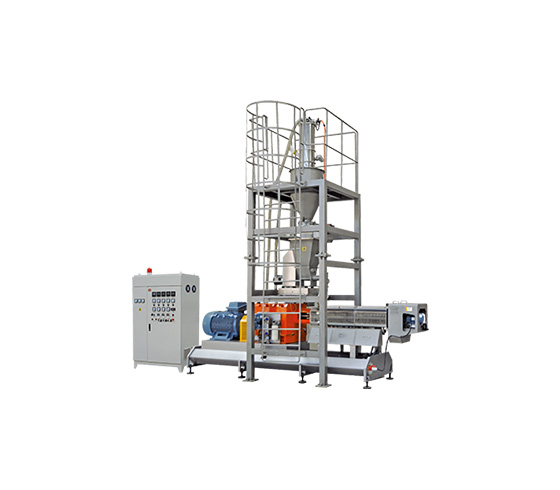
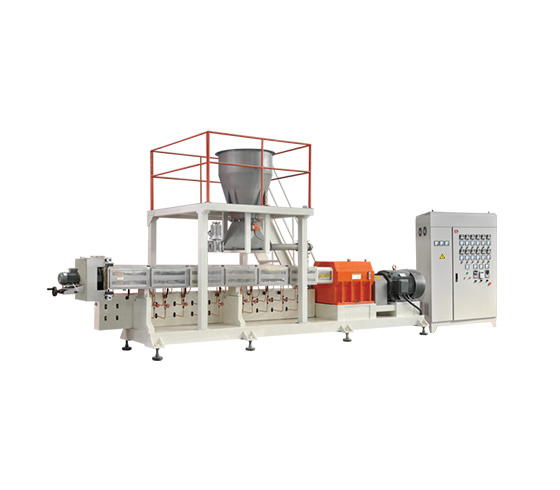
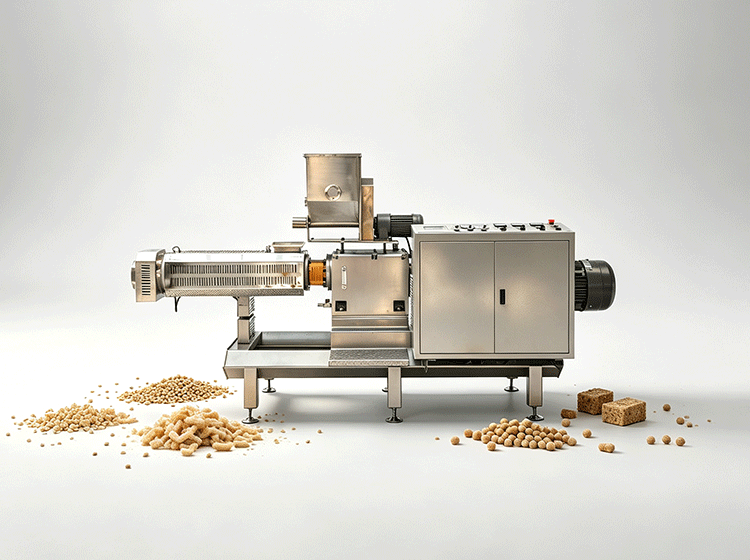
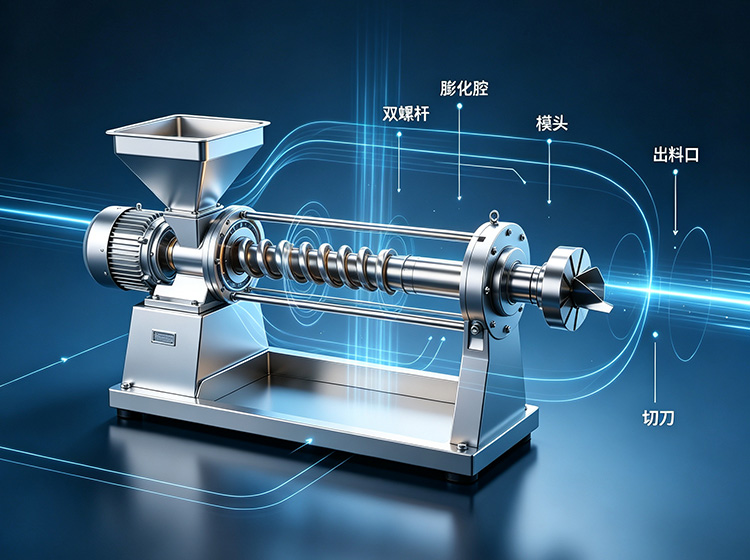
The twin-screw extrusion puffing machine is a type of multi-screw extrusion puffing machine, developed based on the single-screw extrusion puffing machine. Inside the barrel of the twin-screw extrusion puffing machine, two screws are arranged side by side, hence the name “twin-screw extrusion puffing machine.”

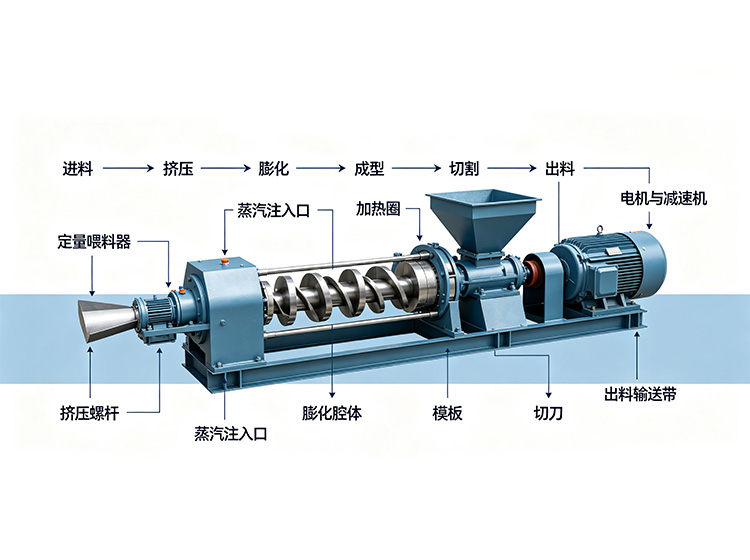
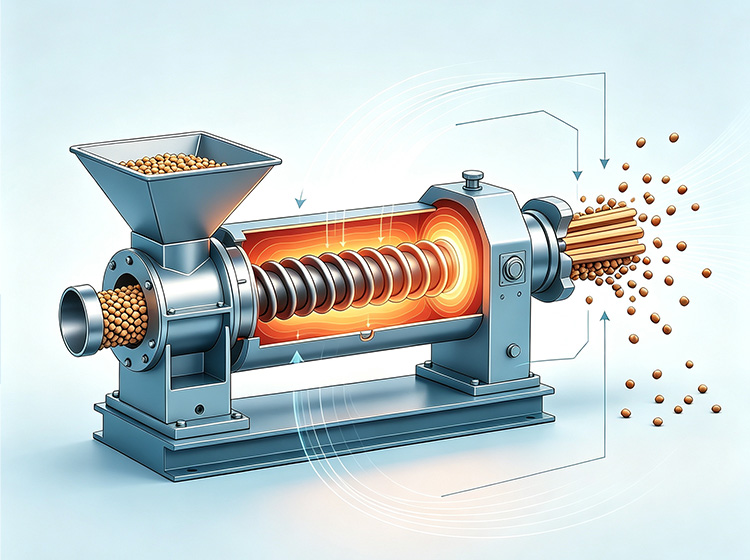
The twin-screw extrusion puffing machine consists of a feeding system, an extrusion system, a heating system, a drive system, a cutting system, and a control system. Raw materials are fed into the machine via the feeder and undergo puffing inside the barrel under high temperature, high pressure, and high shear, thereby achieving the required quality attributes such as textural properties.

Key Features:

1. The main extruder adopts advanced frequency conversion speed control technology, delivering robust power, smoother operation, and energy savings. 2. Screws are treated with nitriding on alloy steel, extending service life. Some units feature modular assembly structures, allowing flexible configuration to meet varying requirements. Transmission components also exhibit extended service life. 3. Screws incorporate a self-cleaning function, enabling cleaning without disassembly during shutdown. 4. Various screw configurations and length-to-diameter ratios accommodate diverse production process requirements.

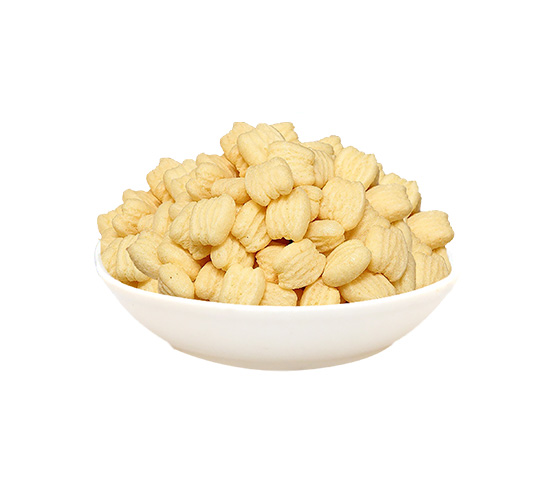
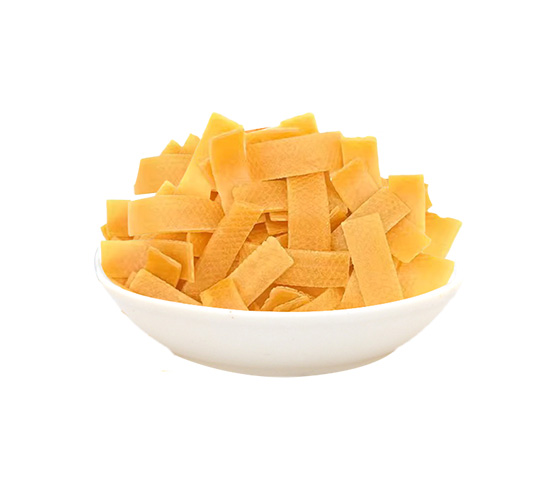
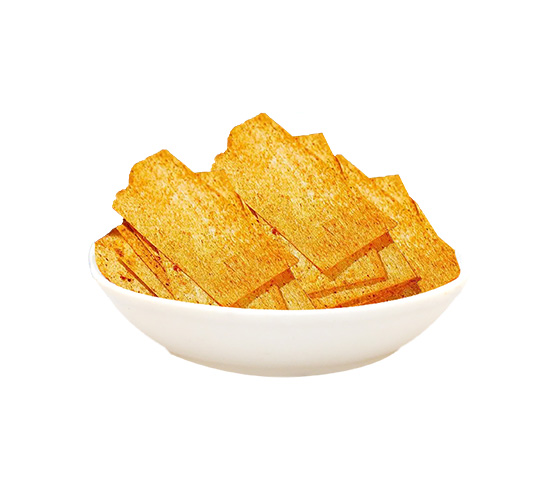
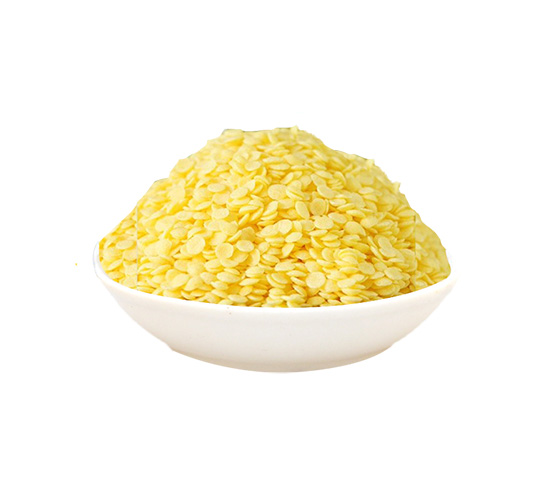
The twin-screw extrusion puffing machine accommodates a wide range of raw materials, produces diverse product shapes, and offers flexible configurations. Different models and configurations can be selected to manufacture various products. Currently, the primary applications of puffed-food machinery include: First, producing various snack foods using corn and potatoes as raw materials; Second, producing various imitation foods using flour as raw material; Third, producing textured protein foods (commonly known as “meat analogs” or “imitation meat”) using plant protein as raw material; Fourth, producing food products via extrusion puffing of cereals, legumes, or other grains. Additionally, other products can be manufactured through different equipment combinations.

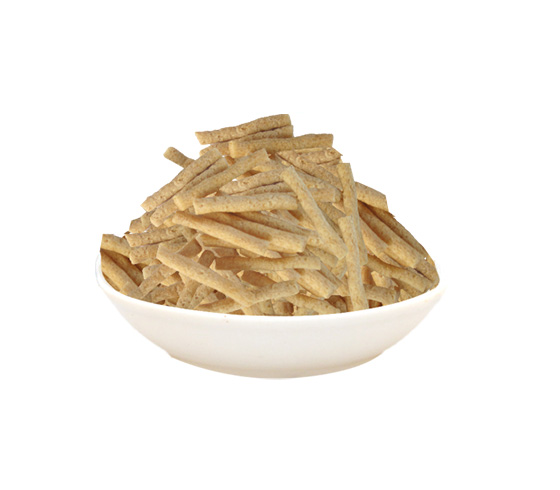
Puffed snack food is made from raw materials such as cereals, legumes, tubers, and vegetables, processed using puffed-food machinery. The finished products feature attractive appearance, rich nutrition, and crisp, delicious texture, thereby constituting a major category of food. Moreover, the equipment used for producing puffed snack food features simple structure, convenient operation, low investment, and rapid return on investment.

Jinan Dayi Machinery Technology Co., Ltd. is located in the beautiful spring city of Jinan. The company has long been engaged in the research and development of food production line machinery and production technologies, adhering to standardized production techniques and automated control operation concepts, and focusing on developing stable and reliable production equipment. The company’s design engineers possess extensive experience in design, R&D, commissioning, and production, and are supported by responsible on-site engineering technicians who handle production and commissioning tasks, enabling us to provide you with standardized design, production, and commissioning processes.

What conditions should be considered during implementation or selection?

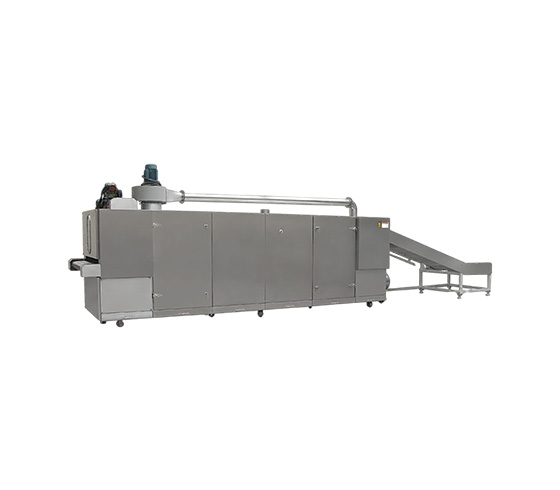
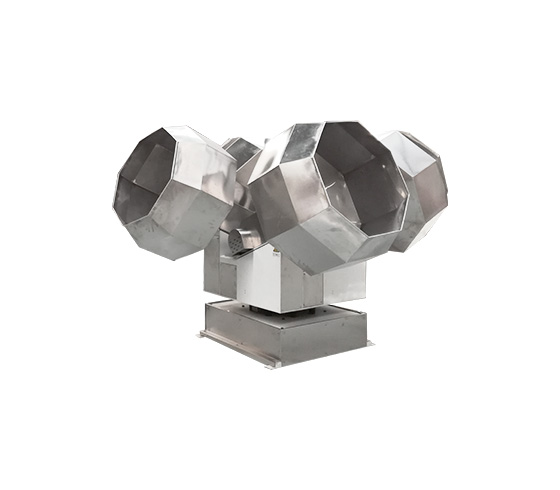
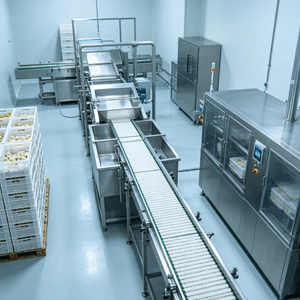
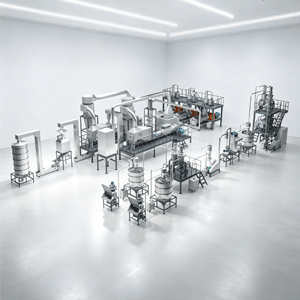
First, the product type, raw material status, formulation direction, and requirements for the final product must be clearly defined. For projects involving extrusion, shaping, drying, frying, conveying, seasoning, or packaging, the processing capacity and cycle time of each stage must be matched to avoid inconsistencies between the capacity of individual equipment and the overall line requirements.

Secondly, the installation plan should be evaluated in conjunction with workshop space, power supply, water supply, steam or gas utility conditions. Equipment configuration should also consider long-term operational factors such as cleaning, maintenance, safety protection, spare parts availability, and operator training. Where process or equipment capabilities are mentioned in this document, they serve only as references for preliminary communication and assessment; specific models, power ratings, production capacities, temperatures, and time parameters shall be determined based on the formal technical proposal and confirmed through commissioning tests or on-site verification.

Frequently Asked Questions

Can the equipment be directly determined according to the general configuration?

Not recommended. Different raw materials, product structures, target production capacities, and downstream processes affect equipment configuration. It is more prudent to first confirm the product and process conditions, then conduct a configuration assessment.

How can I obtain more targeted advice?

It is recommended to prepare product images or sample information, raw materials and formulation direction, target production capacity, existing workshop conditions, and planned downstream equipment configuration. Dayi Machinery can then further discuss the applicable process route and equipment configuration range.

This article is compiled based on the “Scope of Application for Twin-Screw Extrusion Puffing Machine” document provided by Dayi Machinery, aiming to assist readers in understanding the relevant subject matter; for technical requirements pertaining to specific projects, refer to the actual product documentation and engineering confirmation results.